Combining camping and hunting isn't just about doing two activities at once—it's a specialized skill that demands integrated planning. Most guides out there treat them separately, but after over a decade of wilderness trips, I've seen how that approach leads to frustration. Here, I'll cut through the noise and give you the camping hunting tips that actually work, based on hard-earned experience and mistakes I wish I'd avoided.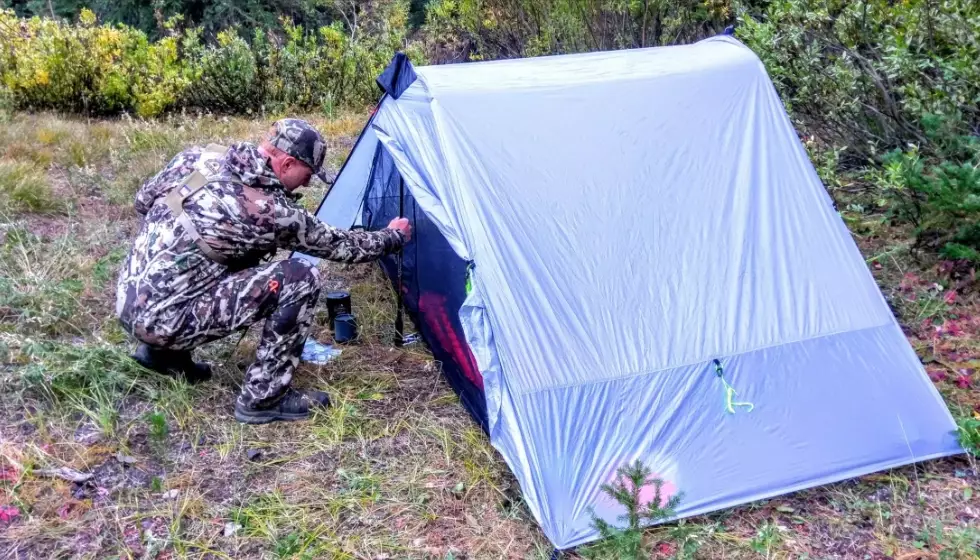
What's Inside This Guide
Why Camping Hunting is a Unique Beast
Let's get straight to it: camping hunting isn't just camping plus hunting. It's about synergy. You're setting up a base camp in the wild, often far from trails, and using it to hunt game over several days. The biggest mistake I see? People treat their camp as an afterthought. In reality, your campsite location, setup, and routine directly impact your hunting success.
Think about scent control. If you cook a hearty meal at camp, those smells can travel for miles, alerting game to your presence. I learned this the hard way on a elk hunt in Colorado—I spent days tracking a herd, only to have them vanish after I fried bacon one morning. Now, I plan my camp activities around wind direction and time of day.
Another overlooked point: energy management. Hunting requires stealth and stamina, but setting up camp drains energy too. Most advice says "pack light," but that's too vague. Instead, focus on multi-use gear. A good example is a tarp—it can serve as a rain shelter, ground cloth, or even a makeshift blind. I've used mine to create a quick hide when I spotted deer near camp.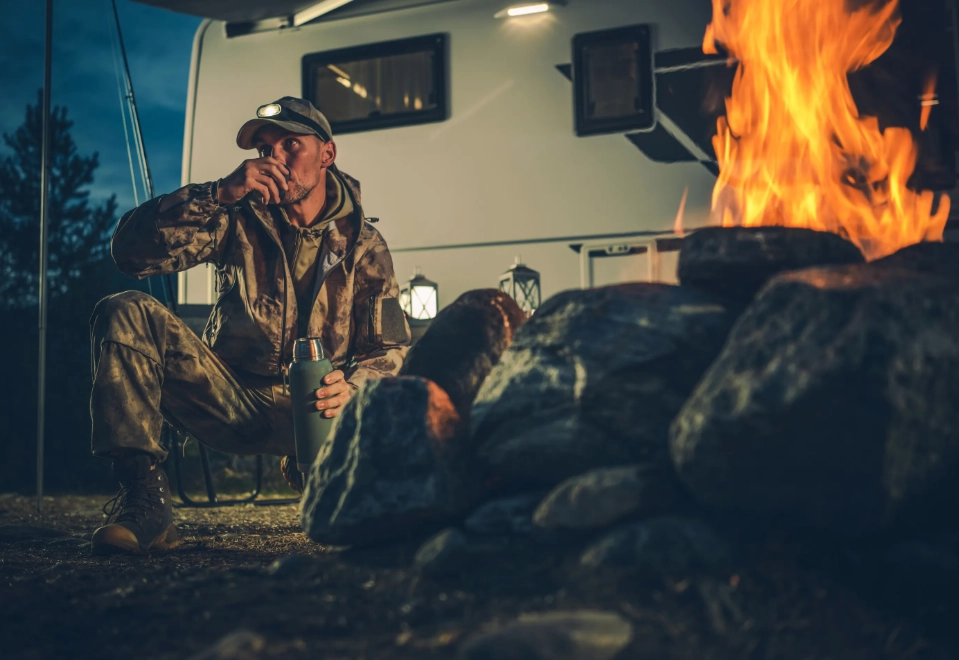
The Overlooked Mistake: Underestimating Weather Changes
Weather in the backcountry shifts fast. I've been in situations where a sunny afternoon turned into a freezing night, and my summer-rated sleeping bag left me shivering. Many hunters assume they can tough it out, but that's a recipe for misery. Check localized forecasts from sources like the National Weather Service, and always pack for the worst-case scenario. A pro tip: layer your clothing even in camp—it helps regulate body temperature and keeps you ready for sudden hunts.
The Gear You Absolutely Can't Skip
Gear makes or breaks a camping hunting trip. I've seen too many folks show up with fancy rifles but forget basics like a reliable water filter. Below is a table of essential items I've refined over years. It's not just a list; it's based on failures and successes in the field.
| Gear Item | Why It's Crucial | My Personal Recommendation |
|---|---|---|
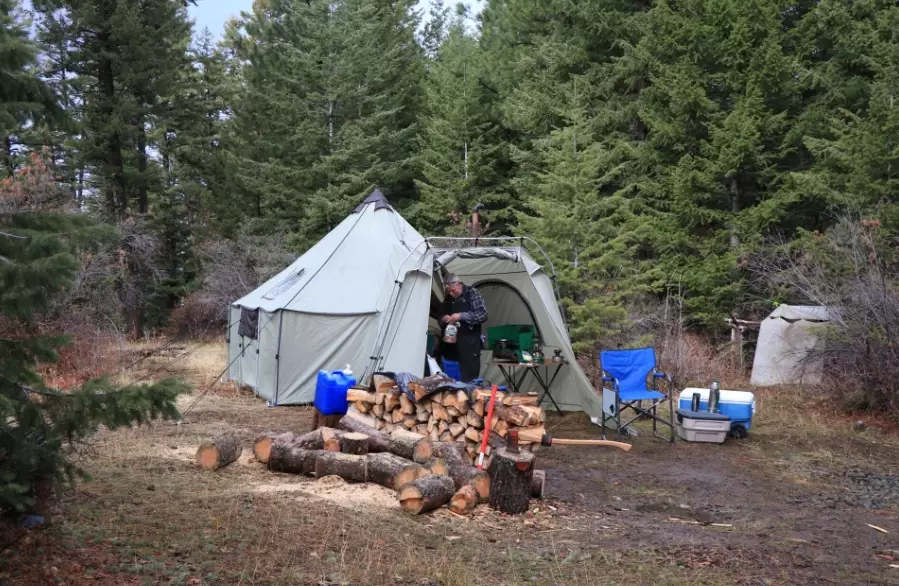
| 4-Season Tent with Camouflage | Provides shelter in all conditions and reduces visibility to game. A bright tent can spook animals from afar. | I use the Alps Mountaineering Zephyr 3—it's lightweight, blends with forest colors, and handles wind well. Avoid cheap models; they often leak. |
| Portable Water Filter or Purifier | Access to clean water is non-negotiable. Streams might look pristine but harbor bacteria. | The Sawyer Mini has saved me multiple times. It's small, filters 100,000 gallons, and doesn't require batteries. Don't rely on boiling alone—it wastes fuel. |
| Quality Sleeping Bag Rated for Low Temperatures | Sleep deprivation kills hunting focus. A bag rated 10°F below expected lows ensures restful nights. | I swear by the Western Mountaineering UltraLite. Yes, it's pricey, but the down insulation lasts years and compresses small. |
| Headlamp with Red Light Mode | Hands-free lighting for camp tasks and night movements without ruining your night vision. | The Black Diamond Spot 400—the red mode is subtle and won't alert game. I once forgot mine and fumbled in the dark, nearly tripping over a log. |
| Multi-tool or Hunting Knife | Essential for field dressing game, repairing gear, and camp chores. | The Leatherman Signal includes a fire starter and whistle, which I've used in emergencies. Keep it sharp—a dull knife is dangerous. |
| Game Bags and Cooler for Meat Preservation | If you score a hunt, you need to preserve meat quickly to prevent spoilage and attract predators. | Alaska Game Bags are breathable and durable. Pair with a Yeti Hopper for transport. I learned this after losing a deer to heat on a warm day. |
Beyond the table, let's talk footwear. I made the mistake of using standard hiking boots for a wet hunting trip—my feet were soaked for days, leading to blisters. Now, I invest in waterproof hunting boots like the Kenetrek Mountain Extreme. They're stiff for support but break in over time.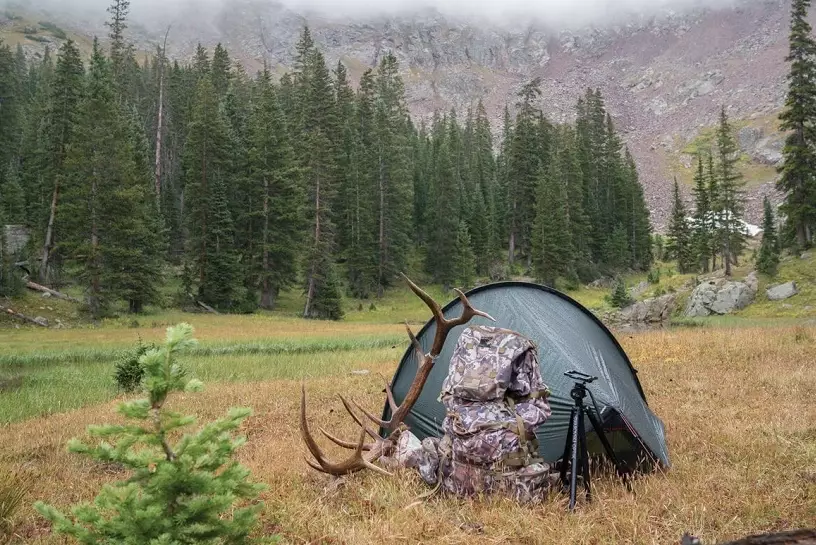
Safety Mistakes That Could Ruin Your Trip
Safety isn't just about avoiding accidents; it's about ensuring you can handle them when alone. The wilderness doesn't forgive errors. Here are key areas where hunters often slip up.
Common Mistakes and How to Avoid Them
Poor Communication: Many hunters go off-grid without telling anyone their plans. I always leave a detailed itinerary with a friend, including campsite coordinates and expected return time. Use a satellite communicator like the Garmin inReach—it's saved me when I twisted an ankle miles from camp.
Ignoring Animal Encounters: Bears and cougars are real threats. I've had a bear raid my camp in Montana because I stored food improperly. Now, I use bear-proof containers and hang food at least 100 yards from camp. Make noise while moving to avoid surprising animals.
First-Aid Kit Neglect: A basic kit isn't enough. Include items for hunting-specific injuries, like a tourniquet for deep cuts or a splint for falls. I add QuikClot gauze—it's stopped bleeding fast when I nicked myself field dressing.
Another subtle point: weather awareness. Hypothermia can set in even at 50°F if you're wet and tired. I pack extra socks and a emergency blanket—the Mylar type weighs nothing but reflects body heat.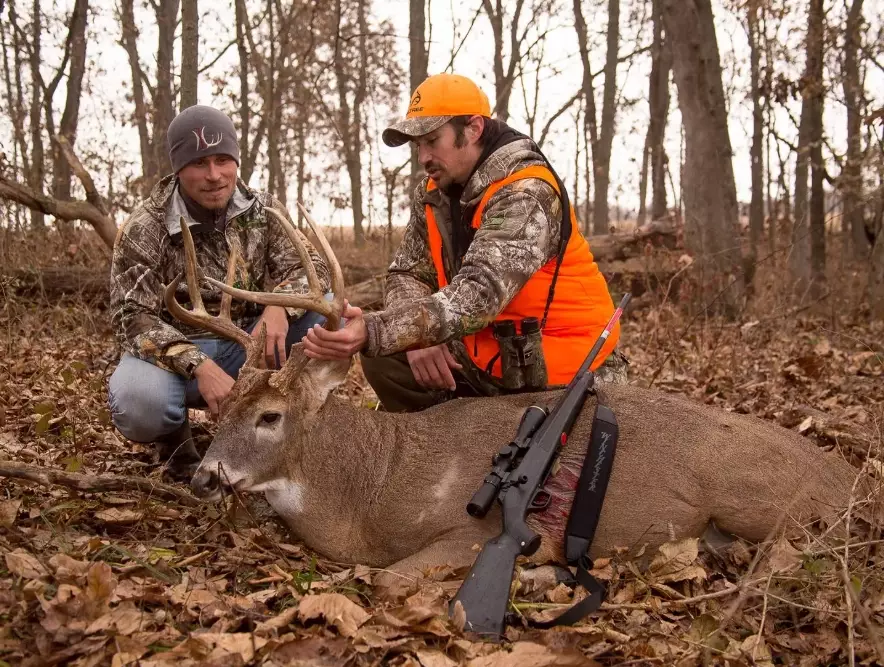
Pro Hunting Strategies When You're Camping Out
Your camp location dictates your hunting success. It's not just about comfort; it's about positioning. Here's how to integrate both.
Choosing the Perfect Campsite for Hunting
Scout before you settle. Look for areas near game trails but not directly on them—you don't want animals stumbling into camp. I use topo maps and apps like OnX Hunt to identify water sources and bedding areas. In Wyoming, I set up camp on a ridge overlooking a valley; it gave me a vantage point for spotting deer at dawn.
Consider wind patterns. Camp downwind of where you plan to hunt, so your scent blows away from game. I learned this from a old-timer who said, "The wind is your best friend or worst enemy." Test it with a powder bottle or observe smoke from a fire.
Noise discipline matters too. Keep camp activities quiet, especially during prime hunting hours (early morning and late evening). I avoid using loud generators or chopping wood at those times. Instead, prep firewood during midday when animals are less active.
Here's a strategy I've honed: use your camp as a base for short, focused hunts. Rather than roaming far, hunt in a radius of 1-2 miles from camp. This conserves energy and lets you return quickly if weather turns. I once bagged a turkey within sight of my tent because I'd noticed roosting patterns while brewing coffee.
For gear storage, create a "hunting ready" zone at camp. Keep your rifle, backpack, and calls in an accessible spot, protected from moisture. I use a waterproof duffel—it sounds simple, but when rain hits, you don't want to fumble with wet gear.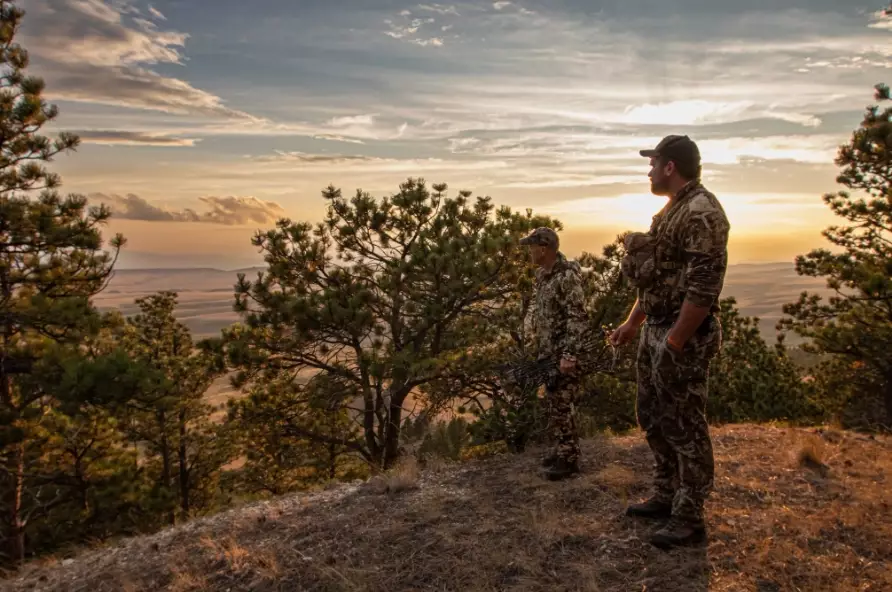
Your Burning Questions, Answered
 How can I stay hydrated and find water sources in remote camping hunting locations?
Camping hunting is about blending skills, not just stacking them. It requires thoughtfulness in gear, safety, and strategy. I've shared tips from my own slips and successes—like that time I forgot a tent stake and spent a windy night holding the poles. Learn from it, plan ahead, and you'll turn your next trip into a story worth telling. The wilderness rewards those who respect its rhythms. Now, get out there and make it happen.