Let's talk camping stoves. You're probably here because you're tired of sifting through endless product listings and vague reviews. I get it. I've spent over a decade testing gear in everything from calm backyard setups to howling mountain storms. The right stove isn't just about boiling water; it's the reliable heart of your camp kitchen. A bad choice can mean cold meals, frustration, and wasted money. This guide will cut through the marketing fluff and give you the straight talk on how to pick a camping stove that actually fits your life, followed by my hands-on recommendations.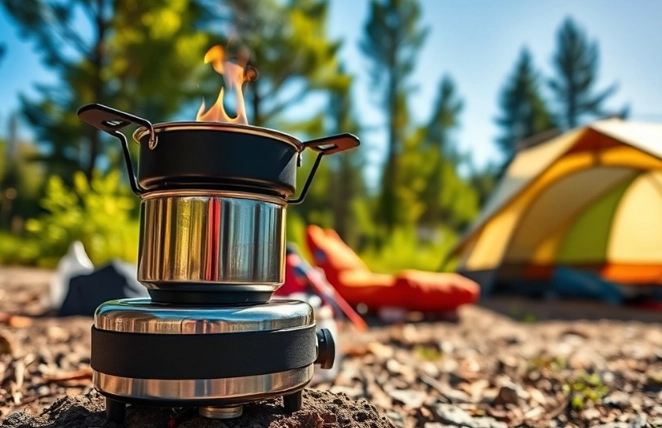
Your Quick Guide to Finding the Perfect Stove
Understanding the Different Types of Camping Stoves
First, forget the idea of a "one-size-fits-all" stove. They don't exist. Your choice hinges on three things: fuel, design, and intended use. Getting this wrong is the most common mistake I see.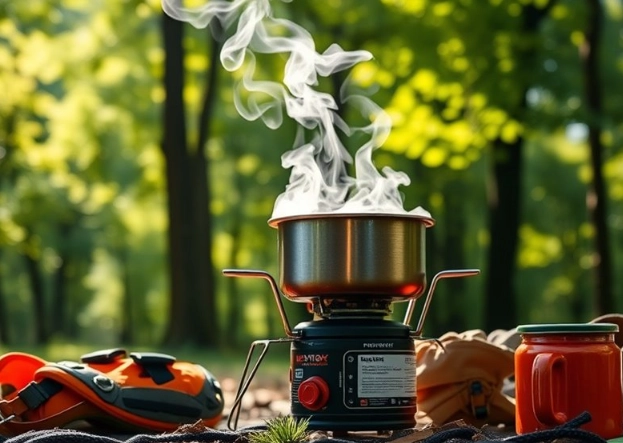
Canister Stoves (Isobutane/Propane Mix)
These are the plug-and-play champions. You screw on a disposable fuel canister, turn a valve, and light it. Incredibly simple. Brands like MSR and Jetboil dominate here. They're lightweight, fast to set up, and perfect for most three-season backpacking and casual car camping.
The catch? Performance plummets in freezing temperatures. The fuel mix inside the canister needs to vaporize, and cold stops that process dead. I've watched many a shivering hater try to cook breakfast at 20°F with one of these. It's a sad, slow boil.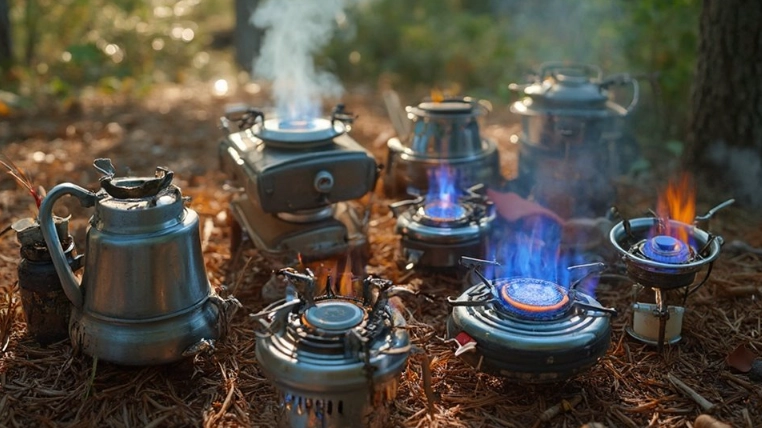
Liquid Fuel Stoves (White Gas, Kerosene, Diesel)
This is the old-school, expedition-grade workhorse. Think MSR WhisperLite or XGK. You pump the fuel bottle to pressurize it, prime the stove to pre-heat the fuel line, and then light it. It sounds complicated, but after two tries, it's second nature.
Their huge advantage is all-weather reliability. Cold? No problem. High altitude? They thrive. You can also find fuel (white gas, aka Coleman fuel) in almost any hardware store worldwide, which is a big deal on long trips. The downside is they're heavier, require maintenance, and that priming step can be intimidating for beginners.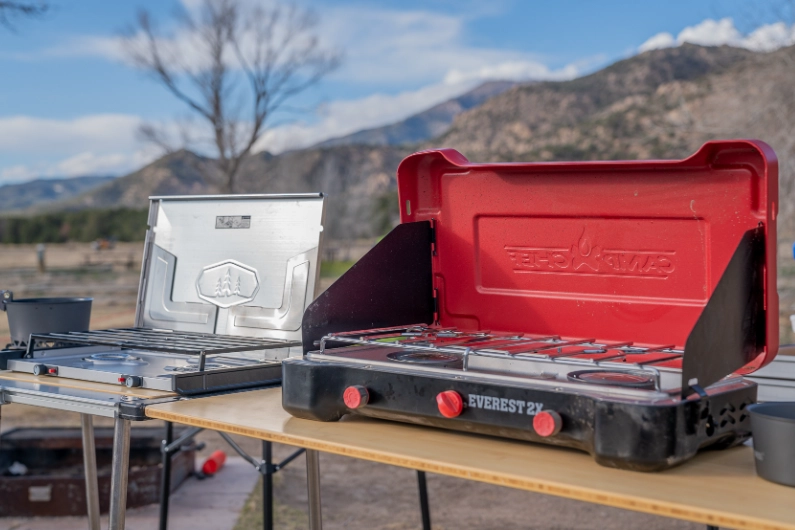
Integrated Canister Systems (Like Jetboil)
These aren't just stoves; they're optimized cooking systems. The stove, pot, and heat exchanger are designed as one unit. The result is astonishing fuel efficiency and speed—boiling a liter of water in two minutes is normal. For a solo hiker or duo who just needs hot water for dehydrated meals, it's hard to beat.
But you're locked into their ecosystem. Want to simmer a sauce in a wider pan? Tough luck. They're specialists, not generalists.
Wood-Burning Stoves
Stoves like the Solo Stove Lite or BioLite run on twigs, pinecones, and biomass. The appeal is obvious: unlimited, free fuel you forage on the spot. No need to carry or buy fuel canisters. They're also allowed in many areas where canister stoves are restricted due to fire risk (though always check local regulations!).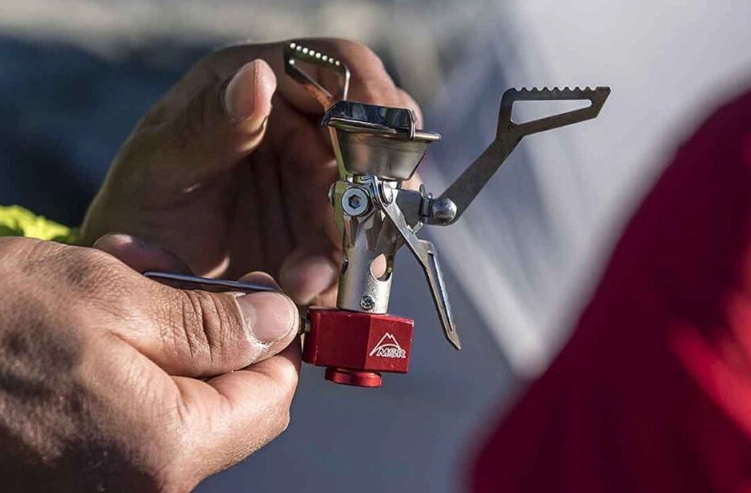
The reality is they're slow. You spend time gathering fuel, feeding the fire, and waiting for a boil. In wet conditions, finding dry tinder is a chore. I love mine for relaxed, low-mileage trips in dry forests, but I'd never rely on it for a fast morning coffee before breaking camp in the rain.
How to Choose the Right Camping Stove for Your Needs
Stop looking at stoves. Start by asking yourself these questions.
Where and when do you camp most?
Car camping at a state park in summer? A simple two-burner propane stove is king. Weekend backpacking in the mountains? A compact canister stove is your friend. Planning a winter expedition or a trip above 10,000 feet? Your list should start with liquid fuel models.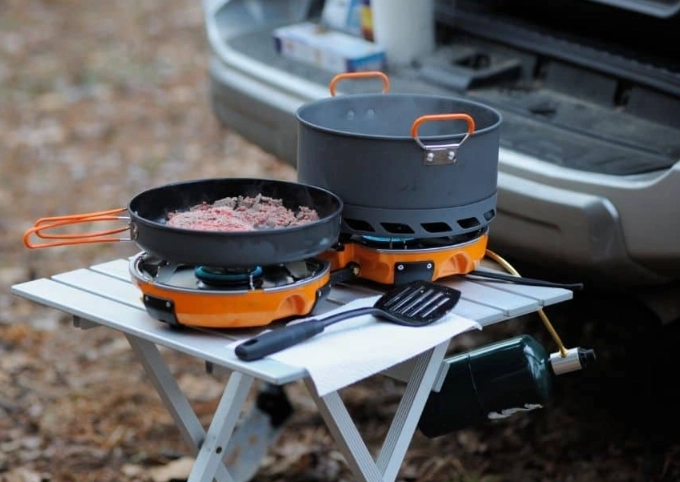
How many people are you cooking for?
Solo or duo? A single burner is fine. Family of four? You'll want two burners to boil pasta while frying sausages. For large groups, consider a high-BTU double burner or even bringing two stoves.
What's your cooking style?
Are you a "boil water and pour it into a bag" person, or do you aspire to make backcountry pancakes and sauté fresh trout? The former needs efficiency and speed. The latter needs precise simmer control and a stable platform for a frying pan. Most cheap stoves are terrible at simmering—they're either full blast or off.
What's your tolerance for fuss?
Be honest. If the idea of priming a stove sounds like a chemistry experiment, stick with a canister. If you enjoy tinkering and value absolute reliability, liquid fuel is worth the learning curve.
Weight and packed size matter (a lot for backpacking).
For backpacking, every ounce counts. Compare the total system weight: stove, fuel, pot, and lighter. A 3-ounce titanium stove might need a heavier pot, while a 15-ounce Jetboil system might be lighter overall for its specific task.
Top Camping Stove Recommendations for Every Scenario
Based on years of use and watching what fails (and what doesn't) in the field, here are my picks. I'm not paid by any brand—this is what I or trusted guiding friends actually use.
>Simmer control is basic. Wind performance is poor without a wind screen.>Unbeatable speed and fuel efficiency, includes pot and cozy. >Not versatile. Can't simmer well. You're buying a system for one job.>Liquid Fuel (also burns canisters) >Winter camping, high altitude, international travel, reliability seekers >Bombproof, all-fuel versatility, easy field maintenance, works in any condition. >Heavier, requires priming, louder roar.>Wood-Burning >Leave-no-trace enthusiasts in wooded areas, supplement fuel >Fuel is free and everywhere, silent operation, no fuel to carry. >Slow, fussy in damp weather, not allowed in some fire-ban areas.>Two-Burner Propane >Car camping, tailgating, family trips >Inexpensive, powerful, familiar home-kitchen feel, stable for big pots. >Bulky, heavy, uses disposable 1-lb propane cylinders (costly long-term).>Regulated Canister >Windy conditions, gourmet backpackers >Excellent wind resistance, outstanding simmer control, efficient. >More expensive than basic models.| Stove Model | Type | Best For | Key Advantages | Considerations |
|---|---|---|---|---|
| MSR PocketRocket 2 | Canister | Solo/duo backpacking, fast & light trips | Extremely light (2.6 oz), tiny pack size, reliable, affordable. | |
| Jetboil Flash | Integrated System | Solo hikers who primarily need boiling water | ||
| MSR WhisperLite Universal | ||||
| Solo Stove Lite | ||||
| Coleman Classic Propane Stove | ||||
| Soto WindMaster |
A quick story about the MSR WhisperLite: I was on a week-long trip in the Sierra Nevada when an early season storm hit. Temperatures dropped well below freezing, and everything was damp. My partner's fancy canister stove sputtered and died trying to melt snow for water. My WhisperLite, after a 30-second prime, roared to life and boiled pot after pot. We were cold and wet, but we were hydrated and fed. That's the difference the right tool makes.
For car campers, don't overlook the propane adapter hose. It lets you connect that Coleman stove to a standard 20-lb BBQ tank. It saves a fortune compared to those little green cylinders and is way less wasteful. It's the first accessory I buy for any car camping setup.
Camping Stove Questions Answered (From a Seasoned Camper)
What is the best camping stove for high altitude and winter camping?
Liquid fuel stoves, specifically white gas models like the MSR WhisperLite or XGK. The fuel vaporizes reliably regardless of external temperature or air pressure. If you're committed to canisters, you must use a winter-specific fuel blend (with a higher propane percentage) and keep the canister warm in your jacket before use. Even then, performance at sustained freezing temps is inferior.
How do I clean and maintain my camping stove?
For canister stoves, it's mostly about keeping the burner head clean. Use a soft brush to remove carbon buildup. For liquid fuel stoves, maintenance is critical. After each trip, I run the stove on clean fuel for a minute to clear the lines. Once a season, or if it's sputtering, I disassemble the generator tube (the part that vaporizes the fuel) and soak it in vinegar or a dedicated cleaner to remove varnish. MSR has excellent video guides. Neglect this, and the stove will clog and fail.
Are wood stoves truly leave-no-trace?
They can be, but it requires diligence. You must burn everything to fine, white ash. Any leftover charcoal is trace. You must scatter the cold ashes widely. In high-use areas, foraging for wood can damage the ecosystem—it's better to use a twig that's already on the ground. In some fragile environments, the land managers prefer you to use a contained fuel stove to prevent any impact. Always check the specific regulations of your destination.
Can I fly with a camping stove?
You can fly with a stove, but never with fuel. Fuel canisters (even empty ones) are prohibited in checked and carry-on luggage. Liquid fuel bottles must be completely purged and dry. The TSA recommends leaving the fuel cap off to demonstrate it's empty. Your best bet is to buy fuel at your destination. Research outdoor stores near your arrival airport or consider shipping fuel ahead.
How can I make my stove more fuel-efficient?
Use a lid on your pot—it cuts boil time dramatically. Use a windscreen (but be careful with canister stoves—don't trap heat around the fuel canister itself, as it can overheat and explode). Match your pot size to the burner. A huge pot on a tiny burner wastes heat. Simmer instead of full rolling boils when possible. And finally, know your stove's sweet spot. For example, turning a Jetboil to its maximum setting after it's ignited doesn't make it boil faster; it just wastes fuel.
The perfect camping stove is the one you don't think about. It just works when you need it. By matching the stove type to your actual trips—not the dream trips you might take someday—you'll avoid the common pitfalls and invest in a piece of gear that becomes a trusted part of your kit for years. Start with your most frequent adventure, and build from there.