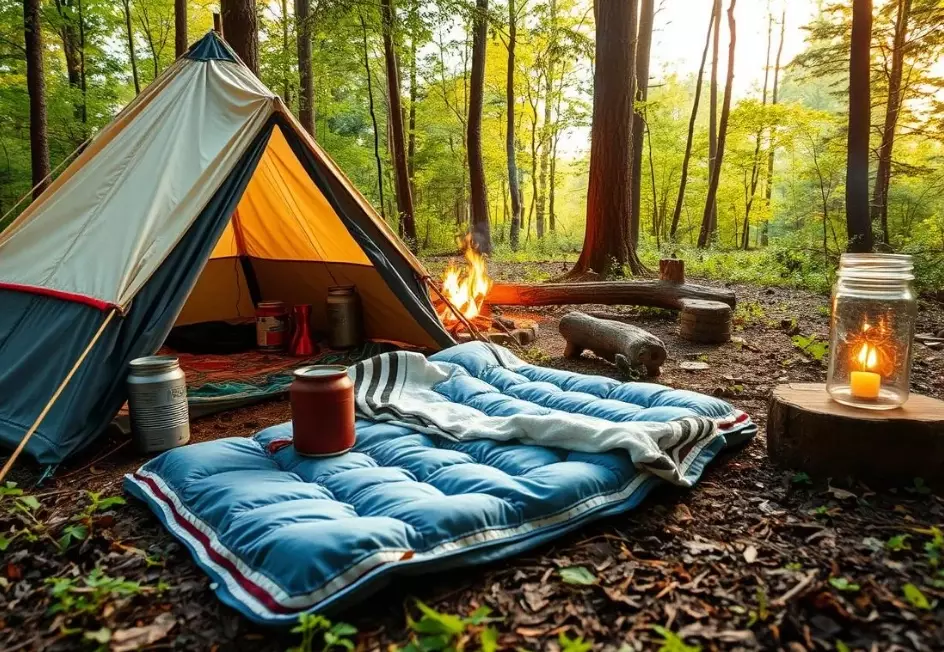
You love the idea of camping. You also crave those epic views, the sunrise over a mountain range, the stillness of a lakeside dawn. Camping sightseeing merges these two passions perfectly. It's not just about where you sleep; it's about waking up inside the postcard. But a haphazard approach can turn that dream into a damp, frustrating mess. I learned this the hard way on an early trip to the Rockies, where poor planning meant we spent more time driving to viewpoints than actually enjoying them. This guide cuts through the fluff. It's the manual I wish I'd had, built from two decades of trial, error, and countless stunning mornings in a tent.
Quick Navigation: What's Inside This Guide
What Exactly is Camping Sightseeing?
Forget the checklist tourism. Camping sightseeing is immersive travel. Your campsite is your basecamp for exploration, chosen specifically for its proximity to natural wonders. The goal is depth over breadth. Instead of a hotel room 45 minutes from the park entrance, you're already there. Your evening entertainment is the stars, not a TV. Your commute to the first trailhead is a five-minute walk. This style turns a vacation into an experience, connecting you to a place's rhythm—the changing light, the animal activity, the quiet moments most visitors miss entirely.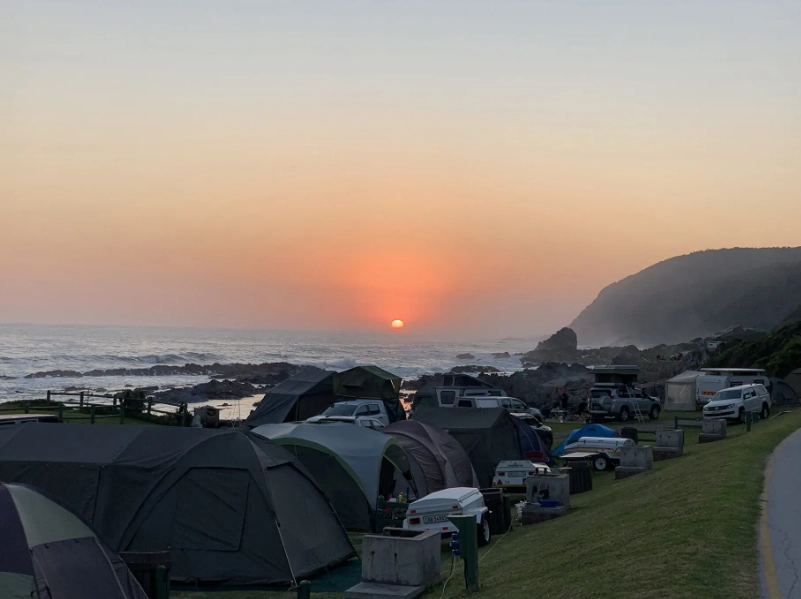
The biggest mistake beginners make? Treating the campsite as just a cheap bed. They pick any available spot, then spend hours in the car each day. The magic happens when you integrate. You scout your sunset spot during a midday hike. You learn which nearby clearing gets the first morning light for your coffee. You become a temporary local, not a passerby.
How to Choose the Perfect Camping Sightseeing Spot
Location is everything. It's the difference between a good trip and a legendary one. You need to balance scenery, access, and practicality.
Top Factors to Prioritize
View and Proximity: Can you see something remarkable from your tent door, or is it a short walk away? Research campground maps and photos. Look for terms like "lakefront," "ridge," or "canyon view."
Access to Trails: The best spots have trailheads starting within the campground or a very short drive away. This saves precious time and fuel.
Reservation System & Timing: Prime scenic campgrounds in places like Yosemite Valley or the Grand Canyon's South Rim book up months in advance on Recreation.gov. Set calendar reminders. For first-come, first-served spots, have a backup plan and aim to arrive mid-week, early in the day.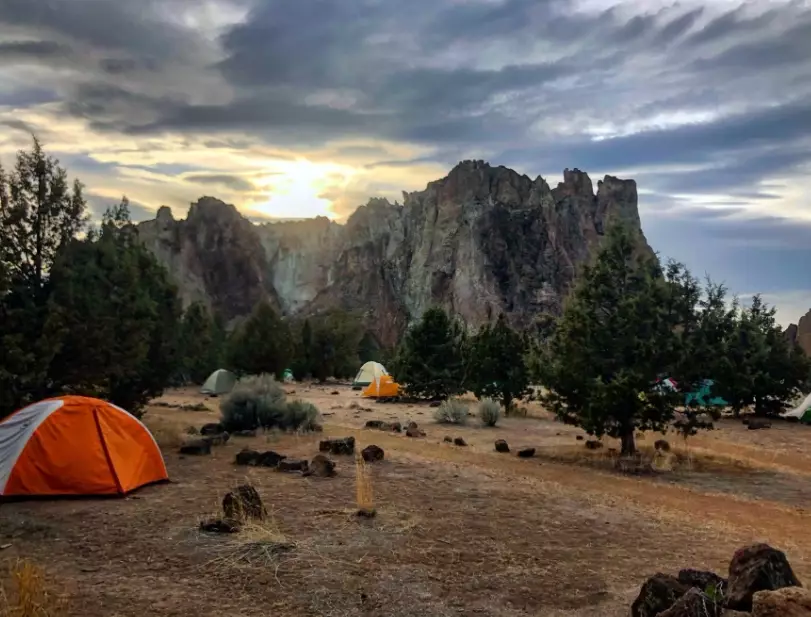
Three Stellar Camping Sightseeing Destinations (To Get You Started)
Let's get concrete. Here are three iconic examples that embody the camping sightseeing ideal.
- Sunrise at Jenny Lake, Grand Teton National Park, Wyoming: The Jenny Lake Campground puts you at the foot of the Cathedral Group peaks. Wake up, step outside, and that's your view. No driving required. The hike around the lake starts from your site. It's rustic (no RV hookups), pure, and incredibly popular. Address: Jenny Lake Campground, Teton Park Rd, Moran, WY. Fees & Reservations: Critical. Bookable on Recreation.gov. Summer 2024 rates are around $30/night. Best For: Hikers and photographers who want iconic mountain scenery at their doorstep.
- Coastal Majesty at Morro Bay State Park, California: This isn't wilderness solitude, but the view of Morro Rock from the campground is unbeatable. You have bay access for kayaking, birdwatching, and easy drives to other Central Coast sights. The campground has more amenities, making it great for families. Address: 60 State Park Rd, Morro Bay, CA. Fees & Reservations: Reserve through ReserveCalifornia. Around $45/night for a standard site. Best For: Families and campers who want a mix of natural beauty and convenient access to town services.
- Forest & Falls in Hocking Hills State Park, Ohio: The park's Old Man's Cave Campground places you in the heart of Ohio's most stunning gorge country. You can walk to trailheads leading to waterfalls, caves, and cliffs. It's a fantastic, accessible option for the Eastern US. Address: 19852 State Rt 664 S, Logan, OH. Fees & Reservations: Book through the Ohio State Parks reservation system. Sites are roughly $30/night. Best For: Weekend warriors and those seeking dramatic geological features without a cross-country flight.
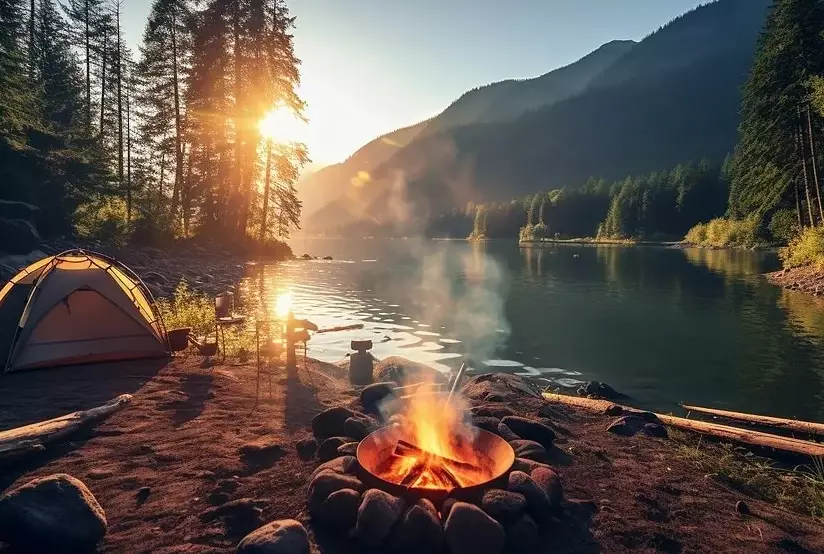
The Non-Negotiable Gear List for Sightseeing Campers
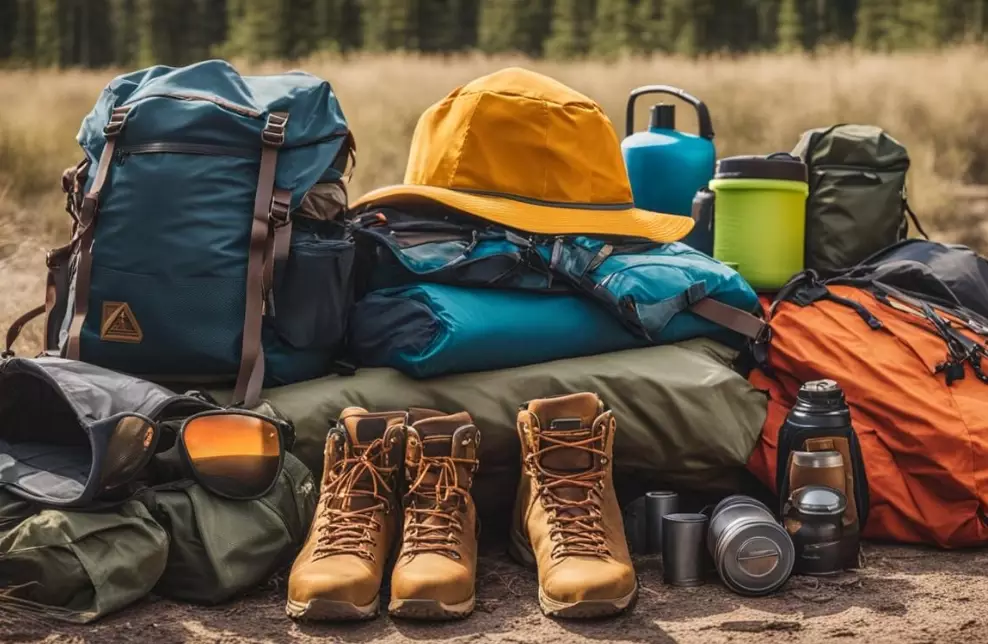
Packing for camping sightseeing is a specific art. You need reliable camping basics, but you also need lightweight, efficient gear for day excursions. Overpacking is the silent trip-killer—it wastes time and car space.
| Gear Category | Specific Items for Sightseeing | Why It's Critical |
|---|---|---|
| Shelter & Sleep | Quality 3-season tent, sleeping pad with high R-value, compact sleeping bag rated for expected lows. | A cold, sleepless night ruins the next day's exploration. Invest in sleep comfort. |
| Day Exploration Kit | Daypack (20-30L), hydration bladder or water bottles, compact binoculars, field guide, power bank, headlamp (even for day hikes). | This is your "go bag" for daily adventures. Keep it packed and ready. |
| Clothing Strategy | Merino wool or synthetic base layers, insulated jacket, waterproof & breathable rain shell, convertible hiking pants, sturdy broken-in boots. | Layering is law. Mountain weather shifts fast. Cotton is your enemy. |
| Food & Water | Portable stove (like a Jetboil), lightweight cookset, bear-resistant food canister (if required), water filter or purification tablets. | Efficient cooking saves time for sightseeing. Safe food storage is non-negotiable in bear country. |
| Navigation & Safety | Detailed paper map & compass (not just phone), GPS device, basic first-aid kit, whistle, multi-tool. | Phones fail. Batteries die. Analog backups have saved me more than once in remote areas. |
A common expert mistake? Bringing a massive, heavy backpack for short day hikes just because you have it. Get a dedicated, comfortable daypack. It makes moving around sights infinitely more enjoyable.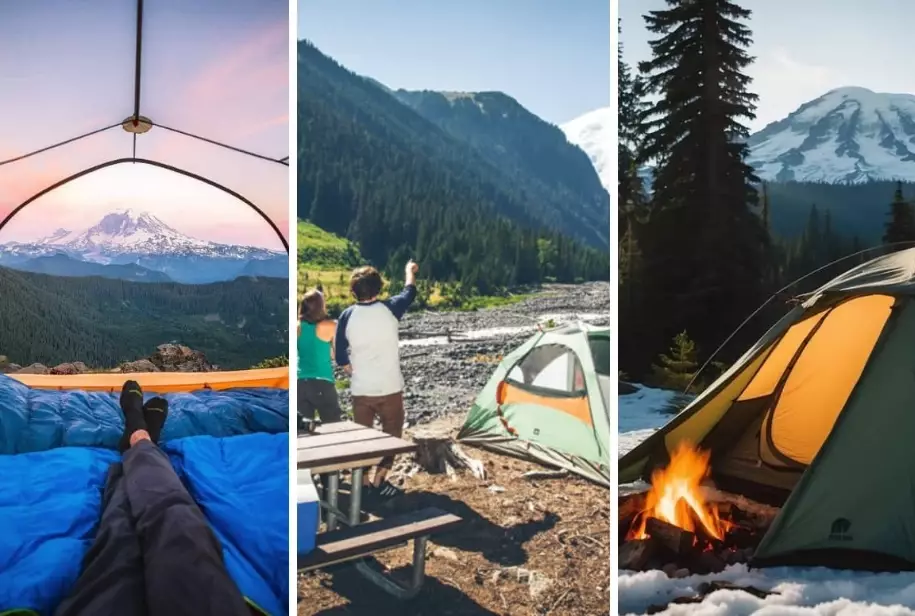
Crafting Your Sightseeing Itinerary: A Sample Day
Structure creates freedom. A loose plan ensures you see the highlights without feeling rushed. Here’s how a perfect camping sightseeing day might unfold at a place like Bryce Canyon National Park.
Pre-Dawn (5:30 AM): Alarm goes off. It's tough, but worth it. You're already in the park. A quick snack, grab the pre-packed daypack, and walk or take a short drive to Sunrise Point. You watch the hoodoos ignite in red and orange light with only a handful of other people. Most park visitors are still asleep in hotels an hour away.
Morning (7:30 AM - 12:00 PM): Hike the Queen's Garden and Navajo Loop combination. It's the park's classic trail, descending among the hoodoos. You finish before the midday heat and the biggest crowds arrive at the trailhead.
Midday (12:00 PM - 3:00 PM): Back at camp for a relaxed lunch. This is downtime—reading, napping in the hammock, refilling water, maybe a short walk to the campground amphitheater for a ranger talk. You avoid the hottest, most crowded park hours.
Afternoon (3:00 PM onwards): A scenic drive along the park's main road to viewpoints like Rainbow Point. Shorter, easier walks. You scope out a spot for sunset at Inspiration Point.
Evening: Simple camp dinner. Return to Inspiration Point for sunset. Back to camp for a fire (if permitted), stargazing, and an early night. Rinse and repeat.
The rhythm is key: active during the sweet light hours, restful during the harsh ones. You leverage your campsite's location for maximum experience, minimum logistics.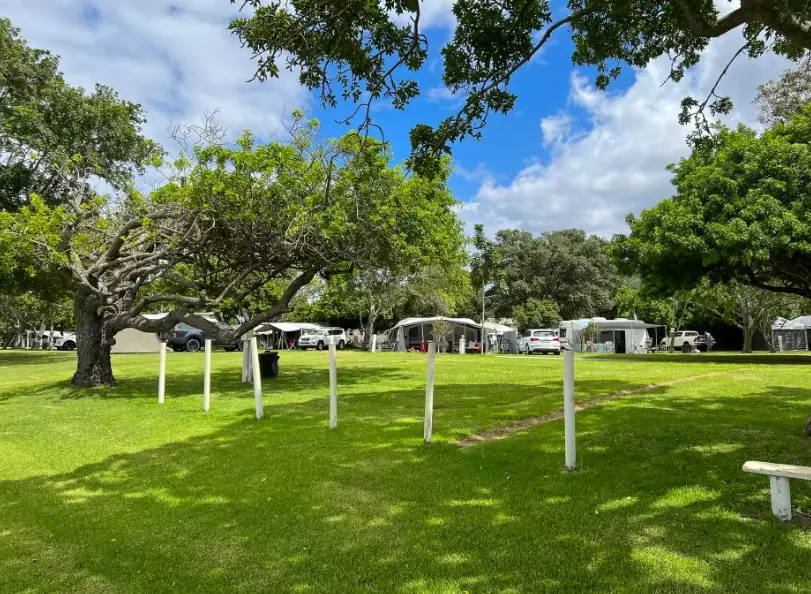
Pro Tips and Safety for a Seamless Trip
Beyond gear and location, these nuanced tips separate the savvy camper from the struggling one.
Leave No Trace, For Real: This is the hottest topic in outdoor ethics for a reason. It's not just about trash. Camp on durable surfaces, respect wildlife distance (use those binoculars!), pack out all waste (including toilet paper in many high-alpine areas), and keep noise down. Our collective access depends on our behavior.
Weather is the Boss: Check forecasts obsessively in the days leading up. But understand mountain and coastal microclimates can change instantly. That rain shell stays in your daypack, always. I got caught in a sudden hail storm above treeline once—that lesson was cold and painful.
Food Storage is Safety: In many scenic areas, it's not just bears. Raccoons, mice, and ravens are brilliant thieves. A hard-sided cooler locked in your car trunk (not the cabin) or a designated bear locker is mandatory. A raven once stole an entire package of bagels from an unattended picnic table in five seconds flat. True story.
Digital Detox (Mostly): Use your phone for photos and GPS, but put it on airplane mode. Download maps, guides, and campground info offline beforehand. The mental space you gain is part of the sightseeing reward.