Your Quick Guide to Wildlife Camping
- Why Bother with Wildlife Camping Anyway?
- The Pre-Trip Grind: Planning is Everything
- You're There: The On-The-Ground Reality
- The Ethical Backbone: Leave No Trace for Wildlife
- Top Wildlife Camping Destinations to Fuel Your Dreams
- Wildlife Camping Questions You're Too Embarrassed to Ask (Answered)
- Wrapping It Up: The Takeaway
Let's be honest. The idea of wildlife camping sounds incredible in theory. You see those pictures online – waking up to a deer outside your tent, falling asleep to the howl of a distant wolf. It feels like the purest form of adventure. But then the practical thoughts creep in. What if a bear shows up? Is it even ethical to be there? How do you not end up as a meme for doing something stupid in a national park?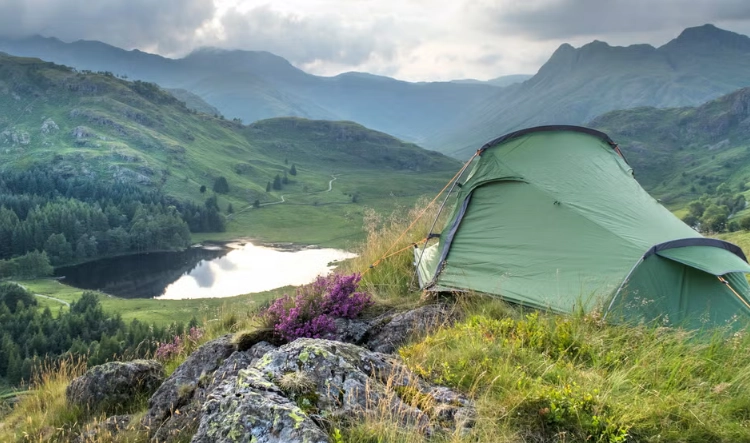
I've been there. My first serious wildlife camping trip was a mix of awe and sheer panic. I spent half the night convinced every rustle was a predator. It was a learning curve, to say the least. But after years of doing it – from the backcountry of Wyoming to the quieter woods of Maine – I've figured out what works, what doesn't, and how to do it right. This isn't about scaring you off. It's about giving you the real, no-BS information so your trip is memorable for all the right reasons. Wildlife camping, when done with respect and preparation, is an experience that sticks with you forever.
Why Bother with Wildlife Camping Anyway?
You could just go to a regular campground with picnic tables and bathrooms. So why choose wildlife camping? It's not just about bragging rights. The draw is immersion. It's the profound quiet you only get miles away from a road. It's observing animals going about their lives, not as attractions in a zoo, but as neighbors in their home. You become a temporary part of the ecosystem, not just an observer looking in. That connection is what pulls people back, time and again. It resets your perspective in a way a beach vacation never could.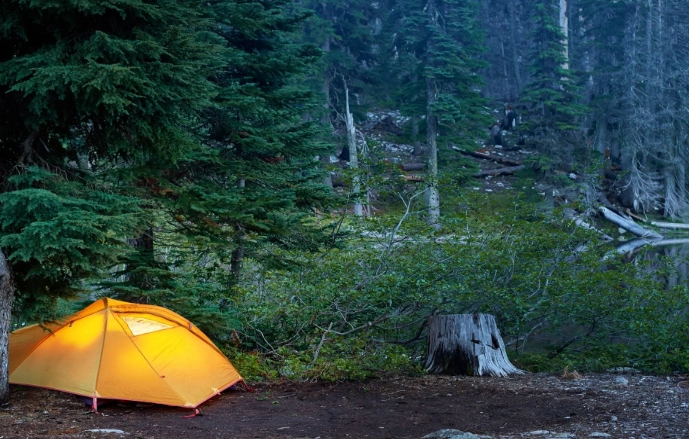
The Pre-Trip Grind: Planning is Everything
This is where most people screw up. They buy a fancy tent and think they're ready. Wildlife camping starts long before you pack the car.
Picking Your Spot (It's Not Just About the View)
Choosing where to go for your wildlife camping adventure is the first major decision. Do you want grizzlies or black bears? Open tundra or dense forest? The landscape dictates the rules.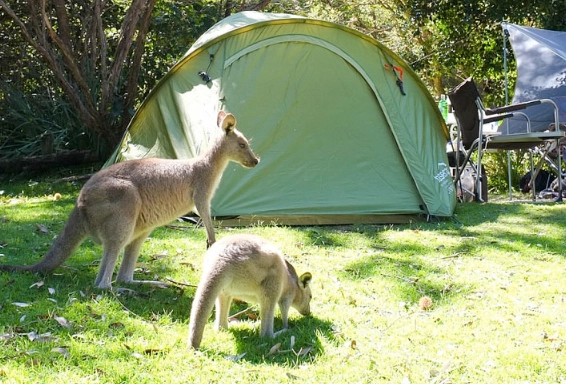
My personal rule? I always start with the managing agency's website. For U.S. National Parks, that's the National Park Service (NPS). For National Forests, it's the US Forest Service. These sites have the most current, location-specific regulations on food storage, permits, fire bans, and area closures. A park's page will tell you if bear canisters are mandatory or if there's a recent bear activity warning. Ignoring this step is like driving blindfolded.
Here’s a quick breakdown of common wildlife camping venue types:
| Type of Area | Typical Wildlife Camping Experience | Responsibility Level | Best For |
|---|---|---|---|
| Designated Backcountry Sites (National Parks) | High chance of wildlife encounters; strict rules (e.g., bear poles provided). Often requires a permit. | High – you must follow strict protocols. | Beginners to intermediate campers who want structure and known-safe spots. |
| Dispersed Camping (National Forests/BLM Land) | More solitude; you choose your spot. Rules are still critical but sites are less managed. | Very High – you are solely responsible for your impact and safety. | Experienced campers comfortable with navigation and minimal oversight. |
| Wildlife Management Areas & Refuges | Focused on animal observation; camping may be limited or have special rules to minimize disturbance. | Extreme – your presence must be nearly invisible. | Wildlife photographers and highly ethical, low-impact campers. |
| Private Land Conservancies | Curated, often guided experiences. High chance of seeing specific species. | Managed – guides provide direction, but ethics are paramount. | Those wanting an educational focus and are willing to pay for access and guidance. |
Gear: Beyond the Basics
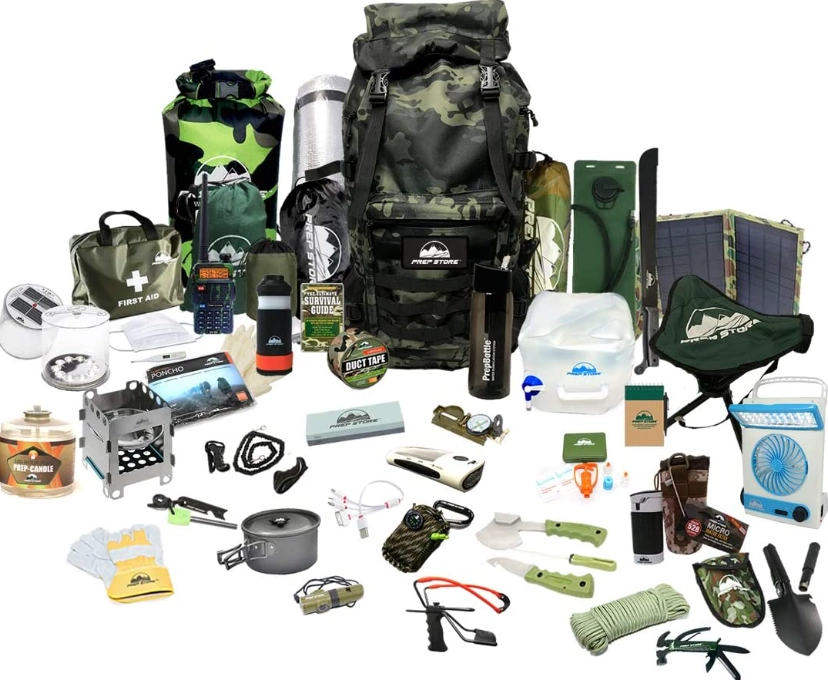
Your gear list for wildlife camping is different. It's not just about comfort; it's about safety and minimizing your scent and impact.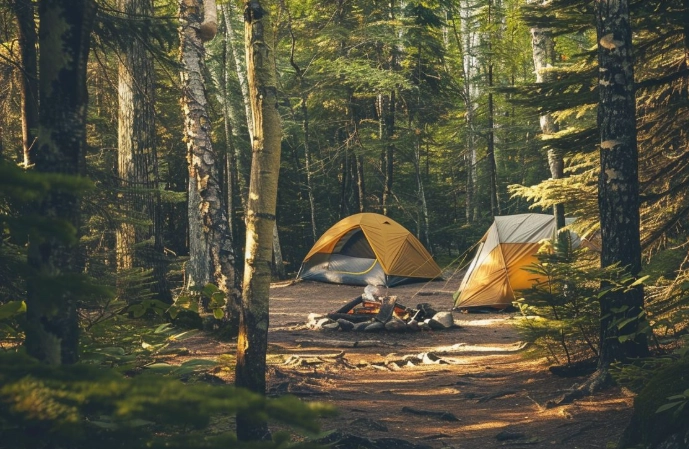
The Non-Negotiables:
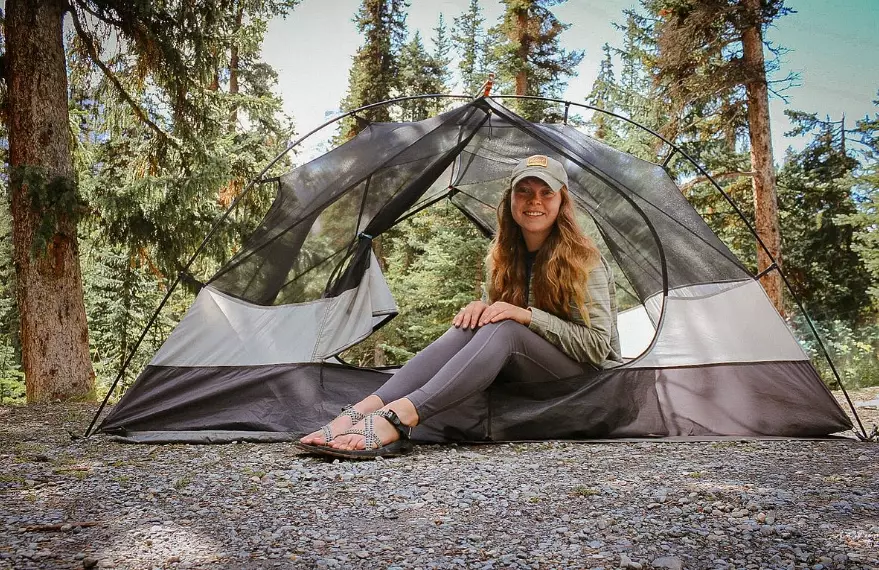
- A Sturdy Tent: With a full rainfly and robust zippers. Mesh is fine, but no food ever goes inside. Ever.
- Bear-Resistant Food Storage: This is the hill to die on. In many areas, this means a hard-sided bear canister (like a BearVault or Garcia). In others, bear-proof lockers or provided poles. Hanging a bag is an art form and often fails. I switched to a canister years ago and never looked back – it's foolproof and you can use it as a stool.
- Water Filtration: A reliable pump or gravity filter. Animals congregate at water sources; you don't want to be competing with them or getting sick from bacteria they leave behind.
- First-Aid Kit: One that's actually equipped for remote use, including supplies for cuts, sprains, and allergic reactions. Know how to use it.
- Navigation: A physical map and compass, and the skills to use them. Electronics fail. I learned this the hard way on a foggy ridge.
- Headlamp with Red Light: White light scatters and can disturb wildlife (and ruin your night vision). Red light is less intrusive.
Permits and Regulations – The Boring (But Critical) Stuff
This is the least sexy part of planning, but it protects the place you want to visit. Many popular wildlife camping areas have permit systems to limit traffic. Apply early. They're not just a fee; they're a tool for conservation. They also often come with a mandatory briefing on current wildlife activity and rules. Pay attention. The ranger isn't trying to bore you; they're trying to keep you and the animals safe.
You're There: The On-The-Ground Reality
Okay, you've arrived. The trailhead is behind you. Now what does wildlife camping actually look and feel like minute by minute?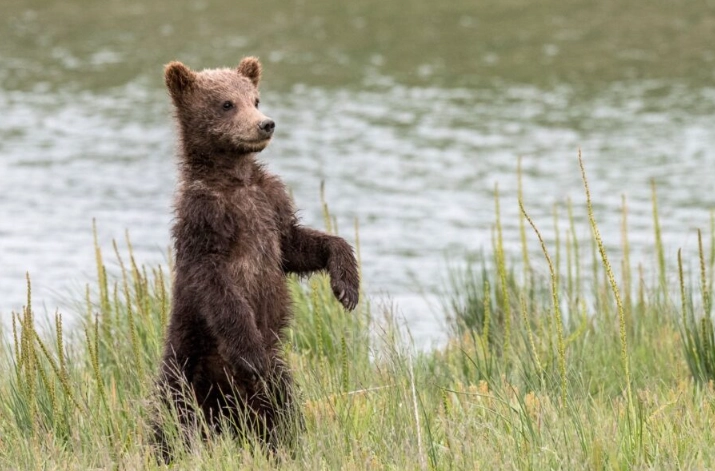
Setting Up Camp: Your Temporary Home
Site selection is your first active test. Most agencies recommend the "triangle" or "100-yard rule." Your tent, your cooking/eating area, and your food storage should form three points of a triangle, each at least 100 yards apart. This creates clear zones. The sleeping zone is scent-free. The cooking zone is where smells are concentrated and cleaned. The storage zone is where all smellables are locked away.
Cook dinner well before dark, far from your tent. Clean every pot, spoon, and your hands thoroughly. Change out of the clothes you cooked in if you can – stuff them with your food. I use a separate set of sleeping clothes that never see food. It feels fussy, but it works.
Here’s a quick camp setup checklist I run through:
| Task | Why It Matters | Quick Check |
|---|---|---|
| Pitch Tent | Establish scent-free sleep zone. | No food, toiletries, or trash inside. Ever. |
| Establish Kitchen Area | Concentrate food smells away from sleep. | Downwind of tent, at least 100 yards. |
| Store Food & Smellables | Prevent animal attraction and habituation. | In bear canister/locker, 100 yards from tent/kitchen. |
| Hang Waste Bag/Set Up Cathole | Proper human waste disposal is critical. | Small trowel ready, know the local regs (pack it out vs. bury). |
| Scan for Hazards | Avoid dead branches, insect nests, animal trails. | Look up, down, and around your site. |
The Wildlife Encounter Playbook
You will see animals. That's the point. Most encounters are peaceful glimpses. But you need a plan.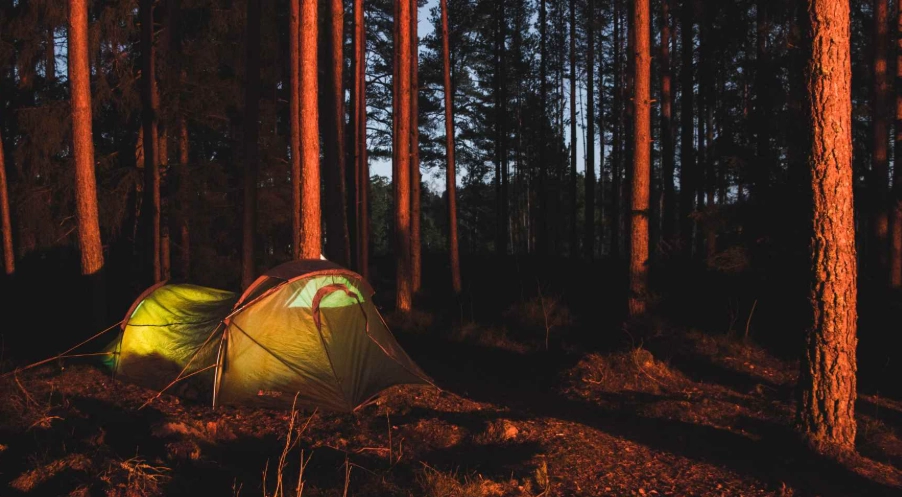
General Rule: Observe from a distance. Use binoculars or a long lens. If your presence changes the animal's behavior (it stops eating, stares at you, moves away), you're too close. The National Park Service recommends the "rule of thumb": extend your arm, give a thumbs up, and if you can cover the entire animal with your thumb, you're probably a safe distance away.
Large Herbivores (Moose, Elk, Bison): These are often more dangerous than predators. They are big, fast, and unpredictable. Give them a wide berth. A moose can charge with little warning, especially a cow with a calf. I once had to give a bull elk nearly a quarter-mile of space before he decided I wasn't a threat and went back to grazing.
Bears: The big fear. Knowledge is your best defense. Know if you're in black bear or grizzly country (ask at the ranger station!). The strategies differ slightly.
- Black Bears: If one approaches, stand your ground, group together, look big, shout. Usually, they'll run. If attacked (rare), fight back with everything.
- Grizzly Bears: Avoid surprise by making noise. If you see one at a distance, back away slowly. If it approaches, speak calmly. If it charges or makes contact, play dead. Lie on your stomach, hands clasped behind your neck, legs spread. Only fight back if the attack persists.
Carry bear spray and know how to use it. It's not perfume; practice the quick-draw. It's more effective than a gun for most people. The NPS bear safety page is the gold standard for current info.
Smaller Critters (Raccoons, Mice, Marmots): These are the real thieves. They will find any crumb. They'll chew through your pack for a single energy bar wrapper. This is why your food storage discipline has to be absolute. A mouse in your tent is a nightmare.
The Ethical Backbone: Leave No Trace for Wildlife
This is the most important chapter. Wildlife camping isn't sustainable if we love these places to death. Leave No Trace (LNT) principles are your bible, but with a wildlife-specific lens.
Principle 1: Plan Ahead and Prepare. We covered this. It prevents last-minute, poor decisions that impact animals.
Principle 2: Travel and Camp on Durable Surfaces. Stick to established trails and campsites. Creating new ones fragments habitat and causes erosion.
Principle 3: Dispose of Waste Properly. This includes food scraps (pack them out!), wastewater (strain food bits and scatter water 200+ feet from water sources), and human waste. For poop, dig a cathole 6-8 inches deep, at least 200 feet from water, camp, and trails. Pack out your toilet paper in a baggie. In some fragile alpine or desert areas, you may need to pack out everything.
Principle 4: Leave What You Find. Don't pick flowers, take antlers, or stack rocks. Animals use these things.
Feeding a deer might feel magical, but you're signing its death warrant.
Principle 6: Respect Wildlife. The core of wildlife camping. Observe, don't interact. Never feed an animal, not even a chipmunk. Feeding teaches them to associate people with food, which leads to aggression, euthanasia, or poor health. Store your food perfectly. Control your pets (they're often not allowed in backcountry areas for good reason).
Principle 7: Be Considerate of Other Visitors. Keep noise down. Let the natural sounds dominate. Yield to others on the trail.
Top Wildlife Camping Destinations to Fuel Your Dreams
Ready to plan? Here are a few iconic spots that do wildlife camping right, with the understanding that with popularity comes greater responsibility.
Yellowstone National Park (Wyoming/Montana): The classic. Wildlife camping here means bison, elk, wolves, and grizzlies. The backcountry sites are highly managed and require permits. You must use bear boxes or poles. The wildlife viewing is unparalleled, but you must follow the rules to the letter. It's busy, but the wilderness is vast.
Denali National Park (Alaska): For the serious adventurer. Much of the park is trail-less, true wilderness camping with a permit system designed for low density. You might see caribou, moose, Dall sheep, and grizzlies. This is expert-level wildlife camping where self-reliance and navigation skills are non-negotiable.
The Boundary Waters Canoe Area Wilderness (Minnesota): A different flavor. Wildlife camping here is often accessed by canoe. You'll hear loons, see moose at the water's edge, and maybe a black bear. The focus is on water travel and portaging, with established campsites on lakeshores.
Great Smoky Mountains National Park (Tennessee/North Carolina): Fantastic for black bear country immersion. The park has a dense black bear population and very strict food storage rules (required cable systems at many sites). The lush, green forests offer a different, more intimate feel than the western parks.
Beyond the US: Consider places like Banff or Jasper in the Canadian Rockies, or even responsibly managed private conservancies in Africa where wildlife camping is often done in designated, guide-supported areas. The principles remain the same: research, respect, and low impact.
Wildlife Camping Questions You're Too Embarrassed to Ask (Answered)
What do I do if I have to pee in the middle of the night?
You go, but be smart. Step well away from your tent (like 100+ feet if you can), do your business, and come back. It's safer than trying to hold it and having an accident in your scent-free zone. Carry your bear spray with you if you're in dense bear country. A quick headlamp scan around before you step out is a good habit.
Is wildlife camping safe with kids?
It can be, with immense preparation and adjusted expectations. Start with short trips in lower-risk areas (like established backcountry sites in black bear country without grizzlies). Teach kids the rules as gospel: no running, no eating outside the kitchen area, stay close. Their excitement needs to be channeled into quiet observation. It's a powerful way to teach respect for nature.
How do I protect my food from rodents and raccoons?
The same way you protect it from bears: in a hard-sided, lockable container. A bear canister works perfectly. A ratchet-lid plastic bin works for car camping. Never leave food unattended, even for five minutes while you go filter water. I've seen a squirrel raid an open pack in under 30 seconds.
What's the best season for wildlife camping?
Spring and fall are often prime. Animals are more active (spring foraging/breeding, fall preparing for winter). Summers can be hot, with animals resting during the day, and more crowded. Winters are for experts with specialized gear. Late spring can bring bugs; early fall has cooler temps and stunning colors.
I'm scared. Should I just not go?
Fear is rational. The wilderness has risks. But controlled fear, met with knowledge and preparation, is what keeps you safe. Start small. Go with an experienced friend. Take a course. The goal isn't to eliminate fear, but to manage it with competence. That's where the real confidence and joy come from.
Wrapping It Up: The Takeaway
Wildlife camping isn't a checklist activity. It's a practice. It requires humility, preparation, and a willingness to put the well-being of the ecosystem above your own convenience. The payoff is an authentic connection to the natural world that's becoming increasingly rare.
You won't get it perfect the first time. I certainly didn't. But if you go in with the right mindset – guest, not owner; observer, not participant – you'll be on the right path. You'll come home with stories not of terror, but of wonder: the owl that called at dusk, the fresh tracks by the stream in the morning, the profound silence that settles in after the sun goes down.
That's the real magic of wildlife camping. It gives you a glimpse of the world as it was, and with our care, as it can remain.
Now get out there, plan meticulously, tread lightly, and soak it all in.