Quick Guide
Let's be honest. You've probably seen those picture-perfect Instagram posts of tents perched on a cliff overlooking the Pacific, or cozy setups deep in a mossy rainforest, and thought, "I need to do that." Washington State is basically a tent camper's playground, but between the dream and the reality lies a whole lot of planning, potential rain, and the crucial question: where do you even start?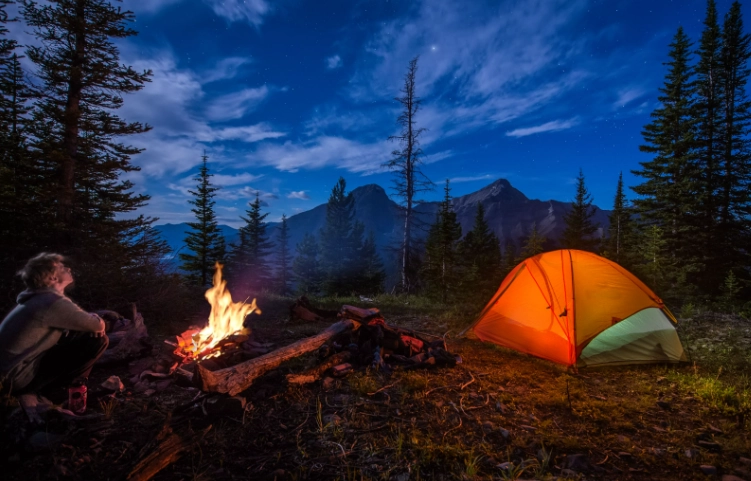
I've spent more nights in a tent here than I can count, from soggy weekends on the coast where everything felt damp to crystal-clear nights in the high desert under a blanket of stars so thick it felt fake. The magic is real, but so is the mud. This guide isn't about selling you a fantasy. It's about giving you the straight talk you need to actually pull off an incredible tent camping trip in Washington, whether you're a first-timer staring at a pile of gear or a seasoned pro looking for that next epic spot.
Why Washington State is a Tent Camping Powerhouse (It's Not Just Rain)
People hear "Washington" and immediately think Seattle drizzle. But the state's geography is wildly diverse, and that's the secret sauce for tent camping in Washington State. You can literally wake up in a rainforest, hike through alpine meadows by lunch, and pitch your tent in a desert canyon by evening. The variety is staggering.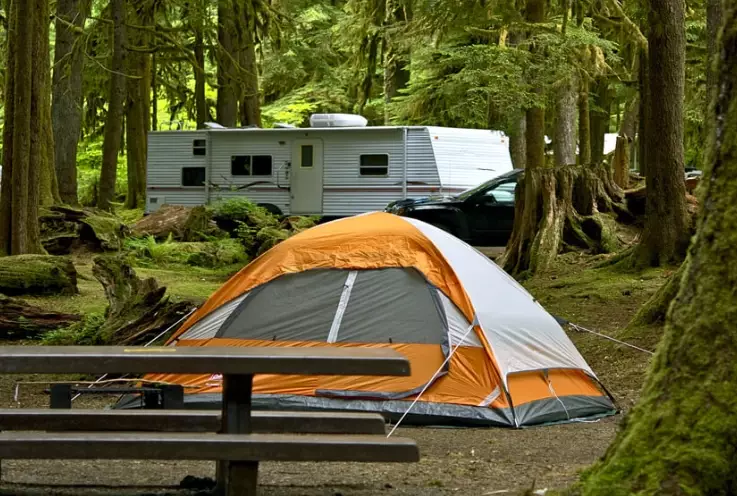
The Big Three Camping Regions
To wrap your head around it, think of Washington in three major camping personalities:
- The West Side (Olympic Peninsula & Western Cascades): This is the iconic, lush, green Washington. Think towering firs, ferns, and yes, more precipitation. The air smells like earth and salt. Camping here is about ancient forests and rocky coastlines. The Hoh, Quinault, the coastline around Kalaloch—this is the postcard stuff. But pack a serious rain fly.
- The Cascade Mountains (Central & Northern Cascades): This is the alpine heart. High mountain lakes, jagged peaks, and wildflower meadows in July and August. Areas around Mount Rainier National Park and North Cascades National Park offer some of the most dramatic scenery on the continent. The season is shorter, and the bugs in early summer can be biblical, but the views are worth it.
- Eastern Washington: A complete 180. Here you find dry, sunny pine forests, dramatic coulees, and the warm waters of lakes like Chelan and Roosevelt. It feels more like the American Southwest. The stars are brighter, the air is drier, and you can often camp well into October without a sub-zero sleeping bag.
This diversity means your tent camping in Washington State adventure can be tailored to exactly what you want. Want solitude and stark beauty? Head east. Crave that deep, primal forest feeling? The peninsula is calling. It's all on the table.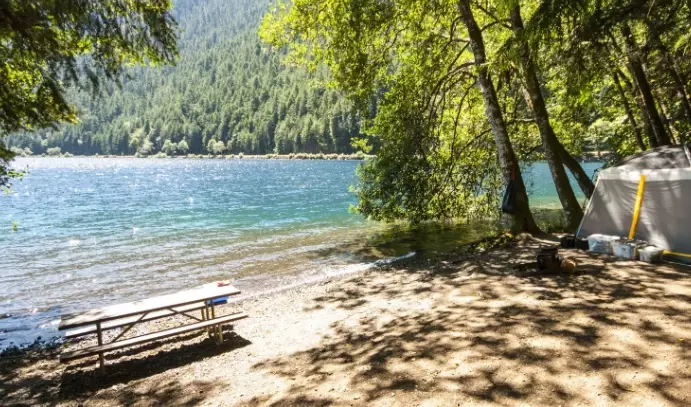
Before You Go: The Non-Negotiable Prep Work
Okay, you're excited. But hold on. The difference between a great trip and a story you tell about suffering often comes down to what you do before you leave home. Washington's public lands are managed by different agencies, and they don't all play by the same rules.
The Permit Puzzle: Don't Get Turned Away
This is the single biggest headache and the most common mistake. Nothing ruins a trip faster than a 5-hour drive followed by a "Permits Required" sign.
- National Parks (Rainier, Olympic, North Cascades): For frontcountry campgrounds, you usually just pay the nightly fee at the campground or Recreation.gov. But for any backcountry tent camping (which is the real magic), you absolutely need a wilderness permit. These are often quota-based and can sell out months in advance for popular areas like the Enchantments or Coast. Check each park's official NPS website for the exact system.
- National Forests (Mt. Baker-Snoqualmie, Gifford Pinchot, Okanogan-Wenatchee, etc.): Generally more relaxed for established campgrounds. Many are first-come, first-served, which is a gamble on summer weekends. For dispersed camping (pitching your tent outside a designated site), you usually just need a Northwest Forest Pass displayed in your car. But some high-traffic areas now require specific self-issue permits even for dispersed sites. Always check the specific ranger district website.
- Washington State Parks: Easy. Book online through the state's reservation system. They are well-maintained, often have amenities like showers, and book up very fast for summer dates.
- Department of Natural Resources (DNR) & Bureau of Land Management (BLM) Land: Often the wild west (in a good way). Lots of free, dispersed opportunities. A Discover Pass is required for parking on DNR and state land. Rules vary, so a call to the local office isn't a bad idea.
Gear: Battling the Elements
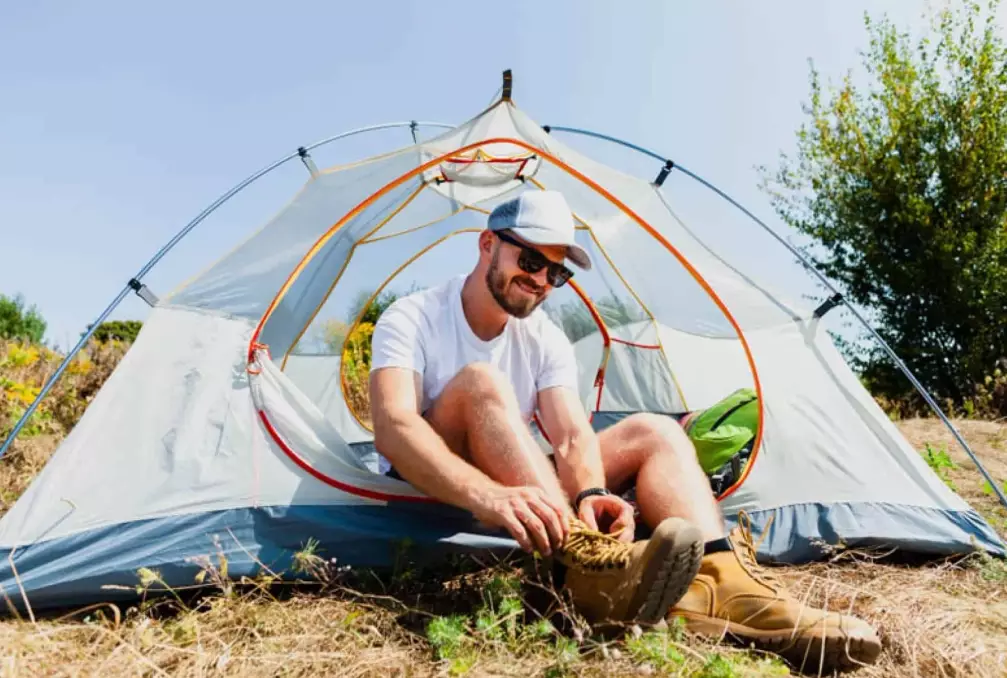
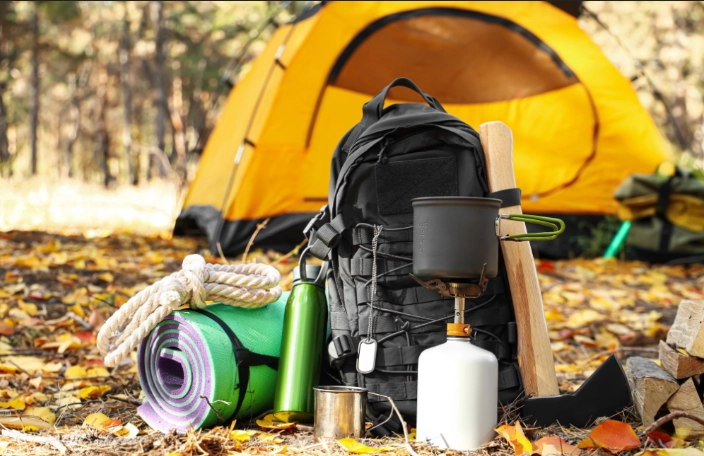
You don't need a $2000 ultralight setup, but you do need the right basics. Tent camping in Washington State demands respect for the weather, which can change faster than you can say "hypothermia."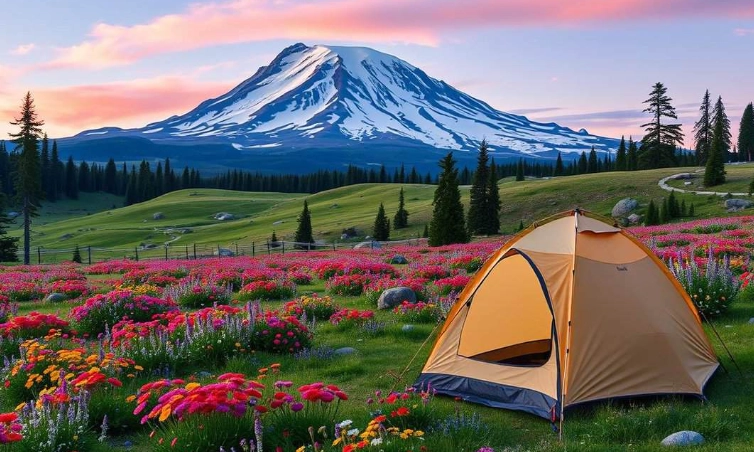
| Category | Essential Item | Washington-Specific Reason | My Personal Take/Recommendation |
|---|---|---|---|
| Shelter | A high-quality, FULL-COVERAGE rain fly | Drizzle can turn to a downpour sideways. A "vestibule" is worth its weight in gold for keeping wet gear out of your sleeping area. | Skip the cheap discount store tent. A 3-season tent from a reputable brand is the minimum. I learned this the hard way with a leaky seam on the Olympic coast. |
| Sleep System | Sleeping bag rated 10-20°F COLDER than the forecast | Night temps in the mountains can plummet, even in August. A 30°F bag is a summer-only luxury. | I swear by a synthetic bag for the west side—it retains warmth even if damp. Down is great for the dry east if you can keep it dry. |
| Sleep System | Sleeping pad with a good R-value (insulation) | The ground is a heat sink. A thin foam pad will leave you shivering. | An inflatable pad with an R-value of 4 or higher is a game-changer for comfort and warmth. |
| Clothing | Non-cotton everything (wool, synthetic, fleece) | Cotton kills. It gets wet and stays wet, sucking heat from your body. This is not a fashion show. | Pack a dedicated set of dry, warm clothes (fleece pants, wool top) that live in a waterproof bag just for sleeping. |
| Footwear | Waterproof hiking boots & camp shoes | Trails are often muddy or wet. Dry feet are happy feet. Camp shoes (Crocs, sandals) let your feet breathe at camp. | Break your boots in BEFORE the trip. Blisters are a mood-killer. |
| Miscellaneous | Headlamp, bear canister (where required), waterproof bags | It gets dark in the woods. Bears are real (especially on the peninsula and in the Cascades). Your phone/keys need to stay dry. | A bear canister is annoying to carry but mandatory in many alpine zones. It's for the bears' safety as much as yours. |
See, it's not about having the most gear, it's about having the right gear. A cheap cooler and a Walmart tent might work for a backyard, but they'll make you miserable in a coastal storm.
Where to Pitch Your Tent: Top Spots Across the State
Alright, with the boring (but vital) stuff out of the way, let's talk about the fun part: where to go. This isn't an exhaustive list, but these are spots that consistently deliver that "wow" factor for tent camping in Washington State.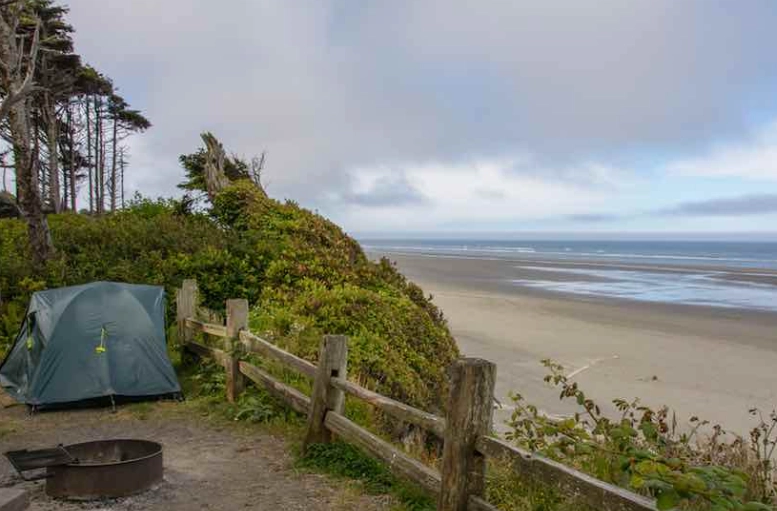
| Campground / Area | Region | Vibe & Environment | Best For | Need to Know & Booking |
|---|---|---|---|---|
| Kalaloch & South Beach (Olympic NP) | Olympic Coast | Oceanfront bluff camping. The sound of waves, sea stacks, epic sunsets. Beach 4 and Ruby Beach are nearby. | Coastal immersion, storm watching (in fall/winter), easy access. | Kalaloch is reservable (book EARLY). South Beach is first-come, first-served. Both on Recreation.gov. Wind can be fierce—stake your tent well. |
| Ohanapecosh (Mt. Rainier NP) | Southern Cascades | Old-growth forest along a roaring river. Lush, green, and feels ancient. Great base for hiking. | Forest bathing, family trips, access to Sunrise and Paradise areas of Rainier. | Reservations highly recommended. The campground is large but feels secluded. Mosquitoes in early summer. |
| Colonial Creek (North Cascades NP) | Northern Cascades | On the shores of turquoise Diablo Lake. Surrounded by jagged, snow-capped peaks. Simply stunning. | Photographers, kayakers, hikers seeking dramatic alpine scenery. | Part reservable, part first-come. The lakeside sites are the prize. Water is freezing cold, even in August. |
| Sun Lakes-Dry Falls State Park | Eastern Washington | Otherworldly coulee landscape. Dry, sunny, with warm lakes perfect for swimming after a hike. | Swimming, sun, geology buffs, escaping the west side clouds. | Reserve through state park system. Can get very hot in peak summer—aim for a lakeside site. |
| Dispersed sites along Mountain Loop Highway | Mt. Baker-Snoqualmie NF | True dirt-road, find-your-own-spot camping along rivers and creeks. More solitude. | Adventurers, people with capable vehicles, those wanting peace and quiet. | Free, but need a Northwest Forest Pass. No amenities (no water, no toilet). Practice Leave No Trace religiously. Road can be rough. |
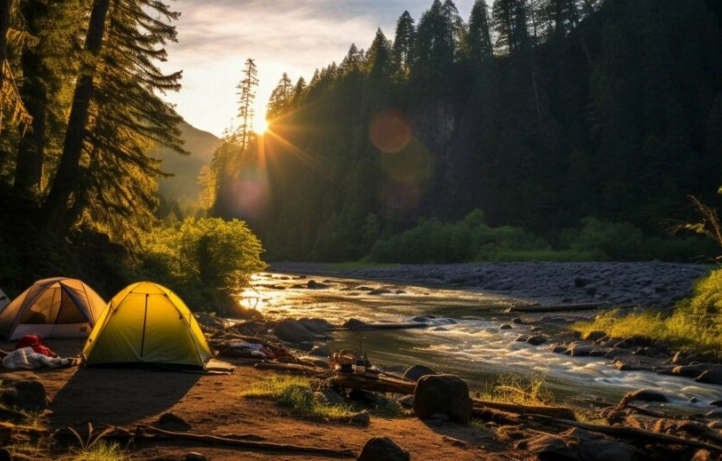
My personal favorite for a quick escape? The dispersed spots off the Mountain Loop. You have to work a little harder, but the reward is your own private slice of riverfront. My least favorite? Any mega-campground near a popular lake on the 4th of July. It's just too much.
Leveling Up Your Washington Camping Skills
You've got the permit, the gear, and the spot. Now let's make sure you thrive out there.
Embracing (Not Just Surviving) the Rain
It might rain. Probably will on the west side. This doesn't have to ruin your trip. It can actually make it more memorable.
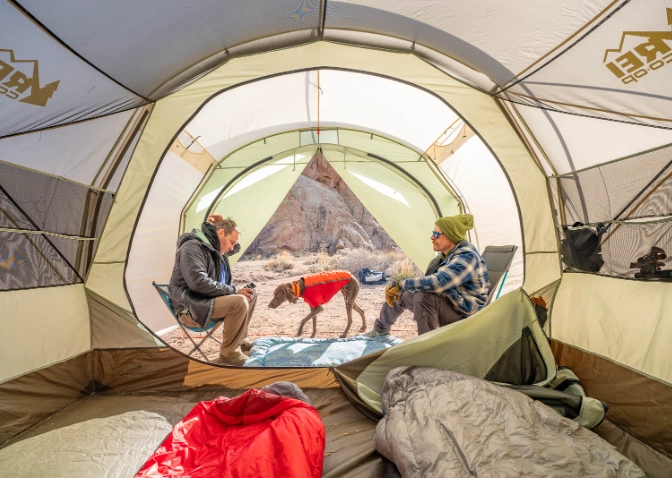
- Create a dry, comfy "living room" under a tarp or in your tent's vestibule. A compact camping chair is worth it.
- Pack activities that don't mind the weather: cards, a book, a journal.
- Cook under your shelter or a tarp. Have a plan for a hot meal even if it's pouring.
- Go for a walk anyway. A rainforest in the rain is its most authentic, vibrant self. Just wear good rain gear.
Food Storage: It's a Big Deal
This isn't just about raccoons. In much of Washington, especially the Olympics and Cascades, we have black bears, and they are smart, food-motivated, and have great noses.
Never, ever keep food, trash, or scented items (toothpaste, deodorant) in your tent. Ever.
Use the provided metal food lockers at campgrounds. In the backcountry, use a bear canister or know how to do a proper bear hang (which is very hard to do correctly in the dense forests here—most rangers will tell you a canister is safer). The National Park Service has excellent bear safety resources. Following these rules keeps you safe, keeps the bears wild, and prevents a bear from being euthanized because it became a problem.
Leave No Trace: More Than a Slogan
Washington's beauty is fragile. More people than ever are enjoying it, and we have to take care of it.
- Pack it in, pack it out. All trash. Including food scraps and biodegradable items like orange peels.
- Camp on durable surfaces. In established sites, stay within the footprint. For dispersed camping, use existing clearings when possible.
- Dispose of human waste properly. Use the outhouse if there is one. If not, dig a cathole 6-8 inches deep at least 200 feet from water, camps, and trails. Pack out your toilet paper in a zip-lock bag. It's not glamorous, but it's necessary.
- Be cool with fire. Check for current fire bans (common in late summer). Use existing fire rings. Keep fires small. Drown them until they're cold to the touch. Better yet, consider going without a fire—enjoy the stars and sounds instead.
Answers to the Questions You're Actually Asking
What's the absolute best time of year for tent camping in Washington State?
It depends on your tolerance and goals.
- West Side & Mountains: Late July through September. This is your golden window for the highest chance of dry, stable weather. Snow has melted from high passes, bugs are dying down, and days are long. June can be lovely but is often still wet and buggy.
- Eastern Washington: May-June and September-October. Summer can be scorching hot. The shoulder seasons are perfect—warm days, cool nights, fewer people.
I'm scared of bears. How real is the danger?
The danger of a negative encounter is very low if you're smart. Black bears are generally shy. The real risk is to your food and your trip if a bear gets it. Make noise on the trail (talk, sing), carry bear spray and know how to use it (more for peace of mind than anything), and store your food impeccably. I've seen dozens of bears from a distance. They've always run away. Respect them, don't fear them.
Can I just pull over and camp anywhere for free?
On most National Forest and BLM land, yes—this is "dispersed camping." But there are rules. You usually need to be a certain distance from developed recreation areas, water sources, and roads. You must have a pass (Northwest Forest Pass, Discover Pass) to park your car. And you must follow Leave No Trace. Don't just pull into a meadow and tear it up. Look for existing, established spots that show previous use.
Is tent camping in Washington State with kids doable?
Absolutely! Start with a state park campground. They have flush toilets, sometimes showers, and often nature programs. Keep the first trip short (one or two nights), close to home, and packed with fun activities (roasting marshmallows, short nature walks, exploring the beach). Let them help set up the tent. Lower your expectations about a perfect, quiet experience. It's about the adventure.
What about my dog?
Dogs are welcome in most National Forest and State Park campgrounds but must be leashed. They are NOT allowed on most trails in National Parks (with a few paved exceptions) and are prohibited from most backcountry areas. This is to protect wildlife. If your dog must come, stick to National Forests and check the specific rules. Always clean up after them.
Parting Thoughts
Tent camping in Washington State isn't a checkbox activity. It's a way to connect with a landscape that is raw, powerful, and breathtakingly diverse. It will challenge you with weather and logistics, but it will reward you with moments of pure, quiet awe that you just can't get from a hotel room.
Start simple. Book a site at a state park for a weekend. Get your gear dialed in. Then, as you get more confident, venture further—to that alpine lake you need a permit for, or that hidden coastline spot. The learning is part of the fun.
The most important piece of gear isn't in your backpack. It's your attitude. Be prepared to adapt, to get a little dirty, and to be humbled by the scale of the mountains and the persistence of the rain. When you embrace that, you'll discover why so many of us are utterly addicted to pitching a tent in this incredible corner of the world.
Now go check the permit website. That perfect site is waiting.