Quick Navigation
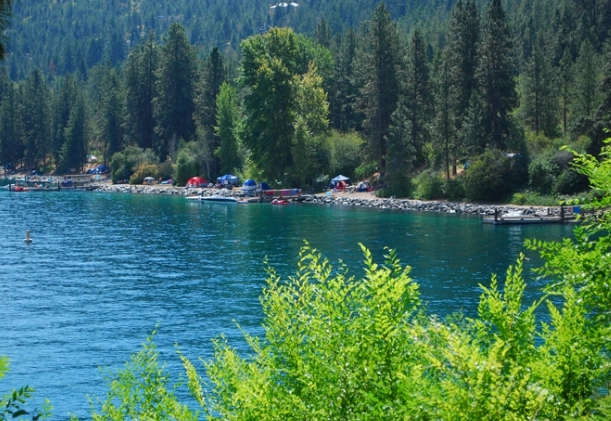
Let's be honest. There's something about waking up to the sound of water lapping against the shore that just resets your brain. It's better than any meditation app. I've tried camping in forests, deserts, and mountains, but I keep coming back to lake camping sites. They offer this perfect blend – water for play, scenery for the soul, and usually, some great fishing. But finding a good spot and planning the trip? That's where things can get messy if you're not prepared.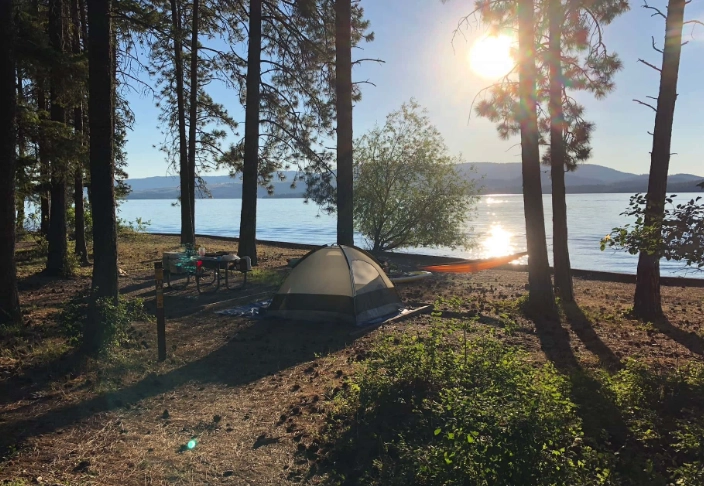
This isn't about just pitching a tent near water. It's about finding those special places, knowing what to bring (and what to leave behind), and making sure you're not that camper who annoys everyone else. We're going to dig into everything, from the hidden-gem lake camping sites you can find on public land to the full-amenity family campgrounds that make life easy.
Finding Your Perfect Lakefront Spot: It's Not Just About Google Maps
You type "best lake camping near me" and get a million results. How do you choose? The secret is knowing what you want before you search. Are you after total silence, or do you need a playground to keep the kids busy? The type of lake camping site you pick makes all the difference.
| Type of Lake Camping Site | Best For | What to Expect | Booking & Notes |
|---|---|---|---|
| National Park / Forest Campgrounds | Scenery, maintained facilities, ranger programs. | Designated sites, often with fire rings, picnic tables, potable water, and vault toilets. Stunning locations. | Book far in advance on Recreation.gov. Competitive. |
| State Park Campgrounds | Families, accessibility, a mix of nature and convenience. | Well-organized, often with shower houses, electric hookups, boat ramps, and swimming beaches. | Book through state park websites. Great middle-ground option. |
| Dispersed / Primitive Camping (USFS/BLM Land) | Solitude, adventure, cost (often free). | No facilities. You find your own spot following land agency rules. True back-to-nature experience. | First-come, first-served. Check rules with the local U.S. Forest Service or Bureau of Land Management office. |
| Private Campgrounds & RV Parks | Full amenities, social atmosphere, predictability. | Everything from Wi-Fi and pools to camp stores and planned activities. Can feel crowded. | Book directly. Read recent reviews carefully. |
My personal bias? I lean towards state parks and dispersed camping. National park lake camping sites are gorgeous, but the competition is insane – you're battling everyone else who saw the same Instagram photo. Private parks can be great for a first trip or with a big group, but sometimes they pack sites in so tight you can hear your neighbor snore. Not exactly the peaceful lake vibe I'm after.
The real hack? Look at a map, find the lake you like, then see who manages the land around it.
Essential Gear: Beyond the Basic Tent
Packing for a regular camping trip is one thing. Packing for a lake camping site adds a whole other layer. Water changes everything – the temperature, the bugs, your activities. Here’s a breakdown of what you really need, separating the "must-haves" from the "nice-to-haves."
The Non-Negotiables:
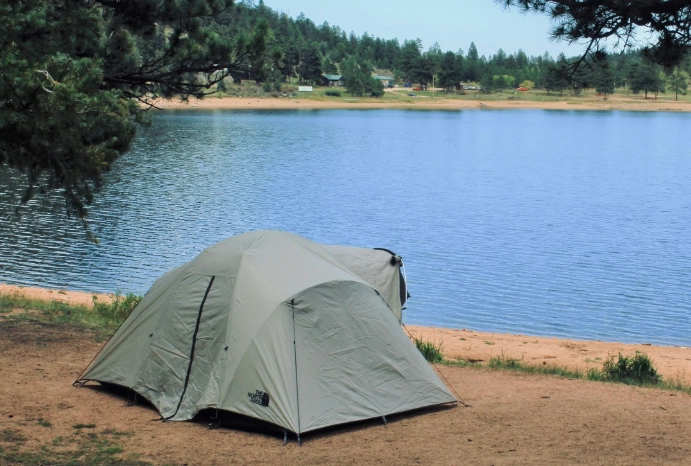
- Shelter & Sleep System: A solid tent with a FULL rainfly and a ground tarp. Moisture rises off the lake at night, so your tent's waterproofing gets tested. A sleeping bag rated 10 degrees lower than the expected low temp is smart. Lake air feels colder.
- Water Management: This is huge. Even if the campground has water, bring a backup. I carry a 6-gallon portable jug and a filtration system like a Sawyer Squeeze or Katadyn pump. Lakes are for looking and swimming, not always for drinking without treatment.
- Bug & Sun Defense: A lake is a bug nursery. Permethrin-treated clothes, a solid DEET or picaridin spray, and a screened shelter (like a pop-up canopy with nets) are sanity-savers. Sunscreen and a wide-brimmed hat are just as critical – water reflects UV rays.
- Proper Footwear: Don't just bring hiking boots. Pack water shoes or old sneakers. Lake shores are rocky, muddy, or squishy. You'll want them for wading, launching a kayak, or just walking to the swim area.
The Game-Changers (Seriously, Consider These):
- A Comfortable Camp Chair: You will sit and stare at that water for hours. A cheap low-slung chair is miserable. Invest in one with good back support and a cup holder. Thank me later.
- Dry Bags and Waterproof Boxes: For your phone, keys, wallet, and camera. A damp wallet ruins a trip fast. I use a small dry bag as my everyday carry by the water.
- A Rug or Outdoor Mat: Sand and dirt get everywhere. A cheap outdoor rug in front of your tent door cuts down on the mess inside dramatically.
- Light Source Variety: A headlamp for tasks, a lantern for ambient light at the picnic table, and some fun string lights or a solar-powered Luci light. It makes the evening so much more enjoyable.
Safety and Etiquette: Being a Good Lakeside Neighbor
This is where experience shows. A good camper leaves no trace and respects both nature and other people.
Water Safety is No Joke
Lakes can be deceptive. They look calm, but cold water, sudden drop-offs, and unseen currents are real dangers.
- Always wear a life jacket when in a boat, kayak, or paddleboard. No exceptions, especially for kids.
- Swim only in designated areas if they exist. They're usually surveyed for hazards.
- Keep a close eye on children every second. It takes less than a minute for trouble to happen.
- Check for weather alerts. Storms can whip across a lake with frightening speed.
Wildlife Smarts
You're in their home. At most lake camping sites, the biggest concerns are raccoons and bears.
- Use the provided bear lockers or bear-proof canisters. If hanging food, do it properly, far from your tent. Don't sleep with food, snacks, or even toothpaste in your tent. It's an invitation.
- Store all trash and smelly items (sunscreen, bug spray, deodorant) with your food.
- Give wildlife space. Don't feed any animals, ever. A fed bear is a dead bear.
Campground Etiquette (The Unwritten Rules)
These are common sense, but you'd be surprised.
- Quiet Hours: Respect them. That means no loud music, loud talking, or generator use. Sound travels incredibly well over water.
- Light Pollution: Point lanterns and car headlights down, not into neighboring sites. Use red-light mode on headlamps after dark to preserve everyone's night vision.
- Clean Up: Leave your site cleaner than you found it. Pack out all trash if there's no service.
- Shared Resources: Don't hog the water spigot or picnic area. Be quick and efficient.
I once had a neighboring group play pop music on a Bluetooth speaker until 2 AM. It echoes across the water, and there's no escape. It completely sours the experience. Don't be that group.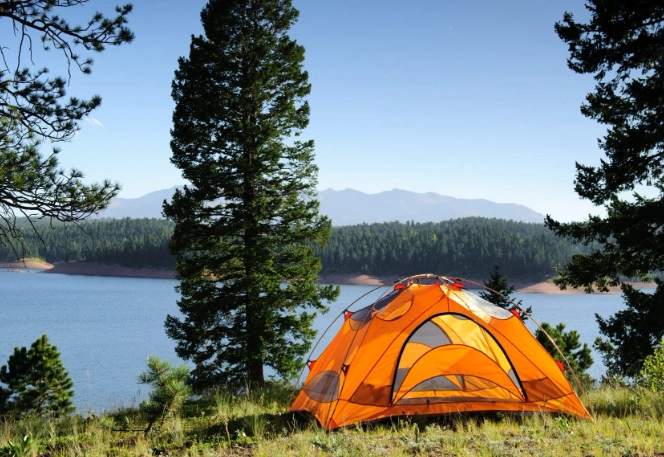
Making the Most of Your Trip: Beyond Just Sitting There
Okay, you're there, set up, and being respectful. Now for the fun part. What do you actually do at a lake camping site?
Activities to Elevate Your Stay
- Paddling: A kayak, canoe, or SUP opens up the whole lake. Explore coves, get a different perspective. Inflatable options are great for car campers.
- Fishing: Check local regulations and get a license. Even if you don't catch dinner, it's a peaceful way to spend the morning.
- Swimming: The obvious one. Find your spot, take a dip, float on an inflatable.
- Hiking: Many lake campgrounds have trails leading to viewpoints or connecting lakes.
- Stargazing: Away from city lights, the night sky over a lake is often spectacular. Bring a star chart app.
- Simply Unplugging: Read a book, sketch, whittle, play cards. The point is to slow down.
Frequently Asked Questions (The Stuff You Actually Wonder)
Let's tackle some specific questions that pop up when planning for lake campgrounds.
Usually, yes, but with strict rules. They must be leashed at all times (often a 6-foot max leash). You must clean up after them immediately. And critically, they are almost never allowed in swimming areas or on beaches designated for human use. Check the specific rules of your campground. Also, protect their paws from hot sand and keep them hydrated.
Many remote lake camping sites have little to no service. See it as a feature, not a bug. Download offline maps (Google Maps allows this), campground details, and entertainment ahead of time. Tell a reliable person your itinerary and when you plan to check in. Consider a satellite communicator (like a Garmin inReach) for true backcountry spots for emergency use.
Have a plan. A sturdy rainfly is your first defense. A pop-up canopy or tarp setup over your picnic table gives you a dry place to sit. Bring games, books, and a good attitude. Storms often pass quickly. If lightning is severe, avoid the water, open areas, and tall trees. Your car is a safe place to wait it out.
No. This is crucial. Fire restrictions are common, especially in the western U.S. during dry seasons. Always check current conditions with the land management agency (USFS, NPS, state park). Use established fire rings only, keep fires small, and never leave them unattended. Have water nearby to fully extinguish it—"drown, stir, feel" until it's cold to the touch.
Persistence. Refresh the booking website (like Recreation.gov) in the evenings and early mornings, especially 2-4 days before your desired date. People's plans change. Also, some campgrounds hold a small number of first-come, first-served sites. If you're flexible, showing up early on a Thursday can sometimes snag you a spot for the weekend.
Wrapping It Up: Your Lake Camping Mindset
Finding and enjoying great lake camping sites is part planning, part adaptability, and a whole lot of respecting the place. It's about trading convenience for connection – to the water, the woods, and a slower pace of life.
Start with a realistic goal. Maybe your first trip isn't to a remote, primitive site. Try a well-reviewed state park with amenities. Get your gear dialed in. Learn what you actually use.
Then, venture further.
The magic happens when you've done the work: you've packed the right gear, booked a good site, and know how to be safe. Then you can just... be. You can sip your coffee as the mist rises off the glassy water. You can watch the stars double as they reflect on the surface. That's the reward. That feeling is why we go through the hassle of booking and packing and driving. It's always worth it. Now go find your lake.