Quick Guide
Let's be honest. There's nothing quite like the feeling of crawling into a hot, stagnant tent after a long day of hiking. It feels less like a cozy retreat and more like a sauna you can't escape. I've been there, lying on my sleeping bag, staring at the ceiling, counting the seconds until a faint breeze might rustle the fabric. It's miserable. That's why choosing the right hot weather camping tent isn't just a gear decision—it's a decision that determines whether you get a good night's sleep or spend the night in a pool of your own sweat.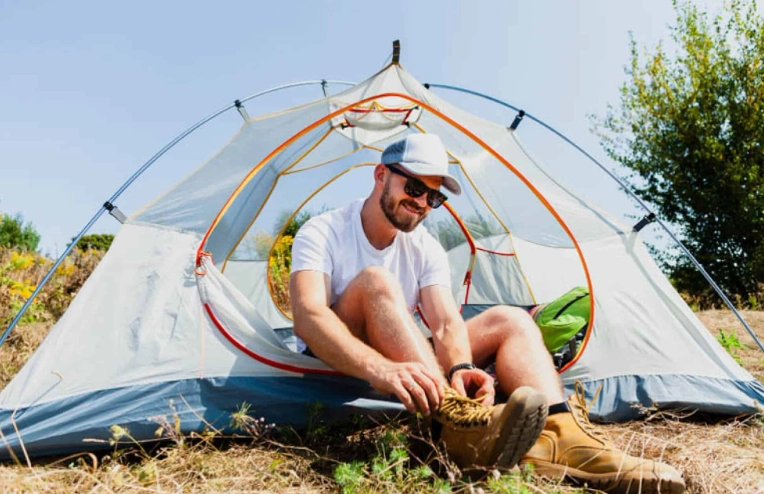
This whole idea of a specialized hot weather camping tent might seem like marketing hype. I was skeptical too. Isn't a tent just a tent? But after one too many sleepless, sticky nights, I started digging into the details. The difference between a standard three-season tent and one designed for heat is real. It comes down to a few clever design choices that work with physics, not against it.
The Core Idea: A good hot weather camping tent isn't about insulation; it's about creating a highly efficient system for moving air through the space while blocking the sun's radiant heat. Think of it as a personal shade structure with superb airflow.
Why Your Regular Tent Turns into an Oven
Before we talk solutions, let's understand the problem. On a sunny day, your tent faces a few major heat challenges.
First, there's solar gain. Dark-colored or even standard tent fabrics absorb sunlight and turn it into heat, which radiates inward. It's the greenhouse effect in miniature. Then there's lack of convection. Body heat and moisture from your breath have nowhere to go in a sealed-up tent. They just hang there, making the air thick and humid. Finally, poor site selection can doom even the best-designed tent. Placing it in full sun, on heat-reflecting rock, or in a dead-air hollow is a recipe for discomfort.
I learned this the hard way on a trip to Joshua Tree. My trusty old dome tent was a dark green. By 8 AM, it was so hot inside I could barely touch the poles. I had to get out. That experience sent me down the rabbit hole of finding a true hot weather camping tent.
The Anatomy of a Cool Camping Tent: What to Look For
So, what makes a tent worthy of the "hot weather" label? It's a combination of features working together.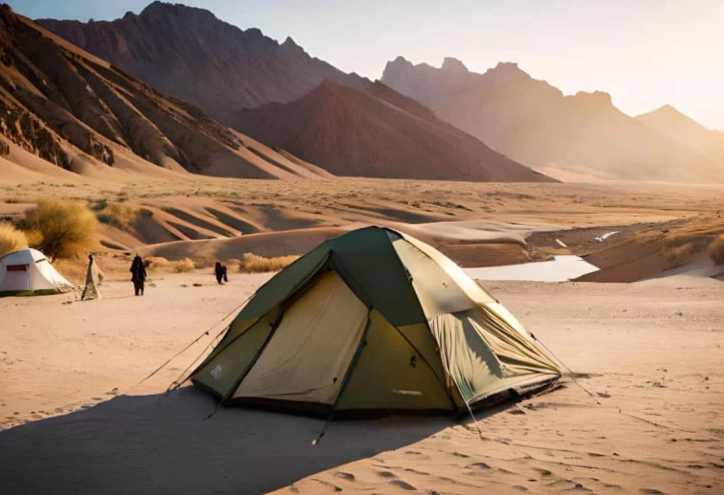
1. Ventilation, Ventilation, Ventilation
This is the single most important factor. Look for a tent with multiple, large mesh panels. We're talking mesh doors, mesh windows, and often a full mesh ceiling or upper sections. The goal is to create cross-ventilation—allowing a breeze to enter from one side and exit from the other, carrying heat and humidity with it.
Some advanced hot weather camping tents take this further with strategically placed vents. High vents near the peak let hot air escape (remember, heat rises), while low vents near the ground draw in cooler air. This creates a passive cooling chimney effect. I'm a big fan of tents that have a rainfly you can configure in multiple ways. Being able to roll up sections or use just a partial fly to expose more mesh is a game-changer for airflow.
2. Fabric and Color: Reflecting the Sun's Rays
This one seems obvious, but it's crucial. Light colors reflect sunlight; dark colors absorb it. A light grey, tan, or silver rainfly will be significantly cooler inside than a dark green or blue one. It's a simple fact. Some manufacturers are now using special coatings or lighter-denier fabrics that reflect more solar radiation. The Skin Cancer Foundation notes the importance of UPF-rated fabrics for sun protection, and the same principle applies here—blocking those rays before they become heat.
Here’s a quick breakdown of how common tent materials handle heat: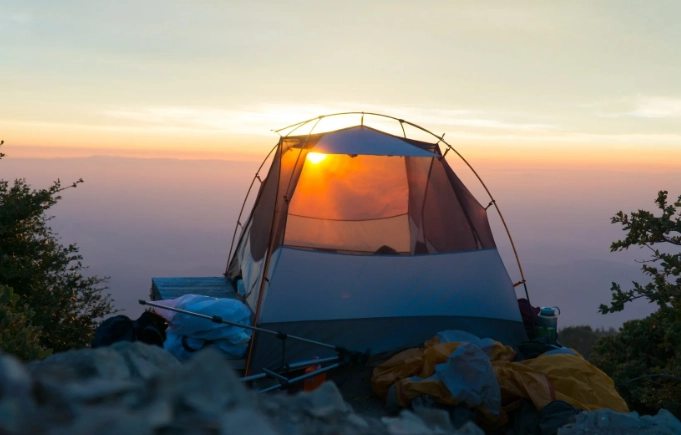
| Material/Feature | Impact on Heat | My Take |
|---|---|---|
| Light-Colored Rainfly (Silver/Tan) | High solar reflectance, stays cooler. | Non-negotiable for me now. The difference at midday is shocking. |
| Dark-Colored Rainfly (Green/Blue) | High solar absorption, turns into a heater. | Avoid for summer use. Fine for cooler seasons where you want heat retention. |
| Full Mesh Inner Body | Maximizes airflow, minimizes condensation. | Feels almost like sleeping in the open. Perfect for buggy but dry climates. |
| Low-Denier, Thin Nylon | Lighter weight, may feel less insulated. | Great for weight savings, but durability can be a trade-off. Check the floor denier. |
3. Shape and Size Matter
A taller tent allows hot air to pool above you, which is good. Some cabin-style tents with near-vertical walls excel here, creating more livable space and better air volume. Also, consider a tent slightly larger than you need. A two-person tent for one person, or a three-person for two, gives the air more room to circulate around you, rather than you feeling crammed against the walls. It's a luxury that pays off in comfort on a hot night.
Watch Out: Bigger isn't always better if it's poorly ventilated. A giant, stuffy tent is just a bigger oven. Prioritize venting over sheer cubic footage.
Setting Up Your Hot Weather Camping Tent for Maximum Coolness
You can buy the best hot weather camping tent on the market and still roast if you set it up wrong. Site selection and configuration are half the battle.
Find the shade. This is rule number one. Look for natural shade from trees that will cover your tent during the hottest part of the day (usually afternoon). A morning-shaded spot will be scorching by 3 PM. If shade is impossible, position your tent so the smallest wall (not the door) faces the afternoon sun.
Listen to the wind. Before you stake anything down, feel the breeze. Orient your tent so the primary mesh door or vent is facing the prevailing wind. This turns your tent into a wind tunnel for cooling. Resources like the National Weather Service can give you general wind patterns for an area.
Use the rainfly creatively. Unless rain is certain, use the rainfly in "high vent" mode or don't use it at all. Many modern tents are designed to let you attach the fly high off the ground, creating a gap for air to flow out underneath it. On clear, dry nights, I often forgo the fly entirely and just sleep under the stars (protected by the mesh). It's the ultimate in cool sleeping.
Consider a footprint or tarp for the ground. This isn't just for protection. A light-colored footprint can reflect some ground heat. More importantly, placing a small, reflective tarp or emergency blanket (shiny side up) on the ground *outside* your tent, under the area where you'll sleep, can bounce a surprising amount of radiant heat away from your sleeping area.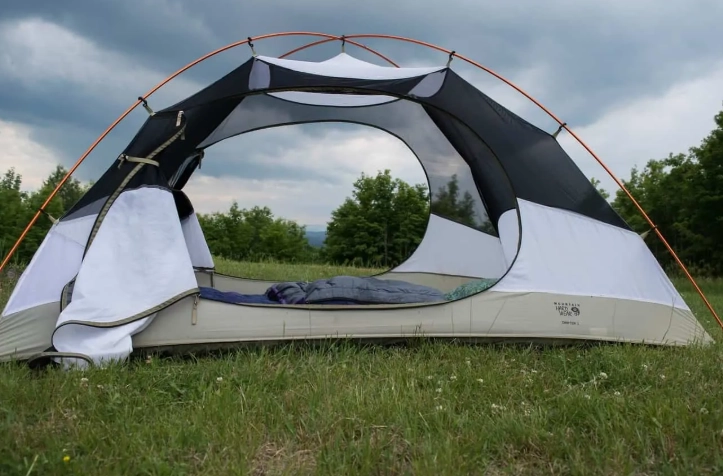
Gear Synergy: What to Pair With Your Tent
A tent is just one part of your sleep system. To really conquer the heat, think about the whole setup.
- Sleeping Pad R-Value: In winter, a high R-value pad insulates you from the cold ground. In summer, you might want a pad with a lower R-value (like 1-2) so it doesn't trap your body heat. Some campers even use lightweight foam pads or just a blanket in very hot conditions.
- Sleeping Bag or Liner: Ditch the mummy bag. Use a lightweight rectangular bag opened fully like a quilt, or just a silk or cotton sleeping bag liner. The goal is to have something to cover up with if a breeze picks up at 3 AM, not to bundle up.
- Battery-Powered Fan: This is my secret weapon. A small, USB-rechargeable fan clipped to the tent's ceiling or a pole does wonders to move stagnant air. It makes a huge psychological and physical difference. Just make sure it's quiet!
Common Questions About Hot Weather Camping Tents
"Can I just use a sunshade over my regular tent?"
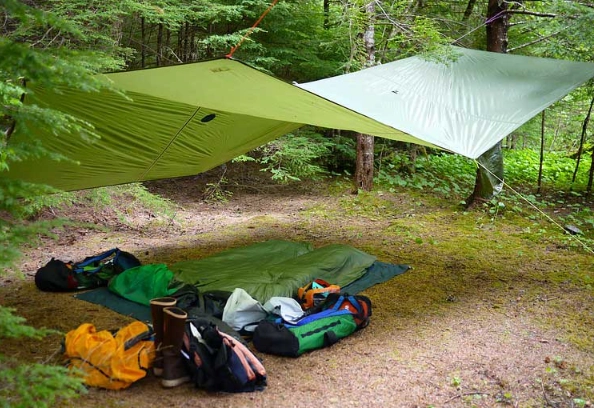
Absolutely! A standalone tarp or sunshade pitched a foot or two above your tent is one of the most effective cooling strategies there is. It blocks the sun's rays before they ever hit your tent fabric. It's like parking your tent under a tree. This can make a mediocre hot weather camping tent perform brilliantly and a good one perform perfectly.
"What about single-wall tents for hot weather?"
This is tricky. Single-wall tents (no separate rainfly) are often lighter and can have great venting options. However, they can struggle with condensation in humid heat, as the inner surface is the waterproof one. If you go this route, look for models with massive, zippable vents and excellent reviews regarding condensation management. They can work, but they're less forgiving than a double-wall setup where you can remove the fly completely.
"Are all 'mesh tents' or 'screen houses' good for hot weather?"
They are fantastic for airflow—they're basically a roof and mesh walls. But they offer zero privacy and little protection from wind-blown dust or a sudden, driving rain. They're perfect for bug-free lounging in a dry climate, but I wouldn't rely on one as my only shelter for a multi-day trip unless I was very confident in the weather. They're a great supplement to a standard tent, though.
"How do I keep the tent cool during the day when I'm not in it?"
Ventilate it fully. Open all doors and windows. If you're leaving camp, consider partially collapsing it or taking the rainfly off if there's no rain forecast. The goal is to not let the sun bake a closed, airtight box all day. Come evening, you'll be trying to cool down an object that's been storing heat for hours.
A Final Thought on Expectations
No tent is an air conditioner. On a truly windless, 95-degree (35°C) night, even the best hot weather camping tent will be warm. The goal isn't to make it cold; the goal is to make it *comfortable* by maximizing airflow, minimizing radiant heat gain, and managing humidity. The difference between a well-chosen, well-pitched hot weather tent and a standard one is the difference between sleeping and suffering.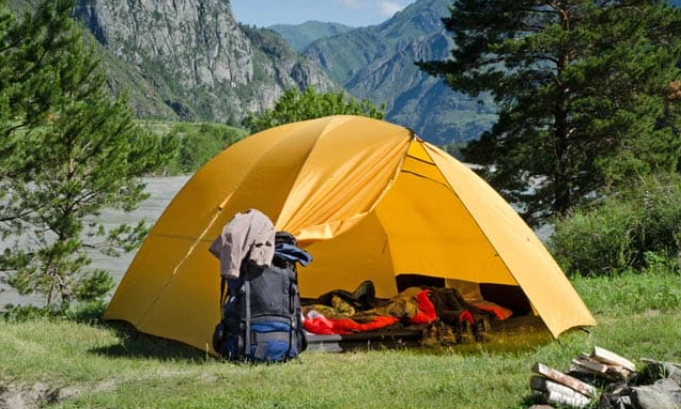
It comes down to working with your environment. Choose a light, breezy shelter, pitch it smartly in the shade and wind, and complement it with the right sleep gear. Do that, and you'll spend less time staring at the ceiling and more time actually enjoying the sound of the crickets and the view of the stars through the mesh.
Trust me, your future well-rested self will thank you.