Quick Navigation: What's Inside This Guide
Camping in New Zealand isn't just about pitching a tent; it's about immersing yourself in landscapes that feel ripped from a fantasy novel. I've spent over a decade exploring these islands, from the volcanic north to the fjord-cut south, and let me tell you, most guides miss the subtle details that make or break a trip. If you're dreaming of waking up to birdsong with mountain views, this is your roadmap. We'll cut through the fluff and get straight to what matters: where to go, what to bring, and how to avoid the pitfalls that catch even seasoned campers off guard.
Why Camping in New Zealand is Unbeatable
New Zealand's Department of Conservation (DOC) manages over 200 campsites nationwide, many with basic facilities for as little as $15 per night. That's access to some of the world's most pristine environments without breaking the bank. But beyond affordability, it's the diversity. In one day, you can hike through ancient rainforests, soak in hot springs, and camp by a glacier-fed lake. The weather, though, is notoriously fickle—pack for four seasons even in summer. From my own trips, the real magic happens in the shoulder seasons (spring and autumn), when crowds thin and prices drop, but you still get decent weather.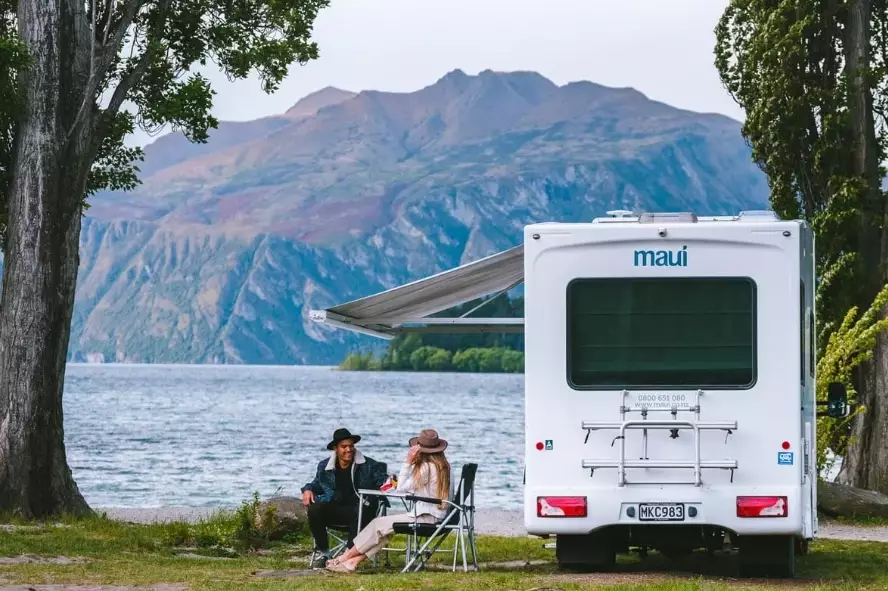
Top Camping Destinations in New Zealand
Forget generic lists; here are spots I've returned to multiple times, each with concrete details to help you plan.
North Island Gems
Tongariro National Park: Home to the iconic Tongariro Alpine Crossing, this UNESCO site offers several DOC campsites. The Mangatepopo Campsite is a favorite for hikers—no bookings, first-come-first-served, $15 per adult. Address: State Highway 48, near Whakapapa Village. Open year-round, but winter requires snow gear. From Taupo, take SH47 for about an hour. Pro tip: Arrive early during weekends; spots fill by noon.
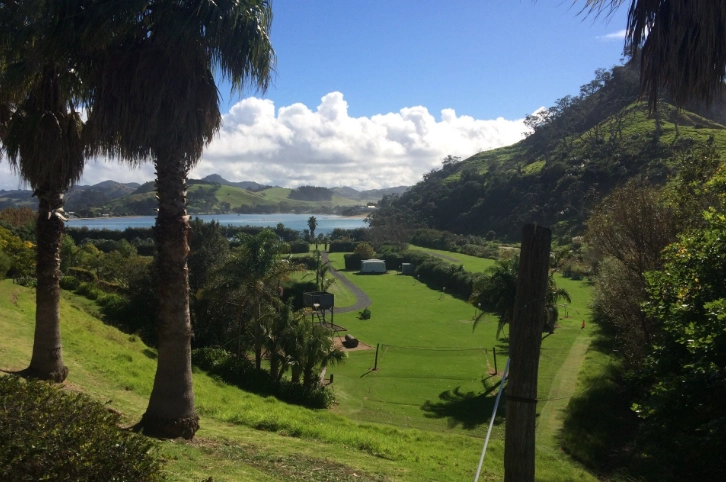
Coromandel Peninsula: For beach camping, try Cathedral Cove Camping near Hahei. It's privately run, with powered sites from $25 per night. Address: 88 Hahei Beach Road, Hahei. Open October to April. From Auckland, drive east on SH2 for 2.5 hours. Book online through their website—walk-ins are rare in peak season. The water is turquoise, but watch for strong currents.
South Island Wonders
Abel Tasman National Park: Coastal paradise with kayak-accessible campsites. Totaranui Campground is massive, with facilities for $18 per adult. Address: Abel Tasman Drive, Golden Bay. Open all year, but summer requires reservations via DOC website. From Nelson, it's a 2-hour drive on winding roads. I once missed the booking window and ended up camping illegally—don't make that mistake.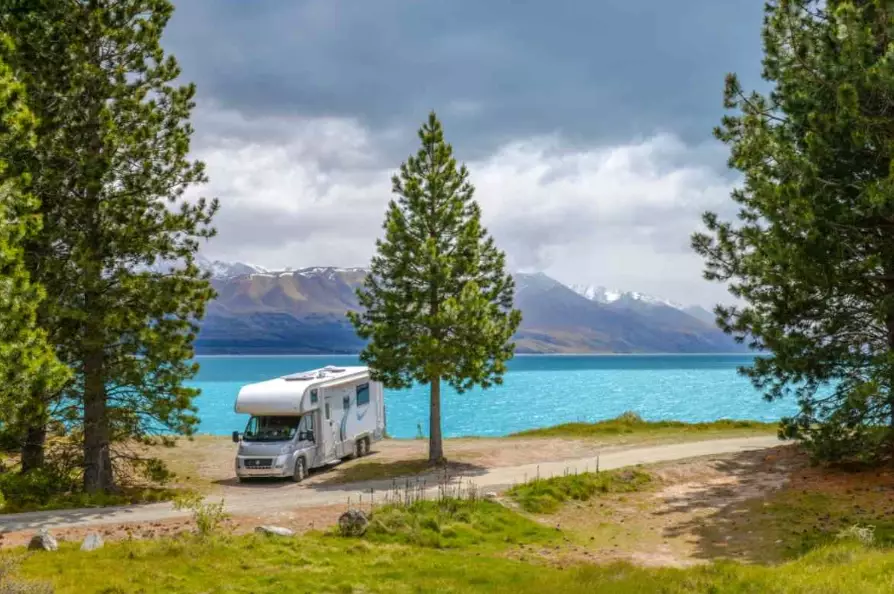
Lake Tekapo: Stargazing central, with the Tekapo Springs Campground offering lakeside views. Powered sites cost $30 per night. Address: 6 Lakeside Drive, Lake Tekapo. Open year-round. From Christchurch, take SH79 and SH8 for 3 hours. The campground has hot showers, a luxury in remote areas. For dark-sky reserves, visit the Mt John Observatory nearby.
| Destination | Type | Cost (per night) | Booking Required | Best Time to Visit |
|---|---|---|---|---|
| Tongariro National Park | DOC Campsite | $15 | No (first-come) | Nov-Apr |
| Coromandel Peninsula | Private Campground | $25+ | Yes (online) | Oct-Apr |
| Abel Tasman National Park | DOC Campsite | $18 | Yes (summer) | Dec-Feb |
| Lake Tekapo | Private Campground | $30 | Recommended | Year-round |
These are just starters; regions like Fiordland or the Catlins offer more solitude but require self-sufficiency. Always check DOC's website for real-time updates on closures or weather alerts.
Essential Camping Gear for New Zealand Conditions
New Zealand's weather laughs at flimsy gear. I've seen tents shredded by Canterbury nor'westers. Here's what you actually need, based on trial and error.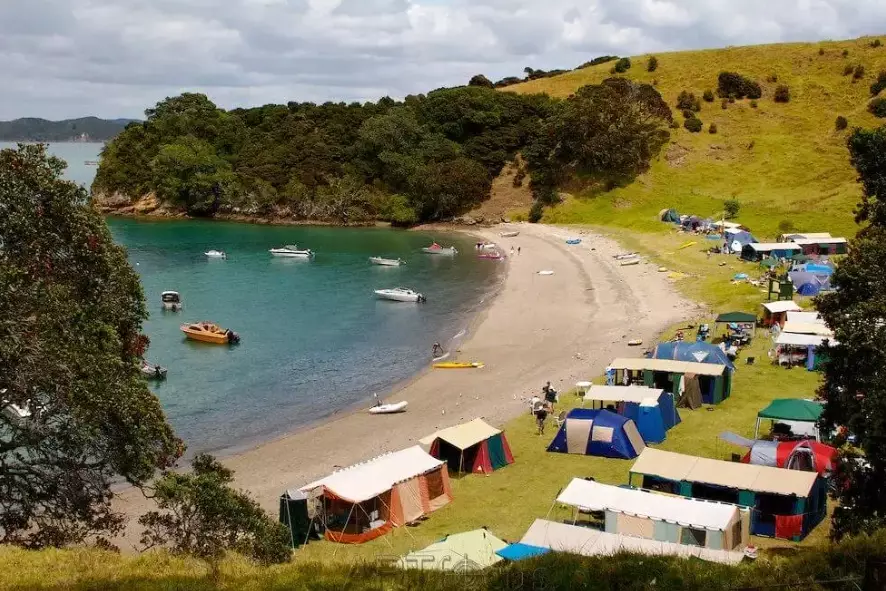
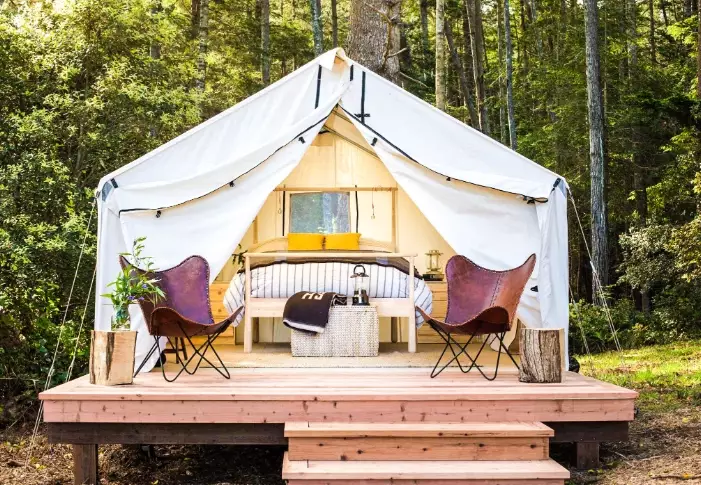
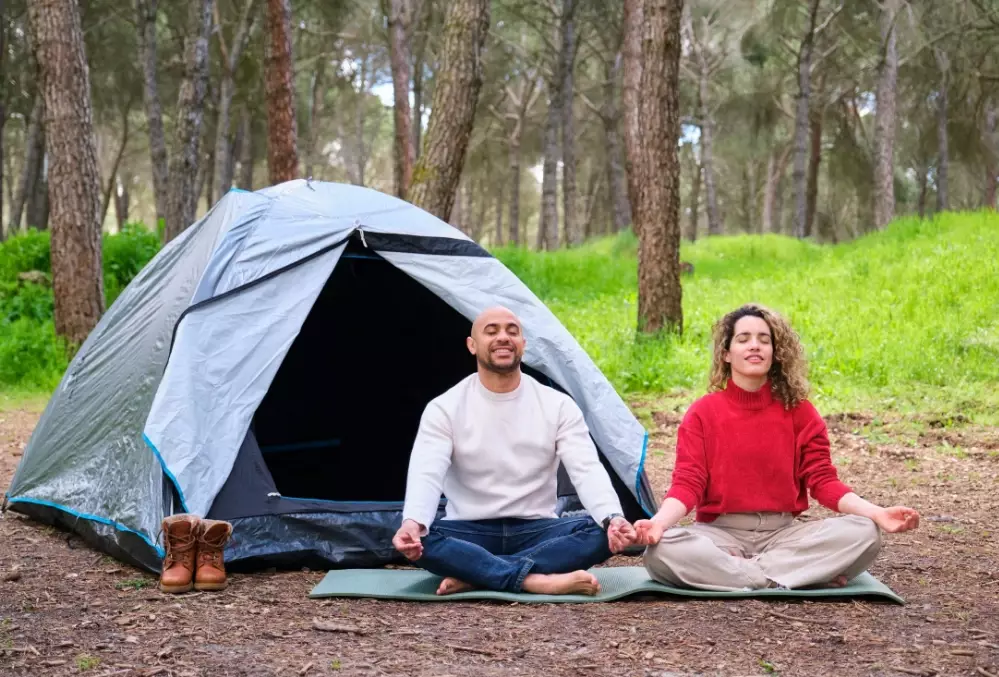
Shelter: A 3-season tent with a robust rainfly is non-negotiable. Brands like MSR or Kathmandu work well. Avoid cheap dome tents; they collapse in strong winds. For campervans, consider certified self-contained vehicles (CSC) to access more freedom camping spots.
Sleeping System: A sleeping bag rated to -5°C, even in summer. Nights can dip near freezing in the south. Pair it with a insulated sleeping pad—Therm-a-Rest models are worth the investment. I once skimped on a pad and spent a sleepless night on cold ground near Queenstown.
Cooking: A portable gas stove (butane/propane mix) is safest, as open fires are banned in many areas. Include a lightweight pot set and biodegradable soap. Water purification tablets are handy for remote streams, though most DOC sites have potable water.
Pro Insight: Most beginners overpack clothing and underpack repair kits. Bring a multi-tool, duct tape, and extra tent pegs. Sandflies are vicious in wet areas—pack insect repellent with DEET, or you'll regret it.
How to Plan Your New Zealand Camping Trip
Planning a camping trip here isn't just picking spots; it's about timing and logistics. Let's break it down.
Step 1: Choose Your Season. Summer (Dec-Feb) is busy and expensive, but weather is reliable. Shoulder seasons (Mar-May, Sep-Nov) offer balance. Winter (Jun-Aug) is for adventurers with cold-weather gear. I prefer autumn for colorful foliage and fewer tourists.
Step 2: Book in Advance. For popular DOC campsites like those in Abel Tasman, bookings open months ahead. Use the DOC booking system or apps like Campermate. For freedom camping, ensure your vehicle is CSC certified—fines can hit $200 for non-compliance.
Step 3: Map Your Route. Distances are deceptive; driving from Auckland to Queenstown takes days with stops. Focus on one island per trip if under two weeks. Include buffer days for weather delays. Roads like the Milford Road close unexpectedly due to avalanches.
Step 4: Budget Realistically. Campsite fees range from free (basic DOC) to $50+ for holiday parks. Add food, fuel (around $2.20 per liter), and activities. A two-week trip for two can cost $1500-$2000 excluding flights. Cook your own meals to save money.
Consider renting gear from companies like Adventure Rentals in Christchurch if flying in. They offer quality equipment without the baggage fees.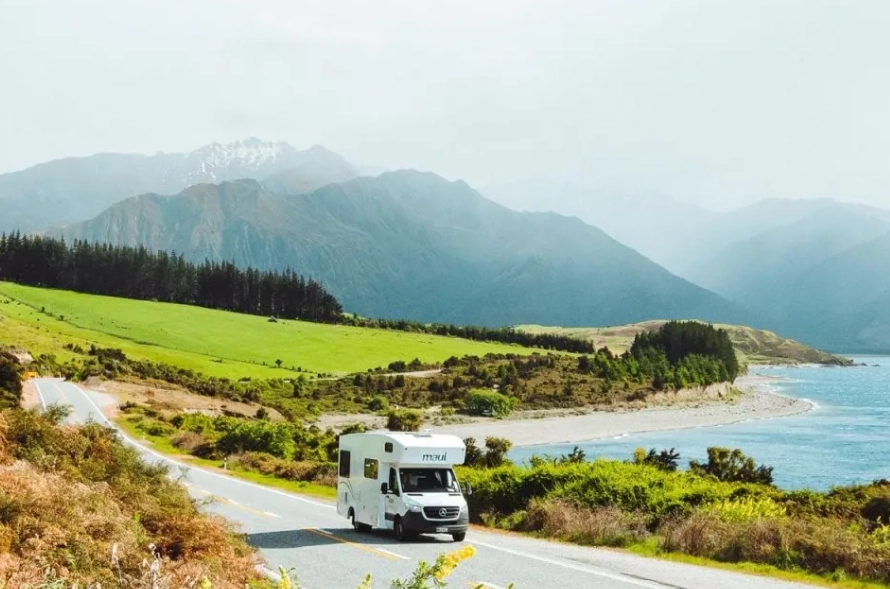
Common Mistakes to Avoid When Camping in New Zealand
Here's where most guides gloss over the gritty details. After years of guiding trips, I've seen these errors repeatedly.
Underestimating Weather Changes. New Zealand's maritime climate means sun can turn to rain in minutes. I got caught in a hailstorm near Franz Josef without a waterproof layer—hypothermia risk is real. Always pack a rain jacket and layers, even if forecast says clear.
Ignoring Biosecurity Rules. At customs, declare all outdoor gear. They'll check for dirt on hiking boots to prevent invasive species. Failing to clean gear can lead to fines or confiscation. It seems trivial, but it's strictly enforced.
Overlooking Freedom Camping Regulations. Freedom camping isn't free-for-all. Many regions, like Queenstown Lakes, ban it in town centers. Use official apps to find legal spots. I've seen tourists fined for parking overnight in prohibited areas, thinking any roadside works.
Skimping on Footwear. Trail runners won't cut it for muddy Kiwi tracks. Invest in waterproof hiking boots with ankle support. My friend twisted an ankle on the Routeburn Track using sneakers—rescue costs thousands.
These might sound obvious, but in the excitement, people forget. Slow down, respect the environment, and you'll have a blast.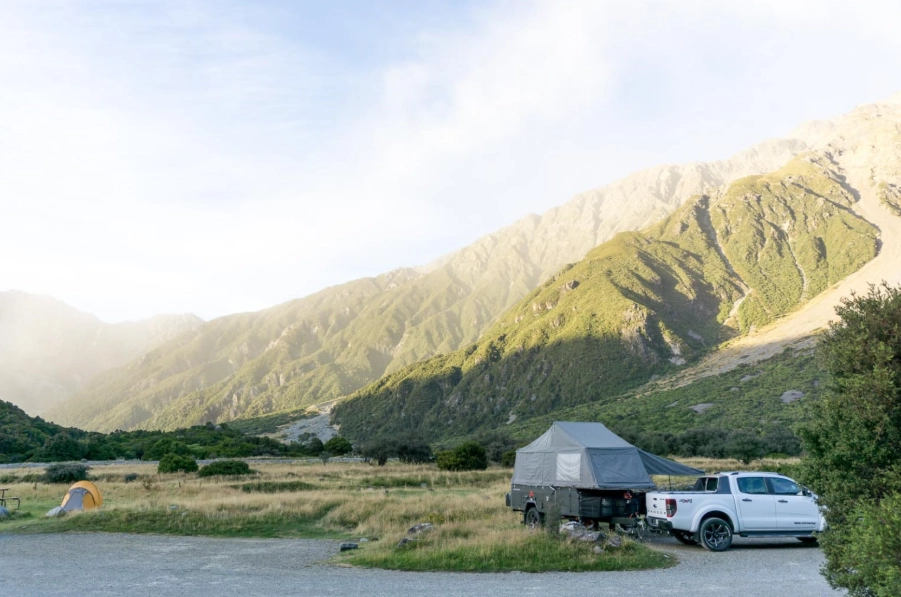
Frequently Asked Questions
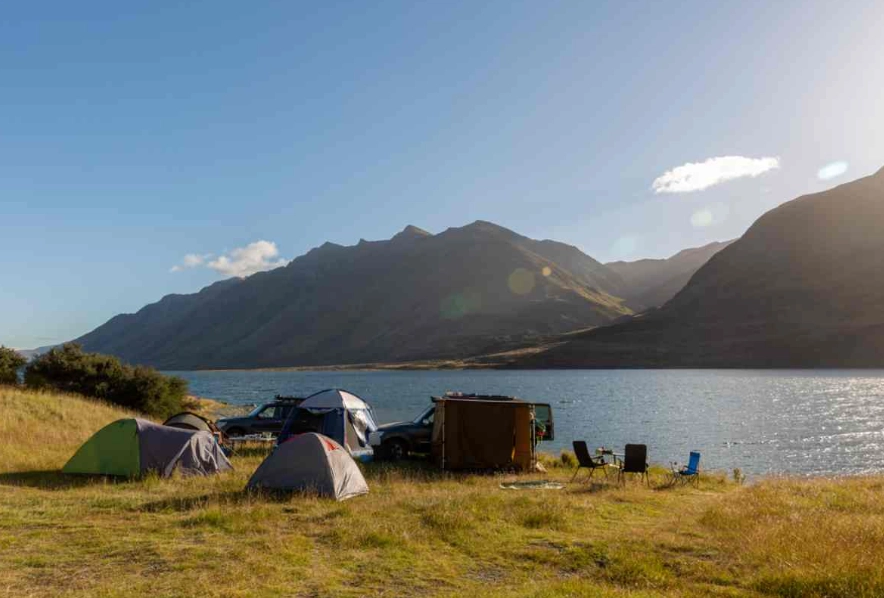 Is it safe to freedom camp in a rented campervan without CSC certification?