Quick Navigation
- Why Choose a River? More Than Just a Pretty View
- Top Contenders for Best River Camping Spots in the US
- Your Pre-Trip Checklist: Beyond the Tent and Sleeping Bag
- Safety First: The River is Not Your Friend
- Leaving No Trace by the River
- Answers to Your Burning Questions
- Making the Decision: Is River Camping Right for Your Next Trip?
Let's be honest, scrolling through picture-perfect campsites online can be a trap. You see this gorgeous spot right by a babbling river, sun dappling through the trees, and you think "that's it, that's the one." But then you get there, and the mosquitoes are the size of small birds, the ground is all rocks, or worse, you're practically sharing your tent with another family because the sites are so close together.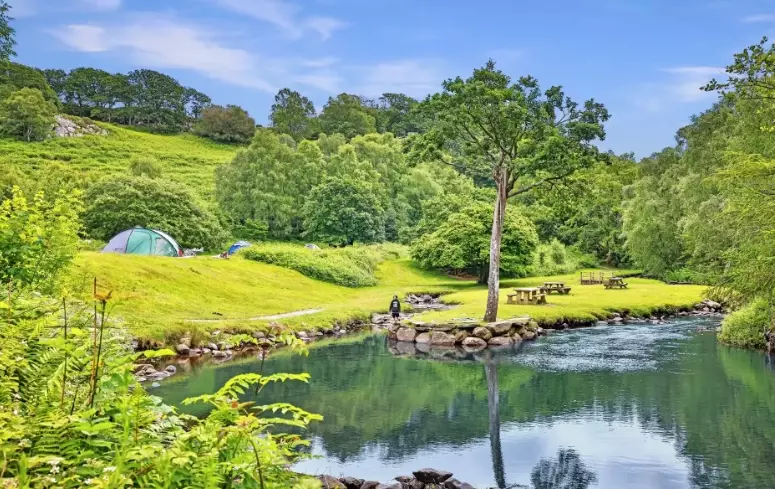
I've been there. I've packed up my gear with high hopes only to face disappointment. That's exactly why I wanted to write this. This isn't just another listicle churned out by an algorithm. This is a deep dive from someone who's spent more nights listening to river sounds than to their own city's traffic. We're going beyond the postcard view to talk about what actually makes a river camping trip great—and how to avoid the pitfalls that can ruin it.
So, what truly makes for the best river camping experience? Is it the fishing? The solitude? The sound of water putting you to sleep? For most of us, it's a combination. It's about the right location, the right preparation, and managing your expectations. A river can be a wonderful neighbor, but it demands respect.
Why Choose a River? More Than Just a Pretty View
Sure, a lake is great. The ocean is majestic. But a river? A river has a personality. It's moving, it's changing, it's alive in a way that static bodies of water aren't. The constant white noise is nature's perfect sleep aid. It masks the sounds of other campers, of rustling critters, even your own thoughts. It's incredibly peaceful.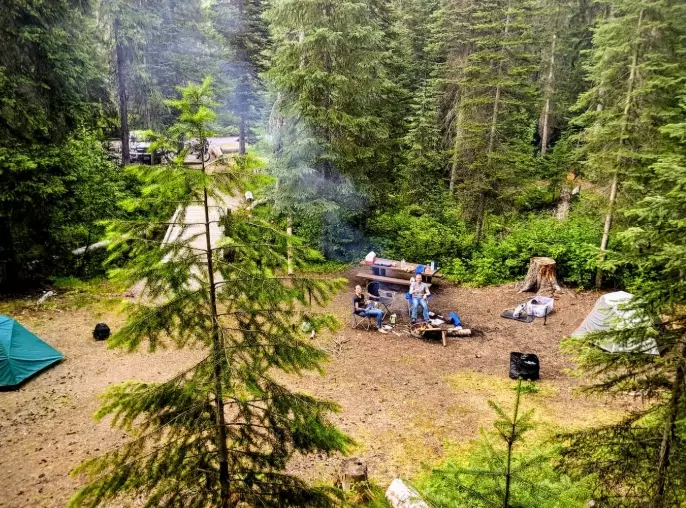
Then there's the practical side. Need to cool your drinks? The river's your natural refrigerator (in a secure bag, of course). Washing up after a dusty hike? Much easier with flowing water nearby. For anglers, it's an obvious draw. For kids, it's an endless source of entertainment skipping stones and looking for crawdads.
But here's the thing nobody talks about enough: not all riverfront sites are created equal.
Top Contenders for Best River Camping Spots in the US
This is where we get into the meat of it. I'm not going to give you a generic "top 10." Instead, let's break it down by what you're really looking for. Are you after world-class fishing? Complete seclusion? Family-friendly swimming holes? Your ideal best river camping spot depends entirely on your trip's goal.
For the Angler's Paradise
If your idea of heaven is casting a line at dawn, these rivers are legendary.
The Madison River, Montana. Flowing out of Yellowstone, this is a blue-ribbon trout fishery. Campgrounds like Baker's Hole or Lyon Bridge put you right in the action. The scenery is pure Big Sky Country—wide valleys, mountains in the distance. The water is cold and clear. The downside? It's no secret. You need to book sites the second they become available, especially for summer. And the wind can howl down that valley something fierce.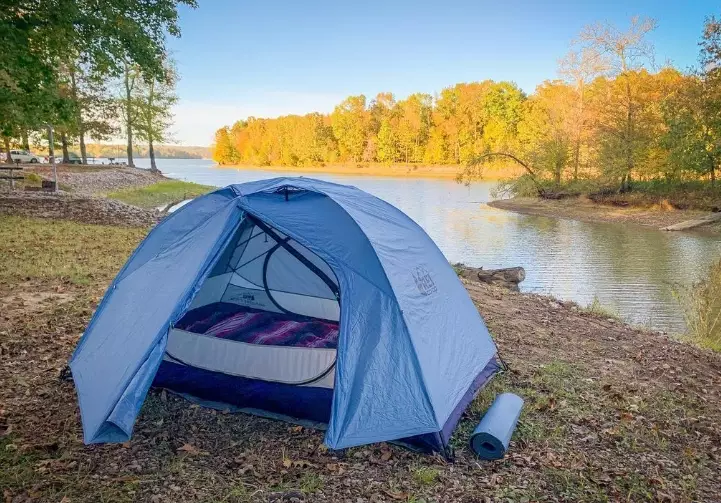
The Deschutes River, Oregon. This is a steelhead and trout mecca. The lower stretches, especially around Macks Canyon or Heritage Landing (which often requires a boat shuttle), offer a mix of dramatic canyon walls and quieter stretches. The dry, high-desert climate means fewer bugs, which is a massive plus. But the sun can be relentless, and shade is a precious commodity. Pack a good canopy.
For the Family Getaway
Kids plus rivers can be magical, but safety and accessibility are key.
The Shenandoah River, Virginia. Gentle, warmer waters and a plethora of public campgrounds in the Shenandoah Valley make this a winner. Places like Elizabeth Furnace or Mathews Arm in the nearby Shenandoah National Park offer a mix of river access and classic forest camping. The river is often slow-moving enough for safe tubing and splashing. You're also close to small towns if you forget the marshmallows. The flip side? It can get crowded on summer weekends, feeling more like a community pool than a wilderness escape.
The Current River, Missouri. This is a Ozark gem. The water is famously clear and springs-fed, so it's cool but not bone-chilling. Campsites like those around Pulltite or Round Spring are managed by the National Park Service (Ozark National Scenic Riverways) and are well-maintained. The river is perfect for canoeing and kayaking with kids—mostly calm with a few easy riffles. My main gripe? The humidity in peak summer can be oppressive, and the poison ivy along some banks is no joke.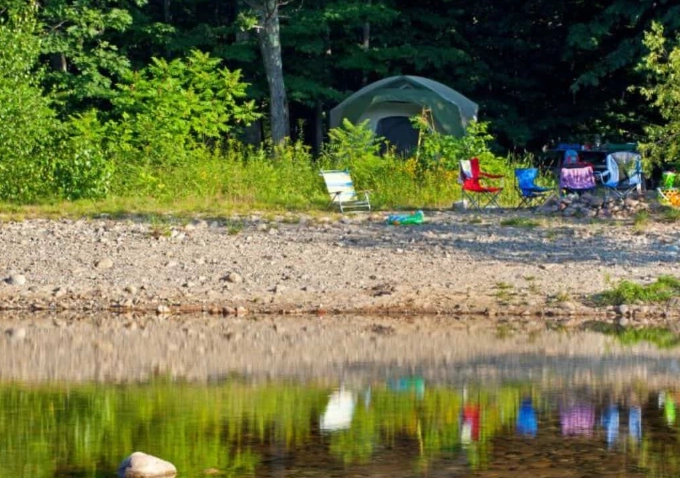
For the Seeker of Solitude
If your goal is to get away from everyone, you have to work a little harder, often literally.
The Middle Fork of the Salmon River, Idaho. This is the holy grail for remote river camping. You're talking about a multi-day float trip through the Frank Church River of No Return Wilderness. No roads, no cell service, just epic canyon scenery, hot springs, and world-class rapids. It's not a "drive-up" experience. It requires planning, permits, and often a guided outfitter. But if you can make it happen, it redefines what best river camping can mean. The barrier to entry (cost, logistics) is high, which keeps the crowds away.
Boundary Waters Canoe Area Wilderness, Minnesota. While known for lakes, the interconnected river routes here offer profound solitude. Paddling from lake to lake via quiet, sometimes portage-required rivers, you'll find primitive campsites that are yours alone. The sound is pure wilderness. The trade-off? The bugs (black flies and mosquitoes) in early summer are legendary—a true test of will. And you must follow strict Leave No Trace principles to the letter.
To help you compare at a glance, here's a breakdown of these top picks:
| River & Region | Best For | Vibe & Scene | Biggest Drawback |
|---|---|---|---|
| Madison River, MT | Fly Fishing, Scenery | Iconic, popular, open vistas | Extremely competitive bookings, wind |
| Deschutes River, OR | Fishing, Dry Climate | Dramatic canyons, fewer bugs | Intense sun, limited shade |
| Shenandoah River, VA | Families, Swimming, Accessibility | Gentle, friendly, well-equipped | Can feel crowded, less "wild" |
| Current River, MO | Families, Clear Water, Canoeing | Clear springs, well-managed sites | High humidity, poison ivy |
| Middle Fork Salmon, ID | Adventure, Solitude, Rafting | Ultimate remote wilderness experience | Requires major trip planning & expense |
| Boundary Waters, MN | Solitude, Canoe Tripping, Fishing | Quiet, pristine, true backcountry | Vicious insects, requires portaging |
Your Pre-Trip Checklist: Beyond the Tent and Sleeping Bag
Packing for river camping has its own quirks. You're dealing with water, sand, and creatures that love damp places. Forgetting something here is more annoying than forgetting it at a regular campground.
The Absolute Must-Haves (That You Might Forget):- Water Shoes or Sandals with Straps: Not flip-flops. You need something that stays on your feet in current and protects from sharp rocks. Old sneakers work in a pinch.
- Two Tarps: One for under your tent (a "footprint"), and a bigger one for a rainy-day hangout space. The ground by rivers can be damp even when it hasn't rained.
- A Serious Bug Management System: This means a head net for bad evenings, permethrin-treated clothing, and a Thermacell or good citronella candles. Don't just bring a small bottle of spray and hope for the best.
- Dry Bags in Multiple Sizes: For your phone, your keys, your wallet, your extra clothes. A soaking wet sleeping bag is a trip-ender.
- Camp Chairs That Can Handle Sand/Mud: Those fancy low-slung backpacking chairs will sink and get filthy.
- A Collapsible Water Jug: Even if you're filtering river water, it's nice to have a 5-gallon reservoir at camp for washing hands, doing dishes, without walking back and forth.
And here's my personal "luxury" item that feels essential after a long day: a lightweight folding camp table. Trying to cook on a rock or a log is a pain. A small table keeps your gear organized, clean, and away from ants.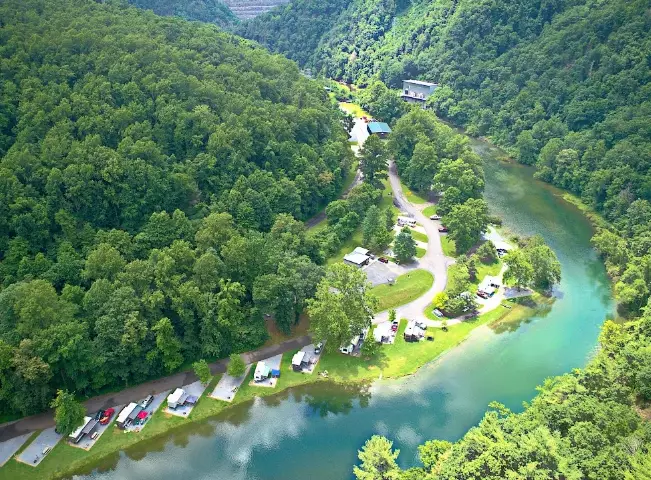
Safety First: The River is Not Your Friend
This is the most important section. A river is dynamic and powerful. Every year, people get into trouble by underestimating it.
River Safety Non-Negotiables:- Check Water Levels & Flow Rates: Don't just look at the weather. A sunny day can follow a storm miles upstream, causing a sudden rise in water level (a "flash rise"). Websites like the NOAA National Water Dashboard provide real-time USGS gauge data. A flow that seems safe for wading in the morning can be dangerous by afternoon.
- Never Camp in a Dry Riverbed or on a Sandbar: It might look like the perfect flat spot, but it's a trap. Water can rise incredibly fast, with little warning.
- Supervise Children Constantly: Currents can be deceptive. A kid can be standing on a stable spot one second and get knocked off their feet by a slight change in depth the next.
- Wear a Life Jacket (PFD) When in Any Watercraft: Even in a calm canoe. Always. No exceptions.
- Know the Local Wildlife: This isn't just about bears. In some southern rivers, be aware of alligators. Everywhere, know how to identify and avoid poison ivy/oak, which loves riverbanks.
I once saw a family set up their entire camp, picnic table and all, on a wide sandbar on a western river. It was a beautiful setup. That night, a distant dam release changed the river's height by three feet. They had to scramble to move everything at 2 AM. It was a stressful, potentially dangerous lesson learned the hard way.
Leaving No Trace by the River
Our impact is magnified next to water. What we do affects everything downstream. Sustainable camping isn't a buzzword here; it's a necessity.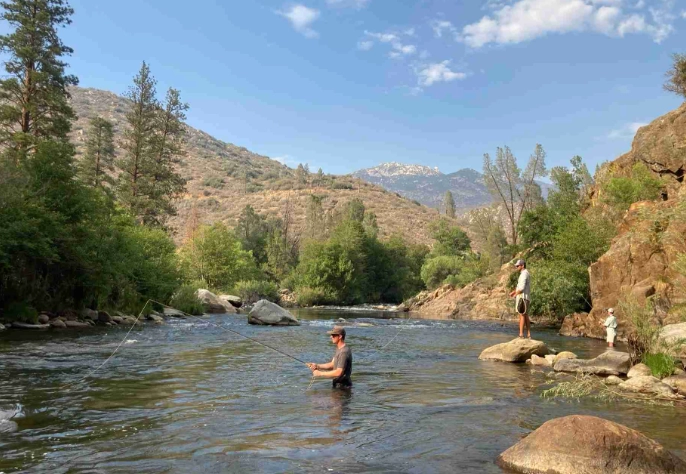
First, waste. If there's no toilet facility, you need a plan. A portable camping toilet or a proper cathole system (at least 200 feet from the water) is mandatory. Never, ever do your business directly in the river or on the bank. Toilet paper should be packed out in a sealed bag. It sounds gross, but it's far less gross than finding someone else's mess.
Washing. Never use soap, shampoo, or dish detergent directly in the river, even if it's "biodegradable."> That stuff needs soil to break down. Carry water in a basin at least 200 feet away from the shore to wash dishes, yourself, or your dog. Scatter the greywater broadly.
Respect the quiet. Sound travels incredibly well over water. Your music or loud conversation can ruin the solitude for campers a mile downriver. Embrace the natural soundtrack.
The Leave No Trace Center for Outdoor Ethics has detailed, science-based principles that are especially critical for river corridors. Giving them a thorough read before your trip is one of the best things you can do.
Answers to Your Burning Questions (The Stuff You Actually Google)
There's no single answer, but generally, late spring through early fall is the window. But within that, you have to choose your trade-off.
Late Spring (May-June): Water levels are often higher from snowmelt, which is great for rafting but can make wading dangerous and water cold. Wildflowers are amazing. The biggest downside? Bugs. Mosquitoes and black flies are at their peak in many regions. If you hate bugs, this might be your worst time.
Summer (July-August): Water is warmer, better for swimming. Bugs often lessen (except near dusk). This is the most popular, and therefore most crowded, time. You'll be competing for reservations. Afternoon thunderstorms are common in many mountain areas.
Early Fall (September-October): My personal favorite. Crowds vanish, bugs are mostly gone, the water is still swimmable in early September, and the changing leaves are spectacular. The days are shorter and nights can get surprisingly cold, so pack accordingly. Water levels may be lower.
This is a huge search. The answer lies mostly on public land managed by the U.S. Forest Service (USFS) and the Bureau of Land Management (BLM). These agencies often allow "dispersed camping" outside of designated campgrounds.
Your best tool is their website. Go to the specific national forest or BLM field office website for the area you're targeting. Look for "dispersed camping" or "motor vehicle use maps" (MVUMs). These maps show exactly where you can pull off forest service roads to camp. A great resource to start is the USFS website portal to find your chosen forest.
A word of caution: Dispersed sites have no amenities—no water, no toilet, no trash service. You must be fully self-sufficient and follow Leave No Trace rigorously. Finding these true gems for the best river camping on a budget takes research and a spirit of adventure.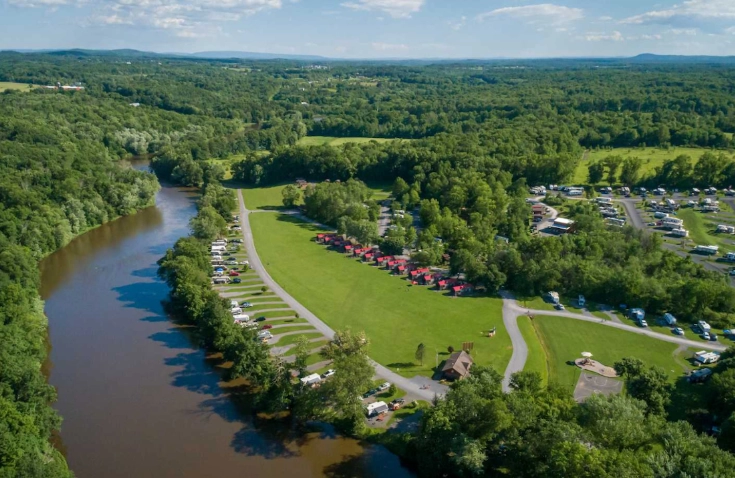
Mosquito control is the eternal struggle. You won't eliminate them, but you can manage.
- Permethrin is Your Best Friend: Treat your clothing, tent, and gear (not skin) before you go. It binds to fibers and lasts through multiple washes. It's a game-changer for ticks and mosquitoes.
- Strategic Campsite Selection: Avoid camping right in tall, damp grass or stagnant backwaters. A slight breeze off the main river channel is better than a completely still, wooded alcove.
- Time Your Activities: Mosquitoes are most active at dawn and dusk. Plan to be inside your tent or around a smoky fire during those times.
- Physical Barriers: A screened canopy or shelter is worth its weight in gold for cooking and hanging out. A simple head net can save your sanity.
As for other critters, secure your food perfectly. Use a bear canister or hang if required. Keep a clean camp—never leave food, trash, or even empty wrappers out. Raccoons and mice are opportunists and will ruin your trip faster than any bear.
Short answer: Yes, but you must use a proper filter or purifier. Never drink untreated water, no matter how clear and pristine it looks.
Giardia and other nasty parasites are invisible. A quality water filter (like a Sawyer Squeeze or Katadyn pump) with a pore size of 0.2 microns or less will remove bacteria and protozoa. If you're in an area with potential viral contamination (rare in most US backcountry, but possible downstream of human activity), you need a purifier that uses chemicals (iodine/chlorine) or UV light.
Filtering from the main current is better than from a stagnant edge. And always check your filter's instructions—some can freeze or clog with silt.
Making the Decision: Is River Camping Right for Your Next Trip?
So, after all this, should you go for it? If you're willing to do a bit more planning, pack a few extra pieces of gear, and respect the power of moving water, then absolutely. The rewards are immense.
The sound alone is therapeutic. The activities—fishing, swimming, floating, skipping stones—are timeless. Finding that perfect spot where the river bends, creating a private little beach just for you, is a feeling that's hard to beat.
Your search for the best river camping experience is deeply personal. It might be a well-appointed family campground on the Shenandoah where the kids can splash safely. It might be a remote backcountry site on the Middle Fork that you earn with days of paddling. Neither is better. They're just different chapters in the same great story.
Start with what you want the trip to feel like. Then use the tips here to find the place that matches it. Do your homework on safety and regulations. Pack with the river in mind. Then go. Listen to that water all night. Wake up with the mist rising off it. That's the real deal. That's what keeps us all coming back.
Just remember the bug spray.