Inside This Guide
- What is Dispersed Camping, Really?
- Why Bother? The Good and The Not-So-Good
- Your Step-by-Step Guide to Finding Dispersed Camping Spots
- The Non-Negotiable Rules & Ethics
- Safety: It's All On You
- Gear You Actually Need (And What You Can Skip)
- Top US Regions for Finding Dispersed Camping Spots
- Common Questions About Dispersed Camping Spots (FAQ)
Let's talk about getting away from it all. I mean truly away—no reservation desk, no neighbors five feet away, no fee envelope. That's the magic of dispersed camping, also called primitive camping or boondocking. It's just you, your gear, and a huge chunk of public land. Sounds perfect, right? But if you've never done it, the whole process can feel a bit mysterious. Where are these spots? How do you find them? Is it even legal?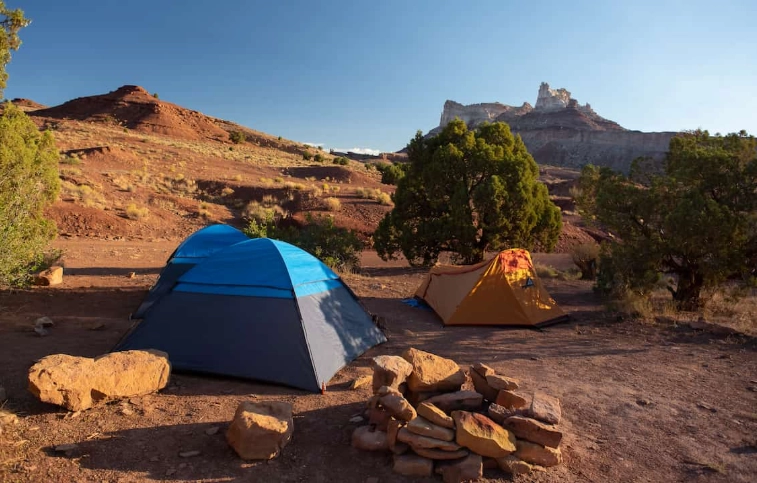
I remember my first try. I drove for hours down forest service roads with a paper map, totally overwhelmed, convinced every semi-flat pull-off was taken or forbidden. It was a mess. I've learned a lot since then, through plenty of trial and error (mostly error at first). This guide is what I wish I'd had. We're going to strip away the confusion and give you a clear, step-by-step path to finding your own perfect dispersed camping spot.
What is Dispersed Camping, Really?
Forget the campground. Dispersed camping is the practice of setting up camp outside of a designated, developed campground. No picnic tables, no fire rings (unless you find an existing one you can safely use), no trash service, and most importantly, no nightly fee. You're camping on public land—typically National Forests or Bureau of Land Management (BLM) land—at your own chosen site, following a set of rules designed to keep the land pristine.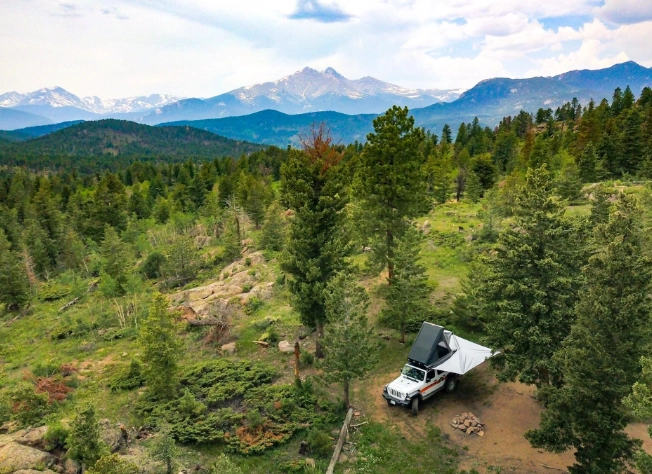
It's freedom, with responsibility.
The core idea is "Leave No Trace." You come in, you enjoy, you leave, and it should look like you were never there. This isn't a party spot; it's a way to experience solitude and raw nature. The trade-off for free, stunning locations is a complete lack of amenities. You bring everything in, and you pack everything out. And I mean everything.
Why Bother? The Good and The Not-So-Good
Why would anyone choose this over a nice state park with flush toilets? Well, let's be honest.
The Irresistible Upsides
- Cost: It's free. In an era where campgrounds can hit $50 a night, this is a huge draw.
- Solitude: You can find true peace and quiet. The only sounds are often the wind and wildlife.
- Freedom & Spontaneity: No reservations needed. See a beautiful area? You can often find a spot nearby.
- Connection to Nature: It feels more authentic, more like real camping to many people.
The Realistic Downsides (Let's Not Sugarcoat It)
- Zero Amenities: No water, no toilet, no trash cans, no cell service. You are self-sufficient.
- More Work: Finding a spot, collecting water, dealing with waste—it all takes more effort.
- Access & Vehicle Limits: Many of the best dispersed camping spots are down rough dirt roads. A sedan might get you to some, but a high-clearance vehicle opens up a world of possibilities.
- Isolation & Safety: Help is far away. You need to be prepared for emergencies and comfortable with self-reliance.
Your Step-by-Step Guide to Finding Dispersed Camping Spots
This is the part everyone wants to know. How do you actually find these elusive spots? It's not a secret club, I promise. It's a process of using the right tools.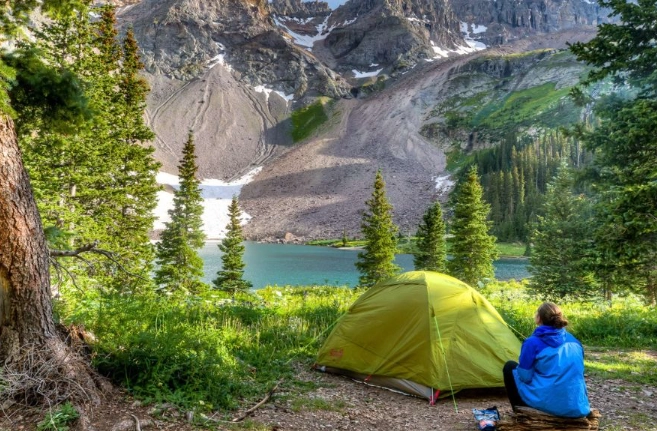
Step 1: Know Your Land Managers
This is the most important step. You can't just camp anywhere. You need to be on public land where dispersed camping is explicitly allowed. The two main providers in the western US are:
- United States Forest Service (USFS): Manages National Forests. They are generally the most dispersed-camping-friendly. Look for areas marked as "General Forest" or "Backcountry."
- Bureau of Land Management (BLM): Manages vast tracts of land, especially in the West. Much of it is open to dispersed camping unless posted otherwise.
In the eastern US, options are more limited but exist in National Forests like the George Washington & Jefferson or the White Mountain National Forest.
Rule number one: Always check the specific rules for the local Ranger District or BLM Field Office.
How? Go straight to the source. The official websites are your bible. For example, if you're looking in Colorado's San Juan National Forest, you'd visit the USFS San Juan National Forest website. They have alerts, maps, and specific regulations. The BLM's national site is a great portal to find local offices.
Step 2: Arm Yourself with Maps (The Digital Kind)
Paper maps are great backups, but digital tools are your primary scout.
| Tool | Best For | My Personal Take |
|---|---|---|
| Google Maps / Satellite View | Initial scouting. Look for forest service roads (often numbered, e.g., FR 205), dead ends, and clearings off roads. | Incredible for a bird's-eye view. I spend hours virtually "driving" roads to spot potential pull-offs. The terrain layer is also useful. |
| USFS & BLM Motor Vehicle Use Maps (MVUMs) | The official word on which roads are open for public travel. Legally, you can only camp where vehicles are allowed. | Non-negotiable. Download the PDF for your area. They're dry but authoritative. Find them on the local forest/BLM site. |
| Apps: OnX Offroad, Gaia GPS, iOverlander | Crowd-sourced spot locations, offline topographic maps, tracking your route. | A double-edged sword. OnX and Gaia are fantastic for navigation. iOverlander can show known spots, but popular ones get crowded. Use them to find *areas*, not to chase a specific pinned spot. |
| Avenza Maps App | Loading official georeferenced PDF maps (like MVUMs) so your phone's GPS shows your location on the map even offline. | A game-changer for staying on legal roads. It turns that confusing PDF into an interactive guide. |
Step 3: The On-The-Ground Reconnaissance
You've done your homework. Now you're driving the forest service road. What are you looking for?
- Existing Pull-Offs or Spur Roads: Look for areas where the vegetation is already disturbed, leading off the main road. A well-established dirt path is a good sign.
- Existing Fire Rings: A stone fire ring is a dead giveaway that someone has camped there before. (Use it if it's safe, don't build a new one).
- Signs: This is critical. Look for signs that say "No Camping," "Camping Prohibited," or "Camp within 300 feet of road." Obey them all.
- General Rules of Thumb: Usually, you must be a certain distance from developed water sources (like creeks or lakes—often 100-200 feet), and within a certain distance of an established road (like 150 feet). Your MVUM will specify.
My method? I usually plan to start looking for a dispersed camping spot at least 2-3 hours before sunset. It gives you a buffer for when the first few spots are taken or unsuitable.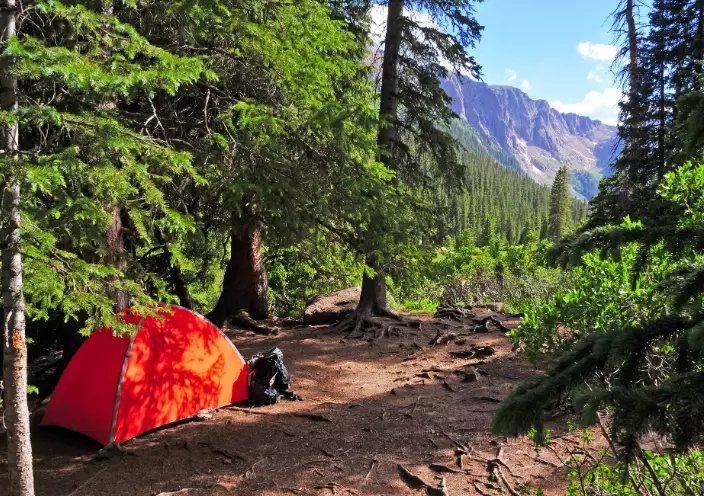
The Non-Negotiable Rules & Ethics
This is how we keep this privilege alive. Violate these, and you ruin it for everyone.
Leave No Trace Principles for Dispersed Camping
- Plan Ahead & Prepare: Know the regulations, weather, and terrain. Pack the ten essentials.
- Travel & Camp on Durable Surfaces: Use existing sites. Don't create new ones by driving over vegetation.
- Dispose of Waste Properly: This is the big one.
- Human Waste: Dig a cathole 6-8 inches deep, at least 200 feet from water, trails, and camp. Pack out your toilet paper in a sealed bag (yes, really). It's not pleasant, but it's necessary in high-use areas.
- Trash: Pack out all trash, including micro-trash like bottle caps and twist ties.
- Wastewater: Strain food bits from dishwater and pack them out. Scatter strained wastewater widely, at least 200 feet from water sources.
- Leave What You Find: Don't pick flowers, carve trees, or take rocks.
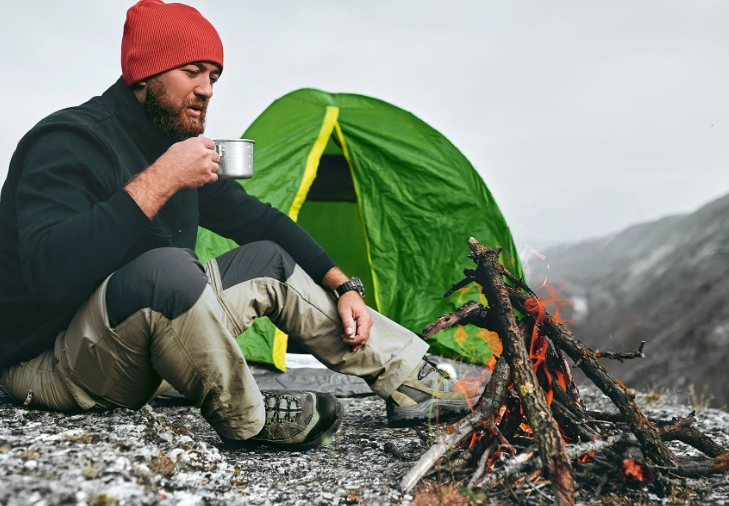
- Minimize Campfire Impacts: Use a camp stove. If you must have a fire, use an existing ring, keep it small, use only dead and downed wood, and drown it until it's cold to the touch. Check for fire bans first!
- Respect Wildlife: Store food properly (bear canister or hung 10 ft up and 4 ft out from a tree). Observe from a distance.
- Be Considerate of Other Visitors: Keep noise down. Your music isn't what people come out here to hear.
Safety: It's All On You
No ranger is going to swing by. Your safety is your responsibility.
- Tell Someone Your Plans: Give a trusted person your planned location (as specific as you can) and when you expect to check in.
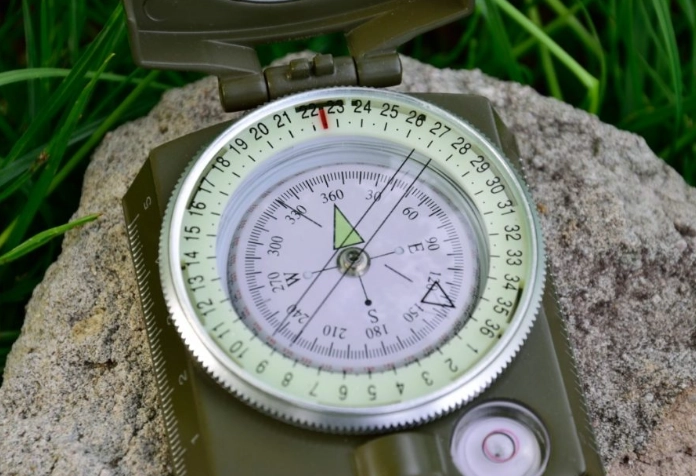
- Navigation: Have offline maps and a physical compass. Know how to use them.
- First Aid: Carry a kit and know basic first aid.
- Vehicle Preparedness: Spare tire, full-size jack, tire repair kit, extra water and food in the car. Getting stuck miles from pavement is a serious situation.
- Wildlife: Understand what animals are in the area. For bears, know proper food storage. For mountain lions, know how to react.
Gear You Actually Need (And What You Can Skip)
You don't need a $100,000 overland rig, but your car camping gear might need some upgrades.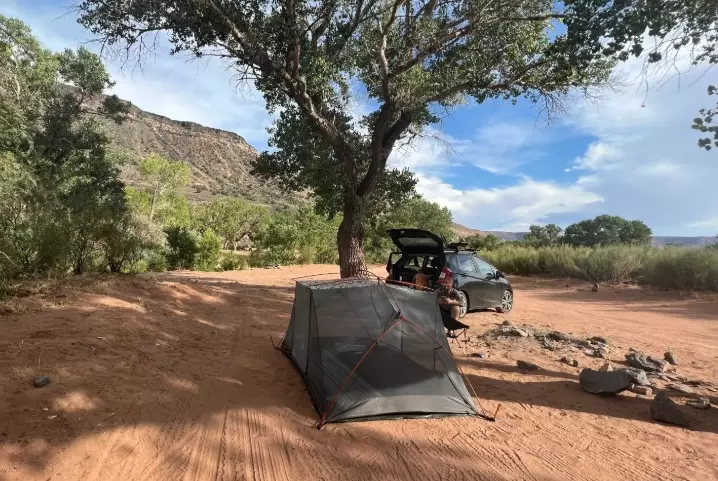
The Absolute Core List
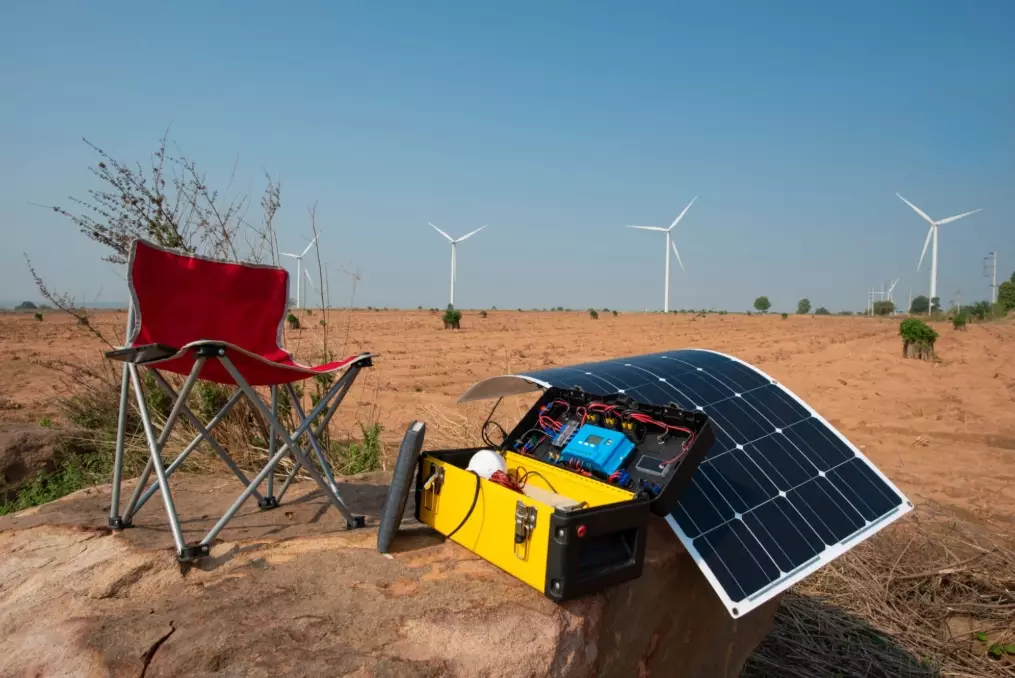
- Navigation: Phone with offline maps (Gaia, OnX) + power bank, paper map, compass.
- Water: Large containers (7-gallon jugs are great) and a reliable filtration/purification method (Sawyer Squeeze, Katadyn pump).
- Waste Management: Trowel for catholes, heavy-duty zip bags for used TP, trash bags.
- Food Storage: Bear-resistant container (like a BearVault) or rope for a proper hang, depending on regulations.
- Reliable Shelter & Sleep System: A tent you trust in wind and rain, a sleeping bag rated for temps 10-20°F below forecast, a good pad.
- Cooking: Camp stove, fuel, lighter. Don't rely on a fire.
Nice-to-Haves That Feel Like Luxuries
- Solar Shower: Hanging a bag of sun-warmed water in a tree is a sublime feeling after days in the dust.
- Small Rake & Broom: For tidying up your site before you leave, scattering duff over your cathole.
- Ham Radio or Satellite Communicator: Like a Garmin inReach for true emergency contact where there's no cell signal.
Top US Regions for Finding Dispersed Camping Spots
Some areas are just paradise for this. Remember, you still need to do your local research.
- Colorado's San Juan Mountains: National Forest land everywhere. Unbelievable mountain views. Roads like the Alpine Loop offer endless possibilities (high-cosure vehicle needed for many).
- Utah's BLM Land near Moab: The famous "Wall Street" along the Colorado River is a classic, but it gets busy. Venture further out on BLM roads for more solitude among the red rock.
- Arizona's Coconino & Kaibab National Forests: Surrounding the Grand Canyon, these forests offer pine-scented dispersed camping spots that are a world away from the park's crowds.
- Idaho's Sawtooth National Forest: Stunning alpine lakes and rugged peaks. Finding a quiet spot by a lake here feels like a major victory.
- California's Eastern Sierra (Inyo National Forest): Off US-395, countless roads lead into the foothills with views of the Sierra Nevada. Some spots feel like you're on the moon.
But what about the East? It's harder, but not impossible. Look at the Monongahela National Forest (WV) or the Green Mountain National Forest (VT). The roads and density are different, but the principles are the same.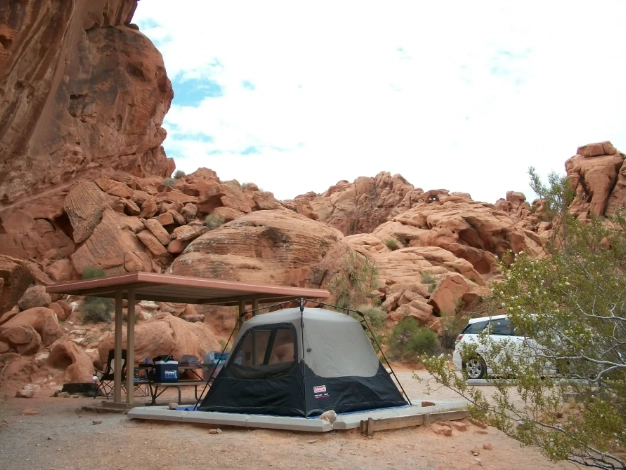
Common Questions About Dispersed Camping Spots (FAQ)
Let's tackle the stuff that keeps people up at night.
How long can I stay in one dispersed camping spot?
Almost always, there's a limit to prevent people from setting up long-term residence. On most USFS and BLM land, it's 14 days within a 28-day period. After that, you must move at least 25-30 miles away. Check local rules, as some popular areas have shorter limits (like 5 days).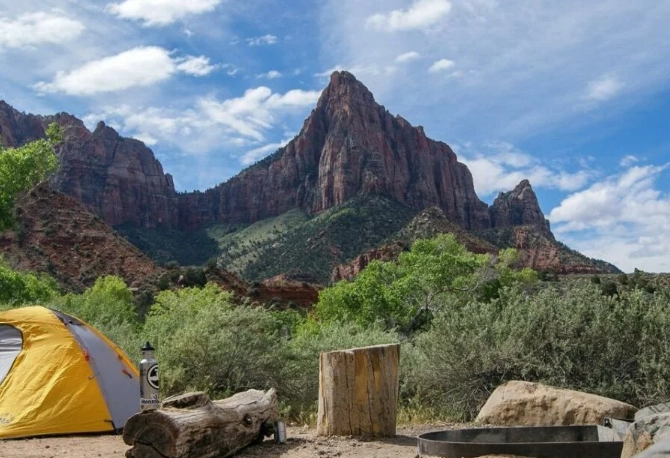
Is it safe for solo campers, especially women?
This is a huge and valid concern. I've done a lot of solo camping. The vast majority of people you meet out there are friendly outdoorsfolk. The primary risks are environmental (weather, injury) not human. That said, trust your gut. If a spot or a nearby group feels off, leave. Choose spots that aren't completely hidden from the road. Let someone know your location. Many women solo campers recommend having a plan and being confident in your skills, which reduces anxiety more than anything.
Can I have a campfire?
Maybe. This is the most variable rule. Always check for active fire bans with the local land manager. Even without a ban, use extreme caution. Use only existing fire rings, keep it small, and have water ready to drown it. In many arid western areas, they actively discourage fires outside of metal rings in developed campgrounds due to extreme wildfire risk. Honestly, I've mostly switched to a camp stove. It's easier, cleaner, and leaves no impact.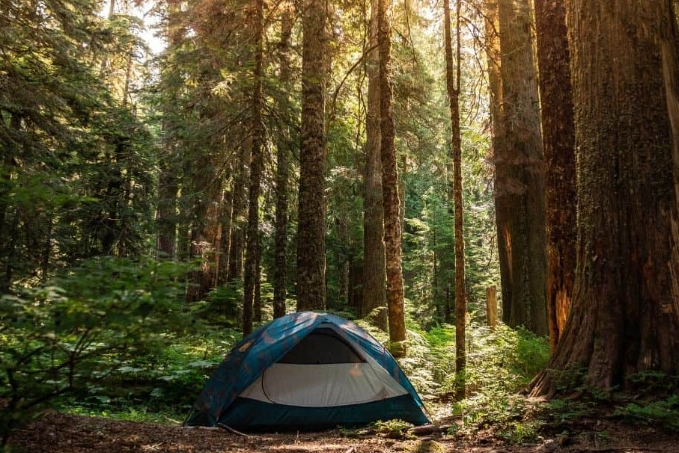
What's the deal with finding water?
You must bring all the water you'll need for drinking, cooking, and cleaning unless you have a proven filter/purifier and know there's a reliable water source (a flowing stream, not a stagnant pond). Never plan on "finding water." Plan your water needs at 1-2 gallons per person per day. I usually start a trip with 7-10 gallons in the car for two people for a weekend.
How do I know if I'm allowed to be there?
Signs are the final authority. If there's no sign, your research should have confirmed it's a general forest area. Look for boundary signs between private and public land. Apps like OnX show land ownership layers, which is super helpful. If you're unsure, err on the side of caution and don't camp there.
Look, finding the perfect dispersed camping spot is a skill. Your first time might feel awkward. You might drive more than you camp. But when you crest a hill and see that perfect, flat pull-off with a view of a distant mountain range, and you know it's yours for the night... there's nothing like it. It's worth the effort.
Start small. Pick a National Forest close to home for a single overnight. Do your map research. Go prepared. You'll learn more in that one trip than from reading ten articles. The land is out there waiting. You just have to know how to look for it.