Quick Guide
So you're thinking about a camping trip. The fresh air, the crackling fire, the stars... it all sounds perfect until you hit the planning stage and that one big question pops up: how much does it cost for a campsite? I've been there. You search online and get answers ranging from "free!" to "more than a hotel room." It's confusing, right?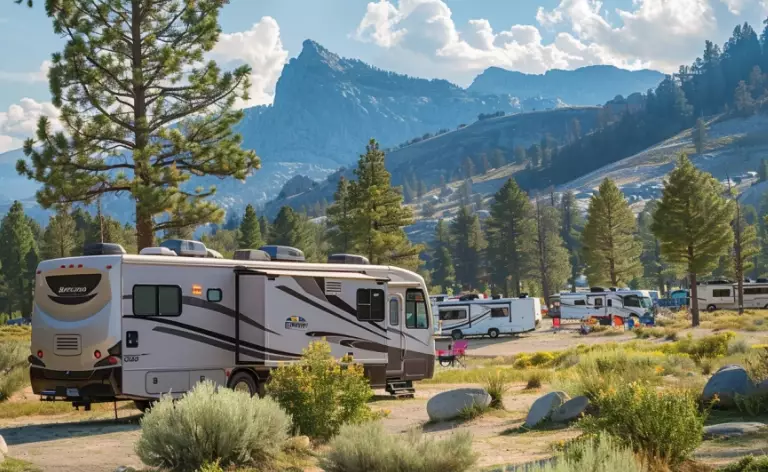
The truth is, there's no single number. Asking how much a campsite costs is like asking how much a meal costs—it depends entirely on what you're ordering and where you're eating. A basic tent site in a national forest is a world apart from a fancy cabin with a hot tub at a private resort. Your final price tag gets shaped by a bunch of factors: who owns the land, what amenities you absolutely need, the time of year, and even how far ahead you plan.
I've spent years camping on a shoestring budget and, occasionally, splurging on something fancy. I've also been hit with unexpected fees that made me groan. This guide is my attempt to save you from that surprise. We're going to dig into every layer of camping costs, from the obvious nightly rate to the hidden charges you might not think about until you're at the gate. My goal is to give you a crystal-clear picture, so you can budget accurately and avoid any nasty financial shocks that could ruin your vibe.
Let's get into it.
The Big Three: Where You Camp Determines the Price
This is the most important factor. The managing agency or owner sets the pricing philosophy. I like to break it down into three main worlds.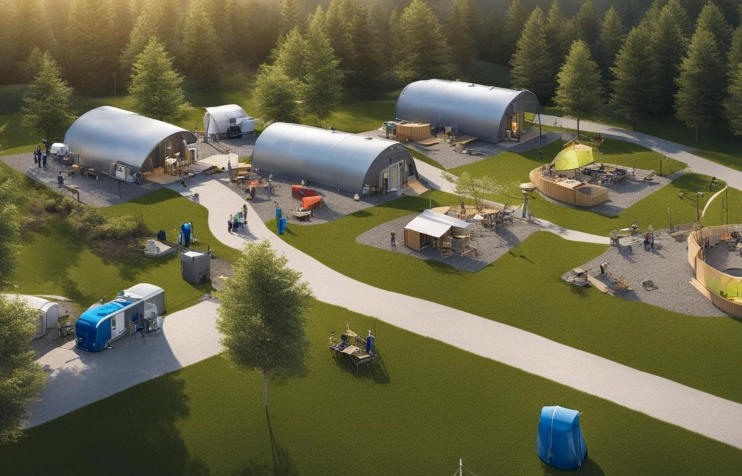
Public Land Camping (Federal & State)
This is the classic, often most affordable, option. We're talking National Parks, National Forests, Bureau of Land Management (BLM) areas, and state parks. The government runs these, so the goal isn't profit but conservation and access.
National Park Service sites are the crown jewels, and their campsites are in crazy high demand. Because of that, they're rarely the cheapest, but they offer incredible value for the location. You're paying to wake up in the heart of the scenery. In my experience, you're looking at $20 to $35 per night for a standard, non-hookup site in a popular park like Yellowstone or Yosemite. Some parks, like Great Smoky Mountains National Park, have a few first-come, first-served sites that are even cheaper, but you have to gamble on availability.
The real bargains are often on surrounding public lands. U.S. Forest Service and BLM lands are my go-to for budget trips. They offer thousands of developed campgrounds (with basic facilities like vault toilets and fire rings) for $10 to $20 per night. Even better, they allow "dispersed camping" for free in many areas. This means you can camp outside of a designated campground, following Leave No Trace principles. It's not for everyone—you have no facilities or neighbors—but for cost, it can't be beat. You absolutely must check the specific district's rules on the official Forest Service website or BLM site before you go.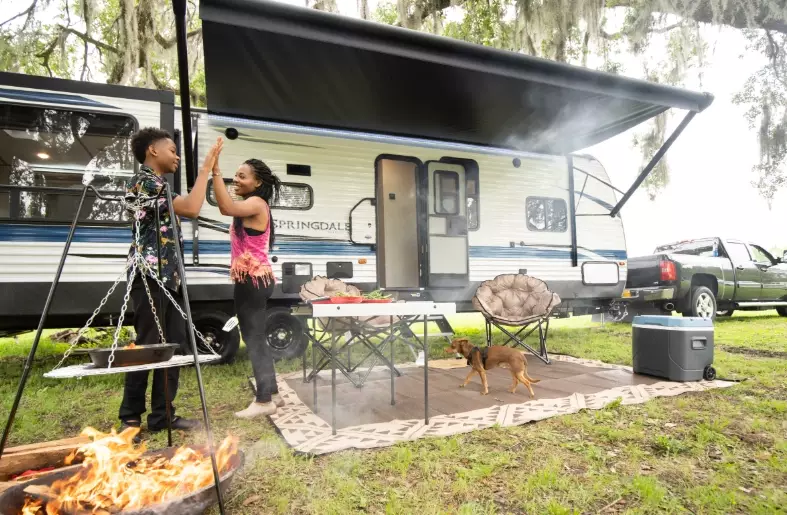
State parks are a fantastic middle ground. They're usually well-maintained, family-friendly, and often have great amenities like showers and visitor centers. Prices are very regional but typically fall between $15 and $40 per night. Some states, like New York or California, have higher fees for prime locations.
Private Campgrounds
This category is huge, from no-frills family-run spots to massive resort-style operations like KOA (Kampgrounds of America). What you're paying for here is predictability and amenities. You can almost always count on full hookups (water, sewer, electricity), clean bathhouses, laundry, a camp store, and often pools, playgrounds, or game rooms.
Prices reflect that. A basic tent site at a private campground might start around $25 to $40. But most private campgrounds make their money from RV sites with hookups. For a full-hookup RV site, expect to pay $40 to $70 per night, easily. In peak season at a popular destination near a tourist town, I've seen them approach $100. Franchises like KOA have tiered pricing ("Journey," "Holiday," "Resort"), with Resort KOAs commanding premium prices for their extensive amenities.
The private model is about convenience and comfort. If you have a big rig, need reliable Wi-Fi to work remotely, or are traveling with kids who need entertainment options, the higher cost can be worth every penny. You're not just renting a patch of dirt; you're renting a service experience.
The Glamping & Specialty Experience
This is where camping costs completely reinvent themselves. We're not talking about a tent anymore. Think safari tents on platforms with real beds, yurts, tiny houses, treehouses, or Airstream trailers decked out as boutique hotels.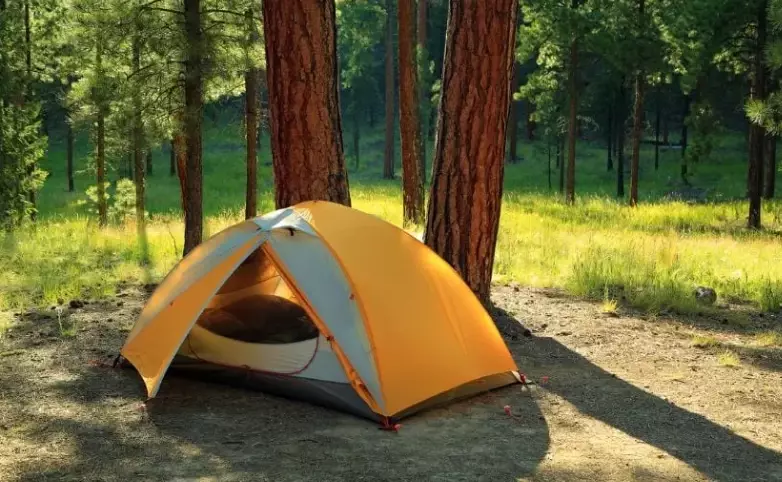
Platforms like Hipcamp and Tentrr have popularized this by allowing landowners to list unique sites. Prices are all over the map, from a somewhat reasonable $60 per night for a cool cabin to $250+ for a luxury experience with a private hot tub and stunning design.
You're paying for novelty, design, and privacy. Is it still camping? That's a philosophical debate. But when people ask how much does it cost for a campsite and get an answer of $200, this is usually the world they've stumbled into. It's a completely different product from a national forest campsite.
Here’s a quick comparison table to visualize the spectrum:
| Campground Type | Typical Nightly Rate (Tent) | Typical Nightly Rate (RV w/Hookups) | What You're Paying For | Best For |
|---|---|---|---|---|
| Public Land (Forest/BLM) | $10 - $20 | $15 - $30 (if available) | Basic facilities, epic location, nature immersion. | Budget travelers, solitude seekers, adventurers. |
| National/State Parks | $20 - $40 | $30 - $50 | Proximity to iconic sights, maintained facilities, ranger programs. | Families, first-timers, sightseers. |
| Private Campgrounds (e.g., KOA) | $25 - $45 | $45 - $80+ | Full amenities, reliability, family activities, convenience. | RV travelers, families with kids, those needing comforts. |
| Glamping / Specialty | $60 - $250+ | N/A (Unique accom.) | Unique stay, design, privacy, "Instagrammable" moments, comfort. | Special occasions, non-campers, luxury seekers. |
Beyond the Nightly Rate: The Hidden (and Not-So-Hidden) Fees
If you only budget for the nightly rate, you will be short. Trust me. Here's where the real cost of a camping trip gets built.
Reservation Fees: As mentioned, Recreation.gov and similar state portals charge them. Private sites often don't, but it's not universal.
Vehicle Fees: Many public land campgrounds charge per vehicle, not per site. Your site might be $20, but if you have two cars, there's often an extra vehicle fee (usually $5-$10). Some places have a strict one-vehicle limit. Always check.
Park Entrance Fees: This one catches first-timers. Your campsite reservation in a national park does NOT cover the park entrance fee. That's separate. For example, a 7-day pass to Yellowstone is $35 per vehicle. You need to budget for this on top of your campsite cost. This leads to the biggest money-saver...
Amenity Add-Ons: Want a premium lakeside site? That's extra. Need an electrical hookup for your CPAP machine? That can bump the price $5-$10/night. Some private campgrounds charge for cable TV or premium Wi-Fi.
Local Taxes: Don't forget sales and local occupancy taxes, which can add 5-12% to your bill, especially at private campgrounds.
Firewood and Ice: You can't bring your own firewood from far away (to prevent invasive insects), so you'll buy it locally for $7-$10 a bundle. Ice is another recurring cost if you're using coolers.
Dump Station Fees: If you're in an RV, dumping your tanks at the end of the trip often costs $5-$20 if you're not staying at a full-hookup site.
How to Actually Save Money on Campsites
Okay, so the costs can add up. Here are the strategies I use to keep my trips affordable, beyond just asking how much does it cost for a campsite and picking the cheapest number.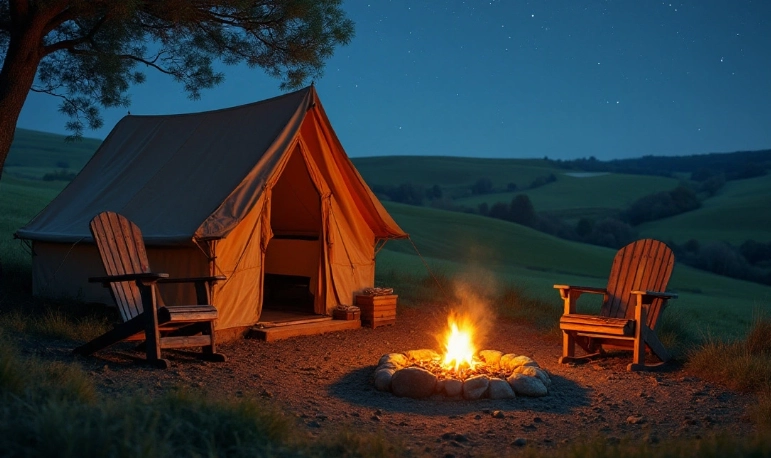
Book early. Like, really early.
For popular national park campgrounds, sites are released 6 months in advance on Recreation.gov, and they sell out in minutes for peak dates. If you want a cheap site in a great location, you must plan ahead. Setting a calendar reminder is non-negotiable.
Embrace the off-season and mid-week.
A Friday-Saturday stay is always the most expensive and crowded. If you can go Sunday-Thursday, you'll find better availability and sometimes lower rates, especially at private parks. Camping in late spring or early fall (the "shoulder seasons") is often cheaper and more pleasant than the crowded, hot summer.
Go primitive.
Choose a site without electric/water hookups. You'd be surprised how little you need them if you're tent camping. This simple choice can save $5-$15 per night.
Use loyalty programs.
Big chains like KOA have value cards that give you a 10% discount. If you use them frequently, it adds up.
Consider volunteer hosting.
Many public and private campgrounds offer free campsites in exchange for a certain number of hours per week doing light maintenance, greeting guests, or cleaning. It's a commitment, but it turns your campsite cost to $0. You have to apply well in advance.
Master dispersed camping.
If you're self-sufficient (carrying in all water, packing out all trash, needing no facilities), free dispersed camping on Forest Service/BLM land is the ultimate budget tool. It requires research and a sense of adventure, but it's incredibly rewarding. The cost for a campsite is literally zero dollars.
Real-World Scenarios: What Does a Trip Actually Cost?
Let's move from theory to practice. Here are two common scenarios with a rough budget breakdown. These are based on my own trips and current averages.
Scenario 1: The Family National Park Trip (Tent, 4 nights)
- Campsite: Developed site in Yellowstone (no hookups): $30/night x 4 = $120
- Reservation Fee: $10 (one-time on Recreation.gov)
- Park Entrance: $35 (vehicle, 7-day pass) OR covered by America the Beautiful Pass
- Extra Vehicle: $0 (one car only)
- Firewood: $8/bundle x 4 nights = $32
- Ice: $5/bag x 2 = $10
- Estimated Total (without Pass): $207
- Estimated Total (with $80 Annual Pass, amortized over 4 nights as $20): $192
Bottom Line: About $50 per night for the whole family's lodging and park access. Compared to hotels in the area, it's a steal.
Scenario 2: The RV Road Trip (Private Campgrounds, 3 nights)
- Campsite: Full-hookup site at private campgrounds: $65/night avg. x 3 = $195
- Reservation Fee: $0 (often free on direct booking)
- Local Taxes: 8% x $195 = $15.60
- Dump Station Fee (if not included): $10 (one-time)
- Estimated Total: $220.60
Bottom Line: Roughly $73 per night for all the comforts of home for the RV. The convenience and amenities justify the price for many travelers.
You see the difference? The campsite cost is just the anchor. The real trip cost builds around it.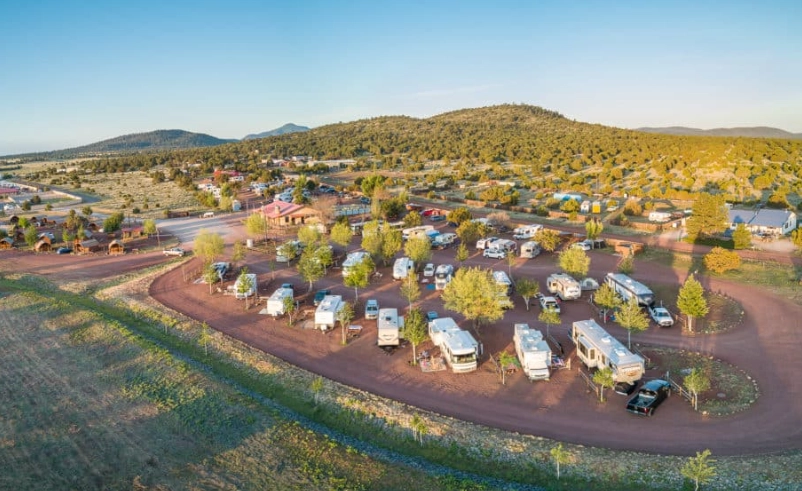
Answering Your Burning Questions (FAQs)
Final Thoughts: It's About Value, Not Just Cost
After all this number-crunching, here's my personal take. Obsessing over the lowest possible campsite cost can sometimes backfire. That $10 site with no water and a 30-minute drive on a dirt road might be perfect for a solo adventurer but a nightmare for a family with small kids after a long day of driving.
The better question is: what's the value for *my* trip?
For me, paying $30 to fall asleep to the sound of a river in a national park is worth ten times more than a $100 hotel room off the interstate. Paying $65 for a full-hookup site with a laundry room and a pool is a lifesaver on a cross-country RV move with the family.
My advice? Decide what you need for your trip to be enjoyable (real bathrooms? a flat tent pad? a playground?). Then, use the frameworks here to find the best price for that experience. Factor in all the extra fees from the start. Get that annual pass if it makes sense. Book as early as you can.
Camping, at its heart, is about connection—to nature, to friends, to a simpler pace. Understanding the real cost, with all its layers, removes the financial anxiety and lets you focus on what matters: making memories around that fire, wherever you choose to pitch your tent.
Hope this deep dive helps you plan an amazing trip without any budget surprises. Now get out there.