Let's be honest. Shopping for a sleeping bag can feel like trying to decipher an alien language. You see numbers like "20°F EN Comfort" and terms like "650-fill power hydrophobic down," and your eyes just glaze over. I've been there. I once bought a bag rated for "30°F" for a summer trip, only to spend the night shivering in 45-degree weather. That experience taught me that understanding camping sleeping bag ratings isn't just about specs—it's about not freezing your toes off.
This guide cuts through the marketing jargon. We'll break down what those ratings actually mean, expose the common pitfalls most buyers miss, and give you a clear framework to pick the bag that matches your real-world needs, not just a hopeful number on a tag.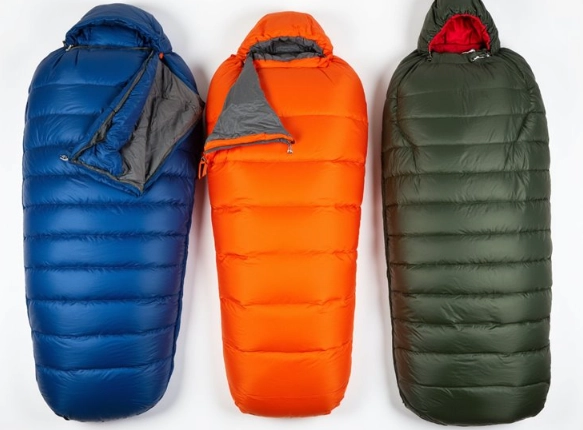
In This Article
Decoding Temperature Ratings: EN/ISO vs. Survival
The number you see plastered on a bag is its temperature rating. But here's the kicker: not all ratings are created equal. There are two main systems, and confusing them is the number one reason people end up with the wrong bag.
The Gold Standard: EN/ISO Ratings
If a bag has an EN (European Norm) or ISO (International Organization for Standardization) rating, you can actually trust it. It's a standardized lab test using a thermal manikin and a standard set of assumptions (like wearing a base layer and using an insulated sleeping pad). The test gives you three key numbers:
- Upper Limit: The max temperature at which a standard male can sleep without sweating. Basically, when it's too hot.
- Comfort Rating: This is the most important number for most campers. It's the temperature at which a standard female can sleep in a relaxed posture. For men, this is often a conservative estimate.
- Lower Limit: The temperature at which a standard male can sleep curled up for 8 hours without waking. You'll be cold, but you'll survive.
Survival Ratings (A.K.A. The Marketing Game)
Bags without EN/ISO testing often use "Survival" or "Extreme" ratings. These are essentially guesses by the manufacturer. A bag labeled "20°F" under this system might only keep you from getting hypothermia at 20°F, not sleeping comfortably. It's a red flag. I generally avoid any bag that doesn't advertise a standardized rating for anything beyond casual summer use.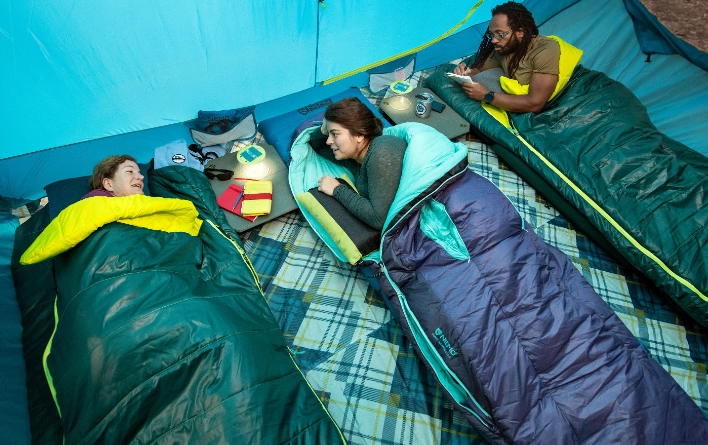
How to Choose the Right Sleeping Bag for You
Forget the "one bag to rule them all" fantasy. Your perfect bag depends on three things: where you sleep, how you sleep, and what you carry.
| Camping Scenario | Recommended Temperature Rating (Comfort) | Key Priorities | Bag Type Example |
|---|---|---|---|
| Summer Car Camping (temps > 50°F/10°C) | 40°F to 60°F | Roominess, cost, easy cleaning | Rectangular synthetic bag |
| 3-Season Backpacking (temps 20°F to 50°F / -7°C to 10°C) | 15°F to 30°F | Weight, pack size, warmth-to-weight ratio | Mummy-style down bag |
| Cold Weather/Winter Camping (temps | 0°F to 15°F (or lower) | Maximum insulation, draft tubes, robust hood | Expedition-style mummy bag |
| Ultralight & Fastpacking | Dependent on conditions | Minimal weight above all else | High-fill-power down quilt or minimalist bag |
Think about your last few trips. Were you mostly at drive-in sites with the family? Or were you hauling a pack up a mountain? That answer steers your entire decision.
The Great Fill Material Showdown: Down vs. Synthetic
This is the eternal debate. The fill is what traps heat, and your choice here impacts everything: warmth, weight, packability, cost, and performance in damp conditions.
Down Insulation: The Warmth King
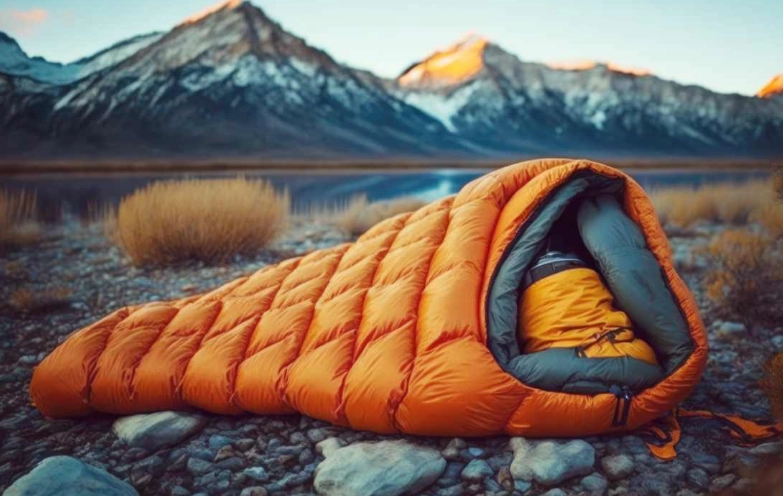
Down is the fluffy undercoating from ducks or geese. Its magic is measured in fill power (e.g., 650, 800, 900). This number indicates the volume (in cubic inches) one ounce of down occupies. Higher fill power means better loft and warmth for less weight.
- Pros: Unbeatable warmth-to-weight ratio. Super compressible. Lasts for decades if cared for.
- Cons: Expensive. Loses all insulating power when wet. Requires careful washing.
- Look for: "Hydrophobic down" – it's treated to resist moisture, a game-changer for humid climates.
Synthetic Insulation: The Reliable Workhorse
Made from polyester fibers engineered to mimic down's loft. Common brands include PrimaLoft, Thermolite, and Climashield.
- Pros: Retains some warmth when wet. Dries faster. More affordable. Hypoallergenic. Easier to clean.
- Cons: Heavier and bulkier than down for the same warmth. Loses loft (and warmth) over time due to fiber breakdown.
My rule of thumb? If you're backpacking in dry climates and want the lightest, smallest pack, invest in a high-fill-power down bag. If you're camping in consistently damp or coastal environments, or on a tight budget, a quality synthetic is the smarter, safer bet.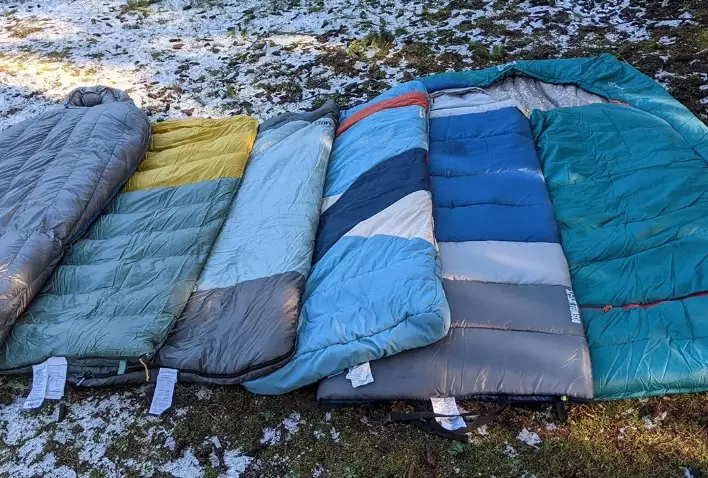
Beyond the Rating: Key Features That Matter
A good rating can be ruined by poor design. Here’s what to scrutinize once you've narrowed down the temperature and fill.
- The Hood: A well-fitted, insulated hood is your primary heat saver. Look for a drawcord you can operate with cold, clumsy fingers.
- The Zipper: A full-length, two-way YKK zipper is worth its weight in gold. It lets you vent your feet and makes it easier to get in and out. Check for a draft tube behind the zipper—a thin strip of insulation that blocks cold air seepage.
- Shape & Fit: A mummy bag is warmer (less air to heat) but restrictive. A semi-rectangular offers a compromise. If you toss and turn, a bit more room might be worth a slight warmth penalty.
- Shell Fabric: This is the outer material. Look for terms like "ripstop" for durability and a DWR (Durable Water Repellent) finish to shed light moisture and dew.
3 Common Mistakes Even Experienced Campers Make
I've guided trips for years and seen these errors repeatedly.
1. Ignoring the Sleeping Pad's R-Value. Your bag's insulation gets compressed underneath you. The pad provides the crucial barrier to the cold ground. A high-R-value pad (≥ 4 for winter) is non-negotiable for cold weather. The National Outdoor Leadership School (NOLS) curriculum emphasizes this system approach—bag and pad work together.
2. Storing the Bag Compressed. You get home, stuff the bag into its tiny stuff sack, and throw it in the closet. Big mistake. This permanently damages the loft of down and synthetics over time. Always store your bag loosely in a large cotton or mesh sack, or hung up in a closet.
3. Over-relying on the "Extreme" Rating. That -20°F rating is for survival, not a pleasant night's sleep. Pushing a bag to its absolute limit means you'll be wearing every piece of clothing you own, which can actually compress the bag's insulation and make you colder. Give yourself a comfort buffer.
Your Burning Questions Answered