You've got the gear (or a shopping list), you're scrolling through trail maps, and the excitement is building. Then the big question hits: how many nights should you plan for? Tell a seasoned hiker you're thinking of a 5-day epic for your maiden voyage, and you might see a subtle wince. Suggest just a quick overnight, and they might say you're selling yourself short. So what's the magic number?
After leading dozens of beginners into the backcountry and learning from my own early missteps (like the time I packed 40 pounds for a one-nighter), I can tell you the best answer isn't a single number. It's a range, shaped by you. For most first-timers, the sweet spot is 1 to 3 nights. This gives you enough time to learn the rhythm of trail life without overwhelming your body or mind.
Let's ditch the one-size-fits-all advice. A weekend warrior in good shape can handle a different challenge than someone stepping off the couch. The goal isn't to suffer through; it's to finish wanting more.
Your Quick Trail Map
Key Factors That Determine Your Ideal Trip Length
Think of these as the dials you adjust to set your trip's difficulty. Ignoring even one can turn a dream trip into a grind.
Your Fitness & Hiking Experience
This is the biggest one. Can you comfortably hike 6-8 miles with a daypack on a hilly trail? If yes, a 2-night trip is likely within reach. If you're new to hiking itself, stick to one night. The trap people fall into is focusing only on distance. Carrying a 25-30 pound pack (a realistic beginner weight) changes everything. Your pace slows, your muscles fatigue differently. A 5-mile backpack feels like a 10-mile day hike.
My rule of thumb: For your first trip, plan to hike no more than 4-6 miles per day with your full pack. Choose a trail that allows this.
Trail Difficulty & Elevation Gain
This is where beginners get burned. A flat 8-mile lake loop is a world apart from an 8-mile climb up a mountain pass. Elevation gain is the silent trip-killer. I'd rather hike 10 miles with 500 feet of gain than 5 miles with 2,500 feet of gain on a first trip.
Check the trail profile. Resources like the National Park Service trail pages or AllTrails show this. If the elevation line looks like a heart attack, pick something gentler.
Season & Weather
A sunny weekend in July allows for longer days, more relaxing at camp. A trip in shoulder seasons (late fall, early spring) means shorter daylight, potentially colder temps, and a need to move faster. Longer trips increase your exposure to changing weather. For a first attempt, stable, mild weather is a huge advantage. Don't try to be a hero in the rain or snow.
Your Psychological Goal
Are you testing the waters or seeking a deep immersion? Needing to be "out there" for four days to feel accomplished is a recipe for misery if your body isn't ready. The primary goal of your first trip should be skill acquisition and enjoyment. Can you filter water, set up your tent, and cook a meal without panic? Nailing these on a shorter trip builds confidence for longer ones.
The Experience-Based Duration Guide
| Your Profile | Recommended Trip Length | Daily Mileage (with pack) | Why This Works |
|---|---|---|---|
| Absolute Beginner Minimal hiking, new gear |
1 night (Weekender) | 3-5 miles | Minimizes risk, focuses on learning camp skills. Easy escape if needed. |
| Active Day Hiker Regular hikes, decent fitness |
2 nights | 5-7 miles | Allows for a full "travel day" between camps. Builds routine without exhaustion. |
| Very Fit & Prepared Extensive day hiking, practiced with gear |
3 nights | 6-9 miles | Offers a true multi-day rhythm. Requires solid gear and navigation skills. |
Notice 4+ nights isn't on here. That's intentional. Jumping to that as a beginner often means you're either on a brutally easy trail (which can get boring) or you're risking physical burnout. Master the 3-night trip first.
Two Sample Itineraries for First-Time Backpackers
Let's make this concrete. Here are two hypothetical but realistic trips based on common U.S. landscapes.
Sample 1: The Classic 2-Night Lake Loop (For Active Beginners)
Concept: A moderate loop trail with a scenic lake as the midpoint camp. This is the gold standard for a first real backpacking experience.
Hypothetical Trail: "Maple Ridge to Crystal Lake Loop" in a national forest.
- Day 1 (Friday PM): Hike in 3.5 miles to lakeside campsite. Elevation gain: 800 ft. Focus: Arrive with daylight, set up camp, cook dinner, enjoy stars.
- Day 2 (Saturday): Zero-day or explore. Day hike 4 miles round-trip to a vista without your full pack. Swim, fish, read. This is the luxury day that makes backpacking joyful, not just endurance.
- Day 3 (Sunday): Hike out 4.5 miles the other side of the loop. Gain: 600 ft. You're home for a late lunch and a glorious shower.
Why it works: It builds in a rest day. The hardest hiking is done with fresh legs on Day 1. The loop format means new scenery on the way out.
Sample 2: The Simple 1-Night Out & Back (For Total Newbies)
Concept: Minimal commitment, maximum learning. Hike in, camp, hike out. The goal is to practice, not to cover miles.
Hypothetical Trail: "River Valley Trail" in a state park.
- Day 1 (Saturday AM): Hike 2.5 miles along a river to designated campsite. Gain: 300 ft. Take your time. Practice navigating with map/phone. Set up camp by 2 PM. Now, test all your gear: stove, water filter, sleeping pad inflation. If something fails, you're only 2.5 miles from the car, not 10.
- Day 1 (Saturday PM): Relax. The pressure is off. This is where you discover if your sleeping bag is warm enough or if you packed too many snacks.
- Day 2 (Sunday): Leisurely breakfast, break camp, hike the 2.5 miles back. You're done by noon.
Why it works: It removes the fear of being "stuck." It turns the trip into a focused gear and skills workshop with a beautiful backdrop. Success is almost guaranteed, which is the best motivator for trip number two.
The Expert's Non-Consensus View: The "Second Night" Phenomenon
Here's something you won't read in most guides: Your first night on the trail is often psychologically the hardest. You're hyper-aware of every sound, your sleep system feels unfamiliar, and little anxieties pop up. By the second night, you've settled into the routine. Your body relaxes, you know what to expect. This is why, if you can handle the mileage, a 2-night trip often feels more rewarding than a 1-nighter. You get past the initial novelty and anxiety and into the actual rhythm of backcountry life. A 1-nighter sometimes feels like you just got comfortable when it's time to leave.
Your 5-Step Planning Checklist
- Pick Your "Type" from the table above. Be brutally honest. Are you an Absolute Beginner or an Active Day Hiker?
- Find a Specific Trail. Use AllTrails or official land manager sites (US Forest Service, National Park Service). Filter for "backpacking," moderate difficulty, and your target mileage. Look for recent trail reports on water and conditions.
- Check for Permits & Regulations. Many popular areas require permits, often months in advance. Nothing kills a plan faster than realizing you need a permit you don't have. Also note rules on campfires, bear canisters, and designated campsites.
- Do a Shakedown Hike. A week before, pack your bag exactly as you would and go for a 3-4 mile day hike on a local hill. This reveals rubbing straps, weight distribution issues, and if your shoes will cause blisters. It's the single most important pre-trip step.
- Plan Your Food & Water. Don't get gourmet. Simple, no-cook lunches, easy dinners like dehydrated meals. Know where your water sources are on the map and have a reliable filter. Pack 1 extra dinner and breakfast—a "bonus" meal in case you're delayed.
Answers to Your Biggest Backpacking Questions
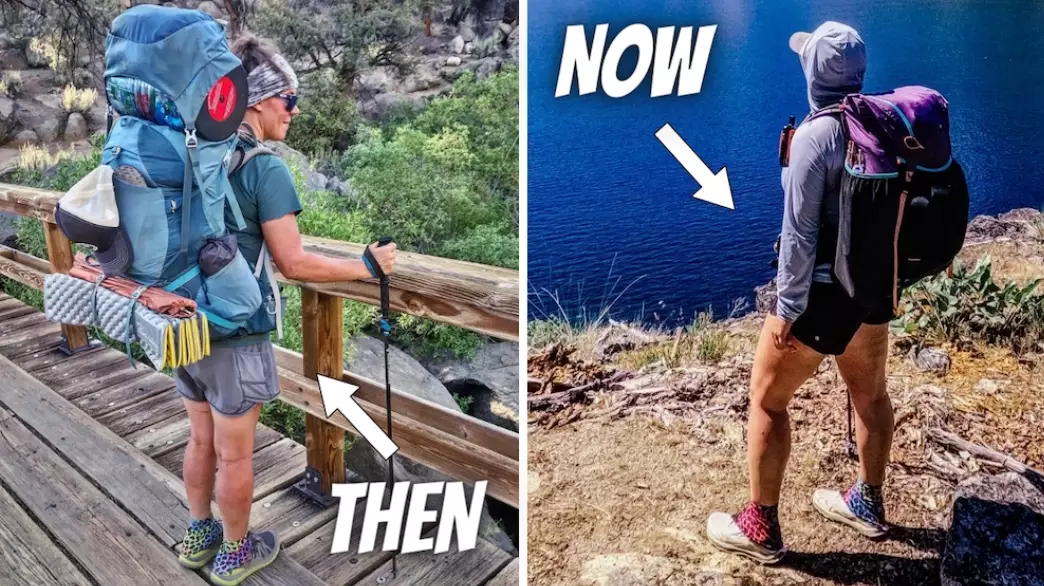 How much should my pack weigh for a 2-night trip?