What's Inside
- Why a Lake Makes All the Difference
- Top Regions for Lake Camping in Washington
- Detailed Look at Top Lake Campgrounds
- How to Actually Get a Site (The Hard Part)
- Gear You'll Actually Need (And What You Can Skip)
- Answering Your Questions (The FAQ Section)
- Making the Decision: Which One is Right for You?
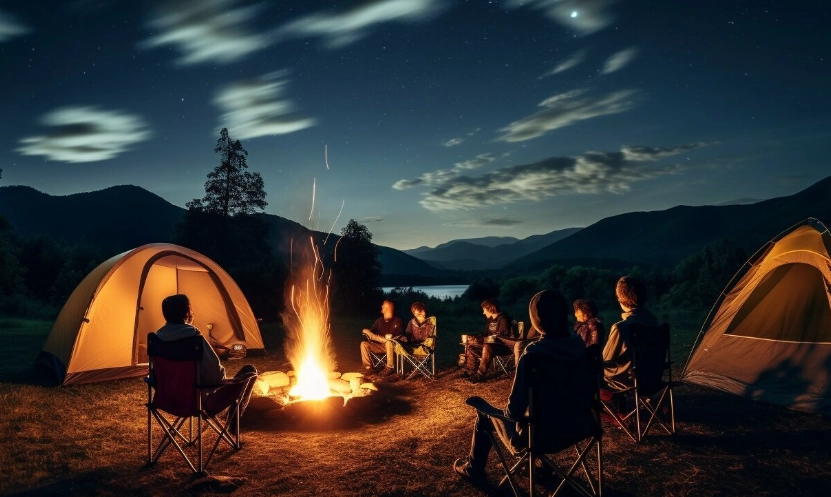
Let's be honest, scrolling through pictures of crystal-clear water backed by mountains while you're stuck at your desk is a special kind of torture. You're not just looking for a campsite; you're looking for that moment of pure peace, where the only sounds are loons calling and the gentle lap of water against the shore. That's the magic of lake camping in Washington.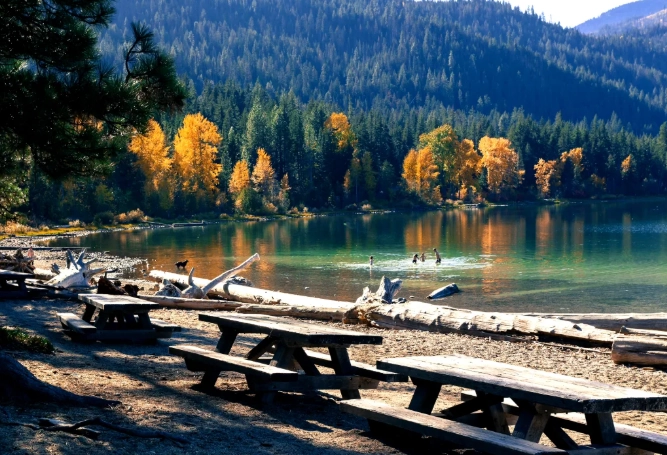
But here's the thing—Washington has hundreds of lakes, and picking the right campground can feel overwhelming. Do you want to hike in, or drive right up? Are you after fishing, or just a stunning view with your morning coffee? I've spent more nights than I can count in a tent by Washington's lakes, from the crowded classics to the hidden gems you have to work a little harder to find.
This guide is here to cut through the noise. We're going to talk about the real best camping in Washington State with a lake, not just the most famous ones. I'll share some spots that blew me away, and a couple that, frankly, didn't live up to the hype (and how to avoid disappointment). Let's get you out there.
Why a Lake Makes All the Difference
Camping by a lake isn't just about having a nice view. It changes the entire experience. The air feels different—crisper in the morning, softer in the evening. The lake acts as a giant mirror for sunrises and sunsets, doubling the show. It's a natural playground for swimming, kayaking, or just dangling your feet in the cool water after a hike.
More practically, a lake often means easier access to water (though you must always filter or treat it!), and the open space can mean fewer bugs than a dense, damp forest site. For families, it's a built-in babysitter of endless entertainment. For solo travelers, it's a companion that never stops being interesting.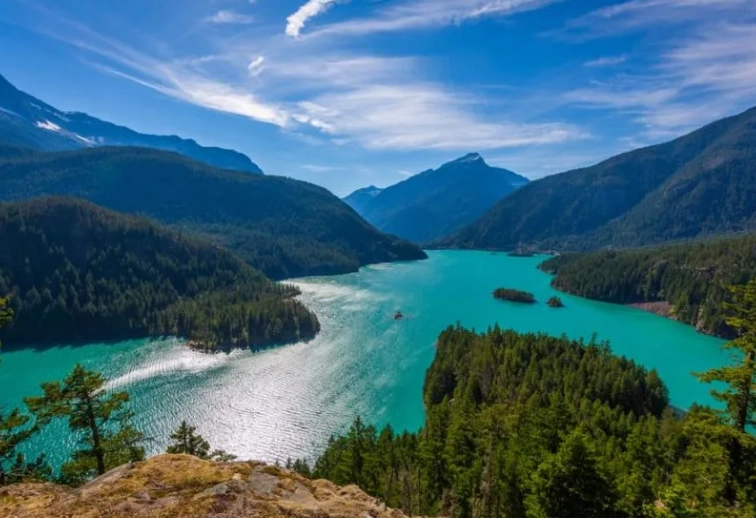
Top Regions for Lake Camping in Washington
Washington's geography blesses it with distinct camping zones. Your ideal trip depends on which landscape calls to you.
The Cascade Mountain Lakes
This is the postcard image. Alpine lakes nestled in granite bowls, often reachable only by trail. The water is shockingly clear and cold. The camping here is often more rustic—think designated sites with a fire ring and a bear wire. The Okanogan-Wenatchee National Forest and Mt. Baker-Snoqualmie National Forest websites are your best friends for current conditions and permits.
Permits are a big deal here. For the ultra-popular spots like the Enchantments or some Mt. Rainier areas, you'll need a lottery-won permit. It's a hassle, but it keeps the place from being loved to death.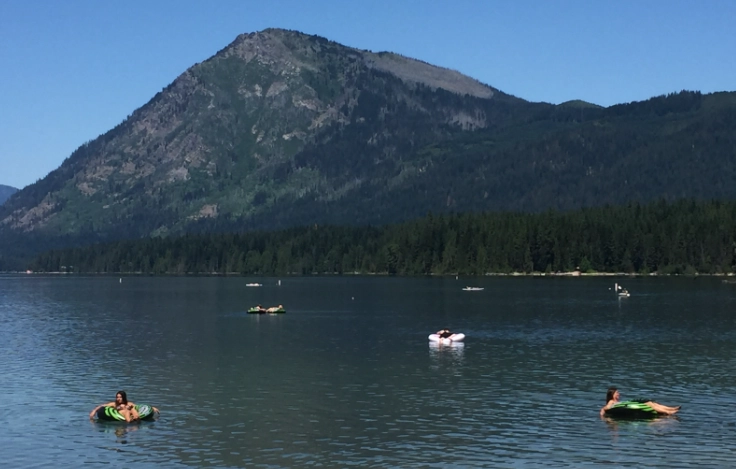
The Olympic Peninsula Lakes
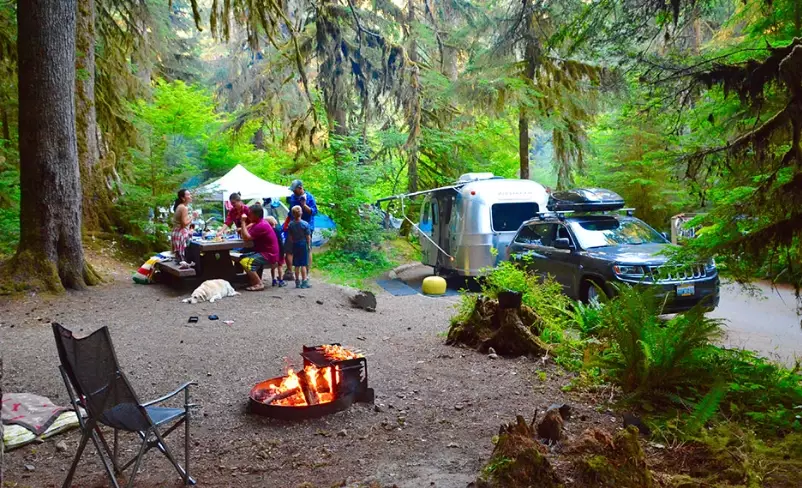
A completely different vibe. The lakes here, like Crescent or Quinault, are often vast, deep, and surrounded by towering old-growth rainforest. The camping feels more established, with proper campgrounds run by the National Park Service or forest service. The air is damp, the moss is thick, and the silence under those giant trees is profound. It's less about stark alpine beauty and more about lush, green serenity.
Eastern Washington Lakes
Don't sleep on the east side of the mountains! The climate is drier, sunnier, and warmer. Lakes like Chelan or Roosevelt are massive, offering a resort-like camping experience with marinas, boat rentals, and long stretches of shoreline. It's ideal if your vision of the best camping in Washington State with a lake involves waterskiing, jet skis, and sunbathing on a floatie.
Detailed Look at Top Lake Campgrounds
Okay, let's get specific. Here’s a breakdown of some standout options that truly represent the best camping in Washington State with a lake. I've tried to include a mix of accessibility and experience.
| Campground Name | Lake & Region | Best For | Need to Know |
|---|---|---|---|
| Colchuck Lake / Stuart Lake Trailhead | Colchuck Lake, Central Cascades | Backpackers, photographers, peak-baggers. The iconic "blue lake" view. | Strenuous 8-mile round trip hike in. Recreation.gov permit (lottery) is mandatory May-Oct. No fires allowed at lake. |
| Ohanapecosh Campground | Near Silver Falls, Mt. Rainier NP | Families, car campers, old-growth forest lovers. Not directly on a major lake, but the river and falls are stunning, and it's a prime base. | A National Park Service gem. Reservations essential. Easy access to Grove of the Patriarchs. |
| Lake Wenatchee State Park | Lake Wenatchee, Central Cascades | Group camping, water sports, easy access. Great mix of mountain views and lake fun. | Two separate campgrounds (North & South). Can get windy on the lake. Book via Washington State Parks. |
| Sol Duc Hot Springs Resort Campground | Sol Duc River, Olympic Peninsula | Those who want camping *and* a soak. Unique combo of rainforest and hot springs. | Campground is basic, but you pay for pool access. Very popular, book far ahead. |
| Steamboat Rock State Park | Banks Lake, Eastern WA | Sun seekers, boaters, fishermen. Dramatic desert scenery and a huge warm-water lake. | Hot in summer, often windy. A world away from the wet west-side forests. |
That table gives you a quick snapshot, but there's so much more to each place.
Digging Deeper: A Few Personal Favorites
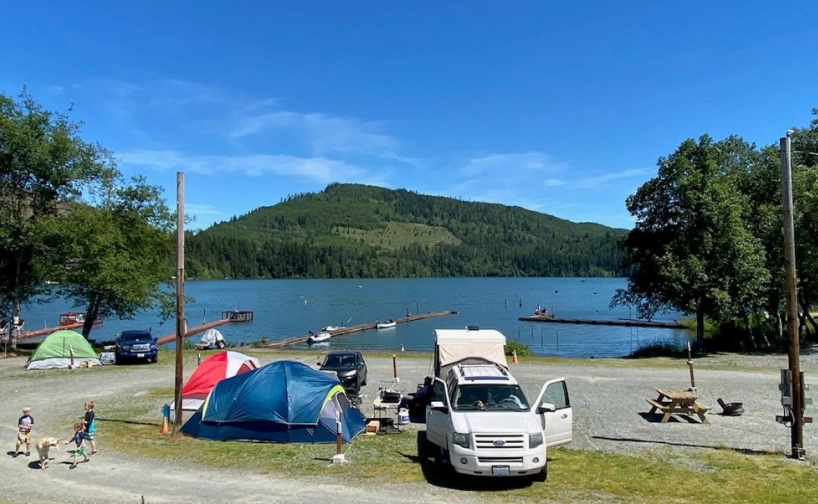
Lake Wenatchee State Park: I've ended up here more times than planned because it's just so reliable. The South Park is more forested and feels cozier. The North Park is more open, with killer views of Dirtyface Peak. The lake is big enough for motorboats but has calm corners for paddling. The campground itself is nothing fancy—standard state park fare—but the location is the star. It's a perfect example of accessible, family-friendly best camping in Washington State with a lake.
Ohanapecosh: Calling this a "lake" spot is a bit of a stretch, and I almost didn't include it. But the sound of the Ohanapecosh River rushing by is just as good as lake waves, and the access to the park's highlights is unbeatable. It's a reminder that sometimes the best lake-*area* camping isn't literally on the shore. The old-growth trees here are humbling. It feels ancient.
Banks Lake/Steamboat Rock: This was a revelation. After years of west-side camping, the dry heat, the scent of sagebrush, and the warm water were a joyful shock. You can swim without gasping from the cold. The starry nights are unobstructed. It's a different Washington, and it proves that the best lake campgrounds in Washington aren't all in the mountains.
How to Actually Get a Site (The Hard Part)
This is the least fun but most critical section. The days of rolling up to a gorgeous lakefront site on a Friday afternoon are mostly gone.
- Reservation Systems: Most popular sites are on Recreation.gov (federal) or Washington State Parks' site. Bookings often open 6-9 months in advance, and prime summer weekends sell out in minutes. Set a calendar reminder.
- First-Come, First-Served (FCFS): Some Forest Service and smaller campgrounds still operate this way. Your strategy? Aim to arrive on a Wednesday or Thursday for a weekend spot. If you must arrive Friday, be there by 10 AM at the latest. Talk to the camp host immediately.
- The Dispersed Camping Option: In many National Forests, you can camp for free outside of designated campgrounds, following Leave No Trace principles. This is how you find true solitude. You need a good map, self-sufficiency, and to be absolutely certain you're on public land where it's allowed. The US Forest Service site for the specific forest has the rules.
Gear You'll Actually Need (And What You Can Skip)
Lake camping has some specific gear needs beyond your basic tent and sleeping bag.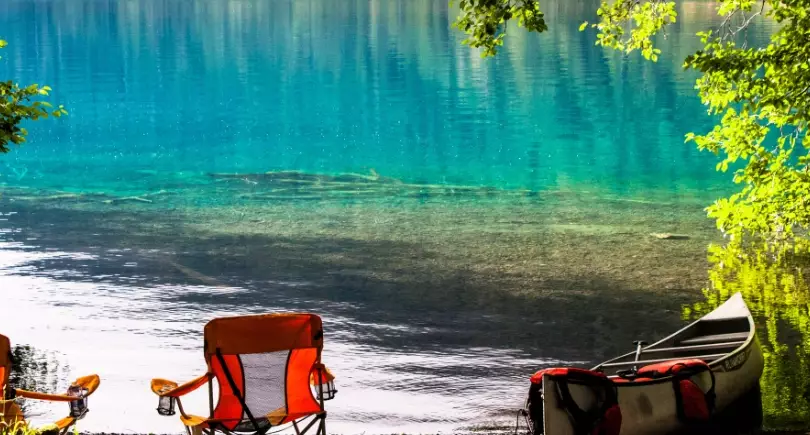
Must-Haves:
- A Quality Water Filter/Purifier: Even crystal-clear lake water can harbor giardia. A pump filter or a gravity system like a Platypus is a lake camper's best friend. I never boil all my water anymore—filters are too easy.
- Warm Layers, Even in Summer: Lakes create their own microclimate. It can get surprisingly cold and damp at night, even after a hot day. A puffy jacket and a warm hat have saved many evenings for me.
- Water Shoes or Sandals: Lake shores are rocky or muddy. Having dedicated footwear for getting in and out of the water is a game-changer for comfort and safety.
- A Way to Enjoy the Water: This is the whole point! An inflatable paddleboard, a packable kayak, or even just a heavy-duty inflatable raft multiplies the fun. Don't forget the life jacket (PFD)—it's non-negotiable and often legally required.
Can Probably Skip:
- Elaborate Cooking Gear: Keep meals simple. One-pot pastas, pre-made foil packs. You're there for the lake, not to be a gourmet chef.
- Massive Cooler of Perishables: It's a pain to haul, and bears love them. Plan for more non-perishable foods.
- Bluetooth Speaker: Please. Just use headphones. The natural soundscape is the playlist.
Answering Your Questions (The FAQ Section)
It's a trade-off. July through September offers the most reliable warm, dry weather and snow-free trails to alpine lakes. But that's also when everyone else is out. For smaller crowds, target late June (some high trails may still have snow) or September after Labor Day. The weather can be more unpredictable, but the fall colors are incredible.
Usually yes in state and national forest campgrounds, but they must be leashed. National Parks are much stricter. In places like Mt. Rainier or Olympic, pets are often prohibited on trails, in wilderness areas, and sometimes even in the backcountry campgrounds. Always, always check the specific rules for your destination. It's a major bummer to find out your dog can't leave the parking lot.
It's their home, we're visitors. In most of Western Washington, black bears are common. Proper food storage is not a suggestion—it's a requirement for your safety and the bear's. Use the provided bear-proof lockers at campgrounds. In the backcountry, use a bear canister or know how to properly hang a bear bag. Mice and raccoons are often bigger nuisances at established campgrounds than bears!
Generally, yes. Alpine lakes are very cold (like, take-your-breath-away cold) even in August. Bigger, lower-elevation lakes warm up nicely. Always be cautious of unseen logs or rocks. The main thing to watch for later in summer is algae blooms in some warmer, stagnant lakes, which can be toxic. If the water looks oddly scummy or bright green, don't go in.
This is a huge and changing issue.
Always, always check current fire restrictions with the land manager (Park Service, Forest Service, State Parks) before you go. During dry summer periods, campfire bans are common, even in established fire rings. Have a camp stove as your primary cooking method. And if fires are allowed, keep them small, never unattended, and drown them out completely with water until the ashes are cold to the touch.
Making the Decision: Which One is Right for You?
So how do you choose from all this? Ask yourself these questions:
- Who's going? Just you and a partner? A family with small kids? A big group of friends? Solitude vs. facilities.
- What's your comfort level? Are you okay hiking 4 miles with a heavy pack, or do you need to park 20 feet from your tent?
- What's the goal? Summit a mountain from basecamp? Fish all day? Read a book in a hammock and float on the water?
- When are you going? Early season limits high alpine options. Late season risks cold nights and rain.
If you answer those, the list of best camping in Washington State with a lake options will narrow down quickly to the perfect one for *this* trip. There's always next time to try a different one.
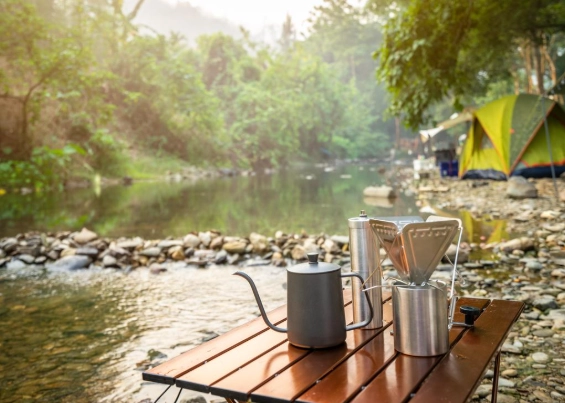
Look, the goal isn't to check off the "top" list. The goal is to find *your* lake. The one where you'll remember the way the mist rose off the water at dawn, or the stupidly big fish your kid almost caught, or the taste of coffee that just tastes better when you're sitting on a log looking at water.
Do your homework on permits and reservations, pack that warm jacket, and leave the speaker at home. Washington's lakes are waiting. They're worth every bit of the planning effort.
Now go get your site booked before someone else does.