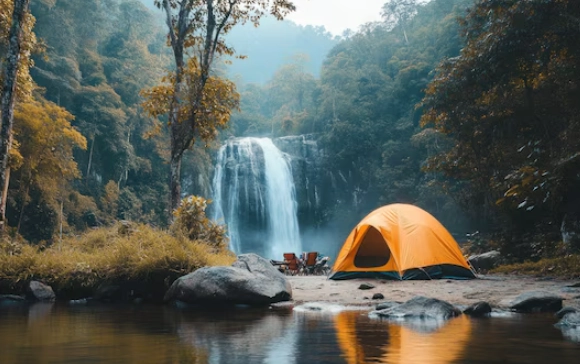
There's something magical about falling asleep to the sound of rushing water and waking up to a misty waterfall view. Camping with waterfalls isn't just another outdoor trip; it's an immersive experience that blends adventure with serenity. But let's be honest—it can also be tricky if you're not prepared. I've spent over a decade exploring waterfall campsites across the US, from crowded national parks to hidden gems, and I've made my share of mistakes. In this guide, I'll walk you through everything you need to know, from picking the right spot to avoiding common pitfalls that most beginners overlook.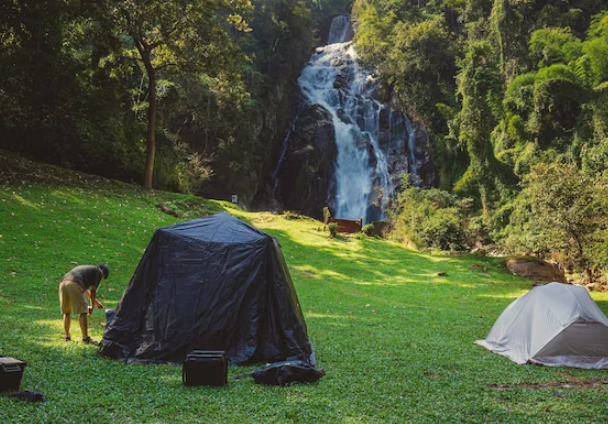
What You'll Find in This Guide
Why Choose Waterfall Camping?
You might think camping near a waterfall is all about the Instagram photos, but it's deeper than that. The constant white noise helps you sleep better—I've found it masks other campground noises like snoring or distant traffic. Plus, waterfalls often mean cooler temperatures and lush greenery, which can make summer camping more comfortable. On the flip side, that moisture can turn your gear soggy if you're not careful. I once left my boots too close to a misty falls overnight, and they were still damp two days later. It's a trade-off, but with the right approach, the benefits outweigh the hassles.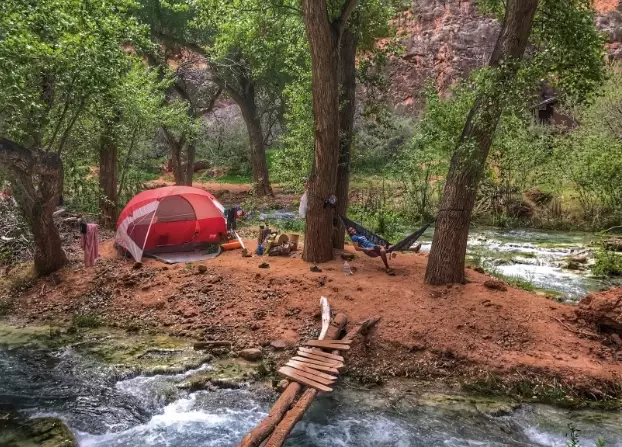
Top Waterfall Camping Destinations
Not all waterfall campsites are created equal. Some are packed with tourists, while others offer solitude. Based on my travels, here are five standout spots in the US that balance accessibility with natural beauty. I've included practical details so you can plan without guesswork.
1. Yosemite National Park, California
Yosemite is iconic for a reason, but it's also crowded. For waterfall camping, aim for the Upper Pines Campground near Yosemite Falls. Address: Yosemite Valley, CA 95389. Entrance fee is $35 per vehicle, valid for seven days. The campground is open year-round, but reservations fill up months ahead—book via Recreation.gov. Getting there: Drive via Highway 120 or 140; parking is limited, so arrive early. The waterfall view from campsite #45 is worth the effort, though noise from other campers can be a downside.
2. Great Smoky Mountains National Park, Tennessee/North Carolina
This park has over 100 waterfalls, and the Elkmont Campground puts you close to many. Address: 107 Park Headquarters Road, Gatlinburg, TN 37738. No entrance fee, but camping costs $25–$30 per night. Open March through November. Drive via US-441; the campground is first-come, first-served, so come on a weekday to snag a spot. Laurel Falls is an easy hike from here, but the area gets humid—bring moisture-wicking clothes.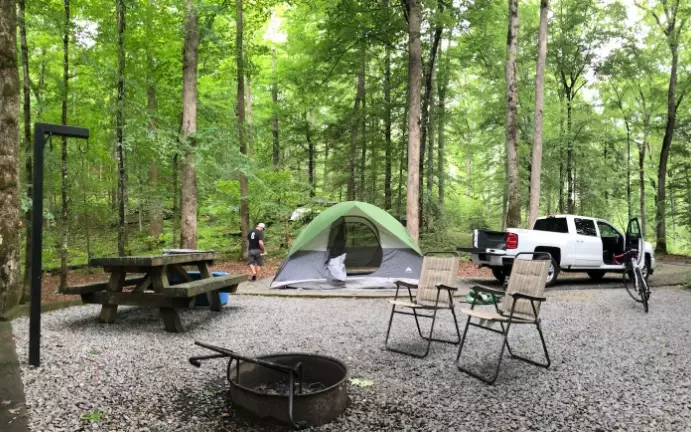
3. Columbia River Gorge, Oregon
If you prefer less developed sites, try the Ainsworth State Park Campground. Address: 73217 Historic Columbia River Highway, Cascade Locks, OR 97014. Fees: $21–$31 per night. Open April to October. From Portland, take I-84 East; it's about a 45-minute drive. You'll have access to Multnomah Falls, but note that summer wildfires sometimes close trails. Check the Oregon State Parks website for updates.
4. Ricketts Glen State Park, Pennsylvania
This is a hidden gem for waterfall enthusiasts. The Lake Jean Campground offers lakeside sites with waterfall hikes nearby. Address: 695 State Route 487, Benton, PA 17814. Camping fees: $20–$35 per night. Open mid-April to mid-December. Drive via PA-118; reservations recommended on weekends. The park has 22 named waterfalls, but the trails can be slippery—good boots are a must.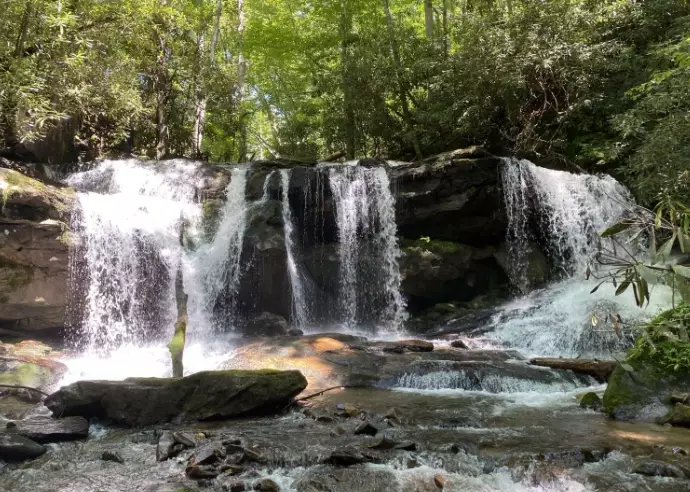
5. Havasu Falls, Arizona
This one requires more effort but rewards with turquoise waters. Camping is at Havasu Campground near the falls. Address: Supai, AZ 86435. You need a permit from the Havasupai Tribe, costing $100–$150 per person per night. Open year-round, but summer heat is intense. Access is by hiking 10 miles from Hualapai Hilltop; no vehicles allowed. Plan months ahead for permits, and pack light—the hike in is no joke.
Pro tip: Always check current conditions before you go. For national parks, the National Park Service website has real-time alerts on closures or weather issues. For state parks, local tourism boards often post updates.
Essential Gear for Waterfall Camping
Standard camping gear won't cut it near waterfalls. The high humidity and potential for water exposure demand specific items. Here's what I always pack, based on trial and error.
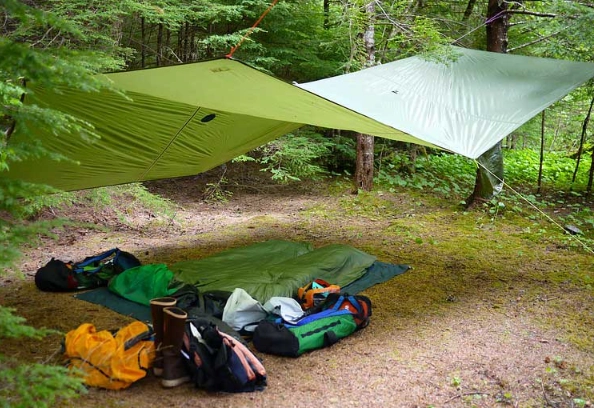
- Waterproof Tent with Good Ventilation: A common mistake is using a cheap tent that traps moisture inside. Look for one with mesh panels and a rainfly that extends low. I learned this the hard way when condensation soaked my sleeping bag.
- Quick-Dry Clothing and Extra Socks: Cotton is your enemy here. Opt for synthetic or wool fabrics that dry fast. Pack at least three pairs of socks—trust me, wet feet ruin trips.
- Waterproof Bags or Dry Sacks: Don't just rely on ziplocks; invest in dry sacks for electronics and clothes. A 20-liter sack can save your phone from mist or sudden rain.
- Traction-Enhanced Footwear:Slippery rocks are a hazard near waterfalls. Shoes with Vibram soles or similar grip work best. I've seen people in regular sneakers take nasty falls.
- Portable Water Filter: Streams near waterfalls might look clean, but they can contain bacteria. A filter like the Sawyer Squeeze is lightweight and reliable.
You don't need to buy everything new. For example, a cheap poncho can serve as an extra layer of protection for your backpack.
How to Plan Your Waterfall Camping Trip
Planning a waterfall camping trip isn't just about picking a date. It involves logistics that many overlook. Let's break it down step by step.
Step 1: Choose Your Destination Based on Season
Waterfalls flow best in spring or early summer, but that also means crowds. If you want solitude, consider fall—some falls might be reduced, but colors are stunning. Winter camping near waterfalls is possible in milder climates like the Pacific Northwest, but ice can make trails dangerous. Check seasonal reports from sources like the US Geological Survey for water flow data.
Step 2: Book Campsites Early
Popular spots like Yosemite sell out within minutes of opening reservations. Set a reminder for when bookings open, usually 6 months ahead. For first-come, first-served sites, arrive on a Thursday to secure a spot. I've driven hours only to find no vacancies—it's a frustrating experience.
Step 3: Plan Your Meals and Water
Near waterfalls, humidity can spoil food faster. Use airtight containers and plan simple, non-perishable meals. Bring more water than you think you'll need; filtering from streams is a backup, not a primary source. A 3-day trip for two people might require 6 gallons, plus filtering capacity.
Step 4: Prepare for Variable Weather
Microclimates near waterfalls can shift quickly. Pack layers: a base layer, insulation, and a waterproof shell. Don't forget a hat and sunglasses—mist can reflect sunlight, causing glare.
Safety Tips and Common Mistakes
Safety around waterfalls is non-negotiable. Here are key points that many guides miss.
Stay on Designated Trails: It's tempting to get closer for a photo, but rocks near waterfalls are often slick with algae. Every year, accidents happen from slips—keep a safe distance.
Beware of Flash Floods: After heavy rain, water levels can rise rapidly. Check weather forecasts and avoid camping in narrow canyons. The National Weather Service issues alerts for flood-prone areas.
Manage Moisture: This is a subtle error I see often. People air out gear during the day but forget to store it in dry sacks at night. Morning dew near waterfalls can dampen everything. Keep gear in your tent or under a tarp.
Wildlife Precautions: Water sources attract animals. Store food in bear-proof containers, even in areas not known for bears. Raccoons and squirrels can be just as pesky.
Frequently Asked Questions