Quick Navigation
- What Exactly is Dispersed Camping in Wisconsin?
- The Golden Rules: Where Dispersed Camping is Allowed (And Where It's Not)
- Your Step-by-Step Guide to Planning a Wisconsin Dispersed Camping Trip
- The Leave No Trace Ethic: This is What Makes It Work
- Answering Your Burning Questions (FAQ)
- A Few of My Favorite (Responsible) Spots to Get You Started
- The Bottom Line: Respect is Everything
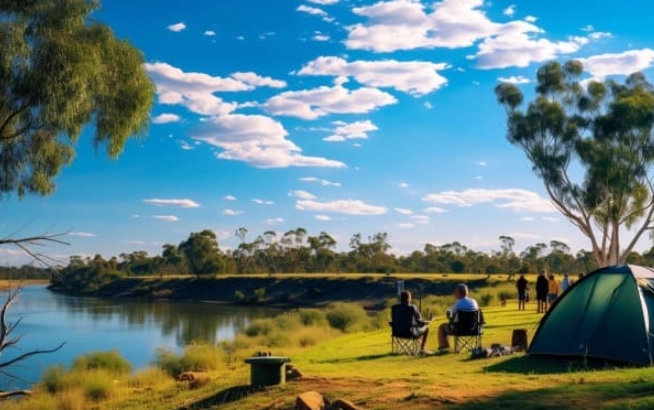
So you're staring at a map of Wisconsin, dreaming of a quiet spot by a lake or deep in the woods, far from the hum of generators and the glow of your neighbor's lantern. You've heard about this thing called dispersed camping, or backcountry camping, or primitive camping—whatever you call it, it means freedom. No reservations, no fees, just you and nature. But then the big question hits you: can you disperse camp in Wisconsin legally? Is it even allowed?
Let's cut to the chase. The short answer is yes, absolutely. But—and this is a huge but—it's not a free-for-all. Wisconsin has a fantastic, sprawling network of public lands where you can pitch a tent away from developed campgrounds, but they come with a very specific set of rules. Get them wrong, and you could be facing a fine or, worse, damaging the very landscapes we all love.
I've spent countless nights doing exactly this across Wisconsin, from the Northwoods down to the Driftless Area. I've had magical evenings and also a few headaches learning the ropes the hard way. This guide is everything I wish I'd known before my first trip. We're going to break down exactly where you can go, what you must do, and how to do it right, so your trip is memorable for all the right reasons.
The Core Answer: Yes, dispersed camping is permitted on most National Forest lands and in many Wisconsin State Forests, provided you follow strict Leave No Trace principles and specific land manager regulations. It is generally not allowed on State Parks, State Recreation Areas, or most County and private lands unless explicitly marked.
What Exactly is Dispersed Camping in Wisconsin?
First, let's clear up the jargon. When you ask "can you disperse camp in Wisconsin," you're talking about camping outside of a designated, developed campground. No picnic table, no fire ring (usually), no tap for water, no bathroom facility. You find your own spot, often along a forest service road or a trail, and you make it your home for the night. The land managers call it "dispersed" because campers are, well, dispersed across the landscape instead of concentrated in one spot.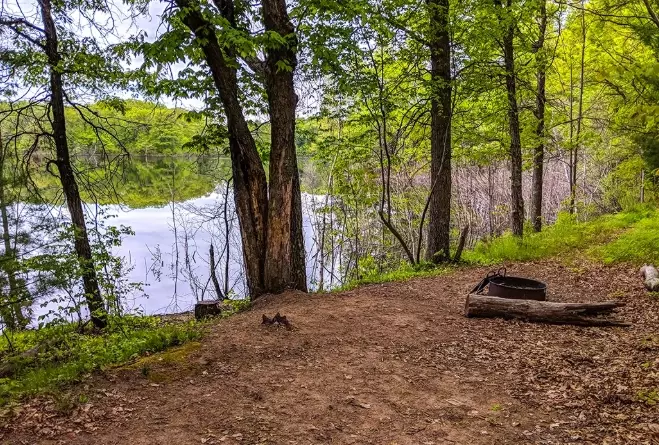
It's the opposite of the classic family campground. The trade-off for solitude and zero cost is a total lack of amenities and a much heavier responsibility on your shoulders. You have to bring everything in, and you must pack out everything—and I mean everything.
Why do people do it? The silence is profound. The stars are brighter. You feel a real connection to the place. And let's be honest, not paying $30 a night is pretty sweet.
The Golden Rules: Where Dispersed Camping is Allowed (And Where It's Not)
This is the most critical section. Land ownership in Wisconsin is a patchwork, and the rules change depending on whose land you're on. Assuming you can camp anywhere in a "forest" is the fastest way to get in trouble.
1. The Crown Jewel: Chequamegon-Nicolet National Forest
This is your prime destination for answering "yes" to can you disperse camp in Wisconsin. The Chequamegon-Nicolet National Forest, which covers over 1.5 million acres in northern Wisconsin, generally allows dispersed camping throughout most of its area. It's the closest thing to a universal "yes."
But they have firm conditions:
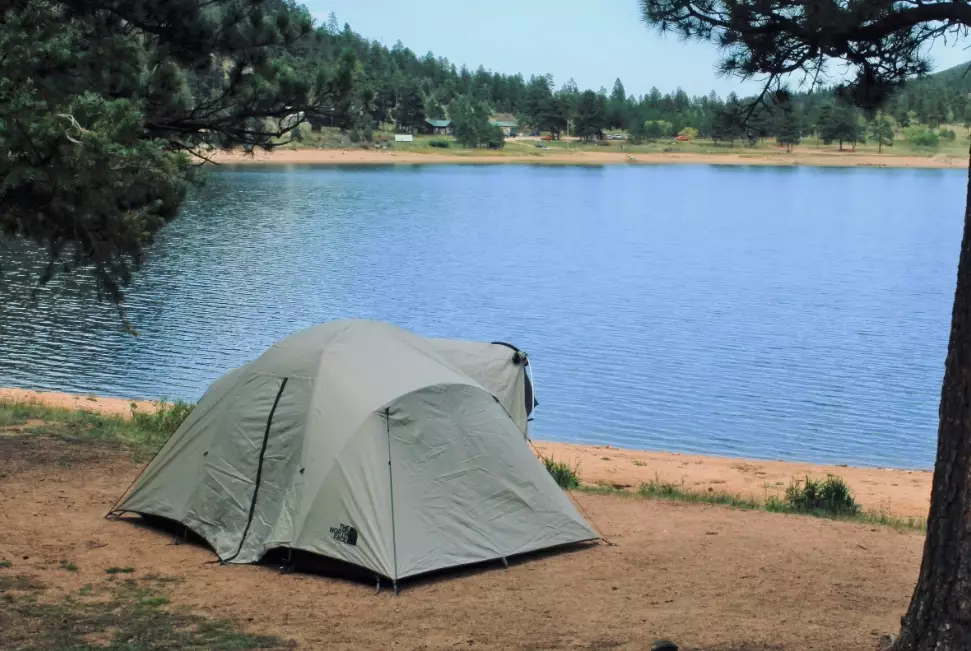
- You must be at least 100 feet from any lake, stream, or trail. This is for water quality and to preserve other visitors' experience.
- You cannot camp in designated day-use areas, picnic sites, or trailheads.
- Your stay is limited to 16 days within a 30-day period in one location. After that, you must move at least a mile.
- Check for local restrictions! Some areas, especially near popular lakes or during sensitive seasons, may have temporary closures. Always check the official USDA Forest Service website for the Chequamegon-Nicolet for alerts and detailed maps.
I made the 100-foot rule mistake once, early on. Set up a beautiful spot just 50 feet from a creek. A friendly ranger explained how my soap and foot traffic, even with good intentions, impact the water ecosystem. He was right, and I moved. It's a rule with a very good reason.
2. Wisconsin State Forests: A Mixed Bag
This is where things get nuanced. Some state forests allow dispersed camping, others don't, and some only allow it in specific zones. You must verify for each individual forest. The governing body here is the Wisconsin Department of Natural Resources (WDNR). Their rules are law.
To save you hours of digging, here's a quick rundown of some major state forests and their general stance. This is a starting point—always confirm with the official property webpage before you go.
| State Forest Name | Dispersed Camping Generally Allowed? | Key Conditions & Notes |
|---|---|---|
| Northern Highland-American Legion (NHAL) State Forest | Yes, in designated "Remote Camping Areas" | One of the best for this! Requires a self-registration permit at the site. Not allowed on most lake shores. WDNR NHAL Page. |
| Black River State Forest | Limited | Primarily at designated walk-in sites. True "find-your-own-spot" camping is very restricted. |
| Florence County State Forest | Yes | Great option. Must be 100 ft from water/trails. Popular for ATV/UTV trailside camping. |
| Kettle Moraine State Forests (North & South) | No | Stick to the excellent, but reservable, backpacking shelters and campgrounds here. |
| Governor Knowles State Forest | Yes, along the St. Croix River | Designated rustic sites, some first-come-first-serve. Not wide-open dispersal. |
See the pattern? It's never a simple yes or no.
3. The Big No-Nos: Where You Cannot Disperse Camp
Just as important as knowing where you can go is knowing where you cannot. If you're caught camping illegally here, the conversation won't be friendly.
- Wisconsin State Parks: Absolutely not. You must camp in designated, reservable sites. The same goes for State Recreation Areas and State Trails (like the Ice Age Trail corridor on non-forest land).
- County and Town Forests: Highly variable. Some allow it with a permit, many prohibit it. You must contact the specific county forestry department. Never assume.
- Private Land: Obviously not without explicit permission from the landowner. Trespassing laws are serious.
- Wildlife and Natural Areas: Usually prohibited to protect sensitive habitats.
Warning: The single biggest mistake beginners make is confusing "State Forest" with "State Park." They are managed differently by the DNR. A State Forest often allows more flexible use, including timber harvesting and dispersed camping. A State Park is for preservation and recreation in designated zones. Mixing them up will ruin your trip.
Your Step-by-Step Guide to Planning a Wisconsin Dispersed Camping Trip
Okay, so you know it's possible. Now, how do you actually do it? Throwing a tent in the car and driving north is a plan, but it's a bad one. Here's a better one.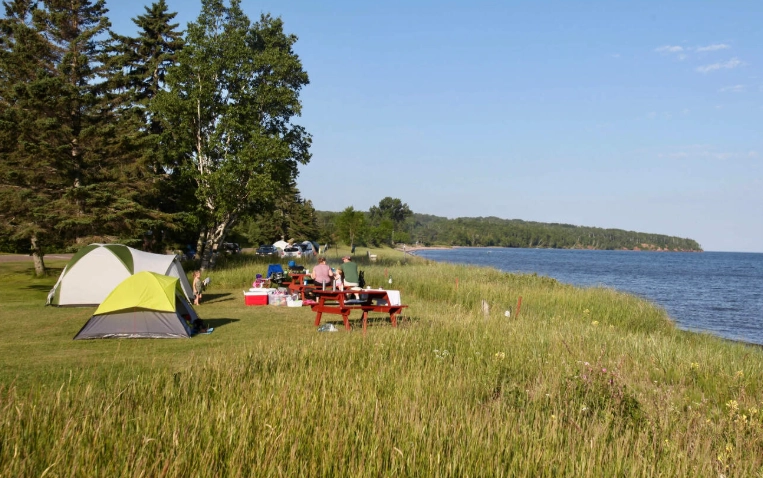
Step 1: Choose Your Area and Verify Rules
Start with a region. Want deep Northwoods? Look at the Chequamegon-Nicolet or the NHAL State Forest. Prefer the west? Check the Black River or Flambeau River State Forests.
Then, go to the source. For National Forest, bookmark the CNNF Dispersed Camping page. For State Forests, find the specific property page on the WDNR State Forests website. Read every word. Look for PDF maps. Note any current fire restrictions or area closures.
Step 2: Gear Up Like a Pro (The Essential Checklist)
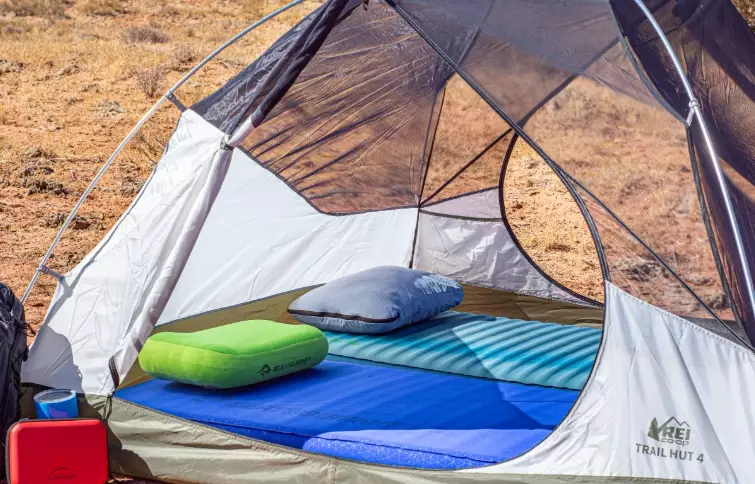
Forget the giant air mattress and the string lights. Dispersed camping gear is about self-sufficiency and minimal impact.
"Your gear list for dispersed camping isn't about comfort first; it's about responsibility first. Comfort comes second." – An old forester I once met.
The Non-Negotiables:
- Water Filtration: There are no spigots. A reliable pump or gravity filter is mandatory. I prefer the Sawyer Squeeze.
- Waste System: This is huge. You need a trowel to dig a cathole 6-8 inches deep, at least 200 feet from water. Pack out all toilet paper in a zip-lock bag. Yes, really. Or use a dedicated backcountry toilet system.
- Bear-Resistant Food Container: In much of northern Wisconsin, this is smart. A simple dry bag hung in a tree is no longer considered best practice. A hard-sided bear canister or an approved bear hang system is better. It protects you and the bears.
- Detailed Maps (Paper!): Cell service is a myth in these woods. Carry a physical map of the forest roads and trails. The Forest Service Motor Vehicle Use Maps (MVUM) are free and show all legal roads and trails for vehicular travel—crucial for finding a spot.
Step 3: Finding That Perfect Spot
You're in the forest, driving down a gravel Forest Service road. What now?
- Look for existing pull-offs or clearings. The goal is to use a spot that's already been impacted, not to create a new one. You'll often see faint tire tracks or a flat area where others have camped before.
- Do the 100-foot check. Get out, pace it off. Are you far enough from water? From the trail?
- Check for hazards. Look up for dead branches ("widowmakers"). Look at the ground for ant hills or excessive dampness.
- No need to go miles off-road. Most spots are within a short walk of a forest road. Driving off-road to get "more secluded" is usually illegal and causes erosion.
Honestly, the first time you do this, it feels weird. Like you're doing something wrong. You're not, if you've followed the rules. That feeling is just the absence of a sign telling you "Campsite 12."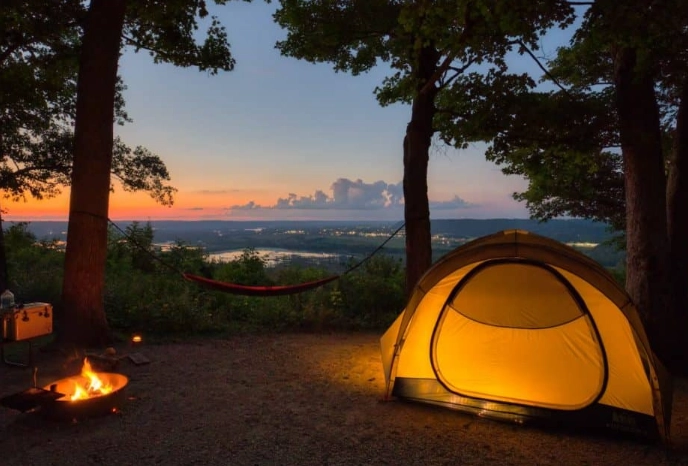
The Leave No Trace Ethic: This is What Makes It Work
Dispersed camping is a privilege, not a right. It persists because most campers follow Leave No Trace (LNT) principles. If people start trashing the woods, the land managers will shut it down. It's that simple.
For Wisconsin, three LNT principles are paramount:
1. Plan Ahead and Prepare: We covered this. Know the rules, bring the right gear.
2. Dispose of Waste Properly: We touched on human waste. For all other trash—food wrappers, foil, orange peels, tea bags—everything goes back in your pack. If you brought it in, it leaves with you. Orange peels and apple cores are not "natural" in an ecosystem they don't belong to and take years to decompose.
3. Leave What You Find: Don't cut live branches for firewood. Don't build rock fire rings (use a mound fire or a portable fire pan if fires are allowed). Don't carve your initials into trees. The goal is to leave the spot looking like no one was ever there.
My personal pet peeve? Finding makeshift log "furniture" at a dispersed site. Someone spent an hour building a bench and a table, thinking they were improving the site. They weren't. They were just leaving behind a mess for the next person to dismantle or for the forest to slowly rot around.
Answering Your Burning Questions (FAQ)
Let's tackle the specific questions swirling in your head when you type "can you disperse camp in Wisconsin" into Google.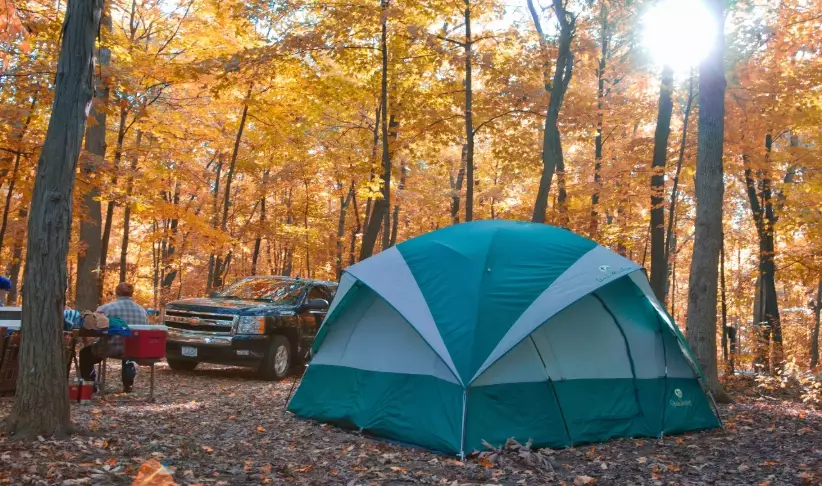
Is it really free?
On National Forest land and in most State Forests that allow it, yes, there is no nightly fee. However, you may need a parking pass (like the Wisconsin State Forest daily/annual admission sticker) if you're leaving your vehicle at a trailhead or within a State Forest boundary. Always check this. The WDNR admission sticker info page has the details.
Do I need a permit?
For general dispersed camping in the Chequamegon-Nicolet, no. For specific areas like the Remote Camping Areas in the NHAL State Forest, yes, a simple self-registration permit at the site is required. For backpacking on certain designated trails, a permit may be needed. Again, verifying for your specific destination is key.
How long can I stay in one spot?
On National Forest land, the 16-day limit in a 30-day period is standard. On State Forest land, it varies but is often shorter, like 3-7 nights. You cannot establish a permanent residence.
Can I have a campfire?
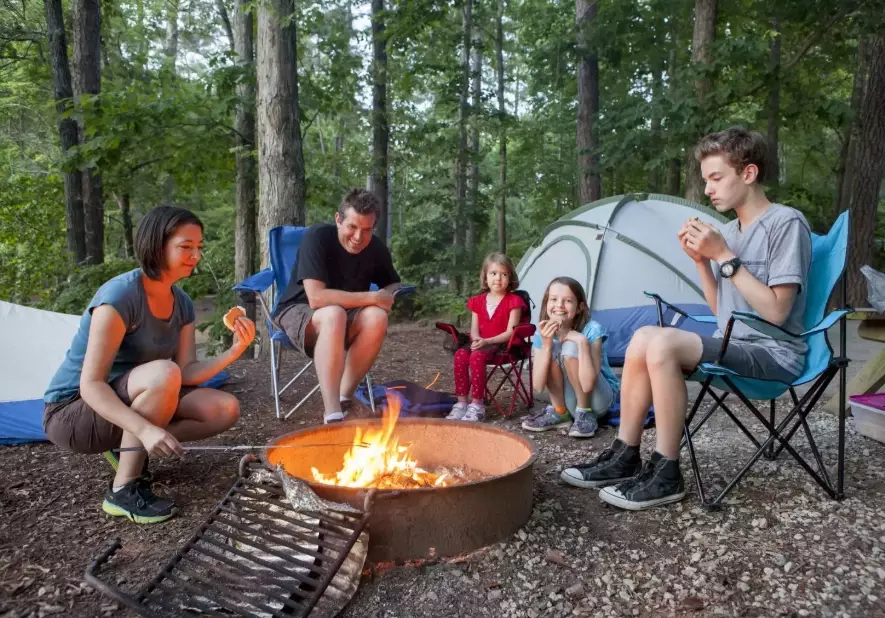
This is the most variable rule. It entirely depends on current fire danger levels. You must check for county-wide or forest-wide burning restrictions before you go. Even if fires are allowed, use an existing fire ring if present (and safe), keep it small, use only dead and downed wood you can gather by hand, and drown it with water until it's cold to the touch. In drought conditions, just skip the fire. A stove is safer and leaves no trace.
What about bringing my dog?
Usually allowed, but it must be under control at all times—voice command or leash. You are responsible for packing out its waste as well, especially near campsites or trails. Don't just kick it into the bushes.
A Few of My Favorite (Responsible) Spots to Get You Started
I'm hesitant to give GPS coordinates because spots get loved to death. But I can point you to general areas that are known for good dispersed camping opportunities, where if you explore the forest roads, you'll likely find a place.
- The Washburn District of the Chequamegon-Nicolet: Endless gravel roads spiderweb through here. Find a spot near the Namekagon River area.
- The Lakewood/Laona Area (CNNF): South of Highway 8, the forest is dense and dotted with small lakes. Explore the roads off FR 2100 series.
- The Northern Highland-American Legion State Forest, North of Boulder Junction: The designated Remote Camping Areas here are a perfect, legal introduction. They feel wild but have a clear process.
Remember, the adventure is in the finding.
The Bottom Line: Respect is Everything
So, can you disperse camp in Wisconsin? Unequivocally, yes. It's one of the state's greatest outdoor assets. But the permission to do so is wrapped in a contract of responsibility. The rules about distance from water, waste disposal, and fire aren't bureaucratic nonsense—they're the science-based guidelines that keep these places healthy and open.
If you follow them, you'll have an experience that's hard to find anywhere else: true quiet, real self-reliance, and a profound sense of connection to the natural world of Wisconsin. That's worth far more than any reserved campsite fee.
Get your maps, check the regulations one last time, pack your trowel and your bear canister, and go see for yourself. The woods are waiting.