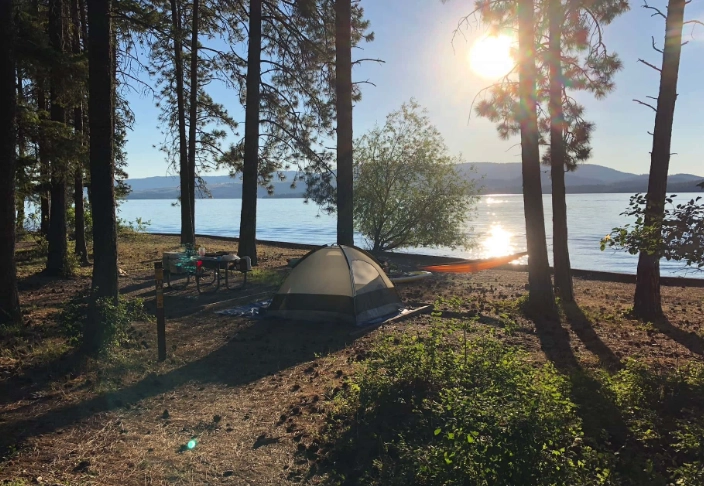
Let's cut to the chase. Camping in Australia isn't just a holiday; it's a proper adventure into some of the most raw and beautiful landscapes on the planet. You're not just picking a spot to pitch a tent. You're deciding between falling asleep to the sound of Southern Right whales offshore, waking up to a mob of kangaroos outside your swag, or navigating a 4WD track through ancient desert. The options are staggering, and frankly, a bit overwhelming if you're new to it.
I've spent over a decade exploring Australia's campsites, from the packed coastal holiday parks to the remote bush sites you need a permit to find. The biggest mistake I see? People treating it like camping anywhere else. The sun is harsher, the distances are vast, and the wildlife... well, it has its own rules. This guide skips the fluff and gives you the concrete details and hard-won advice you need to plan a trip you'll remember for all the right reasons.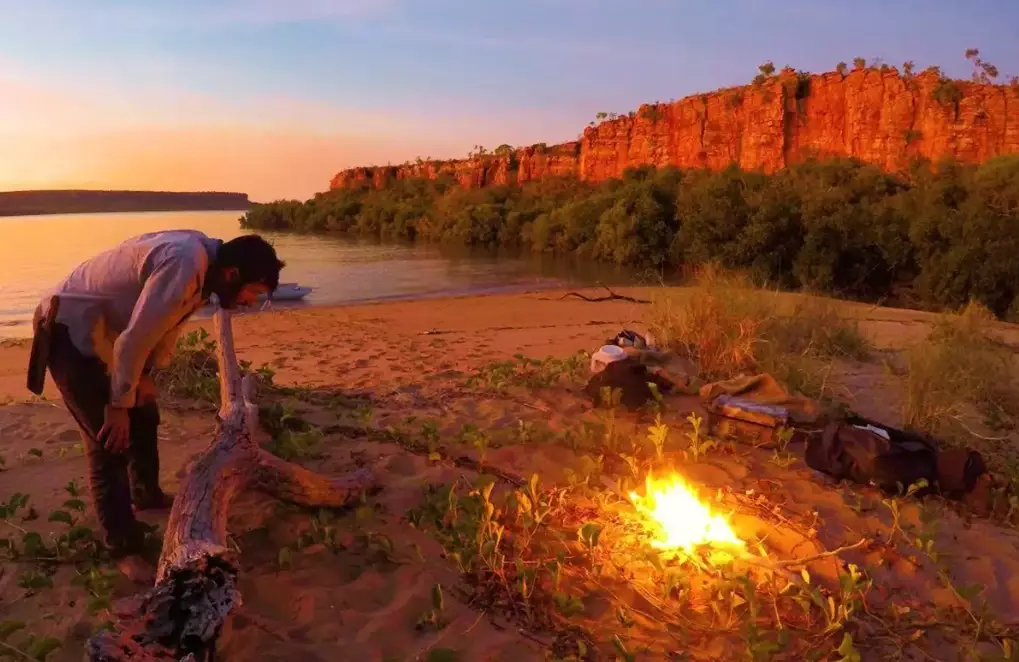
Your Camping Trip Blueprint
Where to Go: Australia's Must-Visit Campgrounds
Forget vague recommendations. Here are specific, bookable campsites that deliver the iconic Australian experience. I've focused on national parks because that's where the magic is, but they require planning.
>| Campsite & Park | State | Why It's Special | Best For | Need to Know |
|---|---|---|---|---|
| Tidal River, Wilsons Promontory | VIC | Basecamp for epic coastal hikes. White sand beaches, wombats wandering through camp at dusk. | Families, first-time bush campers, hikers. | Bookings via Parks Victoria open 6 months ahead. Sites sell out in minutes for peak periods. No powered sites. |
| Gunlom Falls, Kakadu | NT | Camp at the base of a waterfall, climb to the top for a infinity pool with views over the savannah. | Adventure seekers, swimming, 4WD access recommended. | Requires a Kakadu National Park pass. Dry season only (May-Oct). Campground is first-come, first-served – arrive early. |
| The Basin, Ku-ring-gai Chase | NSW | Picturesque, sheltered bay only accessible by ferry or hike. Feels a world away from Sydney. | Swimming, kayaking, a unique Sydney escape. | Book through NSW National Parks. Ferry departs from Palm Beach. Limited facilities. |
| Bay of Fires Conservation Area | TAS | Free camping (yes, free!) on pristine, orange-lichen covered granite boulders beside turquoise water. | Budget travellers, photographers, solitude. | Self-register on site. No bookings. Bring all supplies, including water. Leave no trace is critical here. |
| Karijini National Park Bush Camps | WA | Camp under a blanket of stars in the Pilbara, next to ancient, majestic gorges you can spend days exploring. | Geology lovers, canyoning, stargazing. | Extreme heat in summer. Visit Apr-Sept. Dales Gorge has the main campground; more basic sites elsewhere. |
See a pattern? The best spots are managed by state parks services. You book them on websites like Parks Victoria, NSW National Parks, or the Queensland Parks service. This isn't a last-minute decision. For popular places like Wilsons Prom or parks near cities, you need to be online the minute bookings open.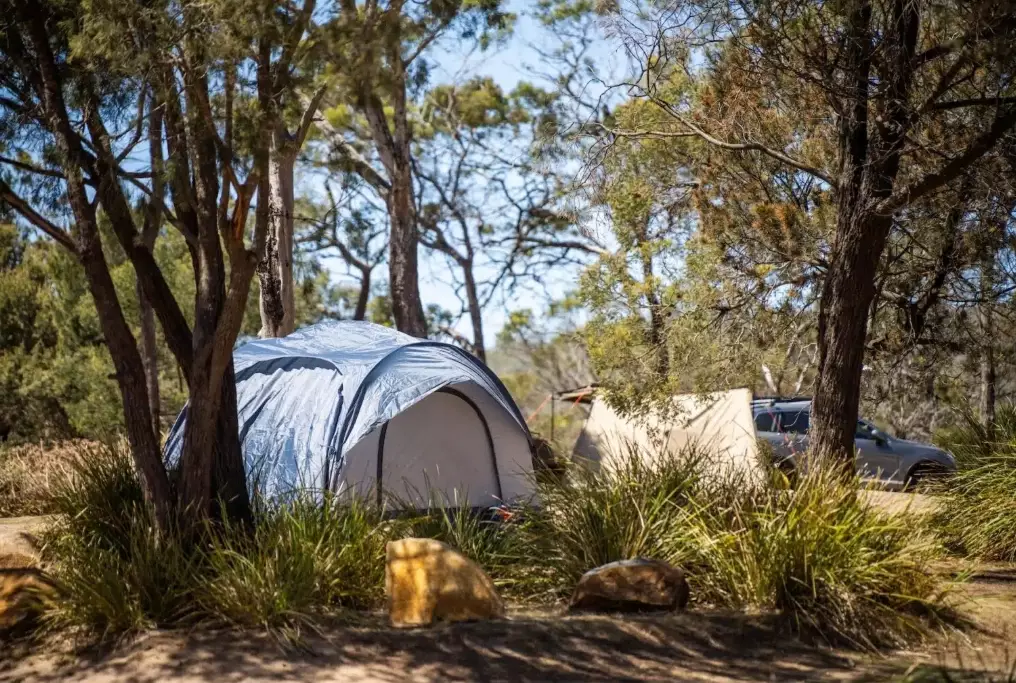
What to Bring: The Non-Negotiable Gear List
Your gear can make or break your trip. Australia tests equipment. A cheap tent from a discount store will fail in a proper coastal gale or desert sun. Here’s the breakdown, category by category.
Sleep System: It's Not Just a Tent
You need a home that withstands UV, wind, and sometimes, curious wildlife.
- Tent with a Full Rainfly: Mesh-only tops are for backyards. You need a fly that goes near the ground. UV degradation is real – a tent left in full sun for a week will become brittle. Look for tents with a high UV rating.
- Swag vs. Tent: A swag is an Aussie icon—a canvas roll with a mattress built in. Incredible for quick, rugged trips and stargazing. Terrible in heavy, prolonged rain. Choose based on season and forecast.
- Sleeping Mat (R-Value Matters): In winter, even in the desert, the ground gets cold. A mat with an R-Value of 3 or higher is not a luxury. Inflatable ones are comfier but can puncture.
- Sleeping Bag Rated for the Season: Check the temperature rating. A 10°C bag in a 5°C night is miserable. I prefer bags rated a few degrees lower than I expect.
Cooking & Food: Beyond the Snags
A portable gas stove is essential (open fires are banned in most parks). But think about water. In remote areas, you need to carry all you'll use for drinking, cooking, and washing. I plan for 5 litres per person, per day. A 20L water jerry is a smart buy.
Food storage is critical. In many areas, especially Tasmania and parts of NSW, you must use wildlife-proof lockers provided at campsites or a hard-sided container in your car. Possums will unzip your tent, and quolls can chew through plastic.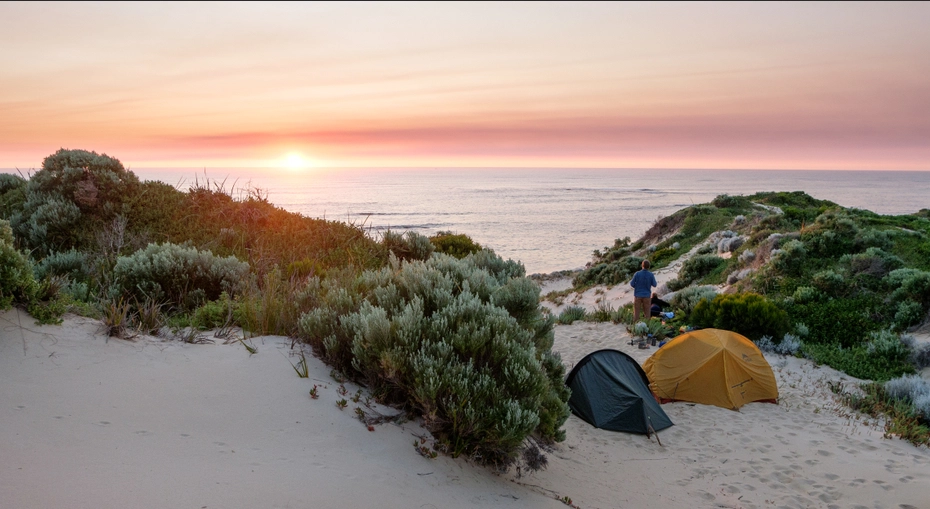
Safety & Navigation
- Communication: Mobile coverage is a myth outside towns. A PLB (Personal Locator Beacon) is the gold standard for remote travel. For less extreme trips, a satellite messenger like a Garmin inReach lets you send texts.
- Paper Maps: Yes, paper. Hema Maps are the Australian standard. Your phone GPS can fail, batteries die. A paper map and compass are your backup brain.
- First Aid Kit: Make it robust. Include heavy-duty bandages, antiseptic, and treatments for bites/stings. Know basic snake bite first aid (pressure immobilisation bandage – carry one).
How to Plan: Booking, Driving & Staying Safe
Okay, you've picked a spot and have your gear. Now for the logistics most blogs gloss over.
The Booking Battle
National park campsites are released on a rolling window, usually 3-6 months in advance. Set a calendar reminder. Have your account created, payment details saved, and be ready to click the second bookings open. For popular sites, the best spots go in under 2 minutes. It's stressful, but it's the system.
Driving Distances Are No Joke
Google Maps will tell you it's a 5-hour drive. Add at least 20%. You'll stop for fuel, food, and road trains (massive multi-trailer trucks) slow you down on single-lane highways. Never plan to drive long distances and set up camp after dark. Arrive with daylight to spare.
Weather & Fire
Check the Bureau of Meteorology website religiously. In summer, know the fire danger rating. On a Severe, Extreme, or Catastrophic day, your camping trip should be postponed. It's not worth the risk. In the tropics (NT, QLD), the wet season (Nov-Apr) means flooded roads, relentless humidity, and mosquitoes. The dry season is the only viable time for comfortable camping up north.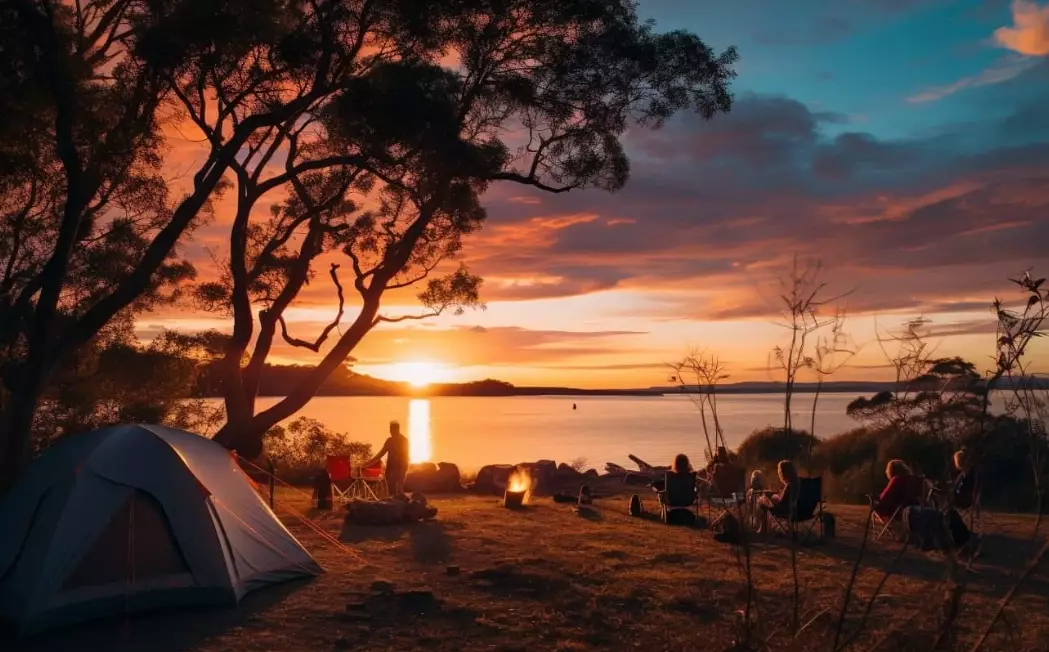
Your Questions, Answered (By Someone Who's Messed Up)
 Do I need a 4WD to go camping in Australia?
Camping here strips everything back. It's you, a simple shelter, and a landscape that doesn't care about your schedule. That's the magic. It's challenging, sometimes frustrating, but when you're sipping a coffee as the sun rises over a silent gorge, there's nowhere else on earth you'd rather be. Start with one trip. Plan it well, pack thoughtfully, and respect the land. You'll be hooked.