Let's be real. For years, I thought a camping trip meant a break from fitness. A few days of hiking, sure, but my carefully curated gym routine? On pause. I'd come back feeling sluggish, guilty, and facing a harder re-entry to my workouts. Then I realized I was thinking about it all wrong. Camping fitness isn't about replicating your gym session in the woods. It's about leveraging the world's oldest and most varied gym: nature itself.
This isn't just doing push-ups on a mat. It's about functional strength, primal movement, and a mental reset that no fluorescent-lit box can provide. Forget the gym membership. Your next workout is waiting at your campsite.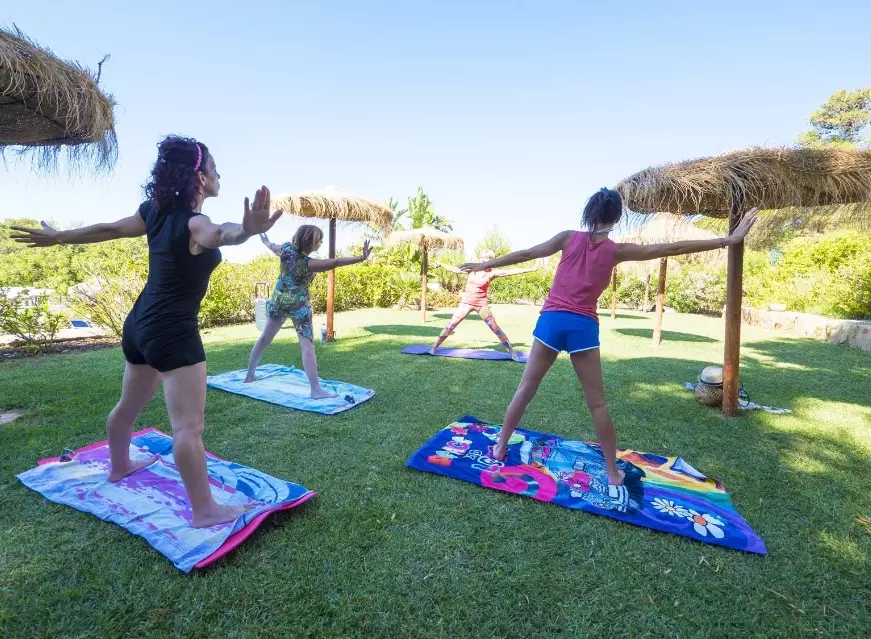
Your Quick Trail Map to Camping Fitness
Why Your Body Craves Nature Over the Gym
We've all seen the Instagram posts of someone doing yoga on a cliff. But the benefits of camping fitness run deeper than aesthetics.
First, uneven ground is your new personal trainer. Every step on a trail, every squat on a sloped surface engages dozens of stabilizer muscles that are completely asleep on the flat, predictable floor of a gym. This builds ankle stability, core activation, and proprioception—your body's sense of itself in space. It's injury prevention you can't buy.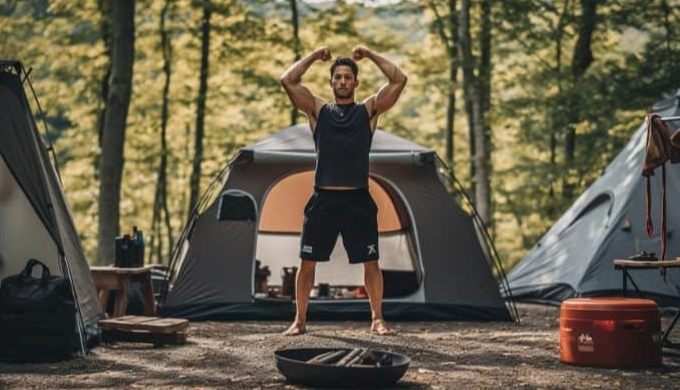
Then there's the mental component. Studies, like those referenced by the American Heart Association linking physical activity in green spaces to reduced stress, point to what we feel intuitively. The combination of sunlight (hello, Vitamin D), phytoncides released by trees, and the simple act of disconnecting lowers cortisol. Lower stress means better recovery. You might not lift as heavy as a log as you do a barbell, but your nervous system gets a deeper, more restorative break.
Most campers make one big mistake: they think the hike *is* the workout. It's a great start, but it's primarily cardiovascular and lower-body dominant. A balanced camping fitness routine addresses the whole body.
The Non-Consensus Take: The biggest mistake isn't skipping a workout—it's trying to force a rigid, gym-style routine into your trip. That creates friction and guilt. The goal is movement integration, not segregation. Fitness should flow from your camp chores, your exploration, and a few intentional, powerful movements.
Building Your "Nature Gym": No Equipment Needed
Look around your campsite. You're not in a barren room. You're in a functional fitness playground. Here’s how to use it.
Strength Training: Trees, Rocks, and Your Own Body
The Mighty Tree: A sturdy, low-hanging branch is your pull-up bar, your tricep dip station, and your anchor for resistance rows. Can't do a full pull-up? Use your feet on the ground for assisted reps. It's far more forgiving than a metal bar.
Rocks and Logs: A flat, heavy rock is a kettlebell. Use it for goblet squats, overhead presses (start light!), or Russian twists. A solid, knee-high log is a box for step-ups, box jumps (check stability first!), and elevated push-ups. I once used a smooth, football-sized river rock for curls and shoulder raises for a week. It worked perfectly.
Your Backpack: This is your adjustable weight vest. Load it with your water bladders, extra food, or even your tent. Now do weighted lunges across the campsite, or bent-over rows holding the straps. It teaches you to brace your core under an unstable, practical load.
Cardio That Doesn't Feel Like Cardio
If the thought of going for a run after a day of hiking makes you groan, I get it.
Try interval play. Find a hill—even a modest one. Sprint up for 20 seconds, walk down slowly. Repeat 5-10 times. The whole thing takes 10 minutes and torches calories.
Or, turn camp chores into a circuit. Gather firewood with purpose, taking brisk walks and carrying loads back in each arm. Pump water manually if you have a filter. The constant, varied movement is often more metabolically effective than steady-state jogging.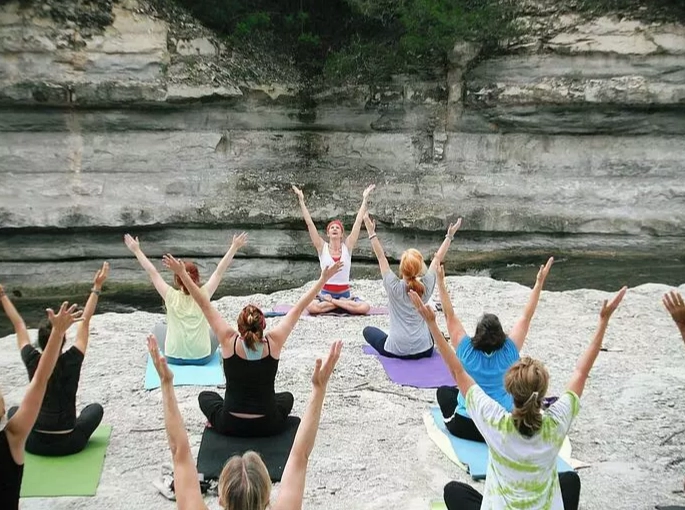
Flexibility and Recovery
This is where camping shines. Your yoga mat is the soft grass or a flat rock by the lake. Instead of a structured routine, just move into the stretches your body asks for. Tight hips from driving? Do pigeon pose. Achy shoulders from carrying a pack? Thread the needle. Hold each for 10 deep breaths. Listen to the birds, not a podcast.
| Exercise Type | Natural "Equipment" | Sample Movement | Primary Benefit |
|---|---|---|---|
| Upper Body Pull | Sturdy Tree Branch | Assisted Pull-Ups, Bodyweight Rows | Back & Bicep Strength |
| Lower Body Push | Knee-High Log/Rock | Step-Ups, Bulgarian Split Squats | Leg Power & Balance |
| Core & Stability | Uneven Ground | Single-Leg Stands, Mountain Climbers on Dirt | Ankle/Knee Stability, Deep Core |
| Loaded Carry | Loaded Backpack | Farmer's Walk, Overhead Carry | Grip Strength, Total Body Coordination |
How to Create Your Camping Fitness Plan
Don't just wing it. A loose plan prevents overdoing it or doing nothing. Structure it around your trip's rhythm.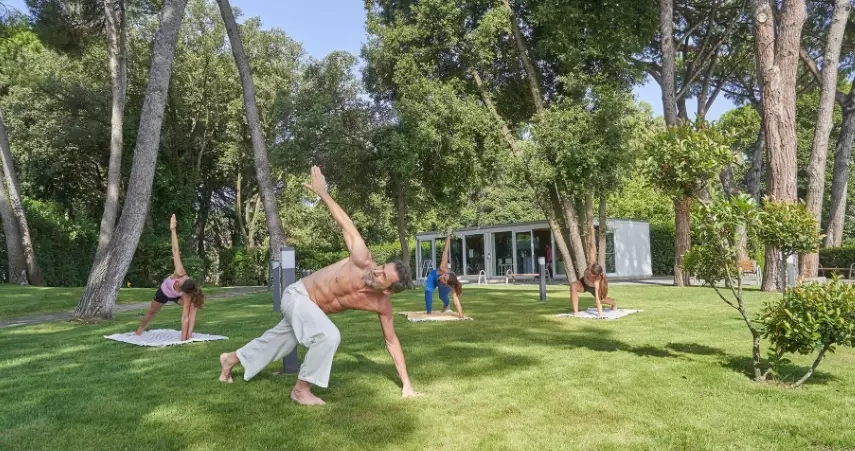
For a Weekend Trip (2-3 days):
- Day 1 (Arrival/Set-up): This is an active recovery day. Focus on mobility. Set up camp, take a short exploratory hike, do some dynamic stretches. Your workout is the activity of arriving.
- Day 2 (Main Adventure Day): This is your primary fitness day. Go for your longest hike, paddle, or climb. In the afternoon or evening, add a short, focused 15-minute bodyweight circuit targeting areas the hike missed (e.g., push-ups, rows, core).
- Day 3 (Departure Day): Active recovery again. A gentle walk, focused stretching on your sorest muscles, and packing up mindfully.
For a Longer Trip (4+ days):
Adopt a 2-days-on, 1-day-off rhythm. Day 1: Major activity (big hike). Day 2: Intentional campsite strength circuit. Day 3: Pure recovery—light walking, swimming, stretching, reading. Repeat. This prevents burnout and aligns with how your body actually adapts to stress.
The key is listening to your body over the plan. If you're exhausted from a tough hike, swap the strength circuit for mobility. The plan is a guide, not a law.
Minimalist Gear That Actually Helps (And What to Skip)
You don't need much. In fact, too much gear defeats the purpose.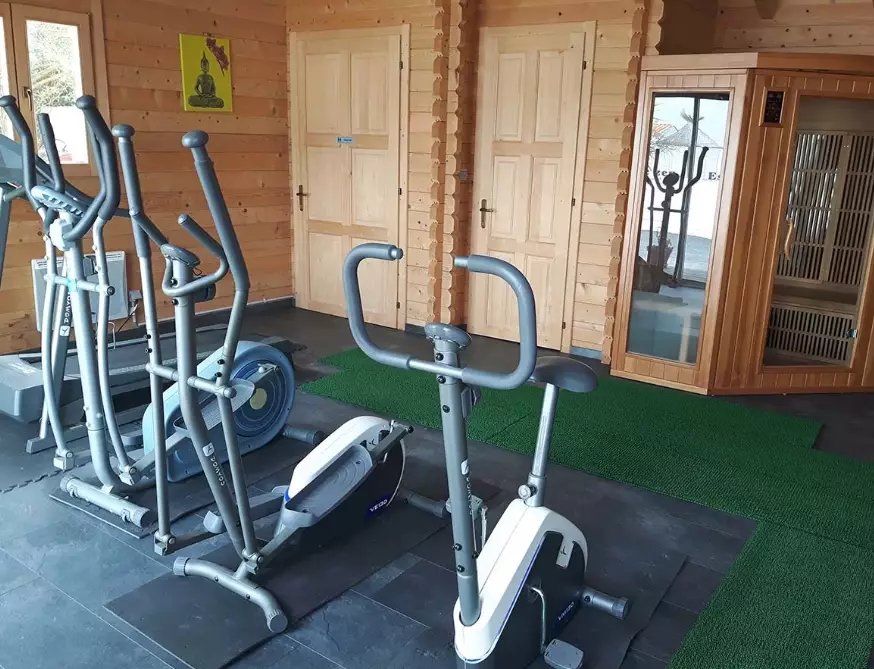
Worth the Weight:
- Resistance Bands (Loop Style): Weighs ounces. Adds endless variety for glute activation, shoulder warm-ups, and assisted pull-ups. A game-changer.
- Lightweight Yoga Mat (or a "Mat Towel"): A thin, foldable mat keeps you dry and clean for floor work. Or just use your sleeping pad.
- Water Filter Bottle: Staying hydrated is the #1 performance enhancer. A good filter means unlimited water for recovery, no heavy bottles to carry in.
Skip It:
- Bulky Suspension Trainers: You can mimic most movements with a tree and a towel. They're heavy and often hard to anchor properly.
- Multiple Pairs of "Activity-Specific" Shoes: One pair of solid trail runners/hikers and maybe camp sandals is enough. Your feet need to adapt to natural movement.
- Pre-Workout Supplements: The natural adrenaline from being outdoors is your pre-workout. Save the chemicals for the city gym.
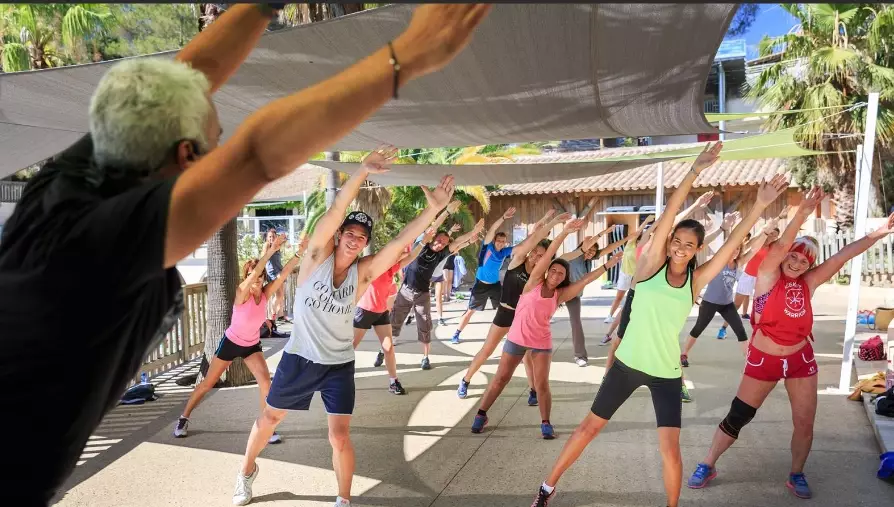
Your Camping Fitness Questions, Answered
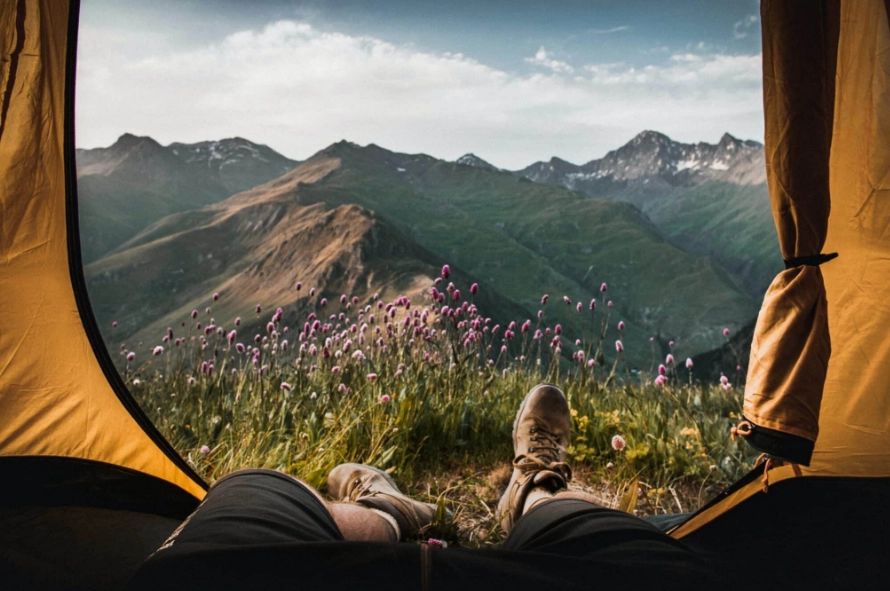 The final piece of advice? Let go of metrics. You won't know your exact heart rate or the weight you lifted. Judge your workout by how you feel: energized, connected, and strong in a way that feels natural. That's the true gain of camping fitness. It brings you back to movement for movement's sake, reminding you that your body is built for more than just lifting shaped metal in a controlled room. It's built for this.