Quick Navigation
- What Exactly Is Primitive Camping? (And What It Definitely Isn't)
- Finding Your Spot: Where to Look for California Primitive Campsites
- Gear Up: The Non-Negotiable Kit for Primitive Camping
- Prime Spots: A Region-by-Region Look at California Primitive Camping
- Playing by the Rules: Ethics, Safety, and Not Being "That" Camper
- Answering Your Burning Questions (FAQs)
- Wrapping It Up: The Takeaway
Let's be honest. Sometimes you just need to get away from it all. The reservation systems, the neighbors with their bluetooth speakers, the glow of someone else's lantern through your tent wall. You're not looking for a campground. You're looking for an experience. That's where primitive camping in California comes in.
It goes by a few names: dispersed camping, backcountry camping, boondocking. The core idea is the same: you find a spot on public land, away from developed facilities, and you make it your own for a night or two. No picnic tables, no fire rings (unless you find an existing one and it's safe to use), and definitely no running water. Just you, your gear, and a whole lot of quiet.
I've spent years chasing that quiet all over this state. From the damp, redwood-scented forests of the north to the sun-baked, Joshua-dotted deserts of the south, primitive camping is how you find the California that postcards can't capture. It's also how you can utterly ruin a trip if you're not prepared. This guide is everything I wish I'd known before my first solo trip into the Inyo National Forest with a pack that was way too heavy and a water plan that was, frankly, stupid.
What Exactly Is Primitive Camping? (And What It Definitely Isn't)
Before we get into the where and how, let's clear up the what. Primitive camping isn't just camping without a reservation. It's a specific practice with its own rules and ethos.
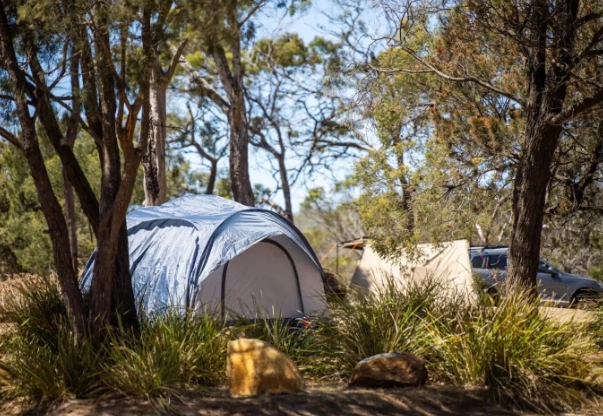
In California, it generally means camping outside of a designated, developed campground on public land managed by agencies like the U.S. Forest Service (USFS) or the Bureau of Land Management (BLM). These agencies set aside vast tracts of land where you can pull over or hike in and set up camp, often for free. The key is that you're using the land as-is. You're not modifying the site beyond what's necessary for a safe, low-impact stay.
What it isn't: It's not camping just anywhere you feel like. You can't plop down in a state park that doesn't allow it, on private property (obviously), or in protected ecological areas. It's not an excuse to be messy or reckless. The freedom comes with a massive responsibility to leave the place exactly as you found it, or better.
The appeal is multi-layered. Cost is a big one (often free). Solitude is the holy grail for many of us. But for me, it's the connection. When you filter your own water, manage your own waste, and cook over a stove you carried in, you're engaged with the environment in a way that's impossible at a drive-in site. You feel the place. For better or worse.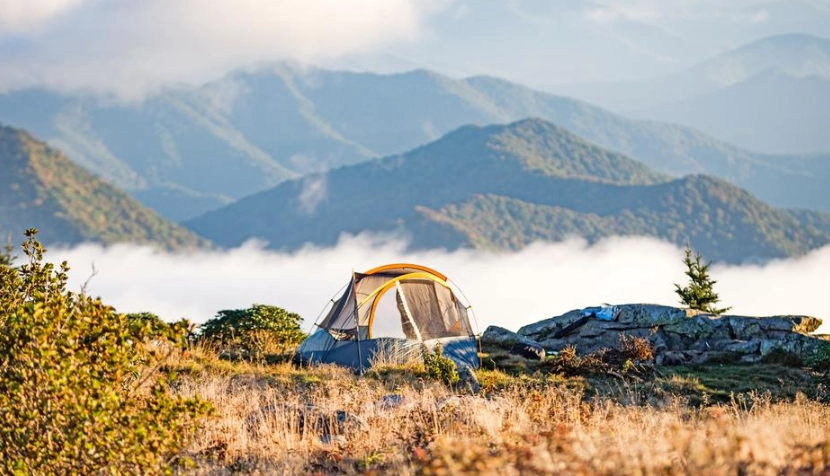
Finding Your Spot: Where to Look for California Primitive Campsites
This is the million-dollar question, isn't it? "Where can I actually do this?" California is huge, and public land rules can feel like a maze.
The golden rule: Always, always check with the local land management agency for the specific area you're targeting. Rules change. Fire restrictions come and go. Roads get washed out. A quick call or website visit can save you a massive headache. I'll link to the key resources as we go.
Your Main Public Land Options
Most primitive camping opportunities in California fall under a few jurisdictions. Here’s a breakdown to cut through the confusion.
| Land Manager | Where to Find Them | Typical Vibe & Landscape | Key Thing to Know |
|---|---|---|---|
| U.S. Forest Service (USFS) | National Forests (e.g., Inyo, Sequoia, Tahoe, Shasta-Trinity, Los Padres) | Mountainous, forested, alpine lakes. Often accessed by Forest Service roads. | Usually allows dispersed camping 100-200 feet from roads/water. May require a California Campfire Permit for any stove. |
| Bureau of Land Management (BLM) | Wide-open desert areas, lower-elevation valleys (e.g., Eastern Sierra, near Joshua Tree, Clear Lake area) | Desert, scrubland, wide-open spaces. Great for car camping. | Generally more permissive rules than USFS. Crucial to know where private land inholdings are. |
| California State Parks | Some state parks offer backpacking or environmental campsites. | Coastal bluffs, redwood groves, specific park environments. | Rarely true "dispersed" camping. Usually requires a permit and use of a designated backcountry site. |
| National Parks | Yosemite, Sequoia, Kings Canyon, etc. | Iconic wilderness. | Almost never allow true primitive/dispersed camping outside of designated backpacker campsites, which require a wilderness permit. |
See the pattern? For true drive-up or hike-in primitive camping California style, your best bets are National Forests and BLM land. The US Forest Service website is your portal to finding individual national forests. Each forest has its own website with alerts, maps, and contact info.
My Go-To Method for Spot Hunting
Okay, so you know you're looking in a National Forest. Now what? Here's my personal, non-technical process.
- Get the Map: Either a digital MVUM on your phone (download it first!) or a paper one from the ranger station.
- Look for the "Spurs": On Forest Service roads, look for smaller, spur roads (usually numbered things like 3N45A) that branch off the main dirt road. These often lead to established pull-outs or clearings that have been used before.
- Arrive Early-ish: Don't try to find a primo primitive camping spot at 8 PM on a Friday in July. Give yourself daylight to explore and have a Plan B.
- Scope It Out on Foot: Before committing your vehicle down a questionable road, get out and walk a bit. Look for existing fire rings (a sign it's an okay spot, but you still need to check current fire rules), flat ground, and evidence of previous use without massive trash.
- Follow the Rules of Thumb: Camp at least 100-200 feet from any water source (lake, stream, spring) to protect water quality and wildlife access. Stay at least 200 feet from the main road and out of sight if possible. Never trench around your tent.
It feels like a treasure hunt. Sometimes you strike gold—a perfect flat spot with a view of a granite peak. Sometimes you end up in a dusty, sloping pull-out next to a pile of shotgun shells. That's part of the deal.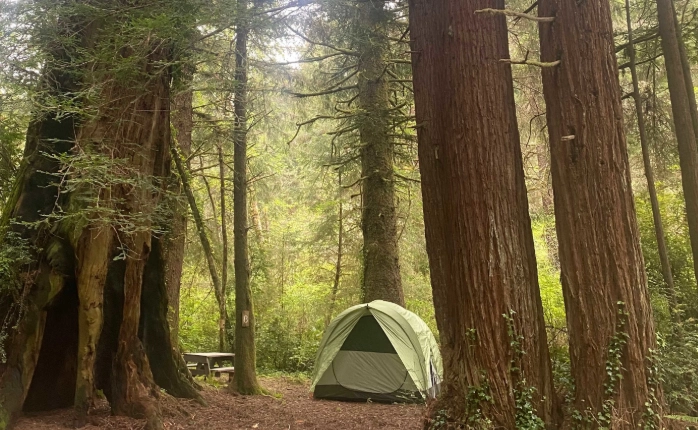
Gear Up: The Non-Negotiable Kit for Primitive Camping
You can get away with forgetting the ketchup at a regular campground. Forgetting your water filter on a primitive trip is a trip-ender, or worse. This isn't about having the fanciest gear; it's about having the right gear and knowing how to use it.
Let's break it down into a mental checklist.
The Absolute Essentials (The "Don't Leave Home Without It" List)
- Navigation: A physical map and compass, and the skill to use them. Your phone/GPS is a backup, not the primary. Batteries die. Signals vanish.
- Hydration: More water than you think you need for the drive/hike in, PLUS a robust water filtration or purification system (e.g., Sawyer Squeeze, Katadyn pump, chemical treatment). Many California primitive camping areas have water, but it's not potable.
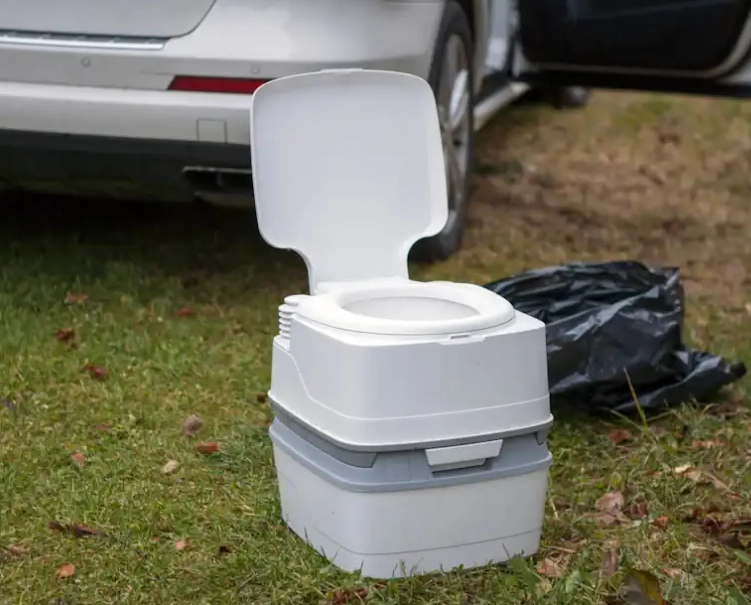
- Waste Management: For human waste: a trowel to dig a cat hole 6-8 inches deep at least 200 feet from water, trails, and camp. Pack out your toilet paper in a zip-lock bag. Seriously. For trash: every single scrap comes out with you, including food scraps and biodegradable items like orange peels.
- Warmth & Shelter: A tent, sleeping bag, and sleeping pad rated for the expected (and unexpected) low temperatures. Sierra nights can freeze in summer.
- Food Storage: A bear-resistant food canister (required in many Sierra areas) or a plan for a proper bear hang. This protects you and the bears. Rodents are a bigger menace in some areas, and canisters stop them too.
The "This Makes Life Better" Kit
Beyond survival, comfort is key to enjoying the experience.
- A Good Headlamp: With extra batteries. It gets dark out there.
- Comprehensive First-Aid Kit: Include blister treatment, antiseptic, and any personal meds.
- Sun Protection: Hat, sunglasses, sunscreen. The sun is intense at altitude.
- Repair Kit: Duct tape wrapped around a water bottle, multitool, tent pole sleeve, extra cord.
- Weather-Appropriate Clothing Layers: Moisture-wicking base, insulating mid-layer (fleece/puffy), waterproof/windproof shell. Cotton kills when it gets wet.
My personal luxury item? A lightweight camp chair. After a day of hiking or exploring, sitting on a log gets old. That chair is worth its weight in gold for morale.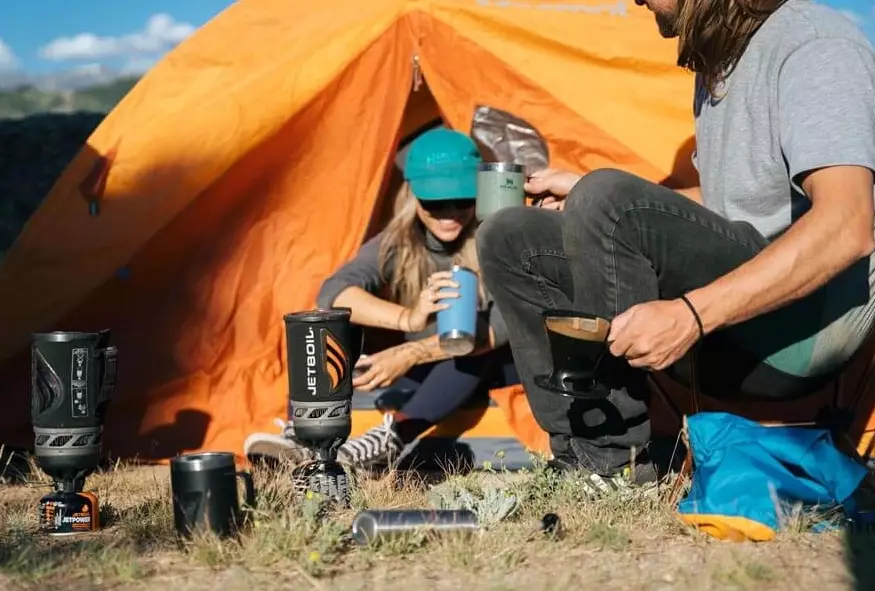
Prime Spots: A Region-by-Region Look at California Primitive Camping
California's diversity is its greatest asset for campers. Here are some general regions and ideas to jumpstart your planning, sprinkled with a few of my own experiences (good and bad).
The Northern Forests & Coast
Think Shasta-Trinity, Six Rivers, Mendocino National Forests. This is dense, often damp forest land. The primitive camping here feels secluded and ancient.
- Shasta-Trinity NF: Endless forest service roads west of Mt. Shasta. You can find spots near lakes like Lake Siskiyou (but away from the developed areas) or along the Trinity River. Mosquitoes in early summer are biblical—bring a head net.
- Mendocino NF: The area around the Snow Mountain Wilderness has some great, less-traveled options. I found a spot near Letts Lake years ago that was incredibly peaceful, though the road in was rough and required high clearance.
The vibe here is lush and green, but access roads can be muddy and slow. Solitude is easier to find.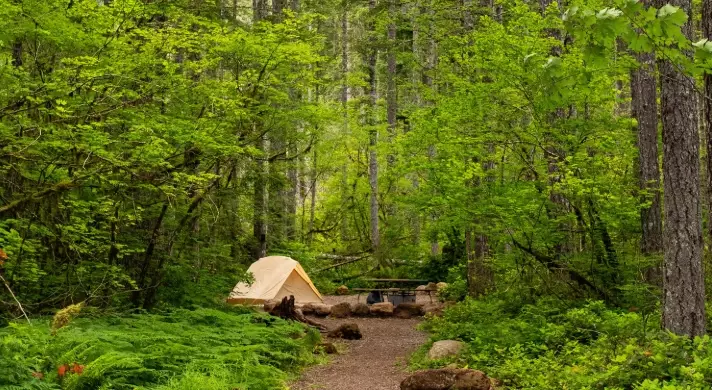
The Eastern Sierra & High Desert
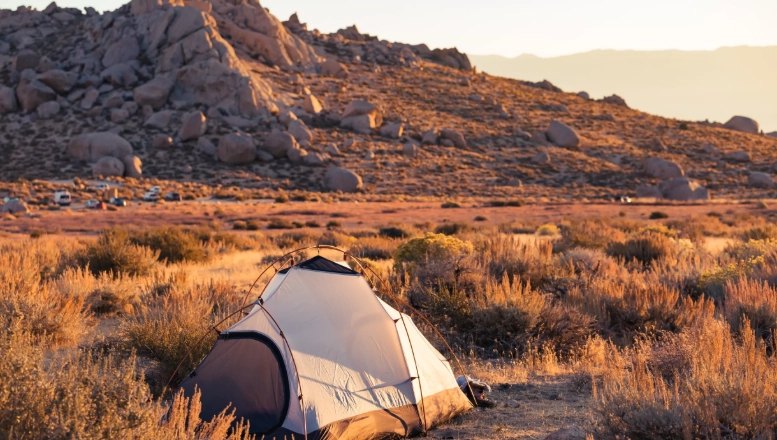
This is the holy land for many primitive camping California enthusiasts. Inyo National Forest and the BLM lands east of the Sierra crest offer stunning high-desert and alpine landscapes.
- Inyo NF, off Highway 395: Areas like the roads leading up to the Ancient Bristlecone Pine Forest or dozens of spurs off roads like Rock Creek Road offer incredible access. The views of the Sierra wall are unbeatable. Big caution: This area is extremely popular. Finding a spot on a summer weekend can be fiercely competitive. Have backups.
- BLM Land near Lone Pine/Alabama Hills: Iconic views of Mt. Whitney. Camping is dispersed on the BLM land. It's rocky, windy, and has zero shade, but the sunrise on the Sierra is magic. This area gets hammered with traffic—practice impeccable Leave No Trace here, as the impact is visible.
- Mono Basin: North of Mono Lake, BLM and forest land offers pinyon-juniper forest settings. A bit more sheltered than Alabama Hills.
The Southern Deserts
Anza-Borrego Desert State Park allows some dispersed camping in designated areas (check their map!). BLM land surrounding Joshua Tree National Park (like along Bessemer Mine Road) offers a primitive alternative to the booked-solid park campgrounds. The key here is water—you must bring all you need. Winter and early spring are the seasons. Summer is dangerously hot.
Remember, the best spot is the one you find that fits the rules, your vehicle's capability, and your comfort level. Don't chase an Instagram photo into a situation you can't handle.
Playing by the Rules: Ethics, Safety, and Not Being "That" Camper
This is the most important section. Primitive camping only works if we all do it right. The freedom to camp comes with the duty to protect the land.
Leave No Trace (LNT) Isn't a Suggestion
It's the law of the land for ethical campers. The seven LNT principles are your bible. For primitive camping in California, these are the big ones:
- Plan Ahead & Prepare: You're doing that now.
- Travel & Camp on Durable Surfaces: Use existing sites. Don't create new fire rings. Walk on rock or hard ground when possible.
- Dispose of Waste Properly: Pack it in, pack it ALL out. This includes food waste, hygiene products, and toilet paper. Dig cat holes 6-8" deep for human waste.
- Leave What You Find: No picking wildflowers, carving trees, or moving rocks.
- Minimize Campfire Impacts: Use a stove. If fires are allowed and safe, use an existing ring, keep it small, burn only small sticks you can break by hand, and burn it to ash. Put it out with water, not dirt.
- Respect Wildlife: Store food properly. Observe from a distance. Never feed animals.
- Be Considerate of Other Visitors: Keep noise down. Camp out of sight of trails and other camps. Yield to others on trails.
Safety First, Always
- Tell Someone: Give a trusted person your detailed plan—where you're going, what road, when you'll be back. And check in when you're out.
- Weather: Mountain and desert weather changes fast. Check forecasts and be prepared for the worst.
- Wildlife: Know how to store food from bears and curious critters. Make noise on trails to avoid surprising animals. Understand that snakes, mountain lions, and mosquitoes are part of the ecosystem.
- Vehicle Preparedness: If you're driving in, know your vehicle's limits. A spare tire, full-size jack, extra water, and traction boards can be lifesavers on remote roads. I carry a satellite communicator (like a Garmin inReach) for true backcountry trips—it's worth the peace of mind.
Answering Your Burning Questions (FAQs)
Let's tackle some of the specific questions that pop up when planning a California primitive camping trip.

Wrapping It Up: The Takeaway
Primitive camping in California is an invitation to experience the state's raw, unfiltered beauty on its own terms. It's challenging, rewarding, and demands respect. It's about trading convenience for connection and crowds for constellations so bright they feel close enough to touch.
Start small. Pick a well-documented area for your first trip, go for just a night, and learn. Talk to the rangers—they are fonts of knowledge. Double-check your gear. And then go. Listen to the quiet, watch the light change on the mountains, and feel the satisfaction of a simple meal you carried in yourself.
Just remember to leave no trace. So the person who comes after you can find the same magic you did.
Now get out there. That quiet spot is waiting.