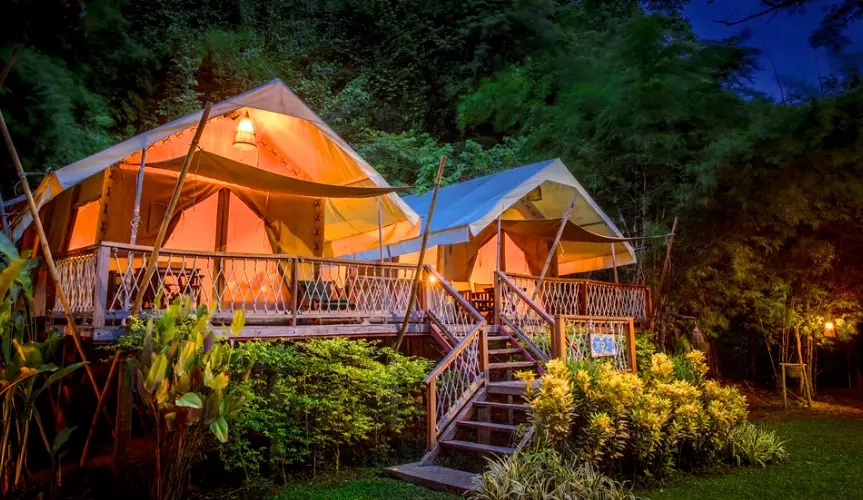
Let's be honest. Most of us love camping for the connection to nature, the quiet, the stars. But have you ever packed up your site, looked back at the flattened grass and fire ring scar, and felt a tiny pang of guilt? I have. That feeling is what pushes us towards sustainable camping destinations—places designed, and practices adopted, to ensure our adventures don't come at the planet's expense. It's not just about picking a pretty spot anymore; it's about choosing a place that shares your values of preservation. This guide cuts through the greenwashing to show you real destinations and actionable steps for a trip that feels as good for your soul as it is for the earth.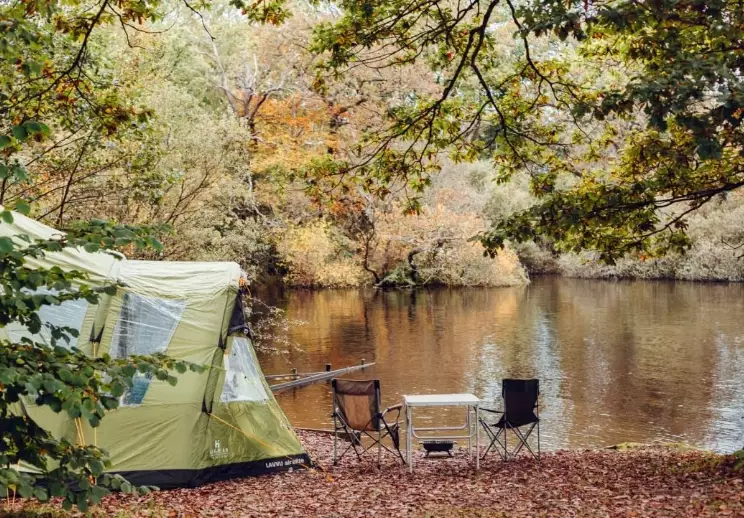
Your Quick Guide to Sustainable Camping Destinations
Why Sustainable Camping Matters More Than Ever
You see the headlines. Overcrowded national parks, trails eroded by shortcutters, wildlife habitats fragmented. Recreational pressure is a real thing. The U.S. National Park Service saw over 297 million visits in a recent year. Sustainable camping isn't a trendy buzzword; it's a necessary shift in how we interact with the wild places we claim to love.
Think of it as a contract. We get unparalleled access to beauty and solitude, and in return, we commit to leaving it unimpaired for the next person, and for the ecosystem itself. This goes beyond just carrying out your trash (which, come on, should be a given). It's about water source protection, minimizing campfire impacts, respecting wildlife from a proper distance, and being thoughtful about where you even set up your tent.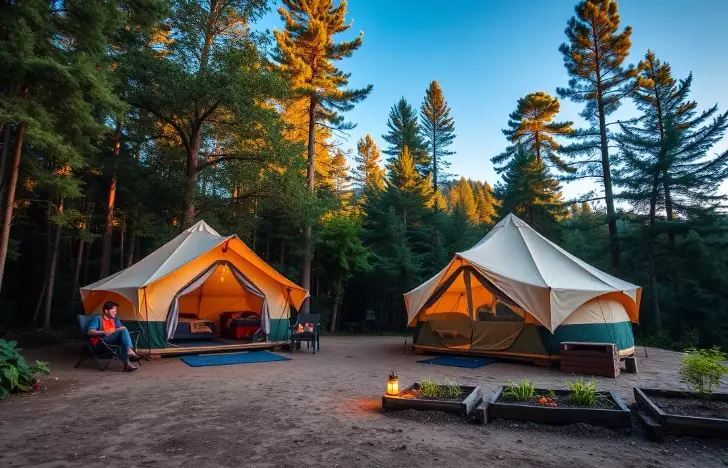
The Core Idea: A sustainable camping destination actively manages visitor impact through infrastructure (like designated tent pads and hardened trails), education, and sometimes limits on access. Your job is to choose those places and follow their guidelines to the letter.
Top Sustainable Camping Spots in North America
Here are three destinations that walk the walk. I've picked these based on their management practices, conservation initiatives, and the quality of the experience they offer to the eco-conscious camper.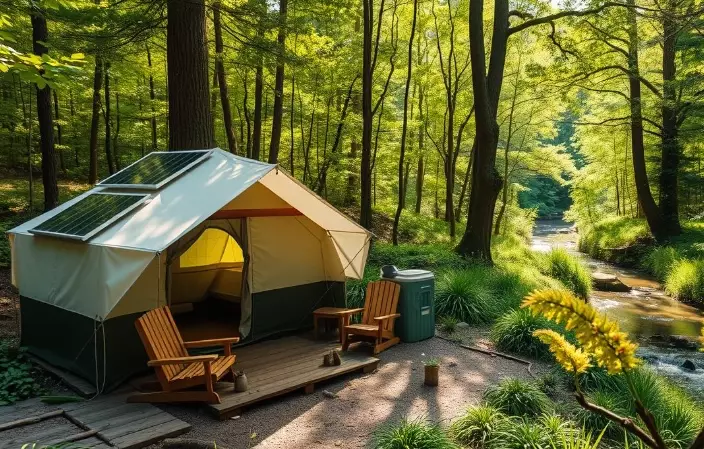
1. The Lost Coast, California – The Wild and Managed Frontier
This isn't your typical California beach trip. The Lost Coast is remote, rugged, and fiercely protected. What makes it a model for sustainable camping destinations is its mandatory permit system. The Bureau of Land Management (BLM) limits the number of hikers and campers each day to prevent overcrowding and trail degradation.
- Address/Area: King Range National Conservation Area, Southern Humboldt County, CA.
- Permits & Fees: A permit is required year-round for overnight use. You can get it via Recreation.gov. Fees are around $6 per person per night. This is non-negotiable—rangers do check.
- Season & Access: Accessible year-round, but the prime season is May-September. Be ready for rapid weather changes. The main trailhead is at Black Sands Beach Shelter Cove. You'll need a shuttle or two cars for the point-to-point hike.
- Sustainable Highlight: Strict "pack it in, pack it out" rules for everything, including human waste (WAG bags are often required). Camping is only allowed in designated zones to protect sensitive dune ecosystems.
- My Take: The permit hassle is 100% worth it. You trade convenience for absolute solitude and the knowledge that your presence is managed, not destructive. I once watched a river otter play for twenty minutes without another soul in sight—that's the payoff.
2. Acadia National Park, Maine – Car-Free Camping Done Right
Acadia gets busy. But its sustainability genius lies in the Island Explorer bus system. You can camp at one of their two main campgrounds—Seawall or Blackwoods—and then explore the entire park via free, propane-powered buses.
- Address: Acadia National Park, Mount Desert Island, ME.
- Campgrounds & Fees: Blackwoods (reservations essential, ~$30-60/night) and Seawall (mostly first-come, first-served, ~$22-30/night). Check the National Park Service site for the latest.
- Season: Blackwoods is open year-round; Seawall is seasonal (late May-Sept). Services are reduced in winter.
- Sustainable Highlight: Ditching your car. The Island Explorer network is incredibly efficient. It reduces traffic, parking lot sprawl, and emissions. The park also has extensive trail restoration projects funded by your fees.
- Pro Tip: Skip the crowded Cadillac Mountain sunrise. Hike the quieter trails on the Schoodic Peninsula (also served by the bus) or take a ranger-led "Tidepool Discovery" walk to understand the intertidal ecosystem you're visiting.
3. Algonquin Provincial Park, Ontario – A Backcountry Benchmark
Algonquin is the gold standard for managed backcountry camping in Eastern North America. Its permit system allocates specific lake sites to specific parties, ensuring dispersion and recovery time for sites.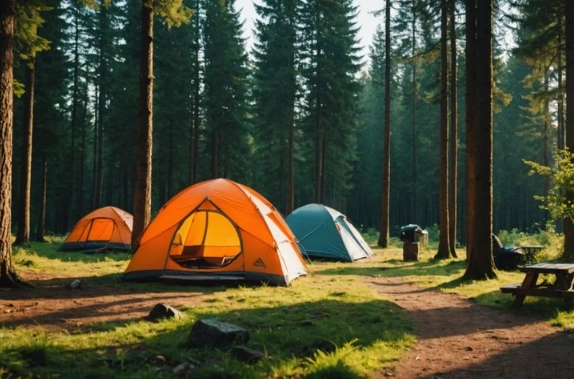
| Feature | Why It's Sustainable | What You Need to Know |
|---|---|---|
| Site Reservation | Prevents overuse; allows vegetation recovery. | Book your specific lake and site via the Ontario Parks portal. Summer weekends sell out fast. |
| Portage & Lake System | Natural traffic control; limits motorized access. | You must canoe/kayak and portage to most sites. Get a good map and be realistic about your stamina. |
| Site Amenities | Minimal, low-impact infrastructure. | Each site has a thunderbox (backcountry toilet), a fire ring, and a defined tent area. Nothing more. You treat the lake water. |
| Wildlife Protection | Strict food storage rules. | You must use a bear hang or a certified bear canister. It's for the safety of both you and the bears. |
The magic here is the enforced solitude. Knowing you have a lake to yourself for the night is a rare privilege made possible by this strict system.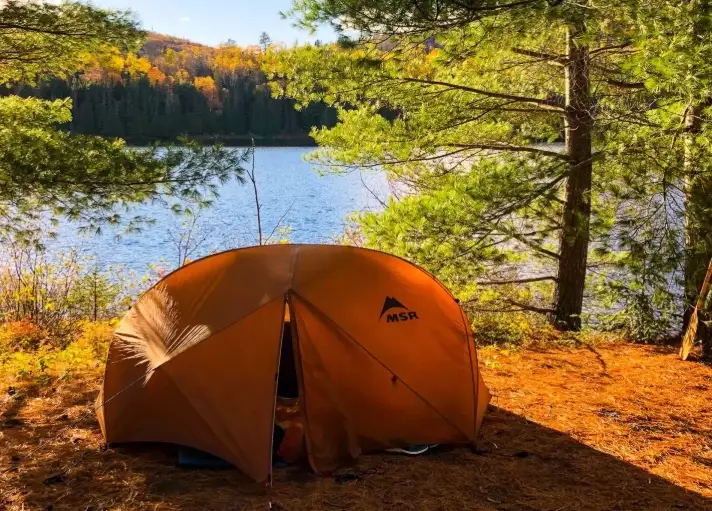
How to Plan Your Sustainable Camping Trip
Choosing the right destination is half the battle. Your actions on the ground are the other half. Here’s a planning checklist focused on impact.
Before You Go:
- Research & Permits: This isn't optional. Visit the official park or forest service website. Understand permit requirements, fire regulations (often seasonal bans), and specific rules like bear canister mandates.
- Gear Check: Ditch single-use plastics. Get reusable containers for food. Invest in a high-quality water filter (like a Sawyer or Katadyn) instead of buying bottled water. Make sure your tent footprint is no larger than your tent—you don't need to clear a baseball field.
- Repackage Food: Take food out of its commercial packaging and put it in reusable bags or containers. This reduces trash volume and weight you have to carry out.
On Site: The Big Three
- Waste: Pack out all trash, including biodegradable scraps like apple cores (they alter wildlife behavior). For human waste, use established outhouses or catholes dug 6-8 inches deep, at least 200 feet from water, trails, and camp. In high-alpine or desert areas, a WAG bag may be required.
- Water: Never wash dishes, brush teeth, or bathe directly in a lake or stream. Carry water 200 feet away from the shore. Use biodegradable soap sparingly—even it needs soil to break down.
- Fire: Use established fire rings if fires are permitted. Keep fires small. Burn wood to ash completely. The best practice? Consider a lightweight camp stove. It leaves no trace and is often safer and easier.
Common Sustainable Camping Mistakes (And How to Avoid Them)
Even with good intentions, we slip up. Here are subtle errors I've seen (and made) that undermine sustainability.
Mistake 1: The "Biodegradable" Soap Misconception. You buy "eco" soap and think you can wash your dishes in the lake. Wrong. All soap, even biodegradable, pollutes water and harms aquatic life. The "biodegradable" part only works in soil. Always wash away from water sources.
Mistake 2: Creating "Social Trails." You see a cool viewpoint 50 feet off the main trail and cut across the vegetation to get there. Your one step seems harmless, but hundreds of steps create a new, erosive trail. Stay on durable surfaces like established trails, rock, or dry grass.
Mistake 3: Improper Food Storage. Hanging your food bag from a random tree branch is usually not enough. Bears and rodents are smart. Learn the PCT (Pacific Crest Trail) method for a proper bear hang, or better yet, use a hard-sided bear canister where required. A fed bear is a dead bear.
Mistake 4: Not Checking for Invasive Species. Seeds and insects can hitchhike on your boots, tent, and kayak. Before and after your trip, especially when traveling between regions, clean your gear. It's a simple step that prevents the spread of damaging plants like knapweed or insects like the emerald ash borer.