Quick Guide
Let's be honest, a good night's sleep can make or break a camping trip. You can have the best views, the perfect campfire, and amazing company, but if you're lying on a rock poking through a thin mat, none of it matters. That's where the humble yet critical piece of gear comes in: the twin camping mattress. It's not just a pad; it's your portable bedroom floor, your insulation from the cold ground, and your ticket to waking up refreshed instead of groaning with a sore back.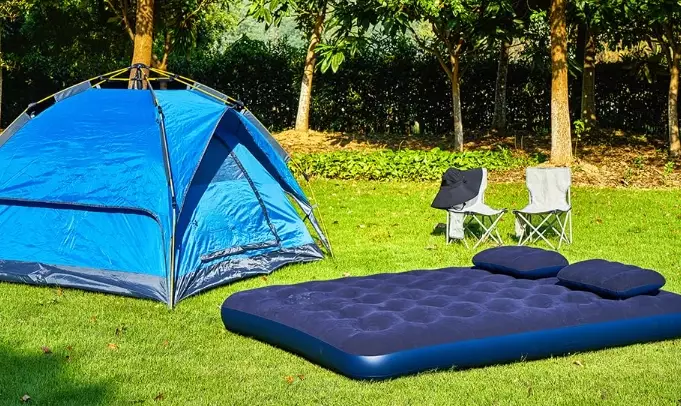
I've spent more nights than I can count on various camping beds, from ultra-lightweight pads that felt like sleeping on a bag of chips to luxurious inflatables that rivaled my bed at home. The twin size is a fantastic sweet spot. It's spacious enough for one person to stretch out comfortably (or cozy enough for two if you're really close), yet it's still manageable to pack and carry. But with so many options—air, foam, self-inflating, thick, thin, insulated, not insulated—how do you even start?
This guide is here to cut through the noise. We're not just listing products; we're digging into the why behind the features. What does R-value really mean for your comfort? Is a thicker twin camping mattress always better? Can you actually repair a puncture in the middle of nowhere? We'll cover it all.
The Three Main Types of Twin Camping Mattresses
This is your first and biggest decision. Each type has a completely different personality, cost, and set of trade-offs.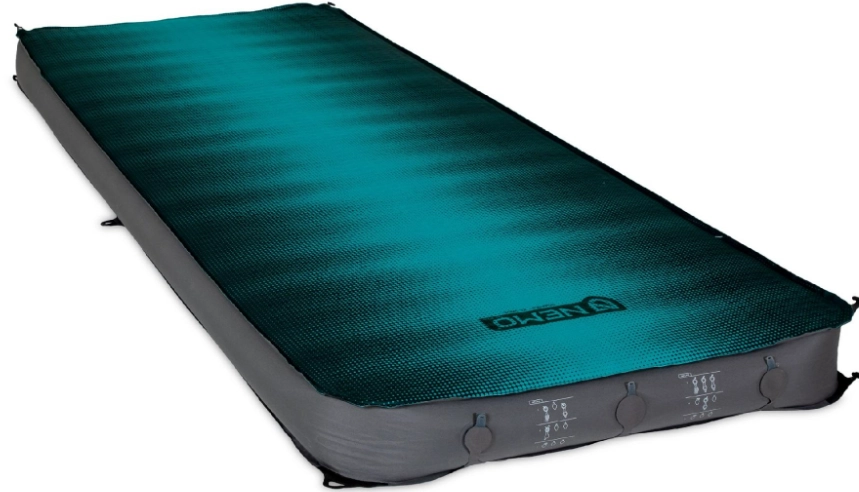
Air Mattresses (The Comfort Kings)
Think of these as the luxury sedans of camping sleep. A twin air mattress for camping is essentially a large, ground-based air bed. They inflate to several inches thick, providing a plush, bed-like feel that's hard to beat for pure cushioning. The best ones have internal baffles or coils to prevent that annoying balloon-like rolling feeling.
The good: Unmatched comfort and cushioning for side sleepers. Often packs down relatively small. Great for car camping where weight isn't an issue.
The not-so-good: They can be cold. Air circulates inside and sucks heat from your body unless the mattress has specific insulation. They are also susceptible to punctures. Nothing kills the vibe like a slow leak at 2 AM. And you need a pump—blowing up a full twin size by mouth is a great way to pass out.
I had a fancy twin air mattress spring a leak on a late-fall trip. The temperature dropped, and so did the mattress—and my warmth. I ended up on the cold tent floor by morning. Lesson learned: always bring a repair kit and consider the season.
Self-Inflating Mattresses (The Smart Compromise)
These are the Swiss Army knives of the bunch. A self-inflating twin camping mattress has open-cell foam inside a sealed air chamber. You open the valve, the foam expands and sucks in air, doing about 90% of the work. You then top it off with a few breaths to reach desired firmness.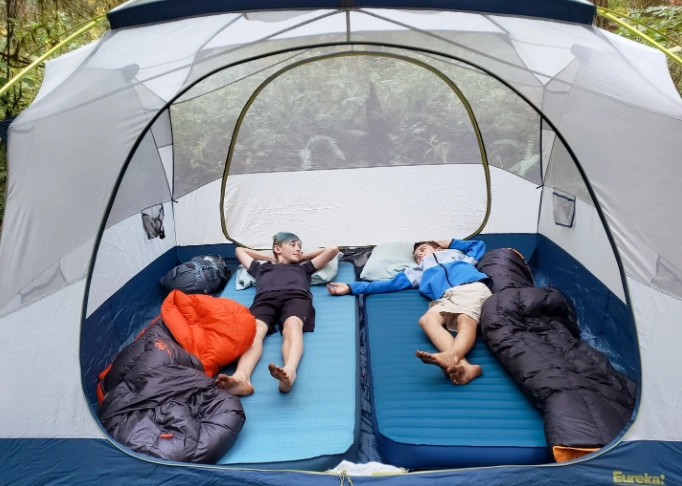
The good: Excellent balance of comfort, insulation (the foam provides it), and convenience. They're more durable than plain air mattresses. The insulation factor (R-value) is usually decent right out of the box.
The not-so-good: Heavier and bulkier than air-only pads. If the foam gets wet, it's a nightmare to dry out and can mildew. They can also lose firmness over a very cold night as the air inside contracts.
Closed-Cell Foam Pads (The Reliable Workhorses)
These are the simple, indestructible classics. Just a slab of dense foam, often with an egg-crate or dimpled texture. A twin size camping pad of this type is about as low-tech and reliable as it gets.
The good: Absolutely bombproof. No punctures, no leaks, no problems. They're lightweight, provide consistent insulation, and you can use them as a seat, a kneeler, or an extra layer under another pad. They're also the most affordable option.
The not-so-good: The least comfortable of the three. The cushioning is minimal. They are also very bulky to pack—you usually have to strap them to the outside of your pack, which isn't ideal for a twin size.
So, which one is for you? This table might help crystallize the choice.
| Type | Best For | Worst For | Key Thing to Remember |
|---|---|---|---|
| Twin Air Mattress | Car campers prioritizing maximum comfort, summer/3-season use. | Backpacking, cold-weather camping without insulation, those afraid of leaks. | Comfort is top-tier, but it comes with a vulnerability to temperature and punctures. |
| Self-Inflating Twin Pad | Campers who want a great balance of comfort, warmth, and hassle-free setup. | Ultra-light backpackers, very budget-conscious buyers. | The "set it and forget it" option that performs well in most conditions. |
| Closed-Cell Foam Pad | Backpackers on a budget, winter campers (as a base layer), anyone who values utter reliability. | Anyone who needs plush cushioning or has pressure points. | It will never fail you, but it will never cradle you either. It's functional, not luxurious. |
Beyond the Type: The Features That Actually Matter
Okay, you've picked a type. Now you're staring at a dozen different models all labeled "best twin camping mattress." What separates them? It's all in these details.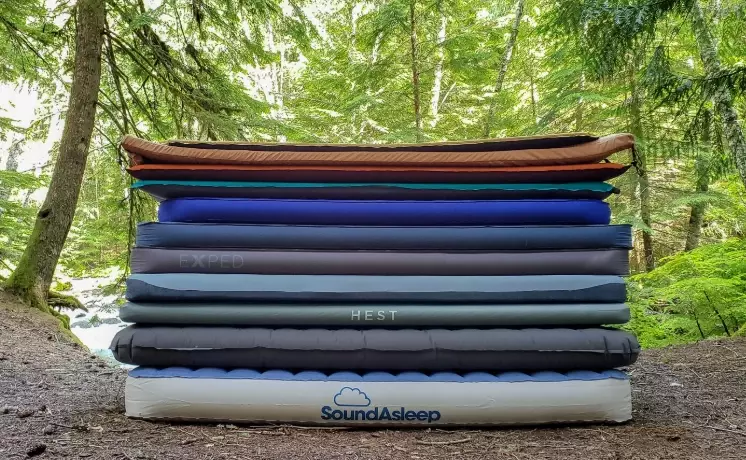
This is the single most important spec for cold-weather camping, and most people ignore it. R-value measures thermal resistance. A higher number means better insulation from the cold ground. The experts at REI have a great breakdown, but here's the simple version:
- R-Value 1-2: Summer only. Warm nights.
- R-Value 3-4: Three-season classic. Good for spring through fall.
- R-Value 5+: Winter/cold-weather camping. Essential if the ground is frozen or temps are near/below freezing.
An uninsulated twin air mattress might have an R-value below 1. A good self-inflater might be 3-4. If you camp in varied seasons, prioritize this number.
Thickness isn't just about softness; it's about bottoming out. A 2-inch pad might feel fine until your hip hits the ground. For most adults, 3 inches is a good minimum for comfort, especially on a twin camping mattress where you have room to move. Materials matter too. Look for terms like "ripstop nylon" or "polyester pongee" for the top fabric—they're durable and feel nicer against skin than crinkly PVC. The bottom should be a tough, waterproof material like oxford or tarpaulin.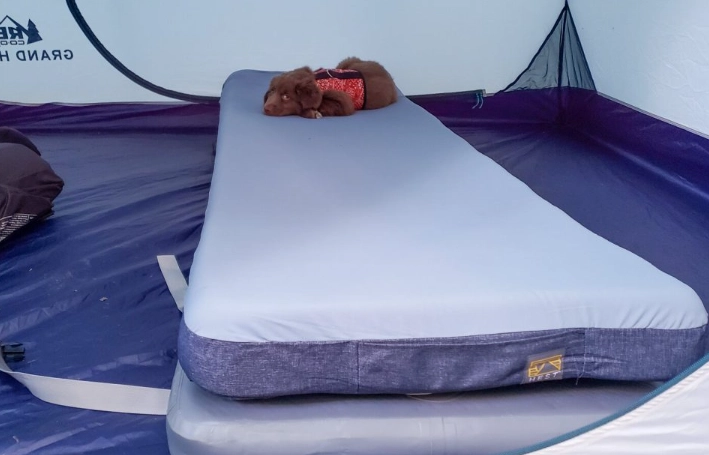
A word on "waterproof": Most mattresses are water-resistant, not submersible. A puddle in your tent will eventually seep through seams or the valve. Always use a groundsheet or a tent with a good bathtub floor. The National Park Service camping guidelines always stress protecting your tent floor, which in turn protects your mattress.
A bad valve is a curse. It should open and close easily, seal perfectly, and ideally have a dual function for fast inflation/deflation. For a twin air mattress, consider how you'll pump it. Battery-powered pumps are a game-changer for convenience. Some even have built-in pumps, which is fantastic until the pump breaks. Manual foot pumps are reliable but a workout.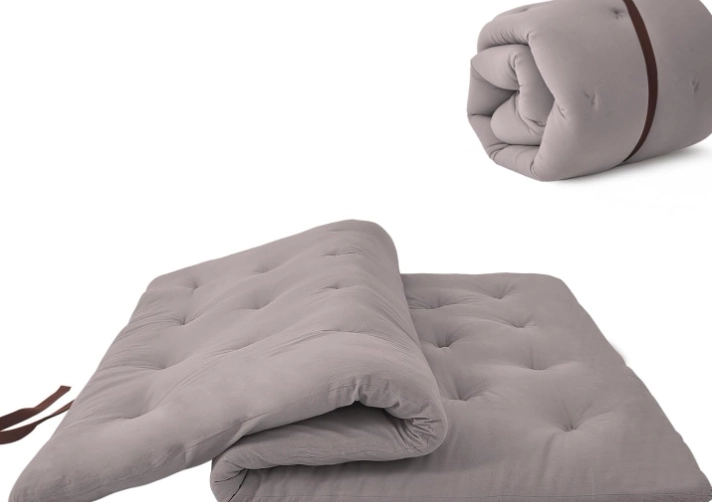
The Practical Side: Using and Caring for Your Mattress
You've bought it. Now how do you not ruin it?
Inflation Tip: Inflate your twin camping mattress at home first, then deflate it and pack it. This stretches the materials gently and can reveal immediate defects. Never, ever over-inflate it outdoors, especially on a hot day. The expanding air can burst seams.
Setup: Clear your tent site of sharp sticks and stones. Unfold your mattress inside the tent, not on the abrasive ground outside. This seems obvious, but I've seen people do it.
Puncture Repair: It's not hard. Find the leak by listening or submerging in water (a bathtub works). Dry it completely. Clean the area with rubbing alcohol from a small kit. Apply the patch from the included repair kit (you did get one with a repair kit, right?) and press firmly. Let it cure for a few hours. For a small pinhole, a dab of super glue can work in a pinch, but a proper patch is better.
Cleaning and Storage: Wipe down with a damp cloth and mild soap. Never machine wash. The golden rule: store it loosely rolled or flat, not compressed in its stuff sack. Long-term compression kills the loft of foam and stresses seams. I keep mine under a bed or in a closet, not crammed in the garage.
Answering Your Twin Camping Mattress Questions
Wrapping It Up: What Really Matters
Choosing the right twin camping mattress boils down to asking yourself a few straight questions:
- Where and when do I camp? (Car vs. backpack? Summer vs. winter?) This dictates weight, pack size, and crucial R-value.
- How do I sleep? (Side sleeper? Toss-and-turner?) This points to needed thickness and cushioning.
- What's my tolerance for hassle? (Do I mind blowing it up? Am I worried about repairs?) This steers you toward foam, self-inflating, or premium air models.
There's no single "best" twin camping mattress for everyone. The best one is the one that gets you a great night's sleep so you can enjoy your days outside to the fullest. Don't just buy the cheapest or the one with the flashiest colors. Think about the ground you'll be on, the air you'll be breathing in, and the sleep you need to recover.
Investing in a good one pays you back every morning you wake up without an ache, ready for adventure instead of dreaming of your bed at home. Your back will thank you. And honestly, so will your camping partners.
Now get out there and test a few. Your perfect night under the stars is waiting.