Quick Navigation
Spring camping isn't just about escaping the winter blues—it's a chance to catch nature waking up, with fewer crowds and mild weather. I've spent over a decade chasing the perfect spring campsite, and let me tell you, it's not all sunshine and wildflowers. You need to know where to go and how to do it right. In this guide, I'll walk you through the best spring camping destinations, packed with practical details like fees, addresses, and routes, plus some hard-earned tips you won't find on typical travel blogs.
Why Spring is the Perfect Time for Camping
Spring offers a sweet spot for campers. The temperatures are comfortable, usually between 50°F and 70°F in many regions, and the parks aren't yet swamped with summer tourists. But here's something most guides miss: spring weather is notoriously unpredictable. I once camped in the Smokies in April, thinking it'd be warm, only to get hit with a late frost. Always pack layers—more on that later.
Another perk? Wildlife is active. You might spot bears emerging from hibernation or birds migrating north. According to the National Park Service, spring is prime time for birdwatching in many areas, but it also means you need to be extra cautious with food storage. Don't just rely on common sense; check specific park regulations, like those from Yellowstone's official site, to avoid fines or dangerous encounters.
Top 5 Spring Camping Destinations in the US
Based on my experiences, here are five standout spots for spring camping. I've included everything you need to plan a visit: entrance fees, exact locations, seasonal hours, and how to get there. Let's start with a quick overview table, then dive into the details.
| Destination | Entrance Fee | Address | Spring Season | Nearest Airport |
|---|---|---|---|---|
| Great Smoky Mountains National Park | Free (camping fees apply) | 107 Park Headquarters Road, Gatlinburg, TN 37738 | March to May | McGhee Tyson Airport (TYS) |
| Yosemite National Park | $35 per vehicle (7-day pass) | 9035 Village Drive, Yosemite Valley, CA 95389 | April to June | Fresno Yosemite International (FAT) |
| Acadia National Park | $30 per vehicle (7-day pass) | 25 Visitor Center Road, Bar Harbor, ME 04609 | May to June | Bangor International Airport (BGR) |
| Zion National Park | $35 per vehicle (7-day pass) | 1 Zion Park Blvd, Springdale, UT 84767 | March to May | McCarran International Airport (LAS) |
| Olympic National Park | $30 per vehicle (7-day pass) | 3002 Mount Angeles Road, Port Angeles, WA 98362 | April to June | Seattle-Tacoma International (SEA) |
Great Smoky Mountains National Park
This is my go-to for spring camping. The wildflowers are insane—over 1,500 kinds bloom from March to May. Camping fees range from $17 to $27 per night at sites like Elkmont or Cades Cove. From Gatlinburg, take US-441 into the park; it's about an hour's drive from Knoxville. Pro tip: Book early through Recreation.gov. The park gets busy by late April, and I've seen newcomers show up without reservations, only to end up in overflow areas with no amenities.
Address: 107 Park Headquarters Road, Gatlinburg, TN 37738. Spring hours: most campgrounds open from March 15 to November 30, but check for specific dates—some high-elevation sites open later. Traffic can be heavy on weekends, so aim for weekdays if you can.
Yosemite National Park
Yosemite in spring is magical, with waterfalls at their peak from snowmelt. Entrance is $35 per vehicle, and camping at Upper Pines costs $26 per night. From Fresno, drive CA-41 north for about two hours. Reservations open months in advance on Recreation.gov, and they sell out fast. I made the mistake once of assuming I could snag a last-minute spot—ended up camping outside the park.
Address: 9035 Village Drive, Yosemite Valley, CA 95389. Spring season runs April to June, but some roads like Tioga Pass may still be closed due to snow. Always check the park's website for updates.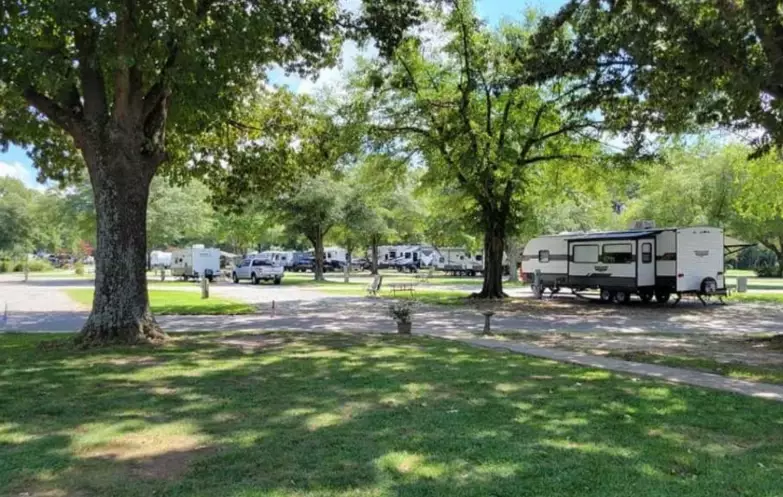
Acadia National Park
Acadia offers cool coastal vibes in spring. Entrance is $30 per vehicle, and Blackwoods Campground charges $30 per night. From Bangor, take US-1A south for an hour. The park opens fully by May, but some trails might be muddy. I love the solitude here before summer crowds hit.
Address: 25 Visitor Center Road, Bar Harbor, ME 04609. Spring hours: campgrounds open from May to October. Weather can be chilly, so pack a good sleeping bag.
Zion National Park
Zion's red rocks are stunning in spring, with temps ideal for hiking. Entrance is $35 per vehicle, and Watchman Campground costs $20 per night. From Las Vegas, drive I-15 north for about 2.5 hours. Shuttles run in spring, reducing traffic—a huge plus.
Address: 1 Zion Park Blvd, Springdale, UT 84767. Spring season: March to May. Watch for flash floods; I learned that the hard way on a narrow trail.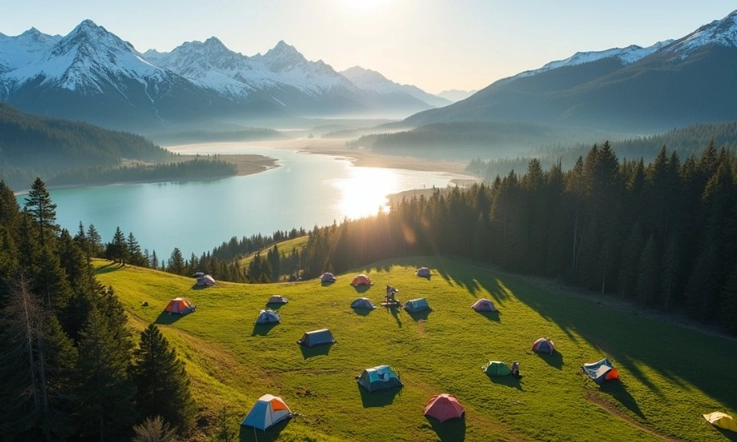
Olympic National Park
Olympic's diversity—rainforests, beaches, mountains—shines in spring. Entrance is $30 per vehicle, and Mora Campground is $20 per night. From Seattle, take a ferry or drive US-101 west for 3-4 hours. It's less crowded than summer, but rain is common. Bring waterproof gear.
Address: 3002 Mount Angeles Road, Port Angeles, WA 98362. Spring hours: April to June. Some areas like Hurricane Ridge may have limited access.
Insider Tip: Many campers overlook smaller state parks. For example, in the Midwest, places like Starved Rock State Park in Illinois offer great spring camping with lower fees and fewer people. It's worth exploring local options beyond the big names.
How to Plan Your Spring Camping Trip Step-by-Step
Planning a spring camping trip isn't rocket science, but skipping steps can ruin it. Here's a straightforward approach from my experience.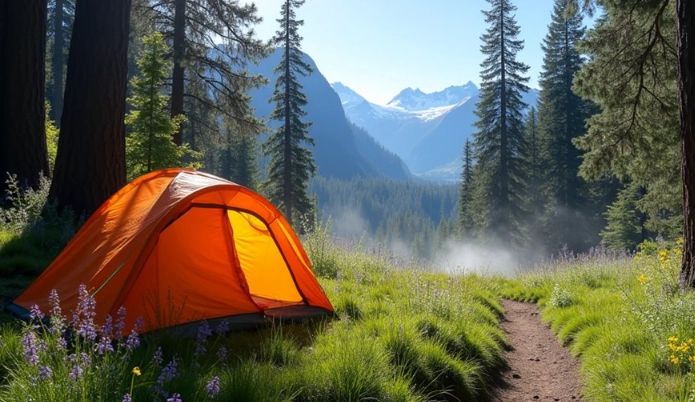
Step 1: Choose Your Destination – Pick based on weather and interests. Use the table above as a starting point. If you hate rain, maybe skip Olympic; if you love flowers, Smokies are perfect.
Step 2: Check Fees and Book Early – Spring is popular. Book campsites 3-6 months in advance on sites like Recreation.gov. For fees, budget $20-$40 per night plus entrance costs.
Step 3: Plan Your Route – Use GPS, but have a paper map as backup. Cell service can be spotty. For example, to get to Acadia, I always download offline maps from Google Maps.
Step 4: Pack Smart – Spring means variable weather. Essentials: layered clothing, a four-season tent (not just a summer one), and a stove for cold mornings. I once brought a cheap tent that collapsed in a spring storm—learn from my mistake.
Step 5: Review Safety Rules – Check park websites for alerts. In bear country, use bear canisters; in Zion, know flood zones. The National Park Service has great resources on this.
Common Mistakes to Avoid When Spring Camping
After years of camping, I've seen people mess up in predictable ways. Here are the big ones.
Underestimating the Cold – Spring nights can drop below freezing. I've shivered through nights with a summer sleeping bag. Invest in a rated bag for 20°F or lower.
Ignoring Reservation Deadlines – Spots fill fast. Don't assume you'll find something last-minute. I've had to camp in parking lots because of this.
Overpacking or Underpacking Gear – Balance is key. Bring a rain jacket and extra socks, but leave the kitchen sink. A common error: bringing bulky coolers for short trips.
Not Checking Road Conditions – Spring thaw can close roads. Call ahead or check park social media. In Yosemite, Tioga Pass often opens late.
These might seem obvious, but in the excitement, it's easy to slip up.
FAQ About Spring Camping Destinations
Spring camping opens up a world of adventure if you're prepared. Use this guide to pick your spot, plan ahead, and avoid common pitfalls. Happy trails!