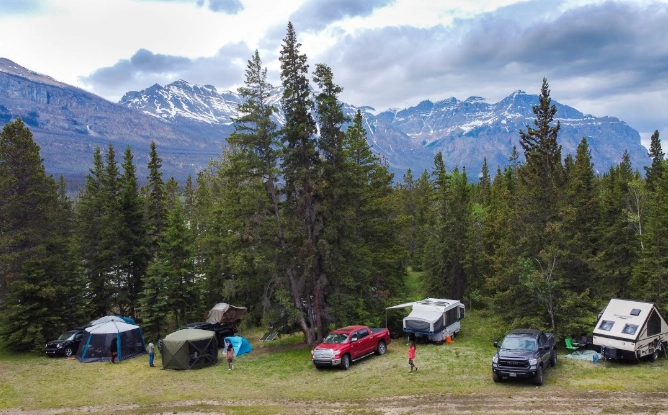
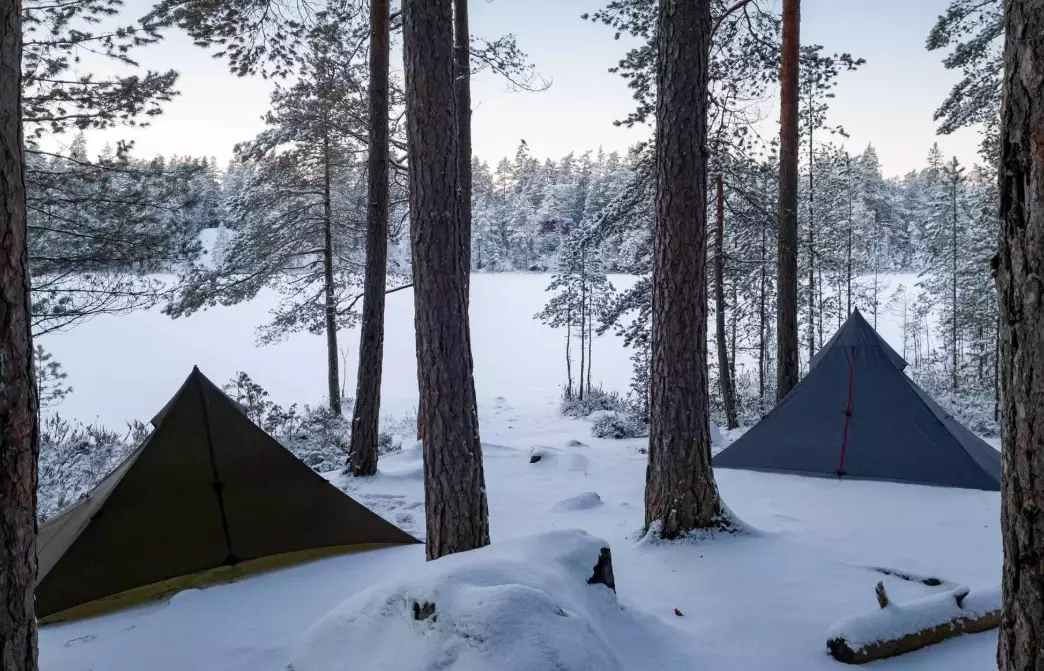
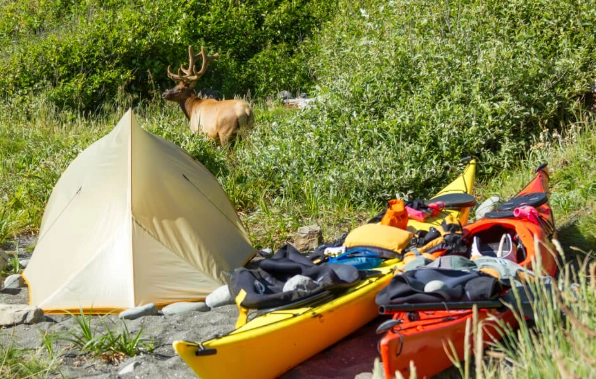
Let's be honest. When you picture camping in Canada, you see pristine lakes, towering mountains, and moose wandering past your tent. That's all true. But you're also picturing biting blackflies in June, a booked-solid campground in July, and the panic of realizing you're not sure how to handle a bear encounter. I've camped from Newfoundland's coast to the Yukon's rivers, and the magic is real—but so is the need for real planning.
This isn't a fluffy list of pretty places. It's the guide I wish I had before my first solo trip to Banff, where I learned the hard way that "waterproof" tents can fail and that forgetting bug spray is a special kind of torture.
Your Quick Camping Trip Planner
Where to Go: Top Canadian Camping Destinations
Canada is bigger than you think. Picking a region is your first step. Do you want easy access with iconic views, or true isolation?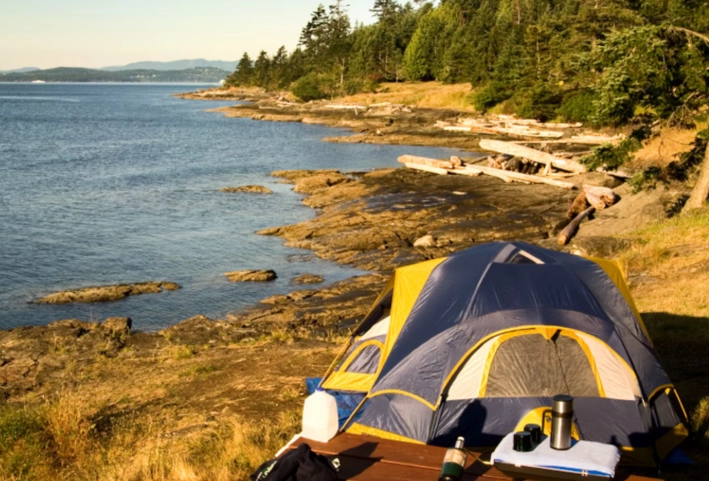
The Classic Rockies Experience (Banff & Jasper, Alberta)
This is where most people start. The views are insane, but so is the competition for sites.
Two Jack Lakeside Campground (Banff) is the poster child. Waking up to the view of Mount Rundle from your tent is unforgettable. But listen: sites here sell out within minutes of the Parks Canada reservation system opening in January. If you miss out, don't despair. Johnston Canyon Campground is a great alternative, closer to the famous hike, and its 7-month-ahead booking window gives you a second chance. Expect to pay $28-$38 CAD per night. The nearest major town is Banff, about a 15-minute drive. Getting there requires a Parks Canada Discovery Pass for your vehicle, which you can buy online or at the gate.
My take? Jasper feels slightly less manic than Banff. Wapiti Campground there is huge, has showers, and you can sometimes snag a first-come, first-served site if you arrive early on a weekday.
The Coastal Rainforest (Pacific Rim, British Columbia)
A completely different vibe. Here, you camp among ancient cedars and fall asleep to the sound of the Pacific Ocean. Green Point Campground in Pacific Rim National Park Reserve is the spot. It's split between lush forest and open, ocean-view sites. Book the "ocean" loop if you can. It's about $26 CAD per night. The nearest service hub is Ucluelet or Tofino. A key tip: it rains. A lot. Your rain gear and tent fly aren't optional here—they're survival equipment. The mist and fog, though, create a magical, moody atmosphere you won't find in the Rockies.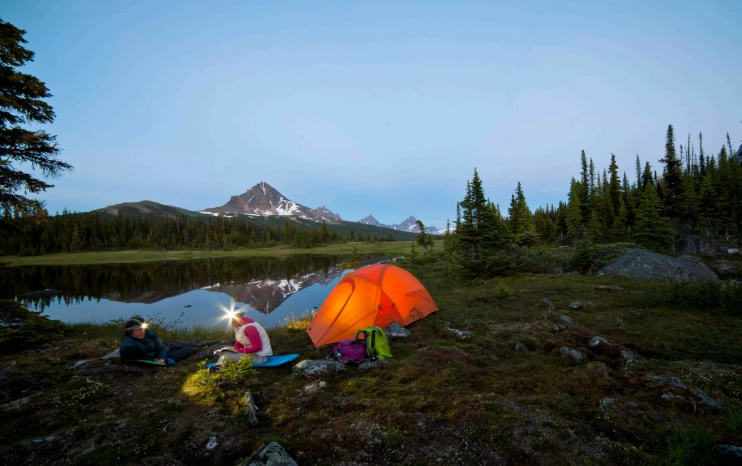
For the True Adventurer (Yukon Territories)
If you want space and raw wilderness, head north. Crowds vanish. Kluane National Park is home to Canada's highest peak and massive icefields. Kathleen Lake Campground is a stunning basecamp. The road in is the Alaska Highway—a journey in itself. Services are minimal. You might share the lake with a few other campers and a lot of eagles. This is where you practice true self-reliance. Cell service is a fantasy. Bring a satellite communicator if you're going into the backcountry.
Booking Reality Check: For any major national park campground, assume you need to book the moment reservations open (usually 2-4 months in advance for most, but up to 7 for some). For provincial parks, check sites like Ontario Parks or BC Parks. Spontaneity requires targeting first-come, first-served sites or venturing onto Crown Land.
How to Choose Your Perfect Canadian Campsite
Clicking "book" on a campground is just step one. Picking your specific site is where strategy comes in.
Most booking maps show a schematic. Look for the satellite view. A site that looks private on the diagram might be a bare gravel patch next to the bathroom. I learned this the hard way at a busy Ontario park.
Here’s my checklist when reviewing sites:
- Shade vs. Sun: A sunny site is great for drying gear but turns your tent into an oven by 7 AM. A shaded site stays cooler but can be damp and mosquito-heavy.
- Ground Cover: Grass is softer but holds water. Gravel is hard but drains instantly and stays cleaner.
- Privacy: Look for natural barriers like bushes or trees between sites. Avoid sites at a crossroads or directly next to water taps/comfort stations.
- Wind Exposure: A lakefront site is beautiful until a storm rolls in. Check the prevailing wind direction if you can.
For families, proximity to playgrounds and flush toilets matters. For solitude, look for walk-in or radio-free zones.
What to Pack: The Non-Negotiable Camping Gear List
Forget the 50-item generic lists. Here’s what actually matters for a Canadian summer, beyond the obvious tent and sleeping bag.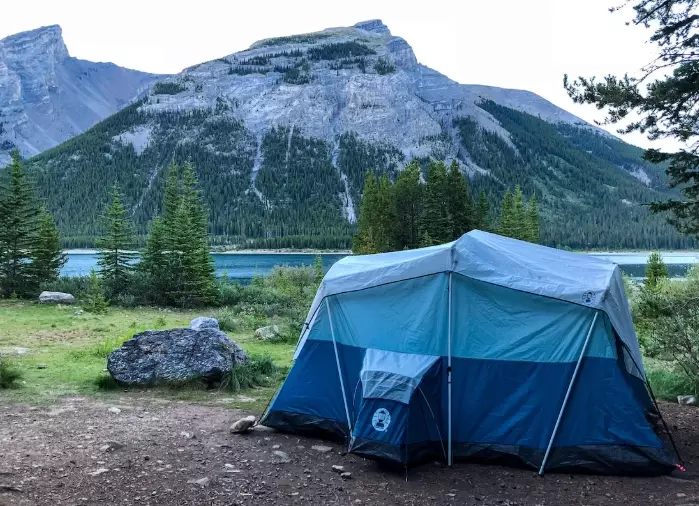
The Big Three (Shelter, Sleep, Pack)
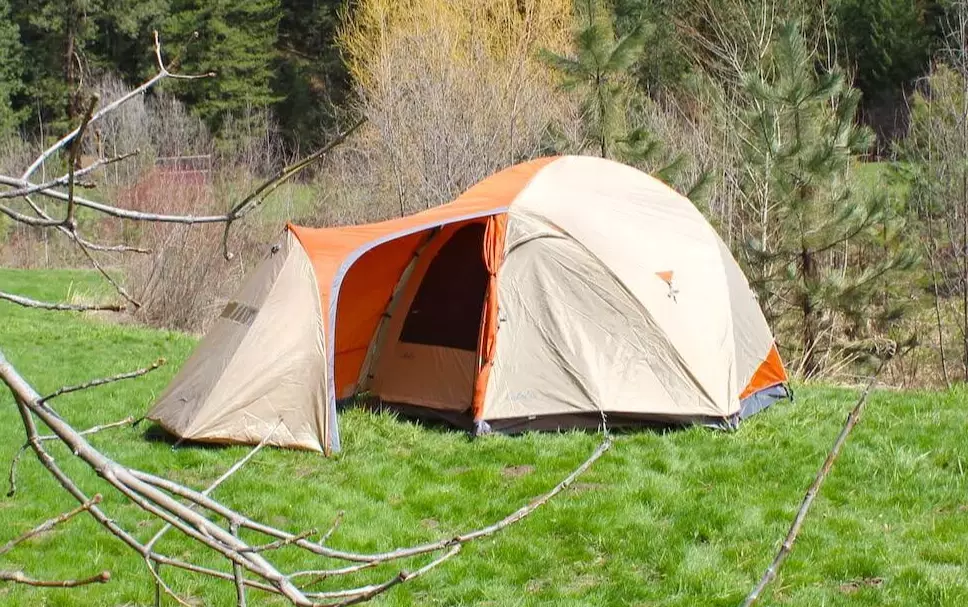
Shelter: A 3-season tent is fine for July-August. Key feature? A full-coverage rain fly that goes close to the ground. Mesh is great for bugs, but you need that fly for sudden mountain showers.
Sleep System: This is where people cheap out and suffer. Your sleeping bag's temperature rating is for survival, not comfort. If you expect nights of 5°C (41°F), get a bag rated for -1°C (30°F). The real secret weapon? Your sleeping pad's R-value. It measures insulation from the ground. For summer, aim for R-3.5 or higher. A summer bag on a cheap R-1.5 pad will leave you cold.
Pack: For backcountry, a properly fitted 60-70 liter pack. For car camping, large plastic totes are better than duffels—they stay organized and keep critters out.
Clothing: Think Layers, Not Fashion
Merino wool or synthetic base layers. A solid mid-layer fleece. A puffy jacket for around camp at night. And a truly waterproof and breathable rain jacket (not just "water-resistant"). Quick-dry pants are worth every penny. Pack two pairs of wool socks per day if you're hiking.
The Often-Forgotten Essentials
- Bear Spray & Canister: Not optional in bear country. Know how to use it. Keep it accessible, not buried in your pack. You also need a hard-sided bear canister or provided food locker for all smellables (food, toothpaste, deodorant).
- Bug Management System: A head net for severe areas (June in Ontario, I'm looking at you). Permethrin-treated clothing is a game-changer. A thermacell device can make evenings bearable.
- Water Filtration: Even clear lake water can have giardia. A Sawyer Squeeze or Katadyn pump filter is essential for backcountry.
- Comfort Items: A camp chair. You'll thank me after a long hike. A good headlamp with red-light mode to preserve night vision and not blind your neighbors.
Pro Tips & Common Mistakes to Avoid
After a decade of trips, here are the subtle things that separate a good trip from a great one.
Mistake #1: Overlooking the Arrival Day. You roll in at 8 PM after a long drive, it's getting dark, and you have to set up a new tent for the first time. Stress. Plan a shorter drive for arrival day, or better yet, do a trial run in your backyard.
Mistake #2: Misjudging Food. Keep day one's dinner simple—pre-made chili you just heat up. Don't plan an elaborate meal. And for coffee? An Aeropress is lighter and less messy than a percolator.
Mistake #3: Ignoring Campground Etiquette. Quiet hours mean something. Use your car's interior lights, not the dome light, after dark. Keep your site tidy to not attract wildlife. If you're in a shared backcountry site, give other groups space.
The best tip I ever got? Bring a small hand broom and dustpan for the tent. It keeps the dirt and pine needles manageable. Such a small thing, such a big difference.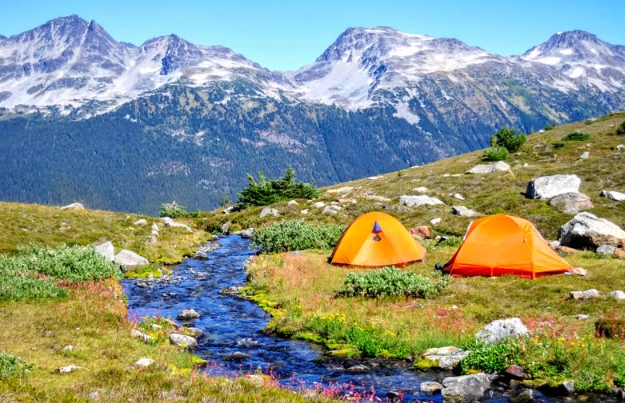
Your Burning Camping Questions Answered
Can I camp anywhere in Canada for free?
What is the best month for camping in Canada?
What is the one piece of gear most campers forget for Canada?
Do I need a special permit to camp in Canadian national parks?
The key to camping in Canada isn't having the most expensive gear. It's about respecting the scale of the wilderness and preparing for its realities. Book early, pack smart, and leave your site cleaner than you found it. The silence of a northern lake at dawn, with only the call of a loon, is a reward that makes every bit of planning worth it.
Now get out there. And maybe name a moose after me.