In This Guide
- Where to Even Start? The Backcountry Camping Gear Mindset
- Shelter: Your Home Away From Home
- The Sleep System: Don't Skimp Here
- Hydration & Nutrition: Fueling the Engine
- The Backpack: The Thing That Holds It All
- Clothing: The Layering System is Gospel
- Navigation & Safety: The Unsexy, Essential Stuff
- Putting It All Together: A Sample Gear List & Packing
- Final Thoughts Before You Hit the Trail
Let's be honest. Shopping for backcountry camping gear is a maze. One website tells you you need a $900 tent, another pushes the latest "ultralight" gadget that looks like it'll snap in a breeze. I've been there, staring at a shopping cart full of expensive items, wondering if I'm about to make a huge mistake.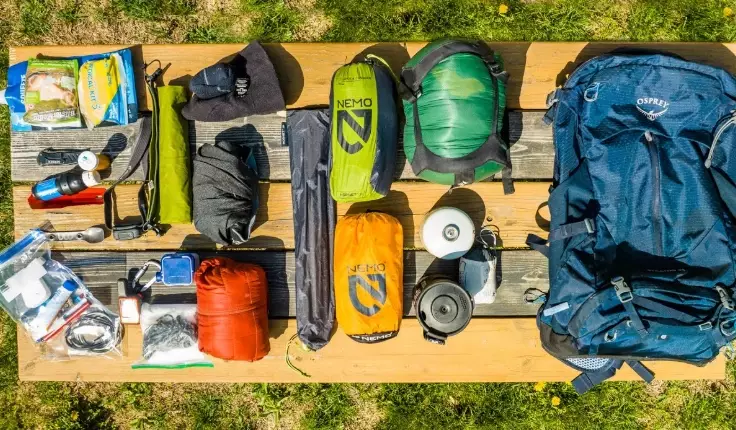
I remember my first real backcountry trip in the Rockies. My pack weighed a ton because I brought everything the internet said I "might" need. My sleeping bag was cheap and cold, my stove was fussy, and I spent half the trip miserable, not marveling at the stars. That experience taught me more than any gear review ever could.
So, let's skip the fluff and the sales pitches. This isn't about the fanciest gear; it's about the right gear. The stuff that keeps you safe, dry, warm, and actually lets you enjoy the wilderness. We're going to talk about building a backcountry camping gear kit that works, whether you're on a budget or ready to invest.
Where to Even Start? The Backcountry Camping Gear Mindset
Before we dive into tents and stoves, we need to shift how we think about gear. Backcountry camping isn't car camping. You're carrying everything on your back for miles. Every ounce matters, but so does durability and safety. It's a balancing act.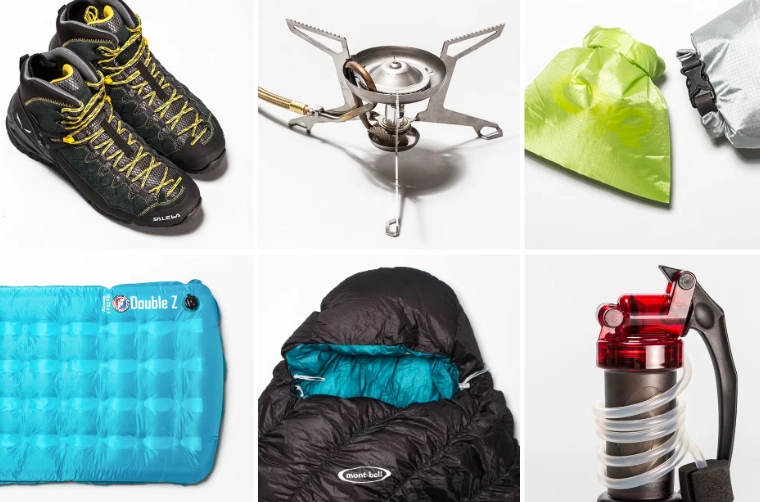
The core philosophy? The Essential Five. Every single item in your pack should serve a critical purpose related to one of these five systems:
The Essential Five Systems
- Shelter: Your protection from wind, rain, and bugs.
- Sleep System: What keeps you warm and rested (sleeping bag, pad).
- Hydration & Nutrition: How you get water and cook food.
- Clothing & Protection: Managing your body's temperature and shielding from sun/bugs.
- Navigation & Safety: How you don't get lost and handle emergencies.
If an item doesn't support one of these systems, you need to ask yourself hard questions about bringing it. That heavy paperback book? Probably not. A compact repair kit for your gear? Absolutely.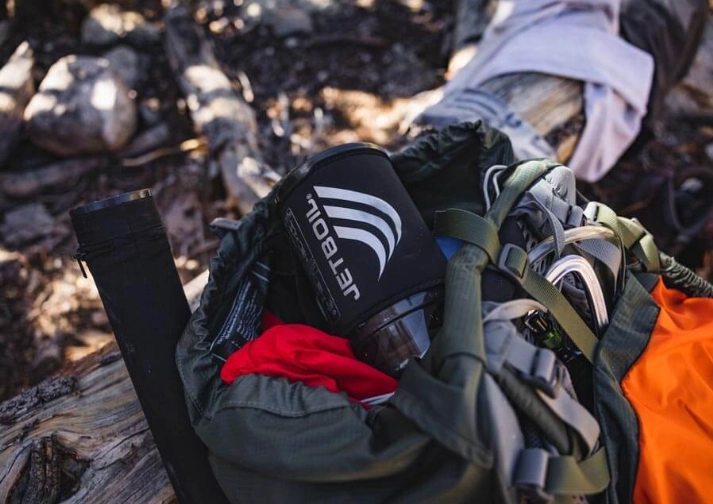
Your specific backcountry camping gear list will morph based on three things: season, location, and trip length. A summer weekend in a forested lowland needs different gear than a fall week in alpine terrain.
Shelter: Your Home Away From Home
This is often the biggest purchase and the most debated. The truth is, there's no single "best" shelter. It's about trade-offs.
Here’s a breakdown of the main shelter types for your backcountry camping gear arsenal:
| Shelter Type | Best For | Pros | Cons (The Real Downsides) |
|---|---|---|---|
| Freestanding Tent | Beginners, rocky ground, high winds. | Easy to pitch, stable, roomy. You can move it around. | Heavier, bulkier. More parts can break. |
| Non-Freestanding Tent (or Tarp Tent) | Trekking pole users, weight savers, experienced campers. | Much lighter, packs smaller, often simpler design. | Requires stakes and skill to pitch taut. Can feel less roomy, condensation management is crucial. |
| Hammock | Forested areas, uneven ground, those who hate sleeping on the floor. | Ultra-comfortable sleep (if you like it), off the wet/cold ground. | Useleless above tree line. Needs trees. Requires underquilt for warmth. Setup has a learning curve. |
| Bivy Sack | Fast-and-light missions, minimalist climbers, emergency backup. | Extremely light and small. Direct connection to environment. | Claustrophobic. Terrible in buggy areas. Condensation can be a major issue. |
My personal take? I started with a freestanding tent and loved the security. Now, I use a non-freestanding trekking pole tent for most three-season trips. The weight savings are real, but I won't lie—the first few times I pitched it, it looked terrible. Practice is key.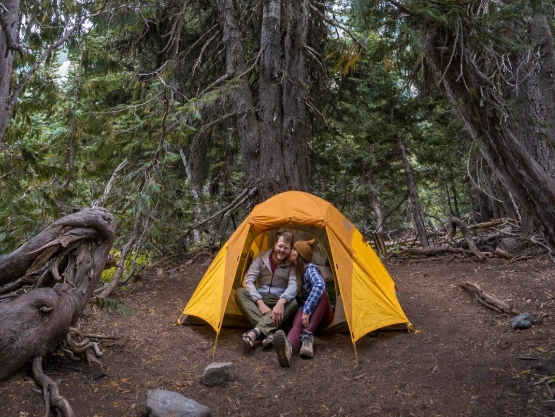
What about ratings? A "3-season" tent is what 95% of people need. It handles rain, wind, and some light snow. "4-season" or "expedition" tents are for serious winter mountaineering; they're heavier, stronger, and more expensive. You probably don't need one.
The Sleep System: Don't Skimp Here
This is where your trip is made or broken. A cold, sleepless night ruins the next day. Your sleep system has two equally important parts: the insulation beneath you and the insulation over you.
Sleeping Bags & Quilts: Not Just About Temperature
That temperature rating on the bag? It's often a "survival" rating, not a "comfort" rating. If a bag is rated to 20°F (-6°C), a man might survive at that temperature, but he'll be cold. For comfort, look for a bag rated 10-15 degrees lower than the coldest temp you expect. I run cold, so I always go even warmer.
Fill type is the big choice:
- Down: Lighter, more compressible, longer-lasting, pricier. Loses all insulation when wet. A dealbreaker for consistently wet climates unless you're insanely careful.
- Synthetic: Heavier, bulkier, cheaper. Retains some warmth when damp and dries faster. For wet environments or beginners, this can be the smarter, safer choice.
Quilts are becoming huge in the backcountry camping gear world. They're like a blanket that attaches to your sleeping pad, eliminating the hood and back material you crush underneath you. They save weight and can be more comfortable for side sleepers. I switched to a quilt a few years ago and won't go back for summer trips, but for winter, I still prefer the cozy, draft-free security of a mummy bag.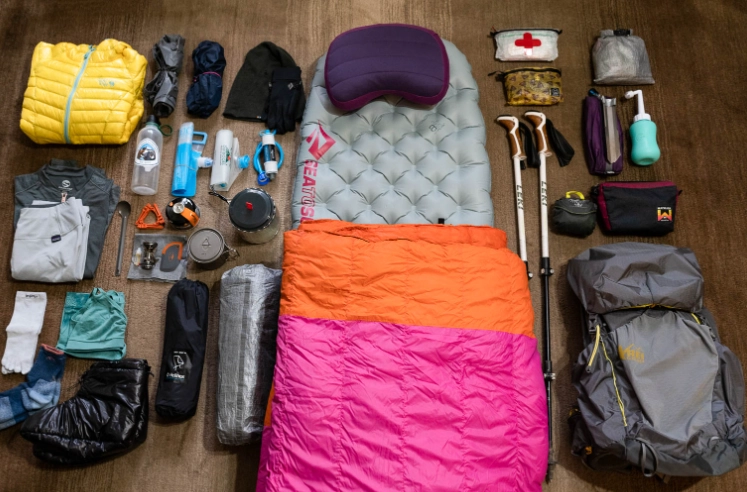
Sleeping Pads: Your Real Insulation
This is the most overlooked piece of gear. Your sleeping bag's loft is crushed underneath you, providing almost no insulation. The pad's R-Value measures its thermal resistance. Higher R-Value = warmer pad.
- R-Value 1-2: Summer only. Think foam pads.
- R-Value 3-4: Three-season workhorse. Good for most spring-fall trips.
- R-Value 5+: For cold weather, winter, or cold sleepers.
You've got inflatable pads (light, compact, comfortable, can pop), self-inflating pads (a blend of foam and air, robust, heavier), and closed-cell foam pads (cheap, indestructible, never leaks, bulky). My strategy? A moderate R-Value inflatable for comfort, with a thin foam pad as a backup/sit pad. The foam pad adds R-Value, protects the inflatable, and gives me peace of mind.
Hydration & Nutrition: Fueling the Engine
You can have the best shelter and sleep system, but if you're dehydrated and hungry, you're miserable.
Water: The Non-Negotiable
You need a way to carry it and a way to make more of it safe to drink. For carrying, I use a combination: a couple of 1-liter smartwater bottles (they're light, durable, and fit in side pockets) and a 2-liter bladder for dry camps or long stretches.
For purification, you have options. I carry two methods because one can fail.
- Filter (like Sawyer Squeeze or Katadyn BeFree): My go-to. Fast, easy, no taste. Removes bacteria/protozoa. Does not remove viruses. In North American backcountry, viruses in water are rarely a concern, so filters are king here. Check sources like the CDC's guide on backcountry water treatment for the latest info on risks.
- Chemical Treatment (Aquamira, Potable Aqua): Tiny, lightweight, works on viruses. The backup. Can leave a taste, requires wait time, less effective in very cold or murky water.
- UV Purifier (Steripen): Fast for clear water, works on viruses. Needs batteries, useless in murky water, can break. I find it fiddly.
Food & The Stove System
Calories are energy. Don't under-eat. Dehydrated backpacking meals are convenient but pricey. Many experienced folks make their own meals from supermarket items (instant rice, mashed potatoes, tuna packets).
The stove decision is simple for most people:
Canister Stoves: The standard. Screw onto a fuel canister. Light, simple, fast. Big downside: Performance plummets in freezing temps (you have to warm the canister). Fine for 95% of three-season trips.
Liquid Fuel (White Gas) Stoves: More complex, require priming. Work brilliantly in cold weather and at high altitude. You can see your fuel level. Better for long trips or winter. MSR WhisperLite is a classic.
Alcohol Stoves: Ultra-light, silent, cheap. Very slow boil times, no flame control, poor performance in wind/cold. A niche choice for dedicated gram-counters in good conditions.
My canister stove failed once on a chilly fall morning because I didn't keep the canister warm. I had to eat a cold breakfast. Now, for late-season trips, I either sleep with the canister or bring a liquid fuel stove.
The Backpack: The Thing That Holds It All
Buy this last. Seriously. Once you know the volume and weight of all your other backcountry camping gear, you'll know what size pack you need.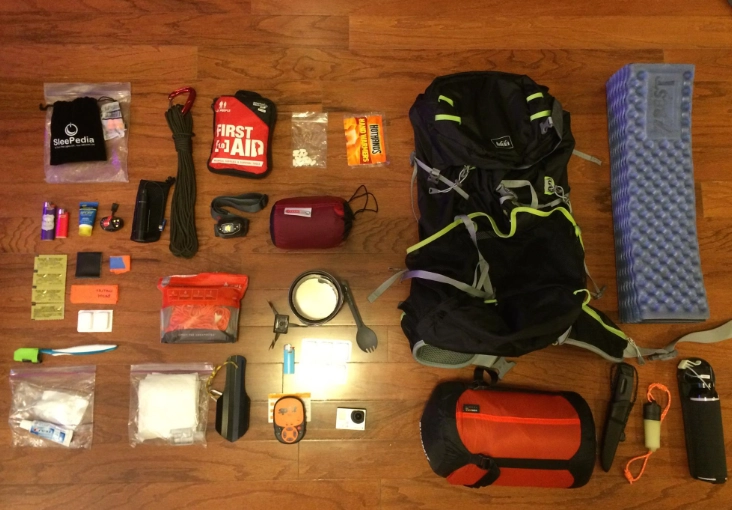
For most weekend 3-season trips, a 50-65 liter pack is the sweet spot. Longer trips or winter gear require 65+ liters.
The most important feature is the hipbelt. A good pack transfers 80%+ of the weight to your hips, not your shoulders. You must try it on, loaded, to see if it fits your torso length and hips. An online bargain is no bargain if it hurts.
Features like lots of external pockets, a "brain" lid, and specific sleeping bag compartments are personal preferences. Some love organization; others (like me) prefer a simple large compartment to pack things their own way.
Clothing: The Layering System is Gospel
Forget cotton. It's called "death cloth" for a reason. It holds moisture, takes forever to dry, and sucks heat from your body. Your entire clothing system should be synthetic (like polyester) or wool (merino).
The three-layer system works:
- Base Layer: Wicks sweat. Think lightweight or midweight long underwear.
- Insulating Layer: Traps heat. A fleece jacket or puffy jacket (down or synthetic).
- Shell Layer: Blocks wind and rain. A waterproof-breathable rain jacket and rain pants.
You adjust these layers constantly while hiking to avoid sweating too much. It's a dance.
My biggest clothing mistake? Not bringing dedicated, warm camp clothes. Hiking in your warm layers makes them sweaty. Having a separate, dry set of base layers and socks to change into at camp is a luxury that feels like a necessity.
Navigation & Safety: The Unsexy, Essential Stuff
This isn't optional. Your phone and its battery are not reliable navigation tools in the backcountry.
Physical Map & Compass: Always. Know how to use them. A ranger once told me, "The GPS is for showing you where you are on the map. The map is for showing you where you need to go." Resources like the US Geological Survey (USGS) are the gold standard for topographic maps in the U.S.
GPS Device/Satellite Messenger: A GPS like a Garmin is fantastic for tracking your route. A Satellite Messenger (like a Garmin inReach or Spot) is a safety lifeline that lets you send SOS and check-in messages where there's no cell service. I carry an inReach on every solo trip now. It's worth the subscription fee for the peace of mind it gives my family and me.
First-Aid Kit: Don't buy a pre-made kit full of bandaids. Build your own. Focus on the big stuff: bleeding control (gauze, roller bandage, hemostatic gauze), blister care (moleskin, leukotape), medications (pain, anti-diarrheal), and tools (tweezers, safety pins, small scissors).
The "Ten Essentials": This is a classic list from mountaineers. Make sure your backcountry camping gear covers it: Navigation, Headlamp, Sun Protection, First Aid, Knife, Fire (lighter/matches), Shelter, Extra Food, Extra Water, Extra Clothes.
Putting It All Together: A Sample Gear List & Packing
Here’s a stripped-down, core list for a 3-season weekend. This is the baseline.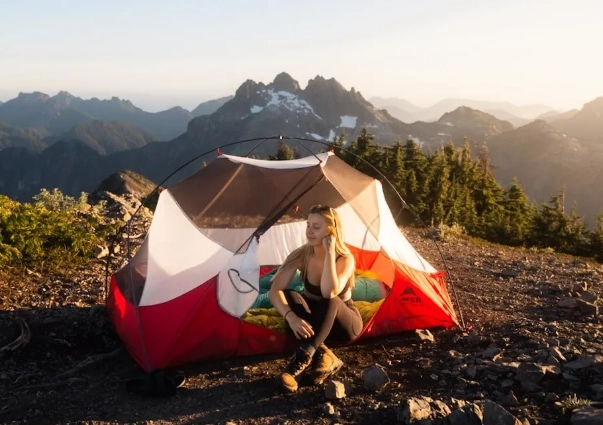
- Shelter: Tent/tarp/hammock, stakes, guylines, footprint.
- Sleep: Sleeping bag/quilt, sleeping pad.
- Pack: Backpack (50-65L), pack liner (trash compactor bag).
- Hydration: Water bottles/bladder (2-3L capacity), water filter/purifier.
- Cooking: Stove, fuel, lighter, pot, spork, mug.
- Clothing (Worn): Quick-dry shirt/pants, hiking socks, boots/shoes, hat.
- Clothing (Packed): Insulating layer, rain jacket/pants, warm hat, gloves, spare socks & base layers.
- Essentials: Headlamp, map/compass, first-aid kit, knife, sunscreen, bug spray.
Packing strategy: Heavy items (food, stove, water filter) close to your back and centered. Sleeping bag at the bottom. Rain jacket and snacks in an accessible pocket. The goal is a pack that carries well and doesn't feel like it's pulling you backwards.
Common Backcountry Camping Gear Questions (The Stuff You Actually Google)
Q: How much should my pack weigh? A: A common target is for your total pack weight (including food and water) to be 20-25% of your body weight. With modern gear, aiming for a "base weight" (everything but food, water, fuel) under 20 lbs is a great start. Ultralight folks get under 10 lbs.
Q: Is used gear okay? A: Absolutely, especially for big-ticket items like packs and tents. Check seams, zippers, and waterproof coatings. For sleeping bags, be wary of compressed or clumpy down. For stoves, make sure they function. Sites like REI's used gear site are great.
Q: What's the one thing most people forget? A: A small repair kit. Duct tape wrapped on a trekking pole, a few zip ties, a needle and thread. When a strap snaps or a tiny hole appears in your tent, this kit saves the trip.
Q: Can I go cheap on everything? A: You can prioritize. Never go cheap on your sleep system or footwear. You can find decent budget packs, cookware, and even tents. But a $30 sleeping bag will fail you. Invest in warmth and comfort where your body touches the ground and the air.
Final Thoughts Before You Hit the Trail
Building your backcountry camping gear kit is a journey, not a single shopping trip. You'll upgrade, replace, and learn what works for you. Start with the essentials, borrow what you can, and invest in pieces over time.
The best gear in the world is useless without knowledge and experience. Learn to use your gear before you need it. Practice setting up your tent in the yard. Test your stove. Go on a short overnight close to home as a shakedown.
Remember, the goal isn't to have the lightest or most expensive stuff. The goal is to have reliable gear that gets out of the way and lets you experience the mountains, the forests, the silence. That's what backcountry camping is all about.
Now get out there.