快速导览
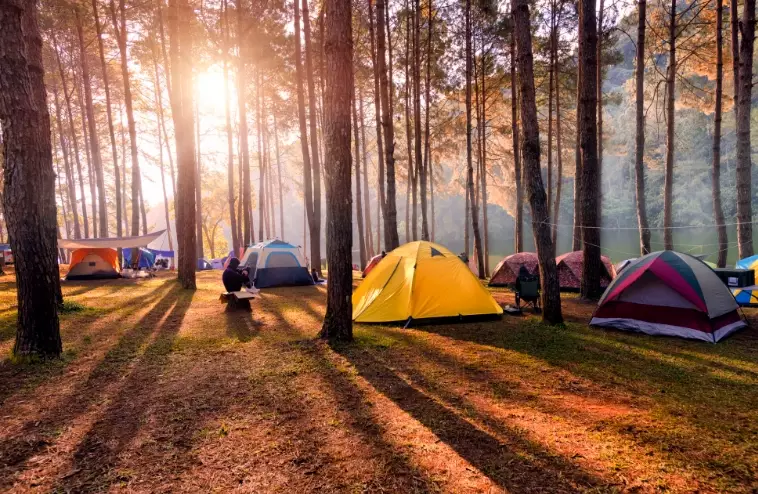
You see it everywhere, don't you? Social media feeds are flooded with pictures of tents under starry skies, friends laughing around crackling campfires, and serene mornings by misty lakes. It feels like everyone and their cousin is suddenly into camping. It's not just your imagination. The popularity of camping has exploded in recent years, becoming more than just a niche hobby for hardcore outdoorspeople. It's become a mainstream escape, a cultural phenomenon even. But why? What's behind this massive shift towards sleeping on the ground and cooking over a fire?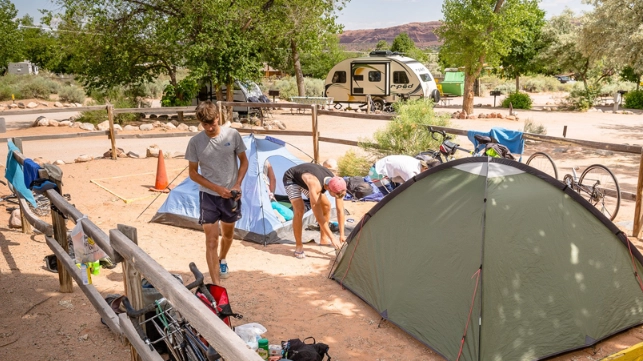
I remember my first real camping trip as an adult. It was a bit of a disaster, honestly. I borrowed a tent that leaked, forgot a can opener, and spent half the night listening to what I was sure was a bear (it was probably a raccoon). But you know what? Even with all that, there was a magic to it that a sterile hotel room could never match. That feeling is at the heart of the camping boom. Let's peel back the layers and look at what's really driving this trend.
At its core, the rise in camping popularity is a collective response to our modern, hyper-connected lives. It's a search for simplicity, authenticity, and a tangible connection to nature that many of us feel we're missing.
The Heart of the Trend: Why Camping is Having a Moment
It's easy to chalk it up to just being a fad, but the reasons for camping's popularity run much deeper. They're tied to fundamental shifts in how we live, work, and think about our well-being.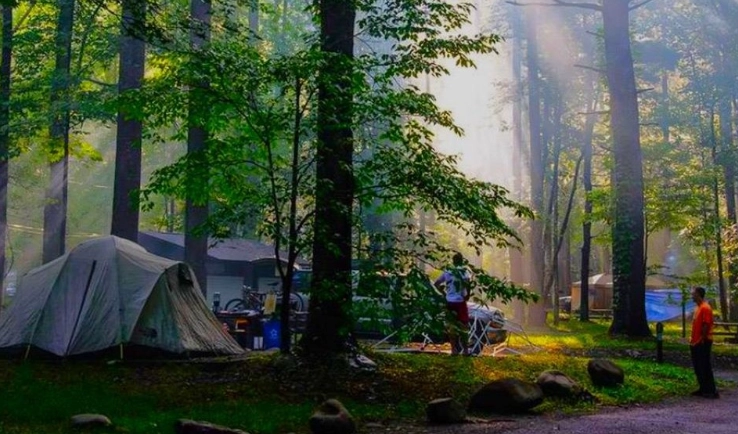
Mental Health and the Digital Detox
This is the big one. We're constantly plugged in. Notifications, emails, endless scrolling—it's exhausting. Camping offers a hard reset. The simple act of being in nature, away from Wi-Fi signals (or at least with a weak one), has profound effects. Studies have shown that time in green spaces reduces stress, anxiety, and rumination. It's not just about "fresh air"; it's about giving our overloaded brains a break from the constant stimulation of modern life. You're forced to be present. You notice the sound of the wind, the smell of pine, the way the light filters through the trees. That kind of mindful immersion is a powerful antidote to burnout, and people are craving it more than ever.
Did you know? Research published by the American Psychological Association often highlights the restorative benefits of natural environments. The concept of "attention restoration theory" suggests that nature engages our minds in a gentle, effortless way, allowing our directed attention faculties to recover from mental fatigue.
The Allure of Affordable Adventure
Let's talk money. In an era of rising costs for... well, everything, camping stands out as a remarkably budget-friendly way to have a vacation. Compared to flights, hotels, and expensive tourist attractions, a weekend at a state or national park is incredibly cheap. Once you have some basic gear (and you don't need the fanciest stuff to start), your biggest expense is often just gas and a campsite fee. This accessibility is a huge driver of its popularity. It opens up travel and adventure to a much wider range of people and families. It democratizes the vacation.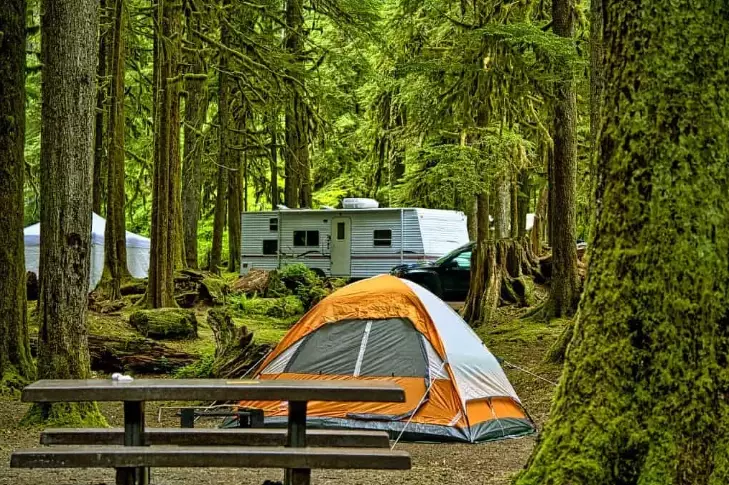
I think there's also a growing appreciation for experiences over things. People are starting to value memories more than material possessions. A camping trip with your family creates stories that last a lifetime—the time you got caught in the rain, the marshmallow that caught fire, the deer you saw at dawn. That's worth more than another souvenir trinket.
The Social Media Effect and #VanLife
We can't ignore this. Platforms like Instagram and TikTok have massively amplified camping's appeal. Beautifully curated photos of scenic campsites, cozy van interiors, and epic hikes have turned camping into an aesthetic. The #VanLife movement, in particular, romanticized a nomadic, minimalist lifestyle connected to the outdoors. While the reality is often less glamorous (finding a place to dump your gray water isn't photogenic), the inspiration it provides is real. It has shown people new ways to engage with the outdoors, from overlanding in tricked-out vehicles to simply finding a perfect hammock spot.
A word of caution: It's easy to get caught up in the picture-perfect version of camping online. Remember, your trip doesn't need to look like an influencer's feed to be valid and wonderful. Embrace the messy, real moments too.
A Post-Pandemic Push for Space and Safety
The COVID-19 pandemic acted like a turbocharger for camping popularity. When indoor gatherings felt risky and international travel was locked down, people looked for safe, open-air activities. Camping was the perfect answer. It allowed for socializing in small pods, was inherently distanced, and offered a much-needed change of scenery from our own four walls. Many people tried camping for the first time during this period and discovered they loved it. That wave of new enthusiasts hasn't receded; it's settled in and grown.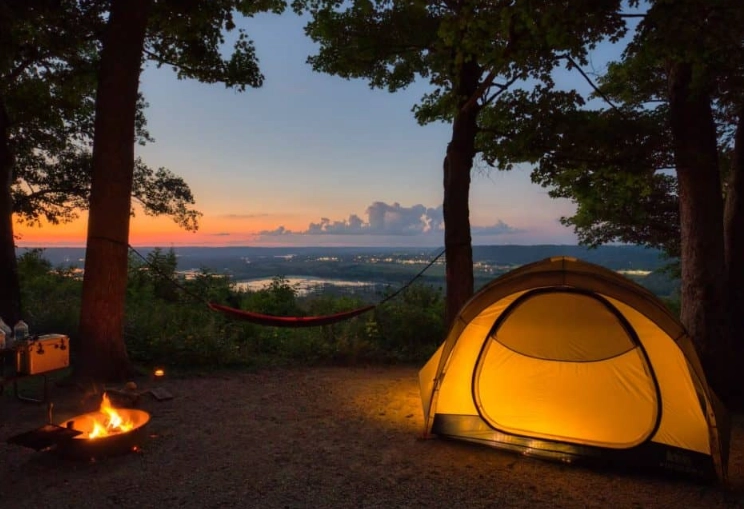
So, the camping popularity surge isn't one thing. It's this perfect storm of seeking mental peace, needing affordable options, being inspired online, and adapting to a changed world. It makes total sense when you lay it all out.
How the Camping Scene is Changing: New Trends and Styles
Camping isn't what it used to be. Well, the core is the same—sleeping outside—but how people are doing it has diversified wildly. This evolution is a big part of why it's attracting so many new people.
Here’s a breakdown of the main styles driving today's camping popularity:
| Camping Style | What It Is | Who It's For | Gear Level |
|---|---|---|---|
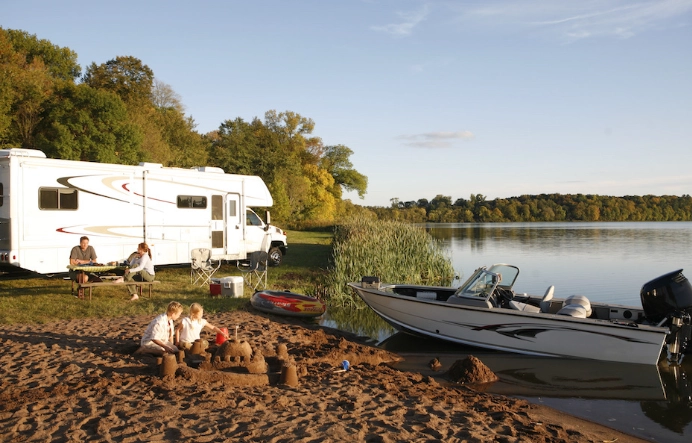
| Car Camping | The classic. Drive to a designated campsite, unload your gear from the car, and set up nearby. | Beginners, families, groups, anyone who doesn't want to carry their stuff far. | Can be minimal or luxurious (think cots, large tents, coolers). |
| Glamping | "Glamorous camping." All the nature with few of the hardships. Often includes pre-set tents, real beds, electricity, and sometimes even en-suite bathrooms. | Those who love the idea of nature but aren't ready to rough it. Great for a special occasion or easing in. | Provided for you. You just show up. |
| Backpacking | Hiking all your gear into a remote location. Self-sufficient, immersive, and often more solitary. | Adventurers, fitness enthusiasts, those seeking deep solitude and challenge. | Ultralight and essential. Every ounce matters. |
| Overlanding | Vehicle-based remote travel. Using a modified truck, SUV, or van to travel to and camp in hard-to-reach places for multiple days. | Explorers, gearheads, those who want to cover serious ground and go far off-grid. | High-end, vehicle-centric (rooftop tents, fridge/freezers, power systems). |
| Hammock Camping | Ditching the tent for a suspended hammock and tarp shelter. Lightweight and offers a unique sleeping experience. | Minimalists, backpackers looking to save weight, people camping in wooded areas. | Specialized but simple: hammock, straps, tarp, underquilt. |
See? There's a flavor of camping for almost everyone now. You don't have to be a mountain man to enjoy it. This inclusivity is key. The barrier to entry is lower than ever. You can start with a car camping trip at a well-maintained state park and go from there.
The point is to get outside. How you do it is entirely up to you.
The Sustainability Question
With great popularity comes great responsibility. The surge in camping has put pressure on popular natural areas. Overcrowding, litter, and ecological damage are real concerns. This has sparked a massive push within the community towards Leave No Trace principles. It's not just a suggestion anymore; it's a necessary ethic. The goal is to enjoy these beautiful places without loving them to death. Packing out all your trash, staying on designated trails, minimizing campfire impacts—these practices are becoming non-negotiable for responsible campers. The National Park Service and U.S. Forest Service have excellent resources on practicing low-impact recreation.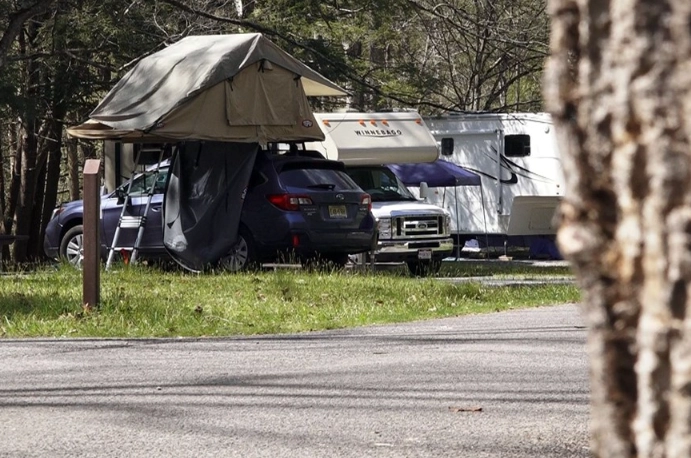
Getting Started: Your First Step into the Camping World
Inspired by the camping popularity but feeling unsure where to begin? Don't let the fancy gear photos intimidate you. Starting simple is the best strategy.
The Absolute Beginner's Gear Checklist
You don't need to spend a fortune. Borrow, rent, or buy used gear for your first trip. Focus on the essentials for a one or two-night car camping trip:
- Shelter: A simple, easy-to-pitch tent. Size up (a 4-person tent for 2 people gives room for gear).
- Sleep System: A sleeping bag rated for the expected nighttime lows, and a sleeping pad. The pad is for insulation and comfort—don't skip it! An old yoga mat is better than nothing.
- Cooking: A basic camp stove (a simple propane burner is perfect), a pot, a spatula, plates/bowls, and utensils. A cooler for food.
- Lighting: A headlamp (hands-free is a game-changer) and a lantern for the campsite.
- Water: Large jugs of drinking water. Plan for at least 2 gallons per person per day for drinking and washing.
- Clothing: Layers! Avoid cotton (it stays wet). Think synthetic or wool base layers, a fleece, and a rain jacket.
First-timer mistake I made: I brought jeans. Once they got damp from morning dew, they were cold, heavy, and miserable all day. Learn from my error—no cotton jeans.
Finding a Place to Camp
For your first trip, pick a developed campground. They usually have amenities like picnic tables, fire rings, potable water, and restrooms. This makes life much easier. Use Recreation.gov for federal lands (National Parks, Forests, BLM) or your state's park reservation website. Book well in advance, especially for weekends—this is a direct result of the camping popularity boom.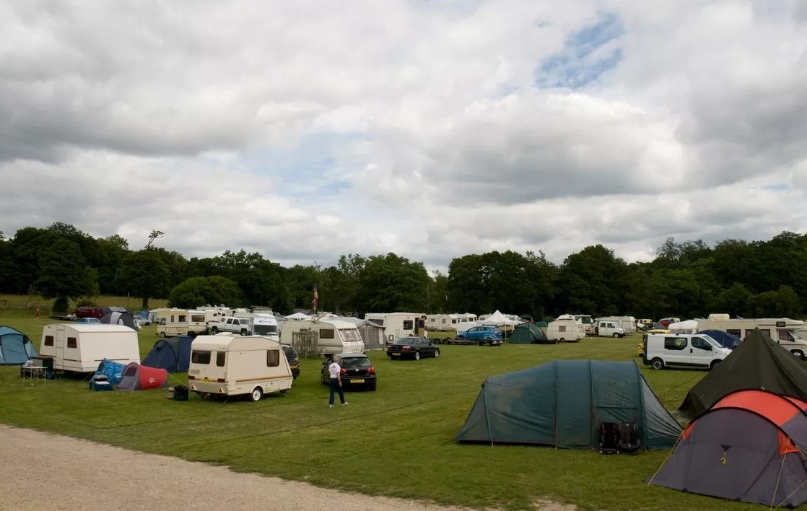
Go with a friend who has some experience, if you can. Or, make your first trip a short one, close to home. Just an overnight. That way, if you forget something crucial or just aren't feeling it, you can easily pack up and head back without a huge loss.
Answering Your Burning Camping Questions
The bugs are part of the deal. They remind you you're not in a controlled environment anymore.
The Lasting Impact of the Camping Boom
So, is this just a trend that will fade? I don't think so. The reasons for the camping popularity are rooted in deep, ongoing human needs—for connection, simplicity, and nature. While the intensity of the boom might level off, camping has firmly re-established itself as a mainstream recreational activity.
The challenge now is sustainability. As more people fall in love with the outdoors, we all have a responsibility to protect it. That means following Leave No Trace, supporting conservation efforts, and sometimes choosing lesser-known destinations to spread out the impact.
The beauty of camping's popularity is that it's getting people outside. It's creating a new, larger generation of people who value public lands, fresh air, and unplugged time. That's a powerful thing. It fosters a conservation ethic because people protect what they love. And millions of people are now falling in love with sleeping under the stars.
Maybe you'll be one of them. Don't overthink it. Grab a friend, borrow a tent, and book a site. You might just discover what all the fuss is about. The campfire is waiting.