You know that feeling. Summer crowds have vanished, the air turns crisp, and the forests explode into a tapestry of red, orange, and gold. Fall camping isn't just an alternative to summer trips; it's the upgrade. Fewer bugs, quieter trails, and that magical light—it's the secret season seasoned campers live for. But here's the catch: a perfect autumn trip hinges on picking the right fall camping spots and knowing how to handle the unique challenges of the season. Get it wrong, and you're shivering in a damp tent, missing the peak colors. Get it right, and it's pure magic.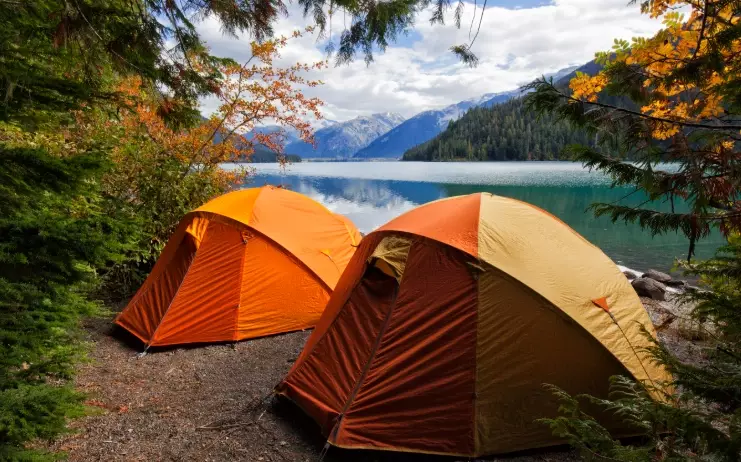
Quick Guide: What's Inside
Why Fall is the Secret Camping Season
Let's be honest, summer camping can be a sweaty, crowded affair. Fall flips the script. The weather is ideal for hiking—not too hot, not too cold. The tourist frenzy dies down, meaning you can often snag a prime campsite without booking six months in advance. And then there's the main event: the foliage. It transforms familiar landscapes into something breathtaking. But this season demands respect. Daylight shrinks fast, temperatures can swing 40 degrees between noon and midnight, and rain is more frequent. Your preparation needs to be as sharp as the autumn air.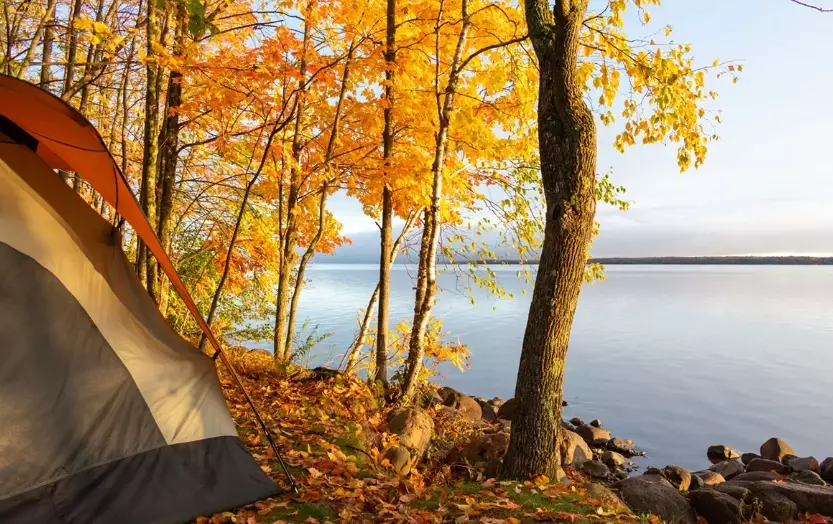
Top Fall Camping Spots Across the US
Picking a location is everything. You need to sync your trip with the peak foliage window, which varies by elevation and latitude. A late September trip to Maine is perfect; the same weekend in Tennessee's Smokies might still be mostly green. Here are three standout fall camping destinations, each with a different flavor.
1. White Mountain National Forest, New Hampshire
This is the classic New England leaf-peeping heartland. Think covered bridges, quaint towns like North Conway, and mountainsides that look like they're on fire. It's busy, but for good reason.
Planning Your White Mountains Trip
Best Time: Late September to mid-October. Higher elevations peak first. Check the US Forest Service foliage reports.
Top Campgrounds: Dolly Copp Campground (first-come, first-served, great for spontaneity) or Lafayette Place Campground (reservable, ideal for Franconia Ridge hikes).
Booking: Reserve through Recreation.gov for reservable sites. For Dolly Copp, arrive mid-week for a spot.
Can't-Miss Activity: Drive the Kancamagus Highway (Route 112) and hike to one of the countless waterfalls, like Sabbaday Falls.
Getting There: Fly into Manchester-Boston Regional Airport (MHT) or Portland International Jetport (PWM). It's about a 2.5-hour drive north from Boston.
2. Acadia National Park, Maine
Ocean meets mountains meets deciduous forest. The contrast of golden birch trees against the dark green pines and the deep blue Atlantic is unreal. Cadillac Mountain offers the first sunrise in the U.S.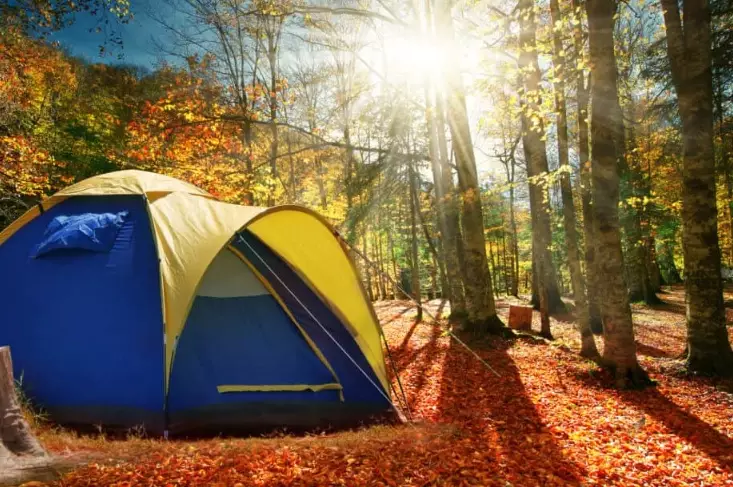
Planning Your Acadia Trip
Best Time: Early to mid-October. Coastal areas peak later than inland.
Top Campgrounds: Blackwoods Campground (inside the park, reservable, fills extremely fast) or Seawall Campground (first-come, first-served after mid-October, more rustic).
Booking: Book Blackwoods on Recreation.gov the moment reservations open. I missed out once by hesitating a day.
Can't-Miss Activity: Bike the historic Carriage Roads at dawn, then have popovers at Jordan Pond House.
Getting There: Fly into Bangor International Airport (BGR), about an hour's drive away.
3. Sedona, Arizona
Forget the East Coast for a second. Fall in Sedona means pleasant, hikeable temperatures after a scorching summer. The red rock formations are stunning year-round, but with the cottonwoods and sycamores in the creek beds turning gold, it's next level.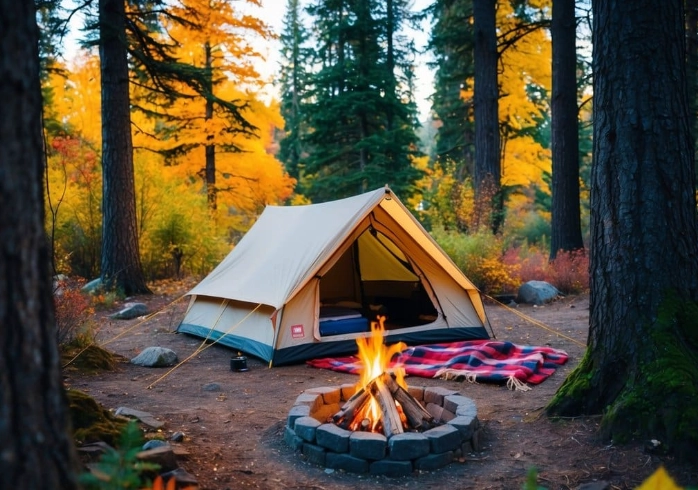
Planning Your Sedona Trip
Best Time: Late October through November. This is your window before the winter chill.
Top Campgrounds: Manzanita Campground (along Oak Creek, reservable, beautiful) or dispersed camping in Coconino National Forest (free, requires self-sufficiency).
Booking: Manzanita is booked via Recreation.gov. For dispersed sites, research specific Forest Service roads like FR 525.
Can't-Miss Activity: Hike the Devil's Bridge Trail early to avoid crowds and catch the morning light on the rocks.
Getting There: Fly into Phoenix Sky Harbor (PHX) and drive 2 hours north, or into Flagstaff (FLG) and drive 45 minutes south.
| Destination | Peak Foliage Time | Camping Vibe | Reservation Difficulty |
|---|---|---|---|
| White Mountain NF, NH | Late Sep - Mid Oct | Classic Forest, Mountain Views | High (Book Early) |
| Acadia NP, ME | Early - Mid October | Coastal, Iconic Park | Very High (Extremely Competitive) |
| Sedona, AZ | Late Oct - November | Desert Red Rocks, Creek Side | Medium-High (Dispersed Options Available) |
Essential Fall Camping Gear You Can't Skip
Your summer kit won't cut it. The biggest mistake I see? People bring a summer sleeping bag and think a hoodie will suffice. You'll be miserable.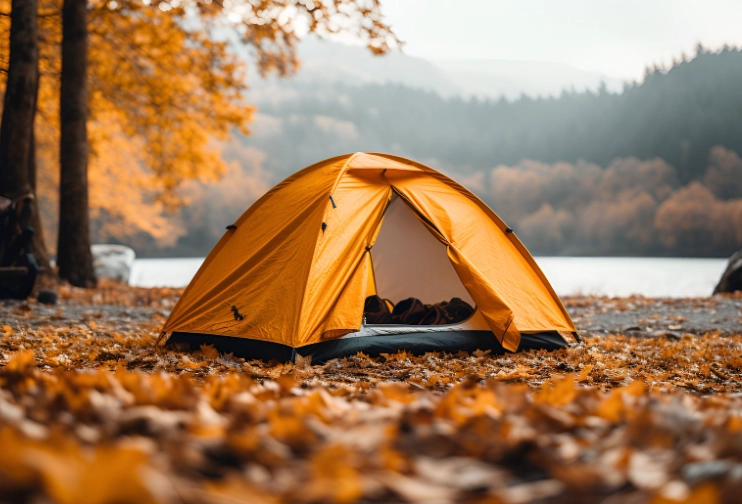
Sleep System is Non-Negotiable: Your sleeping bag should have a comfort rating at least 10°F lower than the coldest expected temperature. If nights will hit 30°F, bring a 20°F bag. Pair it with an insulated sleeping pad with a high R-value (aim for R-4 or higher). A closed-cell foam pad underneath your inflatable one is a cheap, foolproof backup.
The Layering Mantra: Cotton kills, especially in fall. Stick to synthetic or wool.
- Base Layer: Merino wool or polyester long underwear.
- Mid Layer: A warm fleece or puffy jacket for camp.
- Outer Layer: A waterproof and windproof rain jacket. Fall rain is common.
- Extras: Warm hat, gloves (bring two pairs—one light, one heavy), and thick wool socks. Pack more socks than you think you need.
Light & Heat: Days are short. Headlamps are essential for everyone. A small, safe camp lantern makes a huge difference for morale. A portable propane heater for your tent's vestibule (NEVER inside the tent) can be a game-changer for changing clothes on a cold morning. Always follow manufacturer safety guidelines.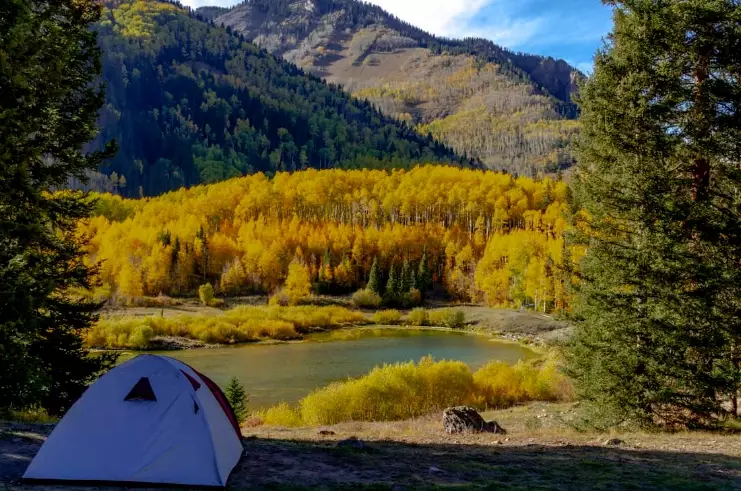
Expert Tips & Common Mistakes to Avoid
Here's where that 10-year experience comes in. These are the subtle things that ruin trips.
How to Time the Foliage Perfectly (It's Trickier Than You Think)
Don't just google "peak foliage map." Those are broad estimates. Call the ranger station for your specific campground a week before your trip. They live there. They'll tell you, "The north side of the lake is at peak, but the south-facing slope is still green." That intel is gold. Also, higher elevation = earlier peak. Plan your hikes accordingly.
The Most Overlooked Fall Camping Mistake
It's not gear—it's fuel management. You'll be boiling more water for hot drinks, cooking heartier meals, and maybe running a heater. You will burn through propane canisters much faster than in summer. I always pack one extra, full, sealed canister. Running out of fuel when you're cold and trying to make coffee is a special kind of frustration.
Managing Condensation in Your Tent
Colder air + your warm breath = a wet tent interior by morning. Ventilation is key, even when it's cold. Keep those rainfly vents open. If your tent has a double-wall design, make sure the inner mesh isn't touching the fly. Wiping down the walls with a microfiber towel in the morning prevents that moisture from re-condensing the next night.