Quick Navigation
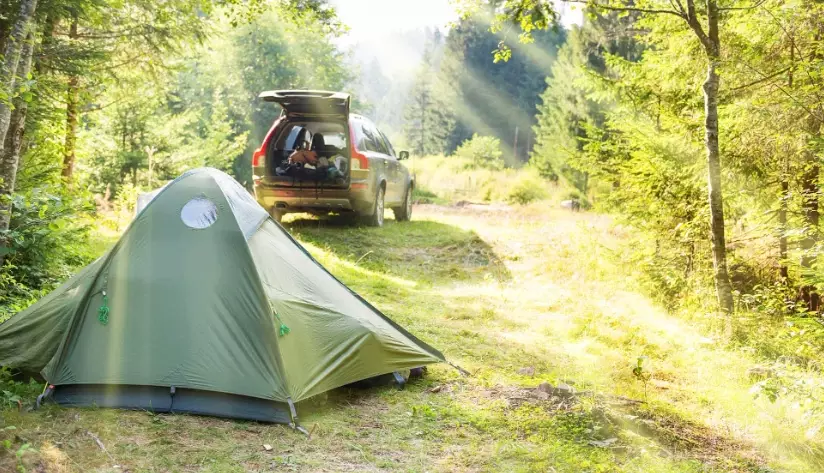
Okay, let's talk about Flagstaff. You know it for the mountains, the pines, that crisp high-desert air. But between the popular campgrounds that book up months in advance and the pricey RV parks, finding a spot to just… be… can feel impossible. That's where dispersed camping comes in. It's not a secret, but it feels like one when you find that perfect pull-off under a canopy of ponderosas, with nobody around for miles.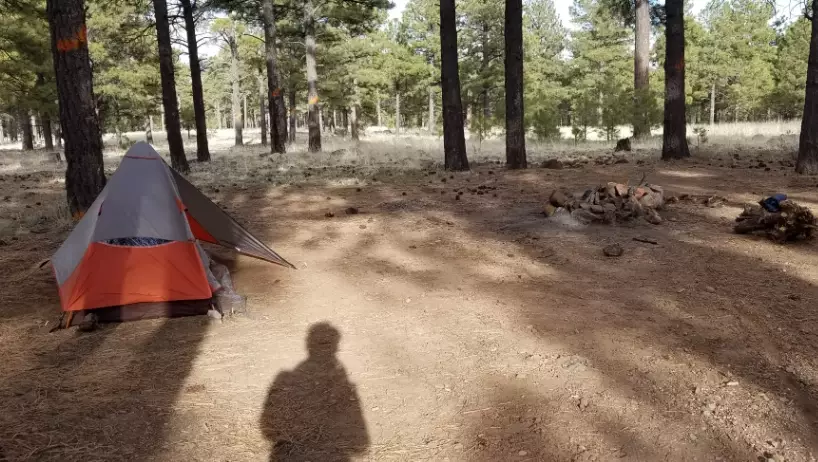
Dispersed camping Flagstaff style is basically free, primitive camping on public land outside of designated campgrounds. No picnic tables, no fire rings (usually), no bathrooms. Just you and the forest. The trade-off for the solitude and price (free!) is that you need to be completely self-sufficient and leave absolutely no trace. It's my absolute favorite way to experience northern Arizona, but I've also learned some hard lessons the wrong way.
Where Exactly Can You Go? The Lay of the Land
The vast majority of opportunities for dispersed camping near Flagstaff are within the Coconino National Forest. This place is huge, spanning over 1.8 million acres. The key is understanding the different districts and their vibes.
The most popular and accessible zone is the Flagstaff Ranger District. Think of the woods along highways like Lake Mary Road (FR 3), Schultz Pass Road (FR 420), or the roads leading out toward the Snowbowl. Proximity to town is a plus, but it also means these spots get more traffic, especially on weekends. You really have to venture further down the dirt roads to find true solitude here.
For more of a remote feel, the Mogollon Rim Ranger District southeast of town is a gem. The rim itself offers stunning views, and the network of forest roads off routes like AZ 87 and FR 300 is immense. The elevation is a bit lower, so seasons can be longer, but it can get more crowded with OHV users.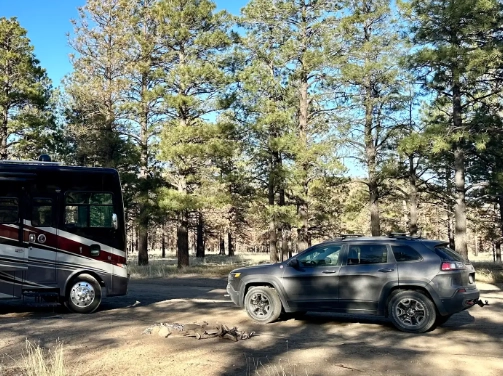
Let's break down a few specific areas to give you a concrete starting point. Remember, these are just examples—half the fun is exploring.
Spotlight on Key Areas for Dispersed Camping Flagstaff Enthusiasts
| General Area / Forest Road | Best For | Vehicle Recommendation | Biggest Perk | Watch Out For |
|---|---|---|---|---|
| Lake Mary Road Corridor (FR 3, 82, etc.) | First-timers, proximity to water (fishing), easy access from town. | Most passenger cars okay on main roads; higher clearance for spurs. | Easy to find, beautiful views of the lake and mountains. | Can be very busy. Lots of established (and often littered) pull-outs. |
| Schultz Pass / Weatherford Area (FR 420, 522) | Hikers wanting trail access, cooler temps at higher elevation. | High-clearance recommended, 4WD/AWD ideal after rain/snow. | Direct access to epic trails like the Kachina Trail or Humphreys Peak area. | Roads get rough quickly. Limited turnaround space for large rigs. |
| Mogollon Rim (FR 300, 139) | Views, solitude, longer season (spring-fall). | High-clearance strongly advised. 4WD helpful for side roads. | That "on top of the world" feeling looking off the rim. | Long drive from Flagstaff. Summer monsoon storms can be intense. |
| Woody Mountain Road (FR 231) | Big rigs (large RVs, trailers), families looking for spacious spots. | Most vehicles okay on main road; spurs vary. | Wider, better-maintained road with some large, flat clearings. | Less of a "deep forest" feel. Wind can be an issue. |
So, where exactly can you go? The rule is usually: you can camp anywhere as long as you're at least one mile away from a developed recreation area (like a paid campground), 100-200 feet from any water source (streams, lakes), and off the road enough to not block traffic. Always look for existing fire rings or disturbed areas to minimize your impact—don't create a new spot if you don't have to.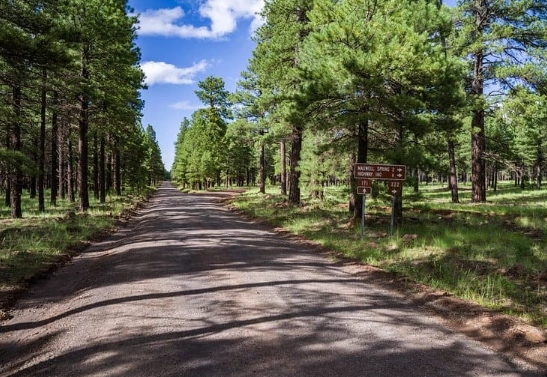
The Unbreakable Rules (This Isn't a Suggestion)
This is the most important part. Mess this up, and we all lose access. Dispersed camping is a privilege, not a right.
Leave No Trace is Your New Religion
Pack it in, pack it ALL out. Every single thing. This includes:
- All trash: Food wrappers, bottle caps, cigarette butts, everything. Bring extra bags.
- Food waste: Apple cores, orange peels, pistachio shells. It's not "natural" if it's not from that ecosystem. It attracts animals and looks terrible.
- Toilet paper and human waste: This is the big one. If there's no outhouse, you need to dig a cat hole at least 6-8 inches deep and 200 feet from water, trails, and your camp. Pack out your toilet paper in a sealed bag (like a zip-lock inside an opaque bag). Seriously. Burying it doesn't work in the dry Arizona soil. I use a dedicated "WAG bag" system for true peace of mind.
- Soap and wastewater: Even biodegradable soap. Wash dishes and yourself 200 feet away from water sources. Scatter the strained wastewater.
The Legal Nitty-Gritty
You can usually stay in one spot for up to 14 days within a 30-day period in the Coconino NF. After that, you must move at least 3 miles away. This prevents people from setting up semi-permanent residences. Don't be that person.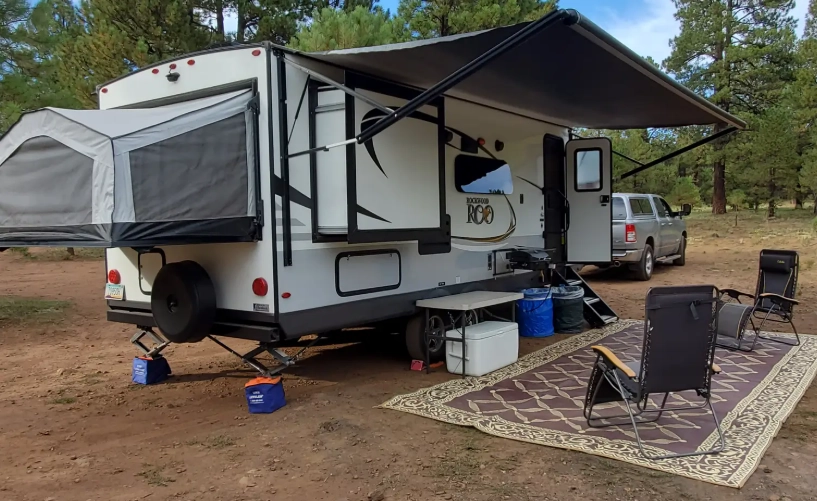
Need a fire permit? If fires are allowed, you need a free campfire permit from the Forest Service if you're using a stove or having a campfire outside a metal ring. You can get one online in minutes. It's easy, just do it.
Let's talk about the elephant in the room—or rather, the bear, the elk, and the skunk. You are in their home.
Staying Safe and Sane Out There
Dispersed camping Flagstaff adventures require a shift in mindset. Help isn't around the corner.
Wildlife: This is black bear country. Always store food, trash, and anything with a scent (toiletries, coolers) in a bear-proof container or locked in your vehicle when not in immediate use. Never keep food in your tent. I hang my cooler and food bag in a ratchet strap between two trees if I'm tent camping. Rodents will chew through your tent for a snack, so keep it clean.
Weather: Flagstaff's weather is famously unpredictable. Summer afternoons bring monsoon thunderstorms with dangerous lightning. Winters are cold and snowy. Always check the forecast and pack layers—rain gear, warm hats, even in summer. That brilliant sunshine can turn to hail in 20 minutes.
Getting Stuck: This is my biggest fear. Forest roads can go from fine to terrible after one rainstorm. I now carry a basic recovery kit: a good shovel, traction boards (like Maxtrax), a tire repair kit, and a full-size spare. Tell someone your plans and when you expect to be back. Cell service is spotty to non-existent in most dispersed camping areas.
What to Actually Bring (The Realistic Packing List)
Forget the glamorous Instagram lists. Here's what you genuinely need for a successful Flagstaff dispersed camping trip.
- Navigation: Paper map & compass (yes, really) AND a downloaded offline map on your phone/GPS.
- Water: Way more than you think. I plan for 2 gallons per person per day. A 7-gallon Aquatainer is my best friend. A filter or purification tablets are a smart backup.
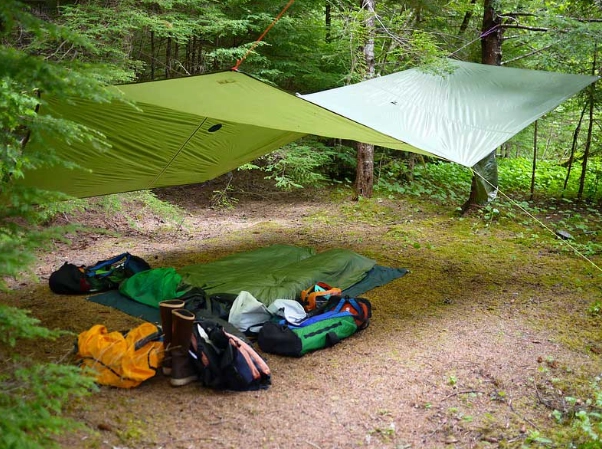
- Shelter & Sleep: A tent you trust, a sleeping bag rated at least 10 degrees colder than the forecast, and a sleeping pad. Nights get chilly.
- Food & Cooking: A reliable camp stove (Jetboil, Coleman), fuel, a simple pot/pan, and easy meals. Clean-up kit (biodegradable soap, scrubber, strainer bag).
- Waste Management: Heavy-duty trash bags, zip-lock bags for packing out TP, a small trowel for cat holes, hand sanitizer.
- Tools & Safety: Multi-tool, knife, duct tape, first-aid kit, fire starter (if allowed), headlamp, power bank for phones.
- Comfort: Camp chair (so worth it), sun protection, bug spray (mosquitoes exist!), a good book.
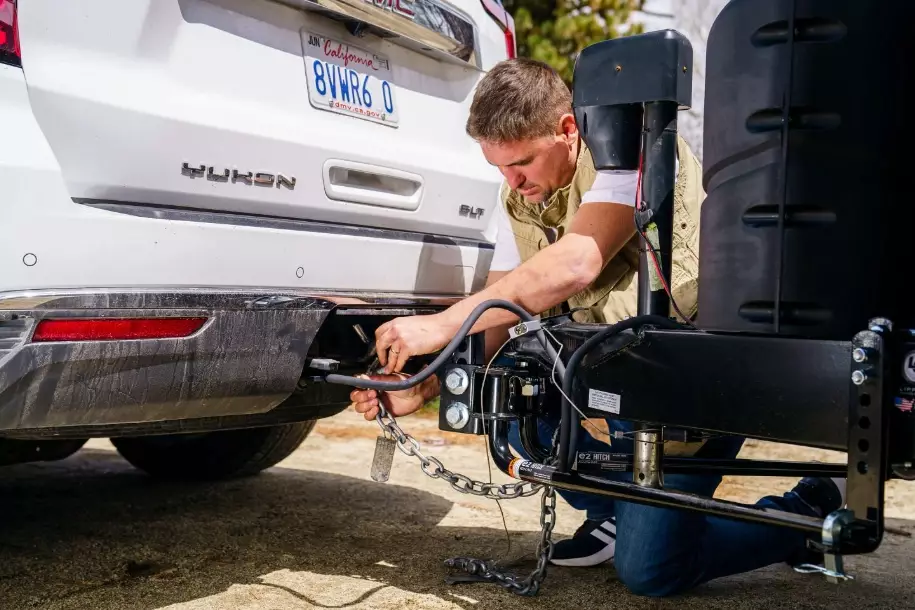
What about RVs? Totally doable for dispersed camping near Flagstaff, but you MUST know your vehicle's limits. Length, height (low branches!), and clearance. Scout ahead on foot if you're unsure about a road.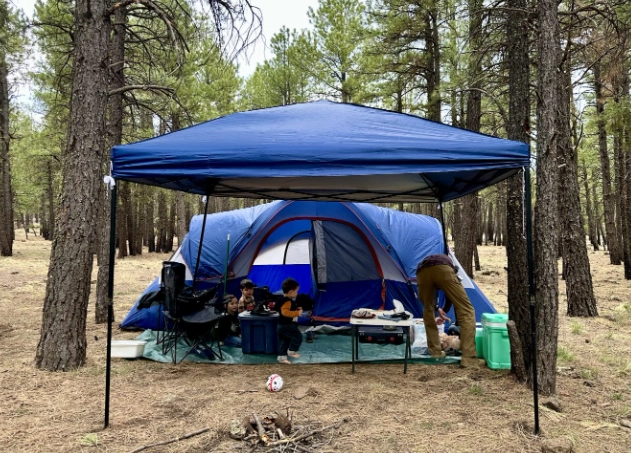
Answers to the Questions You're Actually Asking
Let's get practical. Here's the stuff I get asked most.
Is dispersed camping in Flagstaff really free?
Yes. There is no fee to camp on most national forest land outside of developed campgrounds. Your tax dollars at work.
Can I have a campfire?
Maybe. It 100% depends on current fire restrictions. You must check the Coconino National Forest website or call a ranger station. Stage 1 restrictions usually allow fires in established metal rings. Stage 2 means NO fires, often including charcoal grills. Just use a stove.
How long can I stay in one spot?
The general rule is 14 days. Then you must move camp at least 3 miles away for another 16 days before potentially returning to the original area.
Are there bears? Should I be scared?
Yes, there are black bears. No, you shouldn't be scared if you're smart. Be respectful and diligent with your food storage. They want your snacks, not you. Making noise while hiking is a good idea.
Is there cell phone service?
Assume there is no service. Some ridges might get a bar, but plan to be completely off-grid. Download maps, podcasts, and playlists beforehand.
Where can I get water or dump trash?
You must bring in all your water. For trash, you pack it all out. Some gas stations or visitor centers on the edge of town may have dumpsters, but never assume. Plan to take it home.
What's the best season for dispersed camping near Flagstaff?
Late spring (May-June) and early fall (September-October) are golden. July-August bring monsoons. Winter is for the very prepared (and those with serious winter camping gear and a 4WD vehicle).
Making it a Great Experience (Beyond Just Surviving)
Once you've got the basics down, you can start to really enjoy it.
Explore! You're camped right there. Hike from your site. Look for old logging roads, hidden meadows. Slow down. Read in your chair. Watch the light change on the peaks.
Be a good neighbor. If you see other campers, give them space. Don't roll in loud at midnight. Keep music low. The sound carries incredibly far in the quiet woods.
Finally, do a little cleanup. Even if you follow LNT perfectly, you'll likely find some micro-trash or an old fire ring full of cans left by someone else. Bringing an extra bag to pack out a bit of extra trash is the ultimate good karma. It keeps the area pristine for the next person looking for their perfect spot for dispersed camping in Flagstaff.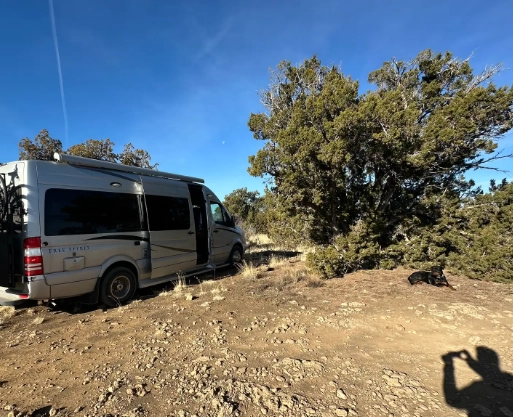
It's all about that moment. When the tent is up, the stove is humming, you're sipping a hot drink, and there's not another soul in sight. The pines are whispering, and the only light is from your lantern and a sky bursting with stars. That's the magic. It's worth the extra preparation, the careful driving, the diligent cleanup. It's how you truly connect with this incredible landscape around Flagstaff. Just you, the trees, and the wide-open sky.
Go find your spot.