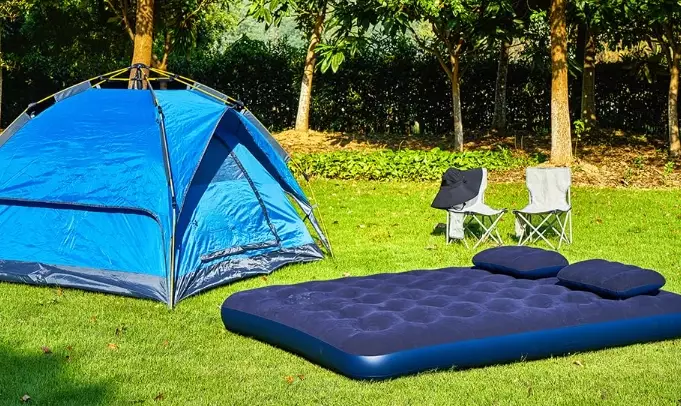
Let's be honest. Most camping packing lists are useless. They're a generic dump of every item you could possibly imagine, leaving you more confused than when you started. Should you really pack a hatchet for a weekend at a drive-in site? Do you need a separate "camp kitchen" for two nights? I learned this the hard way on my first solo trip, hauling a 50-pound pack for a one-mile hike because I followed a list meant for a week in the backcountry.
The secret isn't a longer list. It's the right list for your trip. A family car camping checklist looks nothing like a backpacker's ultralight gear list. This guide cuts through the noise.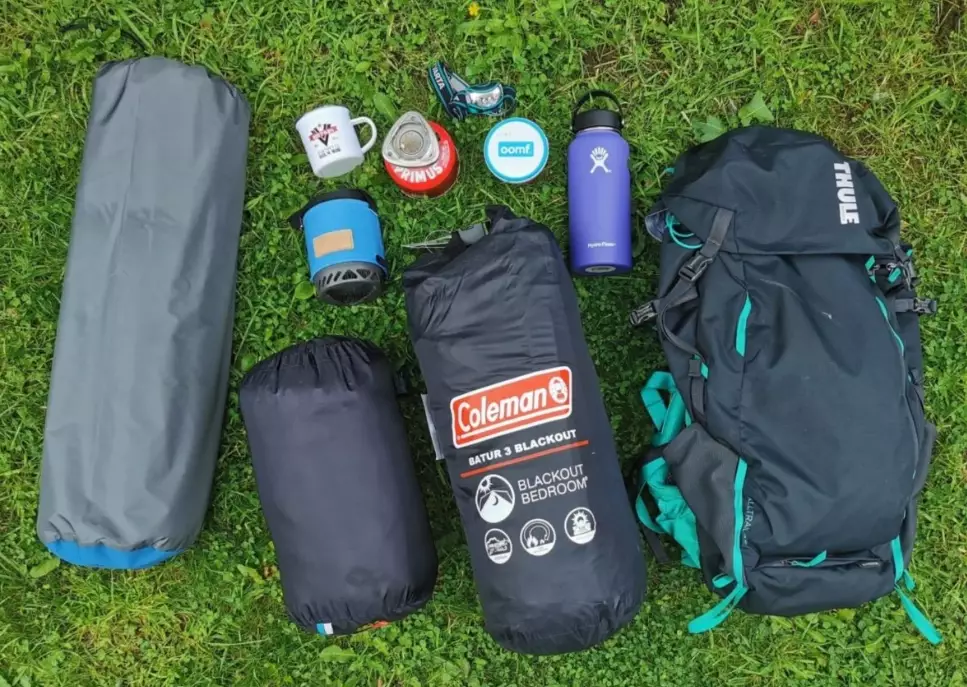
Your Quick Packing Guide
Why One-Size-Fits-All Lists Fail (And What to Do Instead)
Think about your last trip. You probably didn't use half the "essentials" on that blog's checklist. That extra tarp? Still folded. The giant lantern? Used for 10 minutes. This is the curse of overpacking, driven by fear and vague advice.
The real first step is defining your trip with three questions:
- How are you getting there? Car camping at a developed site lets you bring comfort items. Backpacking demands ruthless weight savings.
- Who's going? A solo trip needs efficiency. A family trip needs redundancy, entertainment, and organization.
- What's the forecast, really? Don't just check for rain. Check nighttime lows. That 70°F day can drop to 40°F at night, a miserable surprise if you only packed a summer sleeping bag.
I see seasoned campers make one subtle mistake all the time: they pack activities, not just gear. You're not just packing a tent; you're packing a shelter for a specific environment (windy ridge, rainy forest). You're not just packing food; you're packing a meal system that fits your cooking skill and time. Shift your mindset from "stuff to bring" to "systems to support."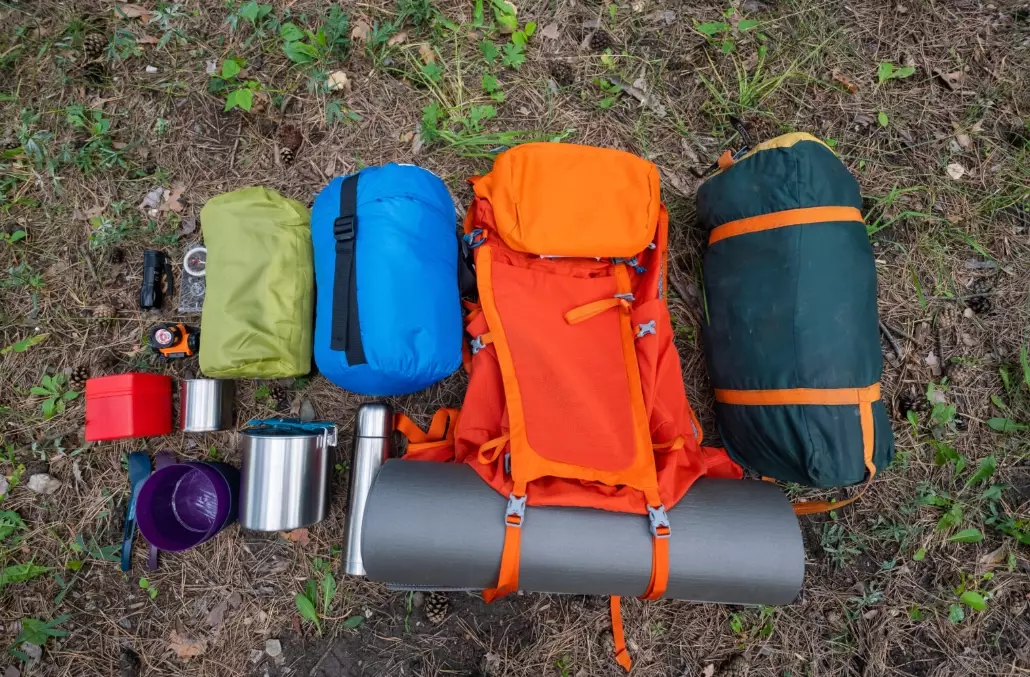
Core Packing Lists by Camping Style
Here’s the breakdown. Use this table as your starting point, then dive into the specifics for your style below.
| Category | Family Car Camping | Backpacking (2-3 days) | Overlanding / Car Camping+ |
|---|---|---|---|
| Shelter & Sleep | Large tent, air mattresses, thick sleeping bags, pillows from home. | Ultralight tent/hammock, sleeping pad (R-value 3+), quilt or mummy bag. | Rooftop tent or robust ground tent, insulated sleeping pads, cold-weather bags. |
| Kitchen | 2-burner stove, cooler, full pot/pan set, plates, mugs, large water jug. | Pocket rocket stove, 1L pot, spork, bear canister, water filter. | Partner stove, fridge/cooler, durable cookware, coffee press, washing basin. |
| Clothing | Comfort focus: cotton okay, extra layers for kids, camp shoes. | Performance focus: merino wool/synthetics only, one worn, one spare. | Versatility: layers for variable weather, durable pants, camp boots. |
| Extras & Luxury | Camp chairs, table, lantern, games, large tarp for shade/rain. | Map & compass, headlamp, trekking poles, minimal first-aid. | Recovery gear (traction boards), compressor, awning, power station. |
The Family Car Camping Checklist (The Comfort Zone)
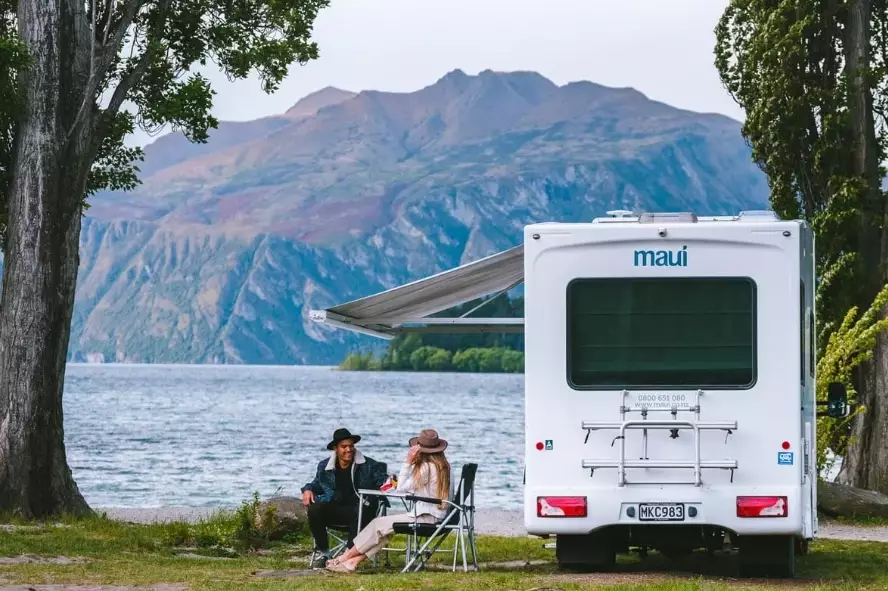
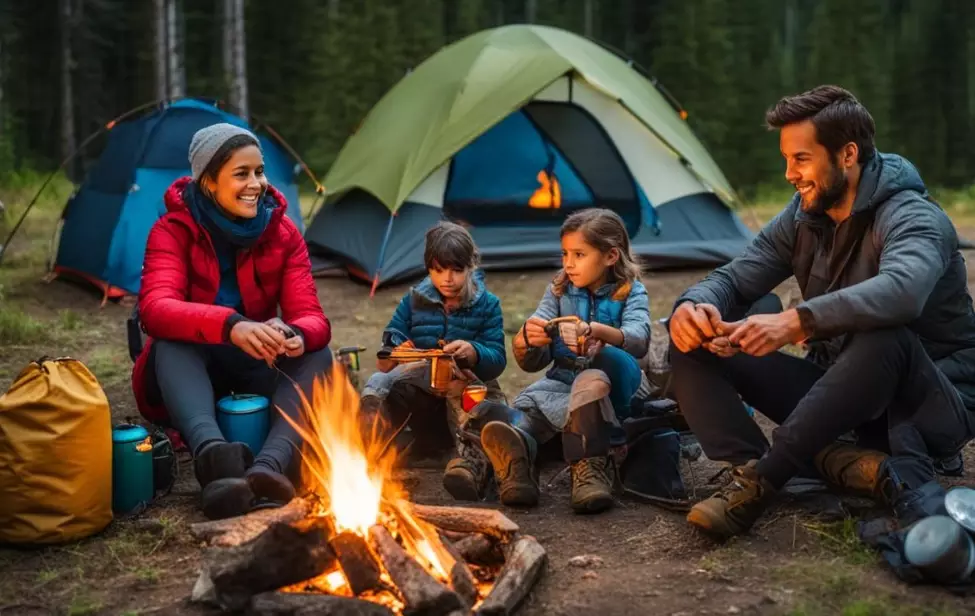
Your car is your basecamp. Weight doesn't matter, but sanity does. The goal is happy kids, which means familiar comforts and easy meals.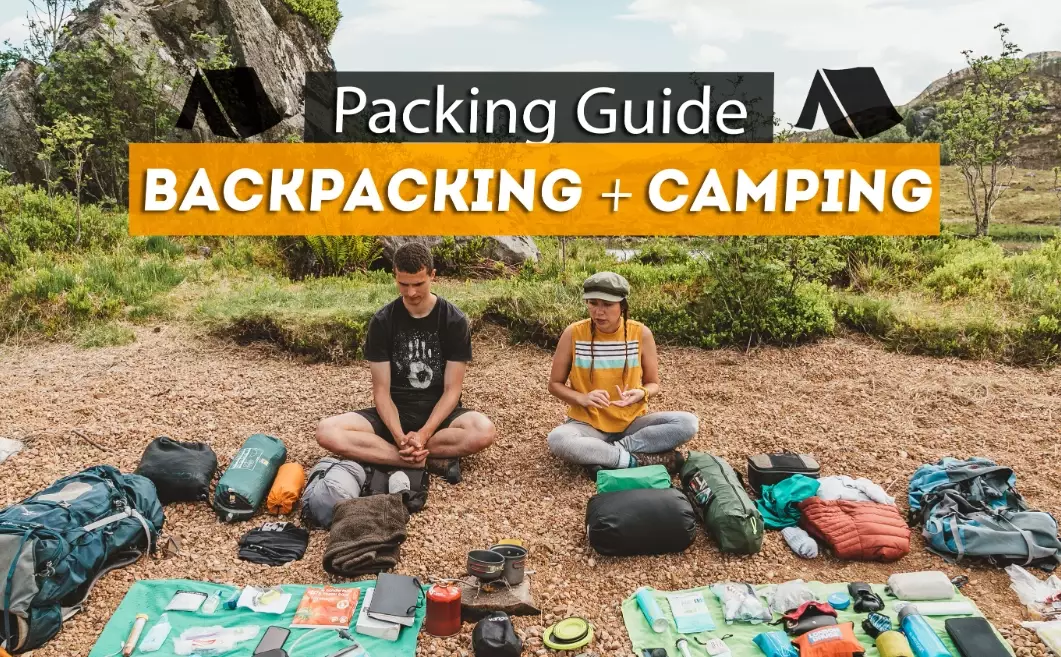
Shelter & Sleep: Get a tent labeled for 2-4 people more than you have. A "6-person" tent comfortably fits 4. Don't skimp on sleeping pads—blow-up mattresses or thick camping pads prevent midnight complaints. Bring real pillows.
Kitchen Must-Haves: A two-burner propane stove (like the classic Coleman) is a game-changer. You can boil water for pasta and heat up sauce simultaneously. A large cooler is non-negotiable. Pre-make and freeze meals in gallon bags (chili, marinated meats) – they act as extra ice blocks and simplify cooking.
The Game-Changer: A 10x10 ft. pop-up canopy. This isn't just for rain. It creates instant shade over your picnic table, a defined "living room," and a dry space if weather turns. It's the single best comfort item for group camping.
I once forgot our canopy on a July trip. We spent two days chasing slivers of shade. Never again.
The Backpacker's Gear List (The Minimalist)
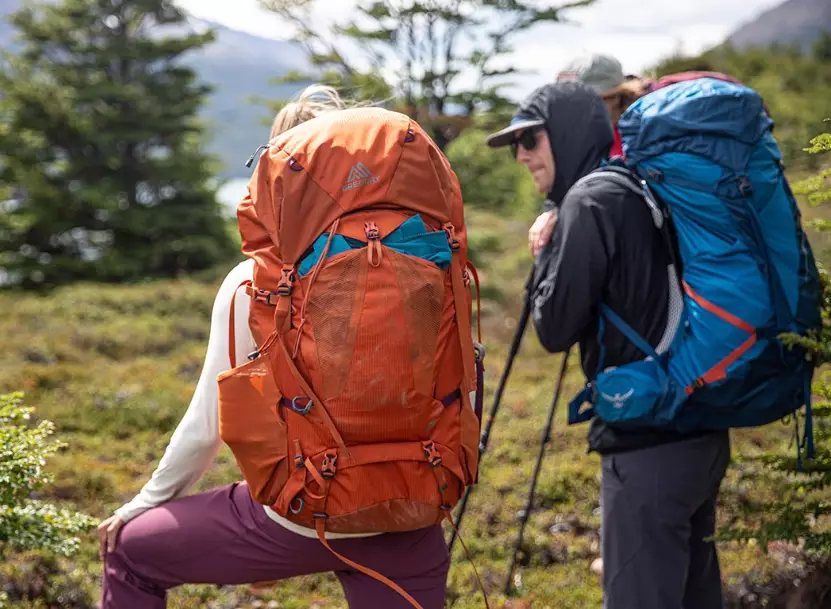
Every ounce counts. Your pack's base weight (everything but food, water, fuel) should be your obsession. Aim for under 20 lbs for weekend trips.
The Big Three: This is where you invest or research heavily. Your backpack, shelter, and sleep system. A poorly fitted pack ruins trips. Go to an outfitter like REI for a fitting. For shelter, consider a trekking pole tent to save weight. For sleep, the pad's R-value (insulation) is more important than the bag's temperature rating—the ground is cold.
Clothing Philosophy: Merino wool or synthetic fabrics only. Cotton kills (it holds moisture and loses insulation). The classic system: one set to hike in, one set to sleep in (clean, dry, and warm). Pack them in separate waterproof stuff sacks.
The Silent Essential: A dedicated "ditty bag" for small items: lighter, knife, leukotape (for blisters), repair tape, cordage. When you need a safety pin at 3 PM, you'll know exactly where it is.
The Car Camping+ / Overlanding List (The Basecamp Builder)
You're driving to remote spots, maybe for multiple nights. Durability, self-reliance, and extended comfort are key.
Beyond the Basics: Your vehicle is part of your kit. A reliable air compressor to adjust tire pressure for sand or rocks is crucial. Traction boards (like Maxtrax) can get you out of mud. A portable power station (Jackery, EcoFlow) powers lights, charges devices, and can even run a small fridge.
Kitchen Upgrade: A portable fridge/freezer is a luxury that transforms eating. No more soggy cooler water. Pair it with a sturdy partner stove that won't tip over in the wind.
Organization is Everything: Use heavy-duty plastic bins (Action Packers are popular) sorted by category: Kitchen Bin, Recovery Bin, Camp Tools Bin. Everything has a home, making setup and teardown efficient. Nothing gets lost in the trunk abyss.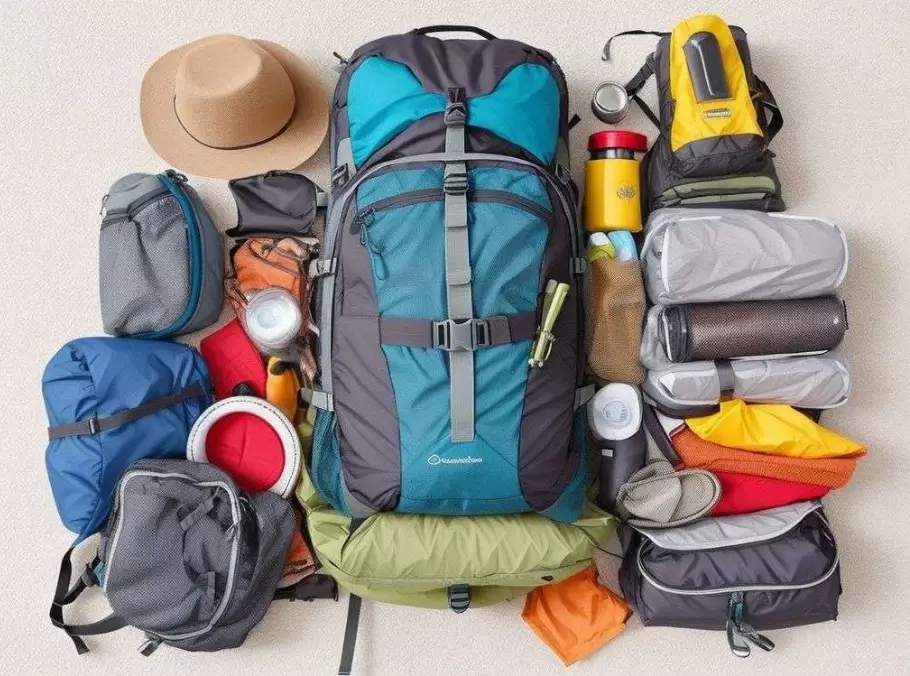
Pro Packing & Organization Tips You Haven't Heard
Packing isn't just throwing things in a bag. It's a strategic puzzle.
For Backpacks: Follow the center-of-gravity rule. Heavy items (food, stove) go in the middle of your pack, close to your back. Light, bulky items (sleeping bag, puffy jacket) go at the bottom. Rain gear and snacks go on top for easy access. Use every stuff sack. A wet sleeping bag is a catastrophe.
For Car Camping: Pack in reverse order. The last thing you'll need at the site (your tent) goes in the car first. The first thing you'll need (cooler, chairs) goes in last. Trust me, digging for the tent under all your gear after a long drive is soul-crushing.
The Night-Before Box: Pack a single plastic tub with everything you need for the first hour at camp: headlamps, a lighter, a roll of TP, a knife, and the ingredients for your first meal. When you arrive tired, you're not rummaging through six bags. You grab the box and have the essentials to get camp functional while you unpack leisurely.
That's a trick from a park ranger I met in Utah. It changed my life.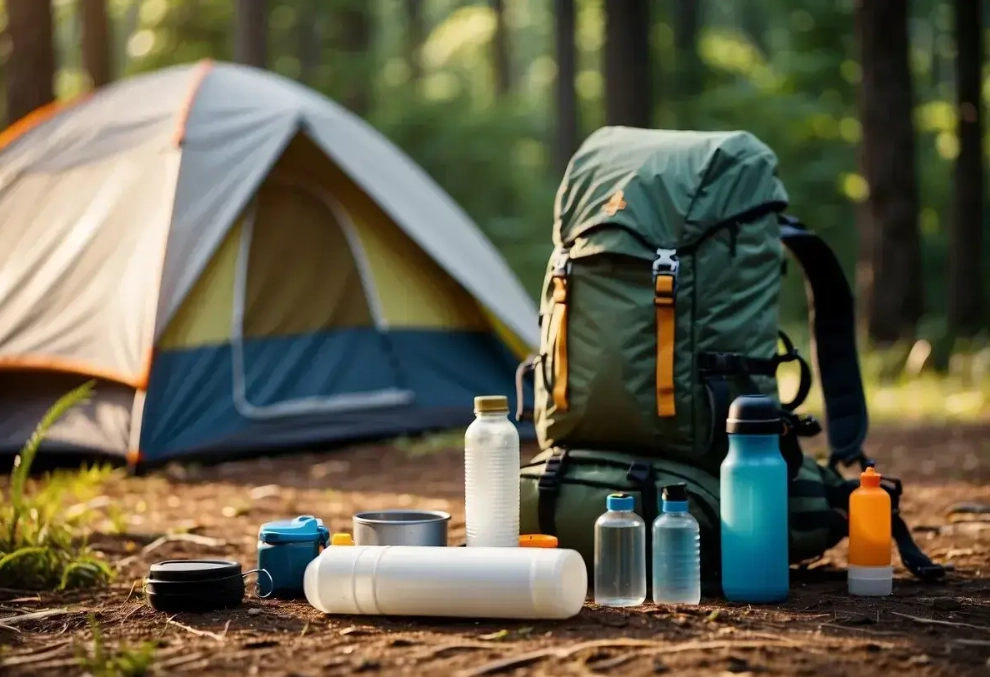
Your Camping Packing Questions Answered
What is the most common mistake people make with their camping packing list?
How do I pack a camping checklist for a family with young kids?
 What are 3 items most first-time backpackers forget to pack?
Can I use a regular backpack for a weekend camping trip?