Guide Highlights
Let's be honest, the idea of beach camping sells itself. Waking up to a sunrise over the water, falling asleep to the rhythm of waves, having your morning coffee with sand between your toes. It's the kind of escape that feels both primal and deeply luxurious. But between that dream and reality lies a gap sometimes filled with unexpected wind, sand in everything, and a tent that feels more like a sauna by 9 AM.
I learned that the hard way on my first solo trip years ago. I showed up with my basic forest tent, a cheap sleeping bag, and boundless enthusiasm. The enthusiasm was the only thing that survived the night intact. The wind nearly flattened my shelter, sand infiltrated my food supply, and I spent half the night adjusting guylines instead of counting stars. It was a mess, but it taught me more than a dozen perfect trips ever could.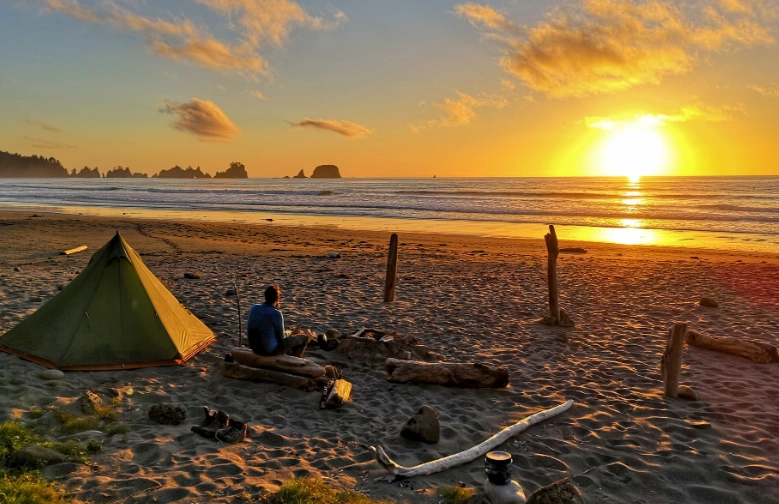
That's why this guide exists. Not to sell you a fantasy, but to give you the real, practical, sometimes gritty knowledge to make your beach camping trip not just good, but unforgettable for all the right reasons. We're going beyond the pretty pictures and diving into the nitty-gritty of how to actually do this well.
Before You Go: The Planning Phase You Can't Skip
Jumping straight to packing is the number one mistake eager campers make. A successful beach camping trip is built on research and permits, not just a full cooler.
Location, Location, Location (And Permits!)
Not all beaches allow camping. In fact, most don't. Your first job is to find one that does. National Seashores, State Parks, and some Bureau of Land Management (BLM) areas are your best bets. Forget about just pulling up to any public beach—you'll likely get a knock from local law enforcement or, worse, have your trip cut short before it begins.
Here’s the real talk: the most famous spots often require booking months in advance. If you're thinking of a spontaneous weekend, you'll need to dig deeper for those first-come, first-serve gems or less-hyped locations.
Ask yourself these questions when choosing your spot:
- Vehicle Access? Can you drive to the site, or is it a hike-in situation? This drastically changes your gear strategy.
- Facilities? Are there pit toilets, fresh water spigots, or is it truly primitive? Knowing this dictates how much water you must haul in.
- Fire Rules: This is critical. Many coastal areas have strict fire bans or only allow fires in provided rings below the high tide line. Always check current regulations with the managing agency, like the National Park Service for national seashores.
- Tide Charts: This isn't optional. You must know the high tide line. I've seen tents set up in the afternoon that become islands by midnight. It's not a fun surprise.
Weather and Timing: It's More Than Just Sunshine
Checking for rain is obvious. For beach camping, you need to look deeper. Coastal weather is its own beast.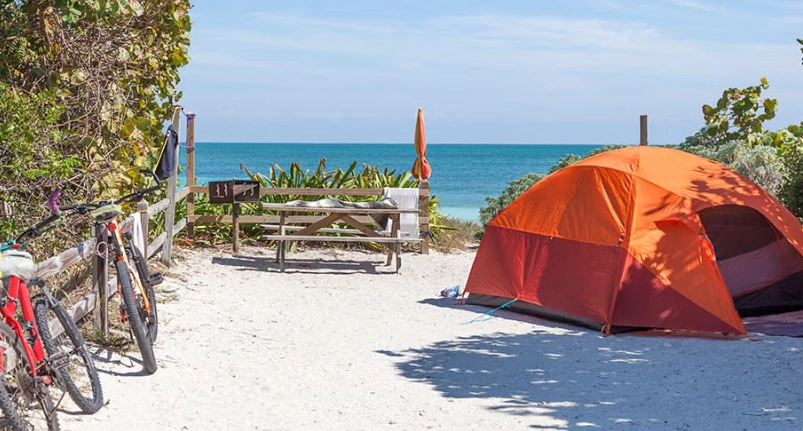
Wind is the silent trip-killer. A steady 15-20 mph breeze, common on coasts, can make cooking frustrating, keep you chilled, and batter your tent all night. Check the forecast for wind speed and direction. A site tucked behind a dune might be vastly more comfortable than one fully exposed.
Fog can roll in and stay for days, dampening everything. Humidity is almost always high, which affects how you store food and gear. And temperatures can swing wildly from a hot, sunny day to a surprisingly cold, damp night.
For timing, consider the crowds and bugs. Summer offers warm water but maximum people and sometimes mosquitoes. Shoulder seasons (late spring, early fall) can be magical—fewer people, fewer bugs, but potentially cooler water and air temps.
The Gear That Makes or Breaks Your Beach Camping Trip
Your standard camping gear might work, but coastal conditions demand specific features. This isn't about buying the most expensive stuff; it's about buying the right stuff.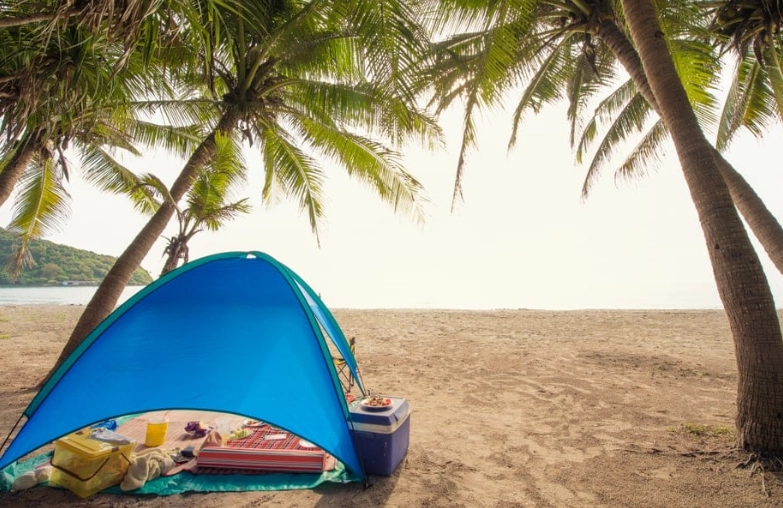
Shelter: Your Fortress Against Sand and Wind
This is your most important piece of gear. A tent that's perfect for the woods might be a nightmare on the beach.
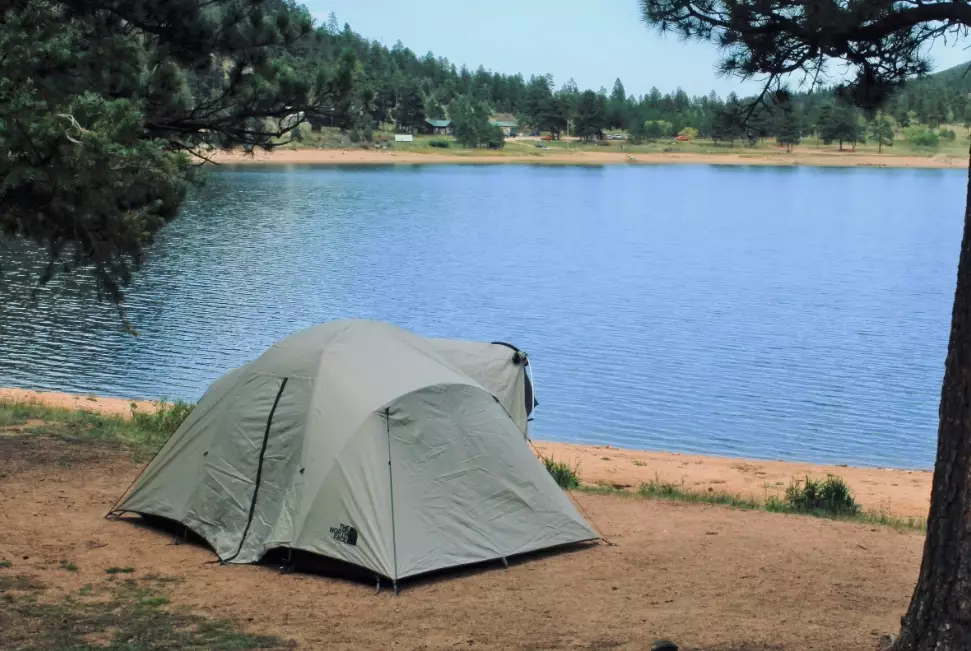
Wind Resistance is King. Look for a tent with a low, aerodynamic profile. Dome tents are usually better than tall cabin-style tents. The poles should be sturdy (aluminum is great), and the tent should come with a full set of guylines and plenty of sturdy stakes.
Oh, the stakes. Forget those skinny wire ones. You need sand stakes. They're typically wider, often with a T-shape or screw design, to grip the loose sand. I carry a mix: sand stakes for the main points and a few longer, robust stakes for securing guylines back to driftwood or my cooler in a pinch.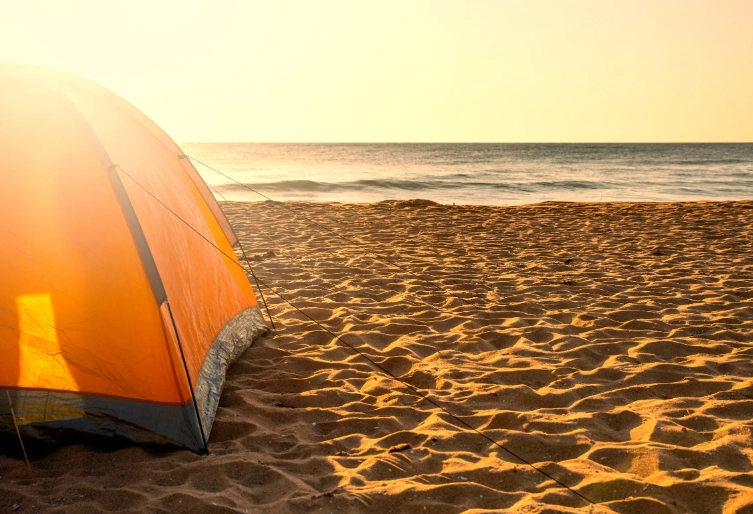
Ventilation is the queen. A mesh-heavy inner tent with a rainfly that can be pitched to allow airflow is crucial to combat condensation, which is intense near the water.
Let's compare some common options:
| Tent Type | Best For Beach Camping? | Why? | Watch Out For... |
|---|---|---|---|
| Low-Profile Dome Tent | Yes, excellent choice. | Good wind resistance, often well-ventilated, easy to stake out securely. | Can feel cramped. Ensure rainfly has good vents. |
| Tall Cabin/Family Tent | Not ideal. | Great for space and standing up. | Acts like a sail in the wind, harder to heat/cool, prone to condensation. |
| Tunnel Tent | Good, with caution. | Very aerodynamic if pitched into the wind. | Must be oriented correctly. Setup can be more complex in wind. |
| Beach Tent/Sun Shelter | For day use ONLY. | Lightweight, provides sun shade. | Not designed for overnight use, sleeping, or any weather. |
Sleeping Systems: Comfort on an Unforgiving Surface
Sand is soft until you try to sleep on it. Then it's a lumpy, heat-sucking, uneven mattress. You need insulation and cushioning.
A sleeping pad with a high R-value (insulation rating) is key. The sand can be surprisingly cold, even after a hot day. Inflatable pads are popular, but ensure it's a durable one—sand is abrasive. Some campers swear by a closed-cell foam pad underneath their inflatable for extra insulation and puncture protection.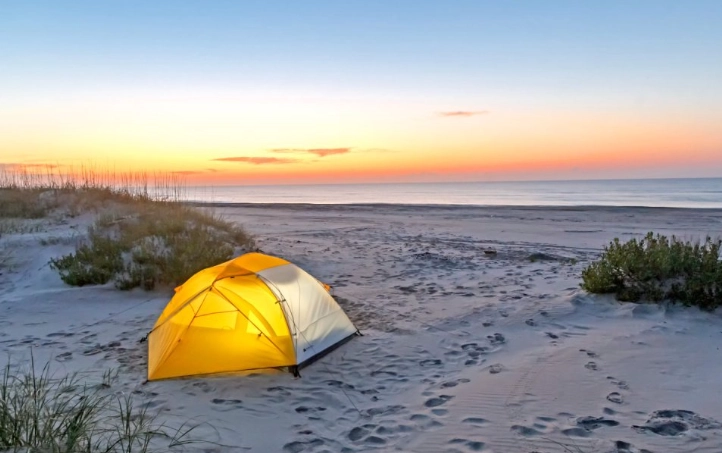
Sleeping bag choice depends entirely on your season and location. A "summer" bag might leave you shivering on a 50-degree coastal night due to the dampness. I err on the side of a bag rated 10 degrees warmer than the forecasted low.
The Beach Camping Essentials Checklist
Beyond your standard camping kit, these are the MVPs for the coast:
- Sand Stakes & Extra Guyline: Already mentioned, but worth repeating.
- Large Tarp or Footprint: Place this under your tent. It protects the floor from abrasion and makes cleanup easier. Shake the sand off the tarp, not your tent.
- Broom & Dustpan (small): A dedicated brush for sweeping sand out of the tent is a game-changer for sanity.
- Water Jugs & Biodegradable Soap: Assume no water access. Plan for drinking, cooking, and a minimal rinse. Use soap like Dr. Bronner's that's safe for the environment.
- Sun Protection Arsenal: High-SPF sunscreen, lip balm with SPF, a wide-brimmed hat, and a long-sleeve sun shirt. The sun reflects off the sand and water, doubling your exposure.
- Headlamp with Red Light Mode: Preserves your night vision and is less disruptive to wildlife and other campers.
- Ziplock Bags (Gallon & Quart Size): For organizing, waterproofing electronics, and storing soggy trash or sandy clothes.
- Baby Powder or Cornstarch: A little sprinkle on sandy feet and legs makes the sand brush right off before entering the tent. Trust me on this one.
Mastering the Setup: Your First Hours on Site
You've arrived. The ocean is calling. Resist the urge to sprint into the waves. How you set up camp determines the rest of your trip.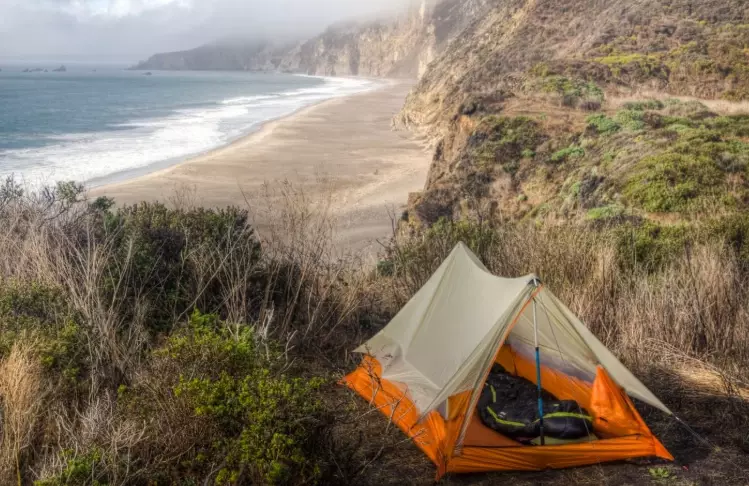
Site Selection (Even with a Reserved Spot)
If you have a designated site, you still have choices. Look for natural windbreaks—a gentle dune, some beach grass. But never damage vegetation by camping on it.
The Tide Line is Your Enemy. Look for debris like seaweed, shells, and driftwood. That's the storm or high tide line. Set up well above it. If there's a defined dune, stay off it to prevent erosion. Many parks have rules about this to protect fragile ecosystems.
Consider the sun. Where will it rise? Do you want that early morning light warming your tent, or would you prefer shade in the afternoon? A little forethought here makes a huge difference in comfort.
Pitching Your Tent for a Peaceful Night
First, clear the area of sharp shells and rocks. Lay down your tarp or footprint.
Pitch the tent with the lowest, most solid end facing the prevailing wind (check those weather apps!).
Now, stake it out like it's going to battle. Use every single guyline point. Bury your sand stakes at a 45-degree angle away from the tent for maximum hold. If it's really windy, I'll even pile small rocks or extra sand on top of the stakes. You can't over-secure a tent on the beach.
Once inside, immediately close the mesh doors. The flyscreen is the only barrier between you and every biting insect that calls the coast home.
Kitchen and Common Area
Set your cooking area downwind of your tent. The last thing you want is the smell of dinner (or breakfast) permanently embedded in your sleeping quarters, attracting curious critters.
Use a separate tarp or a roll-up table for food prep. Keeping things off the ground minimizes sand contamination. Have a dedicated trash bag with a secure closure—raccoons and gulls are clever and relentless.
For a fire, use only an existing ring if available and below the high tide line. Never build a new ring. Keep the fire small and manageable. And have water nearby to douse it completely—cold to the touch—before you turn in. The National Weather Service often has critical fire weather alerts you should check.
Living the Beach Camping Life: Safety, Etiquette, and Fun
The setup is done. Now, how do you enjoy it responsibly?
Water Safety is Non-Negotiable
The ocean is powerful and indifferent. Never turn your back on it. Rip currents are a real danger. If you're caught in one, don't swim against it. Swim parallel to the shore until you're out of it, then swim in.
Supervise children at all times. Even shallow water can have strong waves. Consider a life vest for weaker swimmers.
Leave No Trace on the Coast
This ethic is amplified on beaches. Everything you pack in, you pack out. Everything. That includes all food scraps, twist ties, and especially used hygiene products. Trash left on the beach can wash into the ocean and harm marine life.
Respect wildlife. Observe from a distance. Don't feed birds or other animals—it makes them aggressive and dependent. Sea turtles nest on many beaches; lights can disorient hatchlings, so minimize artificial light at night.
Leave shells, rocks, and driftwood where you find them. They're part of the ecosystem and the beach's character for the next person.
What to Actually Do Besides Stare at the Water (Not That There's Anything Wrong With That)
Beach camping opens up activities you just don't get elsewhere:
- Timing Your Day with the Tides: Low tide is for exploring tide pools, finding sand dollars, and long walks on hard-packed sand. High tide is for swimming, floating, and reading in your chair.
- Beachcombing: Bring a guidebook to identify shells, sea glass (a product of pollution, but now a treasure), and interesting driftwood.
- Stargazing: With minimal light pollution, the night sky over the ocean can be breathtaking. Download a stargazing app to identify constellations.
- Simple Games: Frisbee, paddleball, or just sketching in the sand. The simplicity is the point.
Beach Camping FAQs: Answering Your Real Questions
Here are the questions I get asked most often, the ones that keep people up at night before their trip.
Wrapping It Up: The Takeaway
Beach camping isn't just camping near water. It's a specific skillset. It demands more planning, more specific gear, and more respect for a dynamic environment. It can be challenging—the sand gets everywhere, the wind can howl, and the weather can turn.
But when you get it right? There's nothing like it. The feeling of self-sufficiency as you cook dinner with a sunset view, the profound quiet of a beach at night, the private sunrise show from your sleeping bag... these moments are the reward for the extra effort.
Start small. Maybe a one-nighter at a well-serviced state park beach campground for your first foray. Learn what works for you. Then graduate to the more remote, primitive spots. The learning is part of the fun.
The ocean has been there for millennia. With the right prep, you can spend a few nights as its guest and come home refreshed, sandy, and already dreaming of your next beach camping adventure.