You know the feeling. It's day two of your camping trip, you reach for a drink, and it's lukewarm. The ice is a sad pool of water, and that expensive steak you brought is starting to feel questionable. Most camping cooler tips are just common sense – use ice, keep it closed. But after a decade of guiding trips from the humid Appalachians to the dry desert heat, I've learned the real secrets aren't about the ice you buy, but the system you create. Let's talk about how to turn your cooler from a temporary chill box into a five-day cold vault.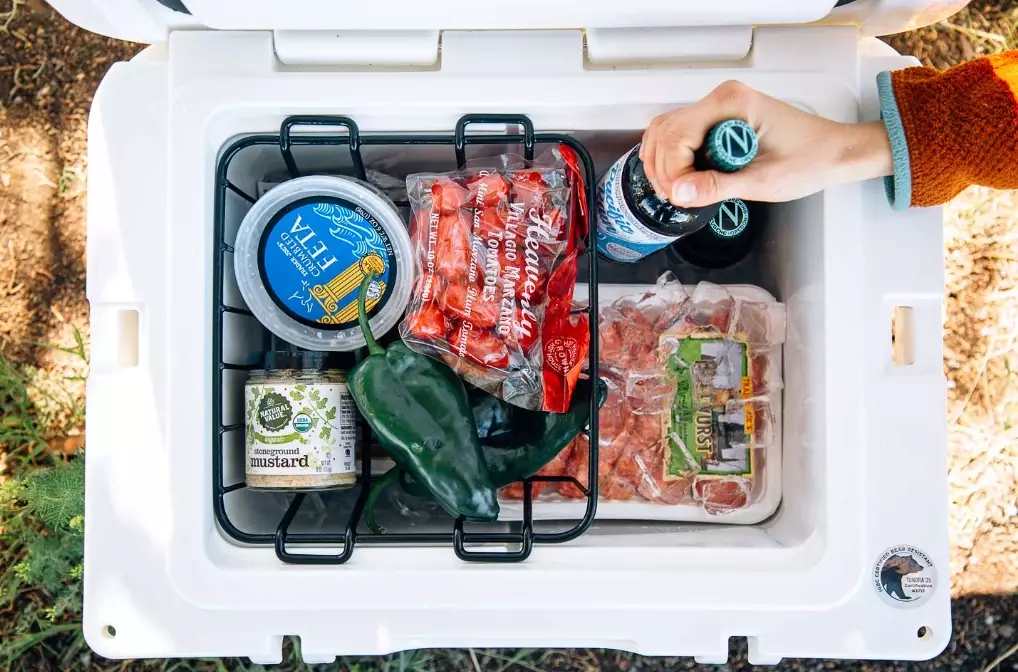
Your Quick Guide to Cooler Mastery
Picking the Right Cooler Isn't Just About Brand
Everyone argues about Yeti vs. RTIC vs. Coleman. The brand matters less than three physical specs you must check. I've seen cheap coolers outperform expensive ones when used correctly, but you're fighting a losing battle with poor hardware.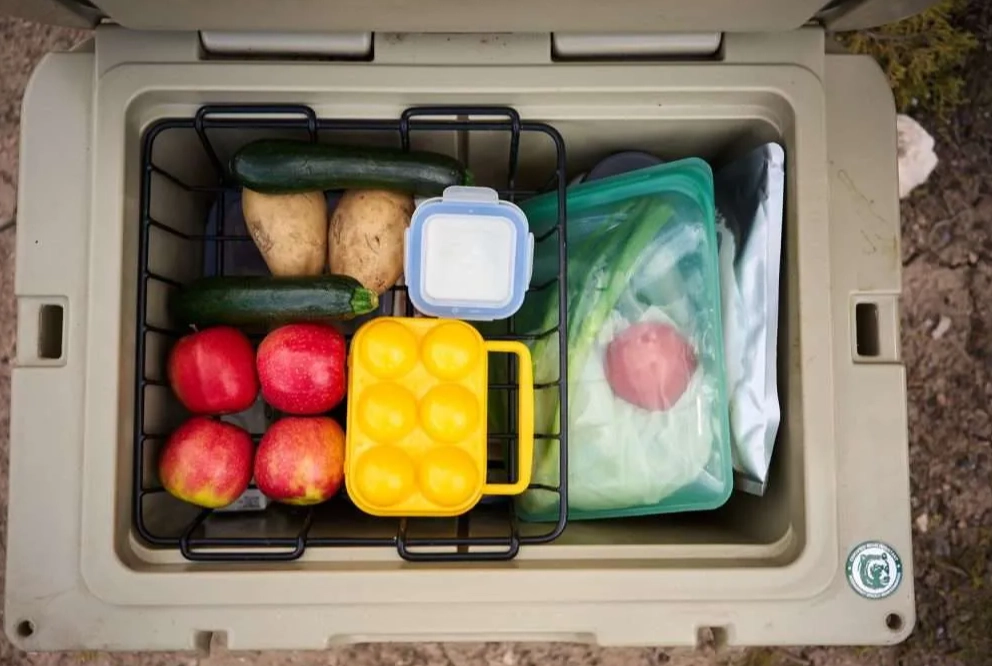
First, look at the lid. A good seal is non-negotiable. Close it on a dollar bill and try to pull the bill out. If it slides easily, cold air is escaping. Second, thickness. Press on the walls and lid. Flimsy plastic is a terrible insulator. Third, the drain plug. Is it a cheap, loose-fitting plastic piece or a robust, threaded plug? A leaky drain is a major source of cold air loss.
Let's break down the real-world choice based on trip length. This isn't about marketing, it's about thermal performance.
| Trip Duration | Cooler Type Focus | Key Feature to Prioritize | Realistic Ice Life Expectancy |
|---|---|---|---|
| 1-2 Days (Weekender) | Basic hard-sided or premium soft-sided. Portability is key. | Lid seal quality. Avoid the absolute cheapest models. | 2-3 days with good pre-cooling. |
| 3-5 Days (Standard Trip) | Rotomolded (thick-walled) cooler. This is where brands like Yeti earn their keep. | Wall & lid insulation thickness (at least 2 inches). Rubber gasket seal. | 5-7 days with expert packing. |
| 5+ Days (Expedition) | Heavy-duty rotomolded. Consider a dedicated "dry ice" cooler for meats. | Maximum insulation, stainless steel hinges, non-pressure drain plug. | 7+ days using block ice & strategic dry ice. |
I made the mistake once of taking a thin-walled cooler on a 4-day summer trip. By day two, we were drinking warm water and worrying about the chicken. Never again.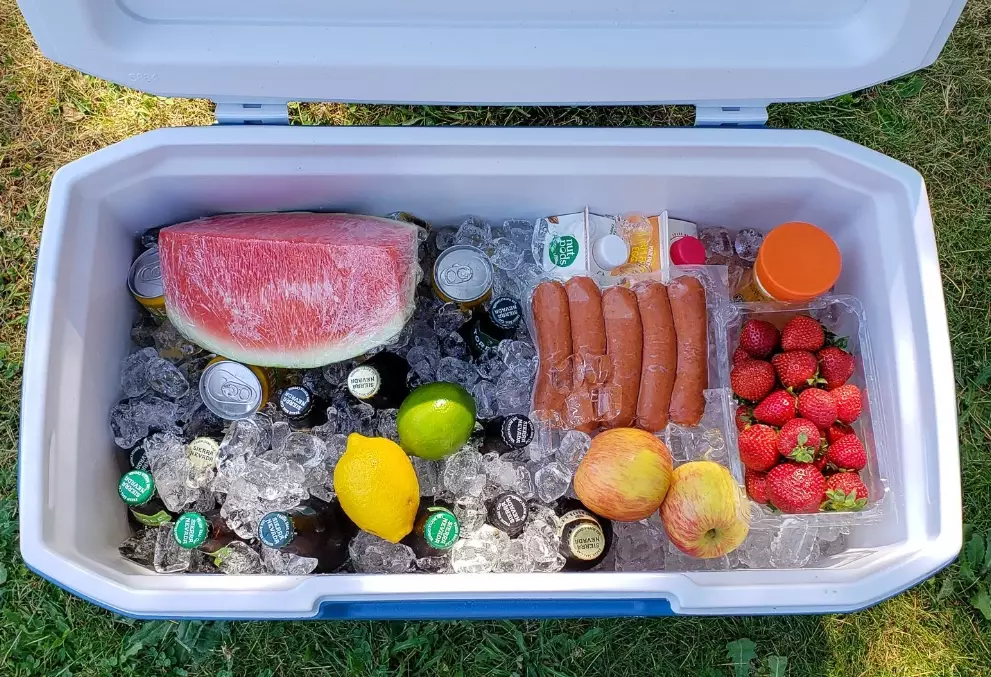
The Critical Step Everyone Skips: Pre-Cooling
Your cooler is a thermos. Would you pour hot coffee into a cold thermos? No. You pre-warm it. The same logic applies in reverse. Loading room-temperature drinks and food into a room-temperature cooler and then adding ice is the #1 reason ice melts so fast. You're using all that cold energy just to bring everything down to temperature.
The 24-Hour Pre-Cool Protocol:
- Cooler Itself: The night before you leave, put a bag of ice or several frozen water bottles inside your empty cooler and close it. Let it sit overnight. This chills the plastic walls themselves, which act as a huge thermal mass.
- All Drinks and Non-Freezables: Put every can, bottle, and jug of water, milk, or juice into your home refrigerator. Get them as cold as possible before they go near the camping cooler.
- Freezable Items: This is your secret weapon. Freeze everything you can. That includes: bottles of water (leave 2 inches of space for expansion), juice boxes, pre-made stews or chili in plastic containers, and even grapes or berries for snacks. These act as additional ice blocks that turn into food/drink later.
The Ice Choice: Blocks, Cubes, or Frozen Bottles?
Bagged ice from the gas station is mostly air and surface area. It melts incredibly fast. For the foundation of your cold, you need mass.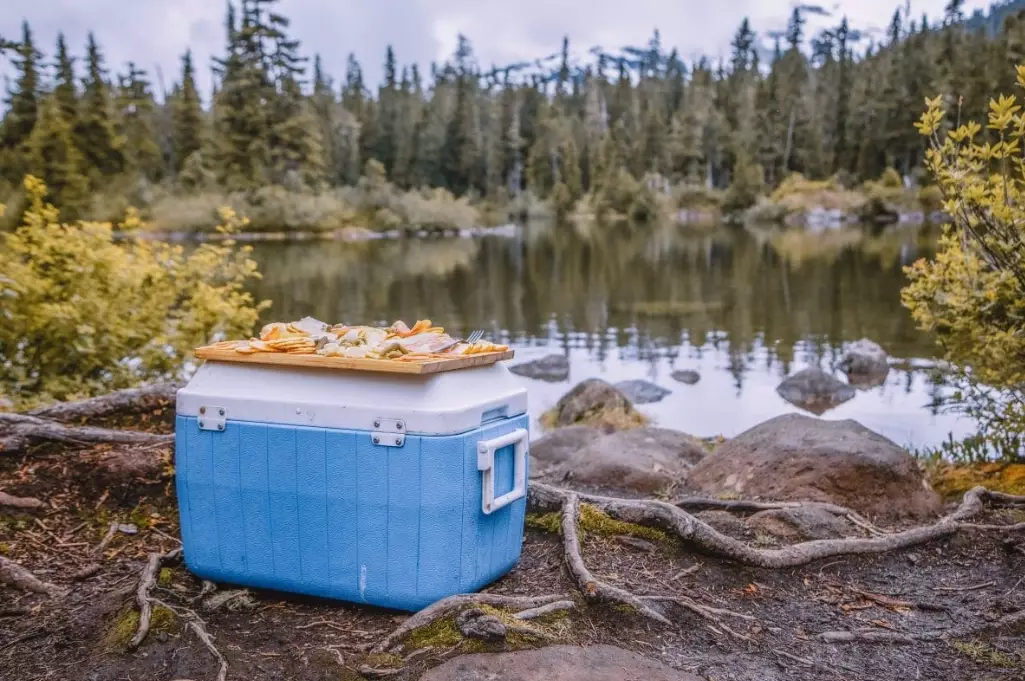
Block Ice is the king. It melts up to 5 times slower than cubes because of its low surface area to volume ratio. You can make it yourself in plastic containers or buy it from some ice companies.
Frozen Water Bottles are my personal champion for most trips. They're free, they don't create a soggy mess as they melt (you drink the water!), and they're perfectly sized to fit into gaps. I freeze at least 8-10 one-liter bottles for a weekend for two.
Use bagged cube ice only to fill in the small gaps and crevices after you've placed your blocks or frozen bottles. It's the filler, not the foundation.
How to Pack a Cooler for Maximum Efficiency
Packing order is everything. Cold air sinks. You want to create a cold sink at the bottom and build a stable thermal mass. Think of it as building a lasagna, not throwing in a salad.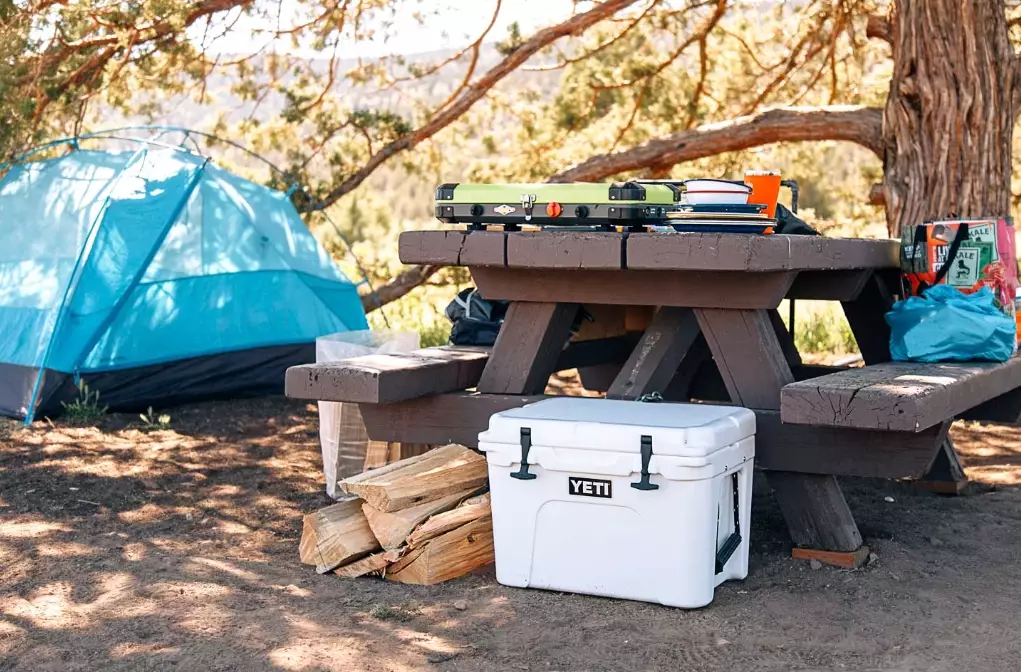
Layer 1: The Foundation. Place your block ice or cluster of frozen water bottles directly on the bottom. This is your primary cold source.
Layer 2: The Perishable Core. Place the items that must stay the coldest and that you won't need immediately on top of the ice blocks. This is your raw meat, fish, dairy. I put these in a waterproof bag or container (like a large Ziploc) to prevent cross-contamination if they leak.
Layer 3: The Insulation & Filler. Add another layer of ice (blocks or bottles) around and on top of the core perishables. Now use bagged cube ice to fill every single air gap. Air is the enemy. Shake the cooler to settle the cubes into voids.
Layer 4: The Daily Use Layer. On top, place items you'll need first: drinks, condiments, pre-made sandwiches, cheese, fruits, and vegetables. These don't need the intense cold of the bottom layer.
Final Touch: The Thermal Blanket. Before closing the lid, place a folded towel, a piece of Reflectix insulation, or even a spare fleece on top of everything. This creates an extra barrier against radiant heat when you open the lid. It makes a noticeable difference.
One trick I swear by: Pack by meal. Put all ingredients for Saturday dinner in one large bag. When it's time to cook, you pull out one bag, exposing only a small portion of the cooler's interior, instead of rummaging for ten minutes with the lid wide open.
Day-to-Day Cooler Maintenance in the Wild
Your job isn't over once it's packed. How you manage the cooler at camp determines if your ice lasts 3 days or 6.
Location, Location, Location. Keep the cooler in the shade 100% of the time. Under a picnic table, in the shadow of your car, under a tarp. Never in direct sun. I also elevate it slightly off the hot ground with a couple of pieces of firewood.
The One-Minute Rule. Have a plan before you open the lid. Know exactly what you need. Open, grab, close. Aim for under 60 seconds. It feels silly, but it works.
Drain Judiciously. Water transfers heat better than air. A cooler sitting in meltwater will melt its ice faster. Drain the water once a day, usually in the evening when the air is cooler. But here's the subtlety: if you're in an extremely hot, dry environment (like the desert), that meltwater actually helps with evaporative cooling. In that case, leave it.
Replenish Strategically. If you pass a store on a long trip, don't just dump a fresh bag of cubes on top. That warm ice will melt fast and cool the whole system down. Instead, if you can, let the new ice sit in its bag in your cooler's shade for an hour before adding it. Better yet, buy a block.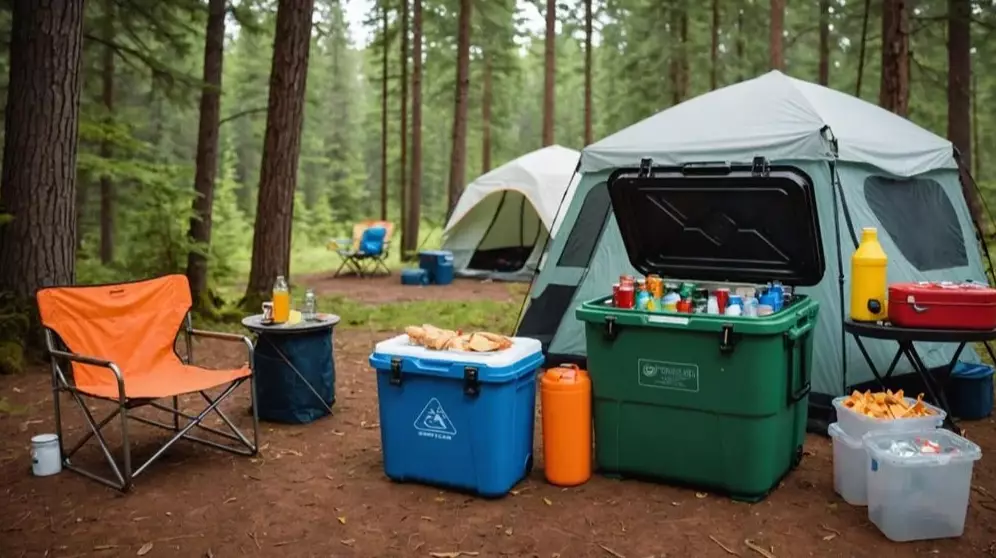
Expert Answers to Your Cooler Dilemmas
Can I use dry ice in my camping cooler?
You can, but it requires caution. Dry ice is -109°F (-78°C) and can freeze your food rock-solid or even crack plastic if it touches directly. Wrap it in newspaper or a towel and place it on top of your food (remember, cold air sinks). Use it for very long trips (5+ days) or specifically to keep frozen goods frozen in a separate cooler. Never use it in an airtight, locked cooler as sublimating gas can build up pressure. Loosen the drain plug slightly to allow gas to escape. For most trips, it's overkill and a hassle.
My cooler smells terrible after a trip. How do I clean it without ruining it?
Baking soda is your friend, but not how you think. First, wash with mild soap and water. For stubborn smells, make a paste of baking soda and water, smear it all over the interior, and let it sit for several hours or overnight. Rinse thoroughly. The mistake people make is using bleach or strong disinfectants, which can degrade the plastic and leave a chemical smell that permeates your food. For mildew, a solution of white vinegar and water works wonders without the damage. Always, always prop the lid open to dry completely before storage.
How do I keep my cooler from sliding around in the car trunk?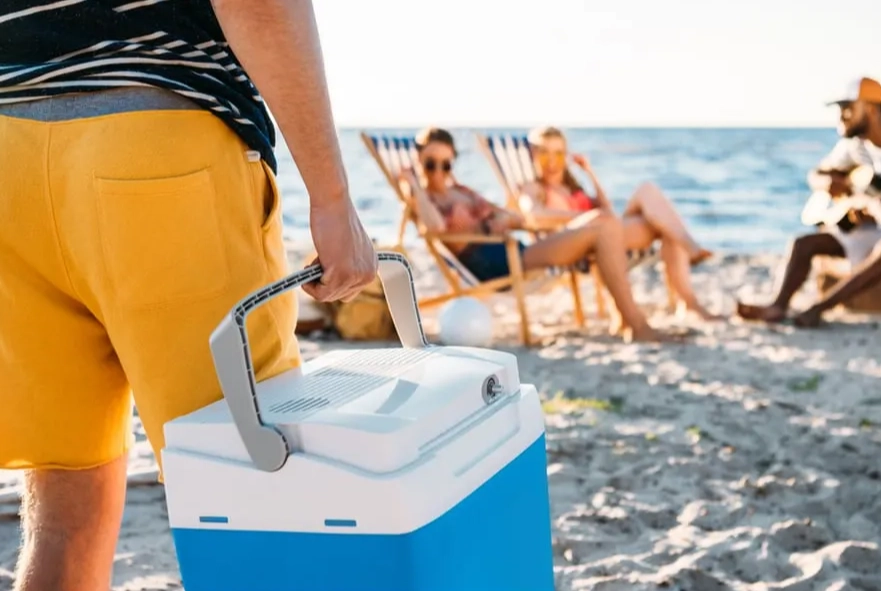
This is a safety and efficiency issue. A sliding cooler gets jostled, breaking up your careful ice blocks and creating air pockets. Use a rubberized car mat underneath it, or those silicone drawer liners. If you have tie-down points, use a ratchet strap or bungee cord over the top. I often pack my cooler last, wedged between other gear like duffel bags or a storage tote to immobilize it. The goal is zero movement during transit.
Is it worth buying separate coolers for drinks and food?
Absolutely, if you have the space and budget. It's the single biggest upgrade to your cooler game. The drink cooler gets opened constantly, flooding it with warm air. The food cooler stays sealed except for meal times, preserving its cold environment. You don't need two giant, expensive coolers. Use your best rotomolded one for food, and a cheaper, larger one (or even a durable plastic tote with a lid that you line with insulation) for drinks. The food cooler's ice will last dramatically longer.
What's the best way to keep medication cold while camping?
Don't risk it in the main cooler. Use a small, dedicated insulated lunch bag or a 6-pack soft cooler as a medical cooler. Pre-chill it. Use frozen gel packs (which are less messy than ice) and keep the medication in its own sealed plastic bag. Monitor it with a small thermometer. This gives you controlled, dedicated cooling without the risk of it getting lost in the bottom of the food cooler or being exposed during frequent openings.