Solo camping strips everything back. It's just you, your decisions, and the gear on your back. Get your solo camping equipment right, and you unlock a profound sense of freedom and self-reliance. Get it wrong, and a simple overnight trip can turn into a miserable slog or, worse, a safety concern. After a decade of hiking and sleeping alone from the Scottish Highlands to the Utah desert, I've refined my kit through trial and plenty of error. This isn't just a generic list; it's a philosophy of minimalism, safety, and comfort tailored for the individual adventurer.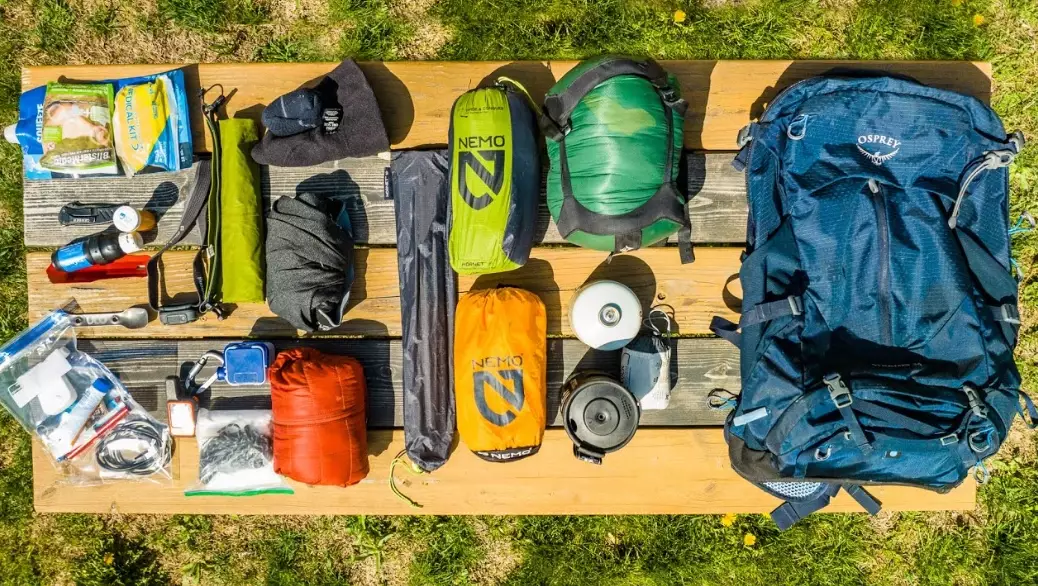
Your Quick Gear Guide
- The Core Systems You Can't Compromise On
- Building Your Solo Sleep System
- Solo Kitchen Gear: Eat Well, Pack Light
- Safety & Navigation: Non-Negotiables for Solo Travel
- Clothing & Personal Items
- Packing It All: Tips from a Veteran
- Common Solo Camping Gear Mistakes
- Your Solo Camping Gear Questions Answered
The Core Systems You Can't Compromise On
Think of your gear in systems: shelter, sleep, cook, carry. For solo camping, each system has a unique requirement: it must be lightweight, reliable, and often, smaller than its group-camping counterpart.
Your backpack is the foundation. For weekend trips, a 40 to 50-liter pack is the sweet spot. It forces discipline. Brands like Osprey, Gregory, and Hyperlite Mountain Gear make excellent models. Fit is everything—go to a store like REI and get it properly fitted with weight in it.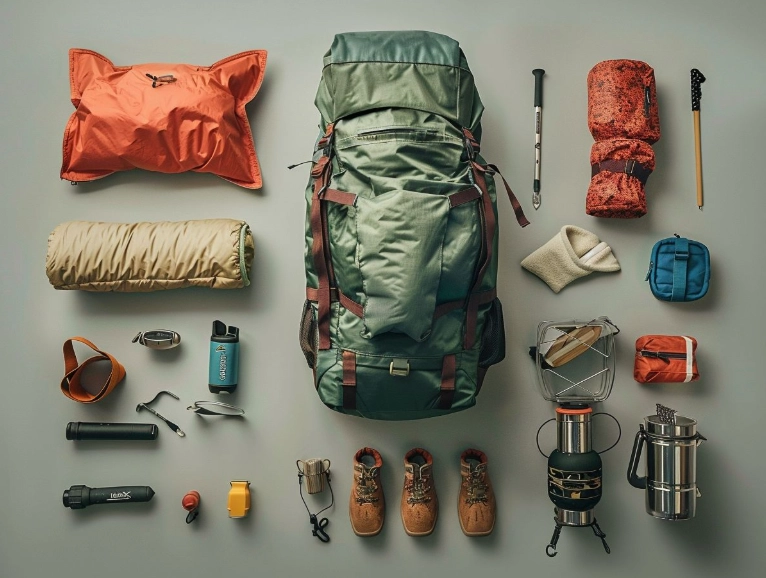
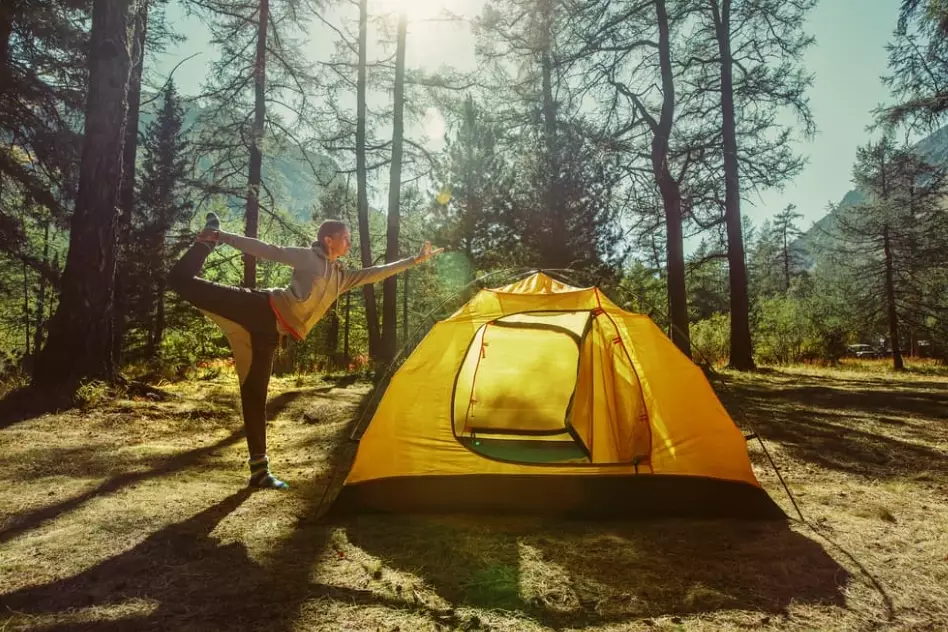
The shelter is your most personal choice. A common misconception is that you must buy a "one-person" tent. Many seasoned solo campers, myself included, often prefer a lightweight two-person tent. The extra few ounces buy you space to keep your pack inside away from weather and critters, and it prevents that claustrophobic feeling. A good solo shelter balances weight, space, and weather protection. Here's a quick comparison of popular shelter types for the solo camper:
| Shelter Type | Best For | Weight Range | Key Consideration |
|---|---|---|---|
| Ultralight 1P Tent | Weight-conscious hikers, established trails | 1.5 - 2.5 lbs | Very cramped; pack stays outside in vestibule. |
| Lightweight 2P Tent | Most solo campers, comfort-focused trips | 2.5 - 4 lbs | Luxury of space for gear; still relatively light. |
| Tarp & Bivy Combo | Experts, dry climates, maximum weight saving | 1 - 2 lbs | Minimal weather/bug protection; requires skill to pitch. |
| Hammock System | Forested areas, those who can't sleep on ground | 2 - 3 lbs (with insulation) | Requires trees; need underquilt for cold weather. |
I used a popular ultralight one-person tent for years, praising its weight. Then I spent a 36-hour rainstorm in it in Washington state. With my wet pack and boots in the tiny vestibule, and no room to sit up, I felt like I was in a damp coffin. I sold it and switched to a roomier two-person model. The weight penalty was 400 grams. Worth every gram.
Building Your Solo Sleep System
Sleep is recovery. A bad night's sleep can ruin the next day's hike. Your system is a combination of bag, pad, and pillow.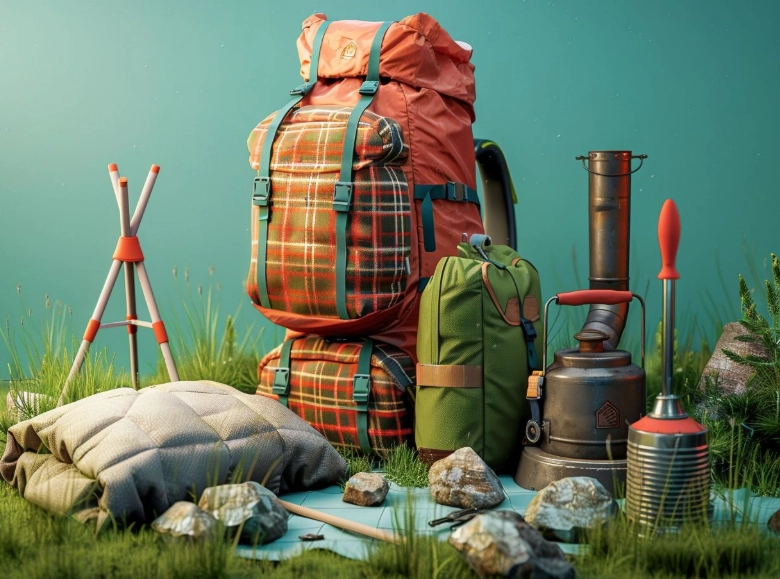
Sleeping Bag or Quilt?
For three-season camping, a down sleeping bag rated 10-20°F below the expected low is safe. Down packs smaller but fails when wet. Synthetic is bulkier but handles moisture better. A growing trend is the backpacking quilt. It straps to your sleeping pad, eliminating the back insulation you crush anyway, saving weight and increasing mobility. For solo campers who move around, a quilt can be a game-changer.
The Critical Role of the Sleeping Pad
This is where beginners skimp. Your pad provides insulation from the cold ground (its R-value) and comfort. For solo camping, I recommend an inflatable pad with an R-value of at least 3.0 for three seasons. Yes, foam pads are cheaper and bombproof, but they're bulky. An inflatable pad the size of a water bottle provides far more comfort and packs tiny. The comfort leads to better sleep, which leads to better decisions alone in the woods.
Solo Kitchen Gear: Eat Well, Pack Light
You don't need a full kitchen set. The goal is to boil water efficiently. My solo cook kit fits inside a 750ml pot: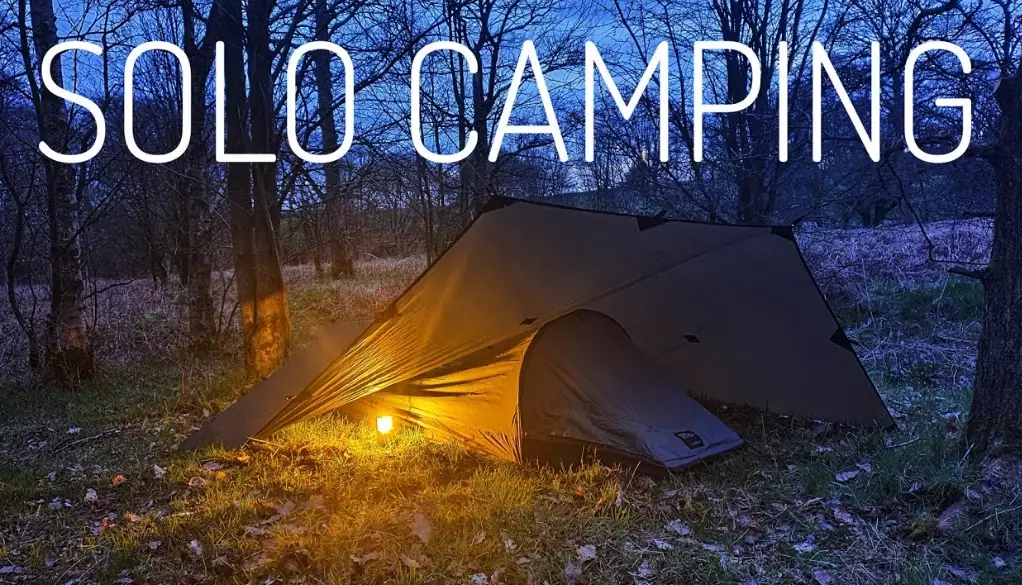
- Stove: A compact canister stove like the MSR PocketRocket 2. No need for a bulky multi-burner.
- Pot: A single titanium or aluminum pot (750ml-1L) with a lid that doubles as a bowl or frying pan.
- Utensil: One long-handled spork. That's it.
- Fuel: A small 100g canister of isobutane fuel. For a weekend, it's plenty.
- Water Treatment: A Sawyer Squeeze filter or chemical tablets (like Aquatabs). Never risk drinking untreated water, especially alone.
- Food: Dehydrated meals are easy. I also pack tortillas, peanut butter, and jerky. Simplicity wins.
Safety & Navigation: Non-Negotiables for Solo Travel
This section is not optional. When you're alone, you are your own rescue team.
Navigation: A detailed paper map of the area and a compass—and know how to use them. Your phone and GPS (like a Garmin inReach) are backups, not primaries. Batteries die. Phones break.
Communication: A fully charged power bank is essential. For trips outside reliable cell service, a satellite communicator like a Garmin inReach Mini or SPOT device is arguably the most important piece of solo camping equipment you can buy. It allows you to send check-in messages and has an SOS button. I've never had to press mine, but its presence changes your mental calculus entirely.
First-Aid Kit: Don't buy a pre-made Walmart kit. Build your own tailored to your skills. Must-haves: blister care (moleskin, leukotape), antiseptic wipes, gauze, adhesive bandages, ibuprofen, antihistamine, tweezers, and a small roll of duct tape. The REI guide to building a first-aid kit is an excellent resource.
Illumination: A headlamp with fresh batteries (plus extras). A small backup light, like a keychain LED, is wise.
Repair: A mini multi-tool, ten feet of paracord, and a few safety pins can fix a surprising number of gear failures.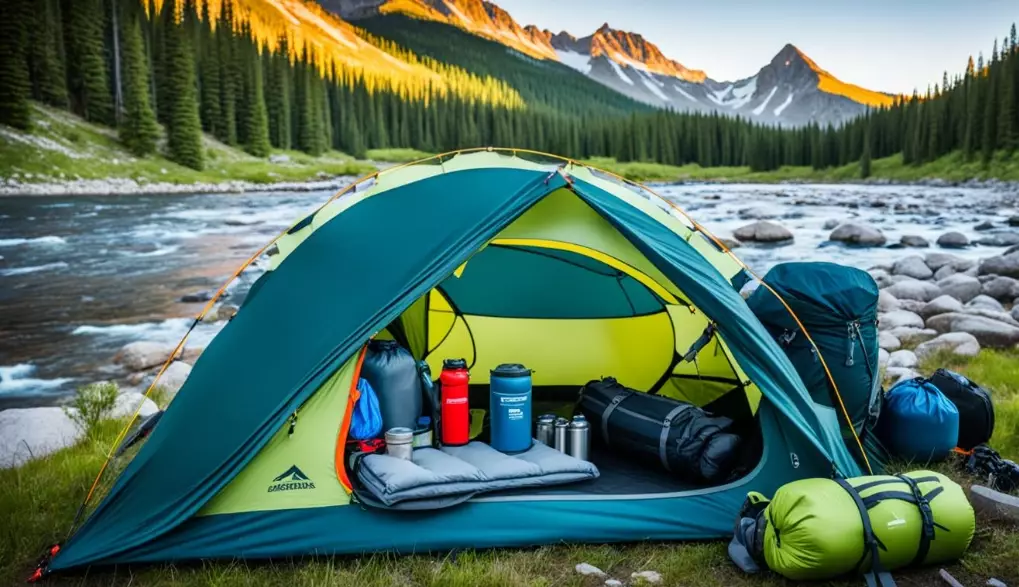
Clothing & Personal Items
Follow the layering system: base, insulation, shell. For solo trips, I pack one set to hike in, one set to sleep in (always kept dry), and one extra pair of socks.
- Base Layer: Merino wool or synthetic. Avoid cotton—it kills when wet.
- Insulation: A lightweight puffy jacket (down or synthetic).
- Shell: A waterproof and breathable rain jacket.
- Footwear: Broken-in hiking boots or shoes, plus camp sandals or down booties.
- Extras: Beanie, gloves, sunglasses, broad-spectrum sunscreen, insect repellent.
- Hygiene: Biodegradable soap, toothbrush, small towel, hand sanitizer, trowel for catholes.
Packing It All: Tips from a Veteran
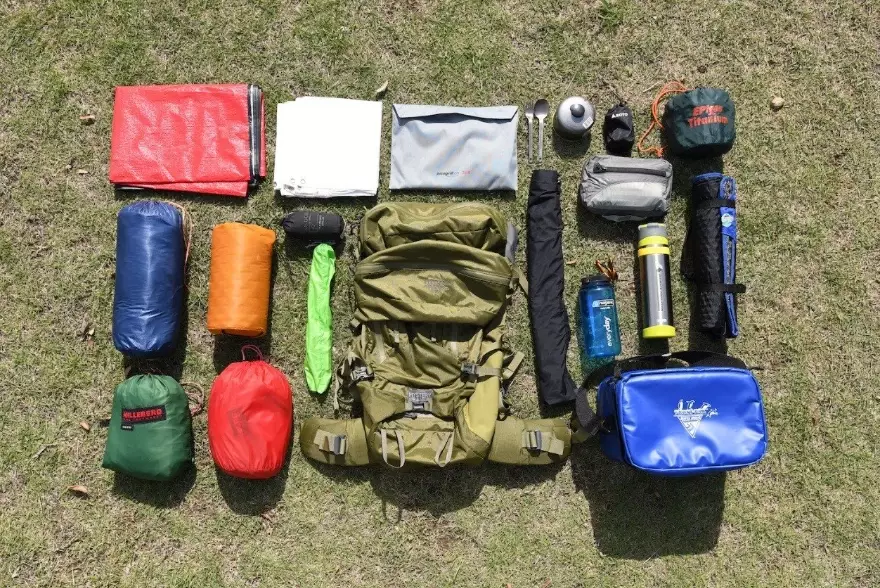
How you pack affects your comfort and access. Use stuff sacks or packing cubes to organize by system: sleep sack, kitchen sack, clothing sack. Heaviest items (food, water, stove) go in the middle of your pack, close to your back. Frequently needed items (rain jacket, snacks, map) go in the top lid or side pockets. Your shelter (tent) often straps to the outside bottom. The goal is a balanced pack that doesn't pull you backward.
Before every trip, I do a "pack shake-down." I lay every single item on the floor. I ask for each one: Do I need this to be safe, hydrated, fed, or sheltered? If the answer is no, it stays home. That extra book, the heavy camp chair, the third pair of pants—they add up.
Common Solo Camping Gear Mistakes
Let's talk about errors I see constantly.
Overpacking "Just in Case" Items: This is the biggest one. You bring the giant knife, the axe, the extra tarp, the massive first-aid kit with a splint. You're not establishing a colony; you're spending two nights out. Trust your core gear.
Ignoring Redundancy in Critical Areas: Conversely, in key systems, you need backups. Fire (lighter and waterproof matches), water (filter and tablets), light (headlamp and a tiny backup). One fails, you have a plan.
Choosing Gear for the Dream Trip, Not the Real One: Buying a -20°F sleeping bag for summer camping in Georgia. Or a mountaineering tent for car camping. Match your gear to the conditions you'll actually face 90% of the time.
Never Testing Gear Before the Trip: That new stove won't light. The sleeping pad has a slow leak. The waterproof jacket wets out. Test everything at home where failure is a minor inconvenience.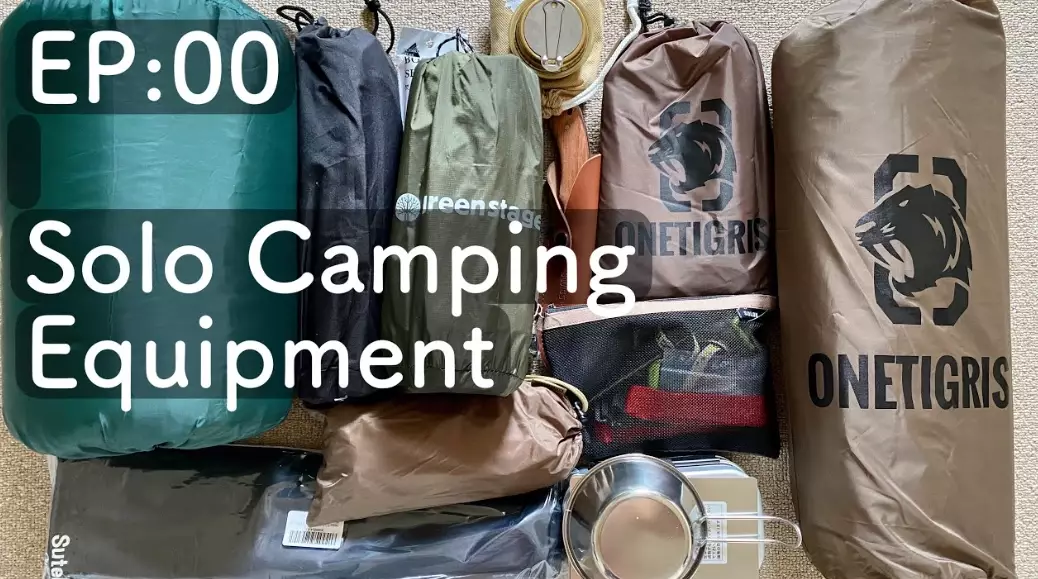
Your Solo Camping Gear Questions Answered
 How can I save money on solo camping gear without sacrificing safety?
The right solo camping equipment is a curated collection, not a random assembly. It's about understanding the "why" behind each item, not just checking boxes on a list. It evolves with your experience. Start with the essentials outlined here, prioritize safety and sleep, and then let your own trips teach you what you truly need. The freedom you find out there, with everything you need on your back, is worth every ounce of planning.