You've got the tent, the sleeping bags, the perfect campsite booked. Then you look at the pile of gear in your living room and a cold dread sets in. How on earth is all of this going to fit in your car? And what if the road to the campsite is more of a suggestion than a road? This moment, the logistics of camping transportation, is where great trips can stumble before they even begin.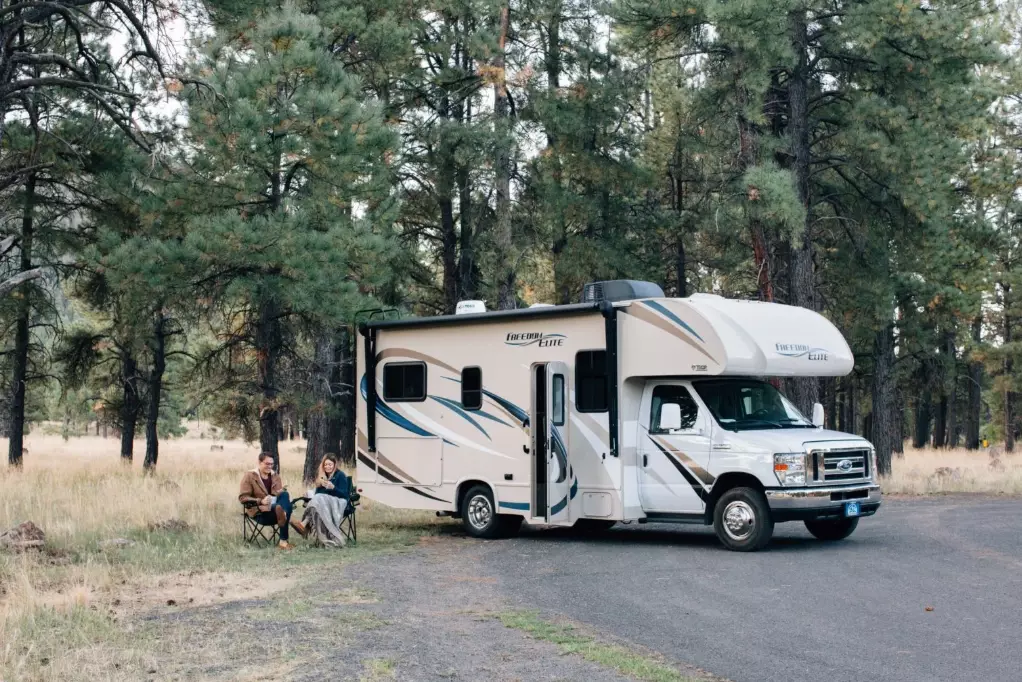
I've been guiding camping trips and exploring the backcountry for over a decade. I've seen everything from a Subaru packed to the roof with genius efficiency to a giant truck hauling a trailer full of gear they never used. The right approach to getting there isn't about having the biggest vehicle; it's about smart planning. Let's break down the real-world choices and strategies that go beyond the brochure.
What's in This Guide?
Choosing Your Vehicle: From Sedans to Overlanders
Your vehicle is your basecamp on wheels. The biggest mistake is assuming you need a monster truck. Match the vehicle to the terrain 90% of your trips will actually see.
| Vehicle Type | Best For... | Key Limitations | Pro Tip |
|---|---|---|---|
| Sedan / Compact Car | Paved campgrounds, minimalist campers, budget trips. | Ground clearance, cargo space, no 4WD/AWD. | A roof bag is essential. Check weight limits in the manual. |
| Crossover / Small SUV | Most car campers. Gravel roads, decent space, good fuel economy. | “Soft-roading” only. Towing capacity is often low. | The sweet spot for 80% of campers. Honda CR-V, Toyota RAV4, Subaru Forester are icons for a reason. |
| Mid/Full-Size SUV & Minivan | Families, longer trips, more gear, light towing. | Bulkier, higher fuel cost. Minivans lack serious off-road capability. | Minivans have cavernous, easy-to-pack interiors. Often overlooked gems for family camping. |
| Truck | Hauling dirty/wet gear (bed!), serious towing, off-road access. | Exposed bed requires a secure tonneau cover or cap. Less secure interior storage. | Invest in a good bed organizing system. A simple truck bed cap transforms utility. |
| Overland Rig | Self-sufficient, multi-day remote travel where there are no roads. | Extreme cost, poor daily drivability, complex systems can fail. | This is a lifestyle, not a necessity for weekend camping. Start with a capable stock vehicle and add gear as needed. |
A non-consensus point? Most people overestimate the ruggedness of their destination. The U.S. National Park Service and most state parks maintain roads accessible by standard passenger vehicles. You likely don't need a lifted Jeep to reach that stunning lakeside spot—a cautious driver in a stock SUV will do just fine.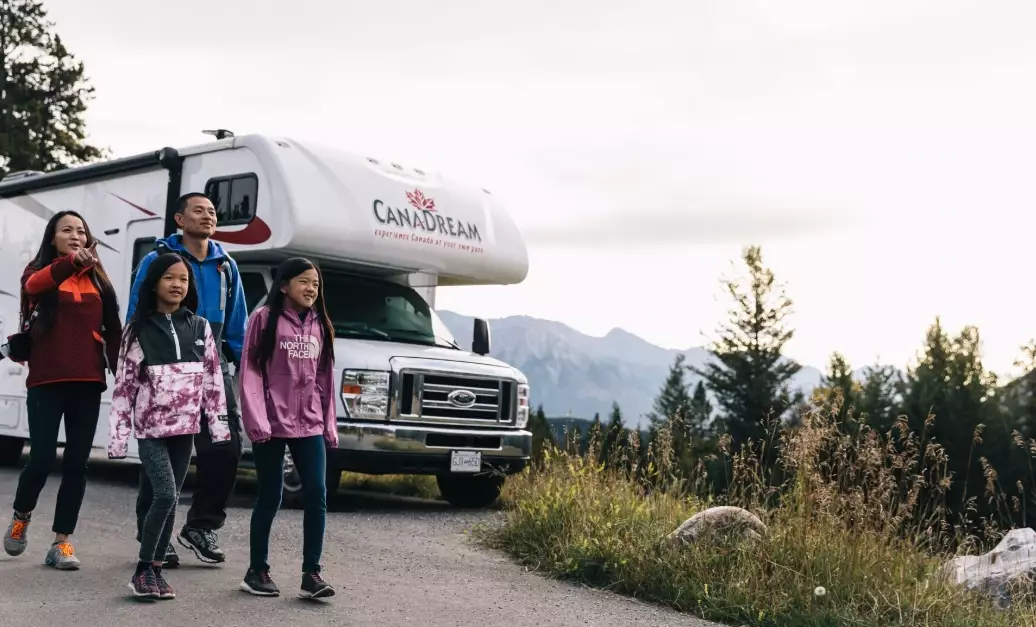
Ground Clearance Check: Before you book a remote site, call the ranger station. Ask specifically: “What is the road condition to site #X? Would you take a low-clearance vehicle on it after rain?” Their answer is worth more than any online review.
The Art of Packing: Maximizing Space and Safety
Packing isn't just throwing things in. It's a 3D puzzle where safety is the top priority. An unbalanced load or blocked windows is a hazard.
The Three-Layer Packing Method
Think of your vehicle in layers, from bottom to top.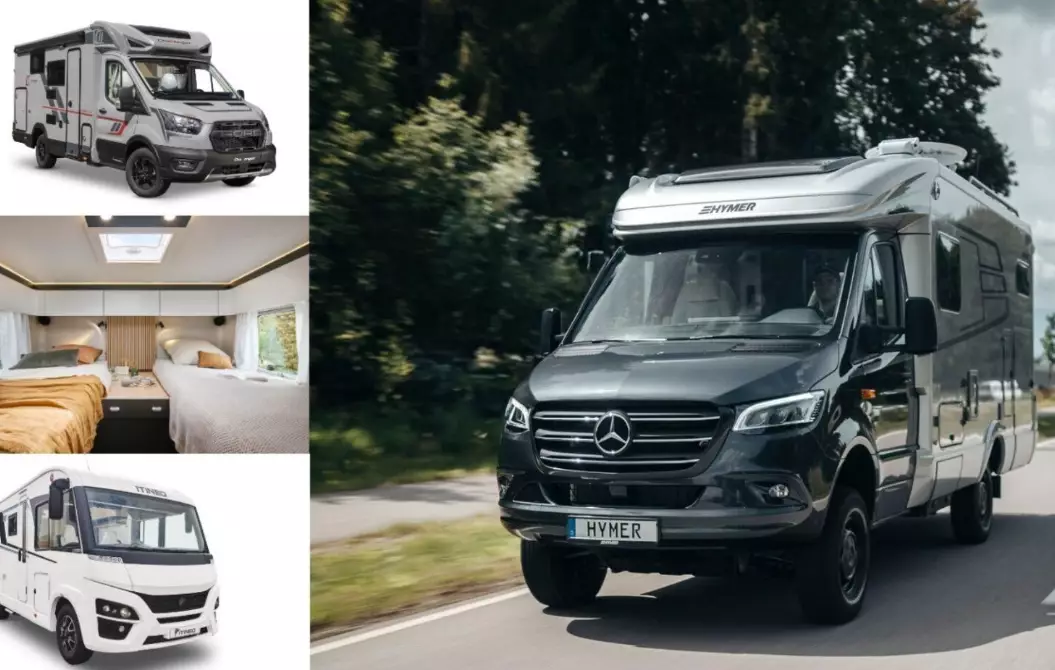
Layer 1: The Foundation (Heavy & Flat)
This goes in first, low and centered over the axles. We're talking about your cooler (empty until you're ready to leave), water jugs, toolboxes, and camp kitchen bin. This weight stabilizes the vehicle.
Layer 2: The Core (Medium Weight, Bulky)
Tents, duffel bags with clothes, sleeping bags in compression sacks. Fill the spaces around Layer 1. Use every cubic inch, including footwells for rear passengers.
Layer 3: The Top & Access (Light & Frequently Needed)
This is for your roof box or cargo area on top of everything else. Camp chairs, sleeping pads, the empty firewood bag. Inside, keep a small “day-one” bag with snacks, a jacket, and headlamps within arm's reach.
Pro Tip from a Guide: The single best investment for any camper is a set of identical, medium-sized plastic bins with locking lids. One for kitchen, one for tools/lighting, one for dry food. They stack, protect from rain and critters, and turn unpacking/setting up camp into a 10-minute task. Label them with paint or tape.
I see people make one critical error all the time: they pack for the “there” but not the “back.” You'll have dirty clothes, wet tarps, and maybe some trash. Leave space for a dedicated dirty laundry bag and a collapsed, empty bin for the messy stuff on the return trip.
Special Scenarios: Off-Road, Families, and Trailers
When the Pavement Ends
Off-road camping requires a mindset shift. It's not just about 4WD. You need recovery gear and knowledge. At a minimum: a full-size spare tire (check the pressure!), a tire repair kit, a portable air compressor, and recovery boards. Tell someone your route and expected return time.
Air down your tires for sand or rocky terrain? Absolutely. But know how much and have the means to re-inflate them to highway pressure. Airing down without a compressor leaves you stranded.
The Family Camping Machine
Camping with kids means packing for tiny humans who need entertainment, snacks, and frequent stops. Organization is survival.
Assign each child their own small backpack for car toys and snacks. Use seat-back organizers. The “day-one” bag is even more crucial. Consider a small trailer if your vehicle is bursting; it keeps the passenger cabin livable. The American Automobile Association (AAA) has excellent guides on safe trailer towing if you go that route.
To Trailer or Not to Trailer?
Pop-up campers and small teardrop trailers are fantastic for basecamp-style trips. They simplify setup and offer more comfort. But they limit your mobility once parked and require practice to tow safely. They also add significant cost and maintenance. Rent one first to see if the lifestyle fits you.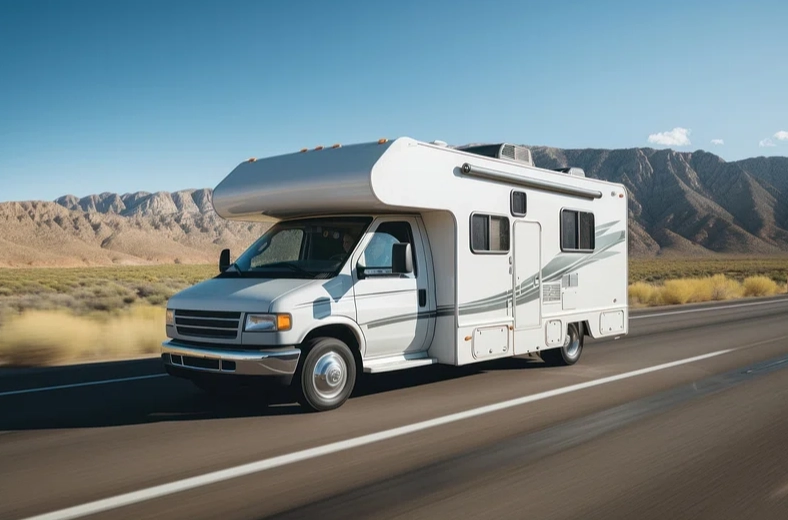
Thinking Beyond the Car: Eco-Friendly & Alternative Options
Not every adventure starts with an engine. For a truly different experience, consider human-powered transport.
Bike Camping (Bikepacking): Using a combination of panniers and frame bags, you can cover surprising distance with a lightweight kit. It forces minimalism and connects you to the landscape in a way driving never can. Start with an overnight trip on a rail-trail.
Canoe/Kayak Camping: Your boat is your cargo van. Paddle-in sites are often incredibly peaceful. The learning curve is about balancing weight and waterproofing your gear in dry bags.
These methods aren't about deprivation; they're about a shift in focus. The journey itself becomes the primary activity, not just the means to an end.
Your Camping Transport Questions Answered
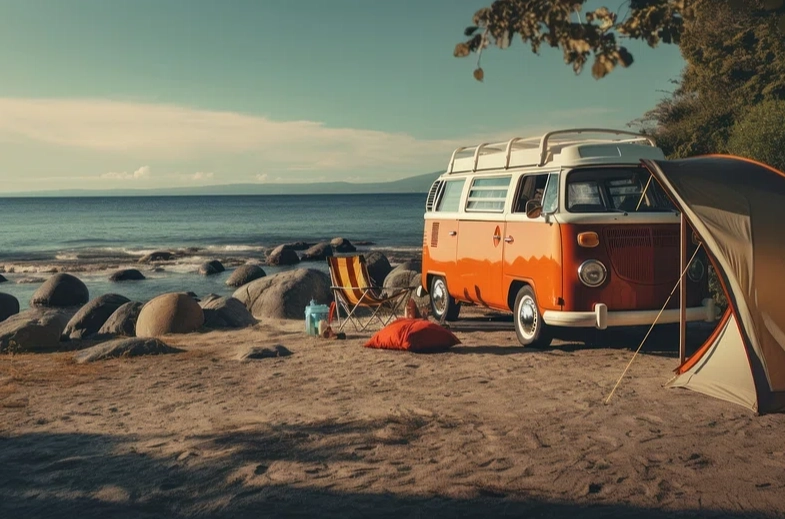 Can I use my regular sedan for car camping?
The pile of gear in your living room doesn't have to be a source of stress. See it as the first step of the adventure—a logistical puzzle to solve. Choose your vehicle for the reality of your trips, pack with safety and efficiency in mind, and don't be afraid to start small. The road to your campsite is part of the story. Make getting there half the fun.