Let's cut to the chase. A search for "top camping destinations" floods you with pretty pictures and generic lists. But a stunning photo doesn't tell you if you need a permit six months in advance, if the access road requires 4WD, or if the mosquitoes will carry you away. After a decade of sleeping everywhere from roadside pullouts to backcountry basins, I've learned that the "best" spot is entirely personal. It depends on whether you want a flush toilet within sight or complete solitude miles from the nearest soul. This guide breaks down specific, actionable information on top camping locations across the U.S., tailored to different styles, so you can move from dreaming to planning.
Your Quick Trail Guide
Destinations Sorted By Your Camping Style
Forget a one-size-fits-all ranking. Here’s where to go based on what you're actually looking for.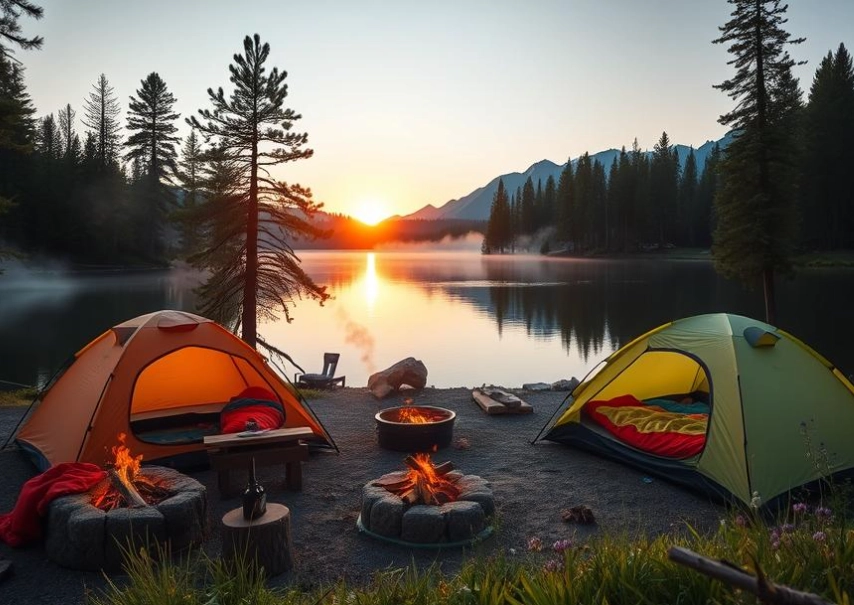
For the Iconic National Park Experience (With Reservations)
You want the famous vistas, well-maintained trails, and ranger programs. The trade-off? You'll need to plan ahead—way ahead.
| Destination | Address / Location | Best Season & Booking Lead Time | Campground Type & Cost (approx.) | Key Need-to-Know |
|---|---|---|---|---|
| Yosemite National Park, CA – North Pines Campground | Yosemite Valley, CA 95389 | Late May-September. Reservations open 5 months in advance on the 15th of each month at 7:00 AM PST and sell out in minutes. | Developed, flush toilets, some hookups. $36/night. | Valley camping puts you in the heart of the action but can feel crowded. If sold out, check Recreation.gov daily for cancellations. |
| Great Smoky Mountains NP, TN/NC – Elkmont Campground | Near Gatlinburg, TN | Year-round, but spring-fall is prime. Reservations required March-October, book up to 6 months ahead. | Developed, flush toilets. $27-$32/night. | One of the few frontcountry campgrounds with reservable sites. The synchronous firefly viewing in late May/early June requires a separate lottery. |
For the Adventurous Dispersed Camper
You have a capable vehicle, value solitude, and don't mind digging a cat hole. This is often free, but you must follow Leave No Trace principles rigidly.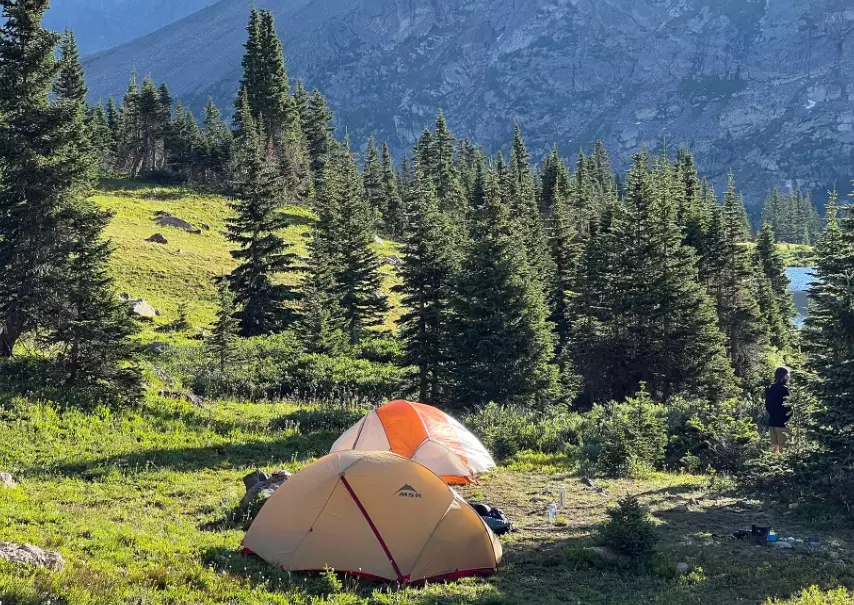
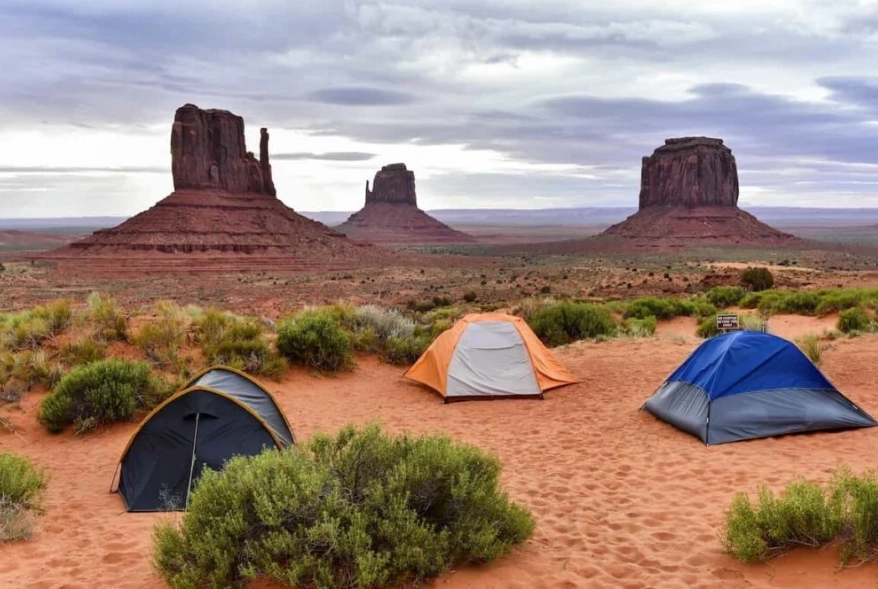
Moab, Utah – Bureau of Land Management (BLM) Land
Address/Area: Surrounding Moab, like along Willow Springs Road or Long Canyon Road.
Best Season: Spring and Fall. Summer is brutally hot, winter can be cold at night.
Cost: Mostly free. Some designated areas may have a small fee.
Key Need-to-Know: This is not a campground. There are no services—no water, no toilets, no trash cans. You pack everything in and out. Roads can be sandy or rocky; 4WD or high-clearance is often recommended. Find official maps and rules on the BLM website for the Moab Field Office. The solitude with a view of the red rock cliffs is unbeatable, but you're completely on your own.
Acadia National Park, ME – Isle au Haut
Most visitors crowd the main part of Acadia. For a back-to-basics experience, take the mail boat (yes, the real mail boat) to Isle au Haut. The Duck Harbor Campground has 5 primitive lean-to sites.
Address: Access via Stonington, ME. Boat info: Isle au Haut Boat Services.
Best Season: Late May to mid-October. Reservations are by lottery through Recreation.gov and are extremely competitive.
Cost: Camping is $35/night plus the round-trip boat fare (~$40).
Key Need-to-Know: This is remote island camping. You must carry all gear from the dock to your site. The reward is quiet trails, rugged coastline, and a fraction of the mainland crowds.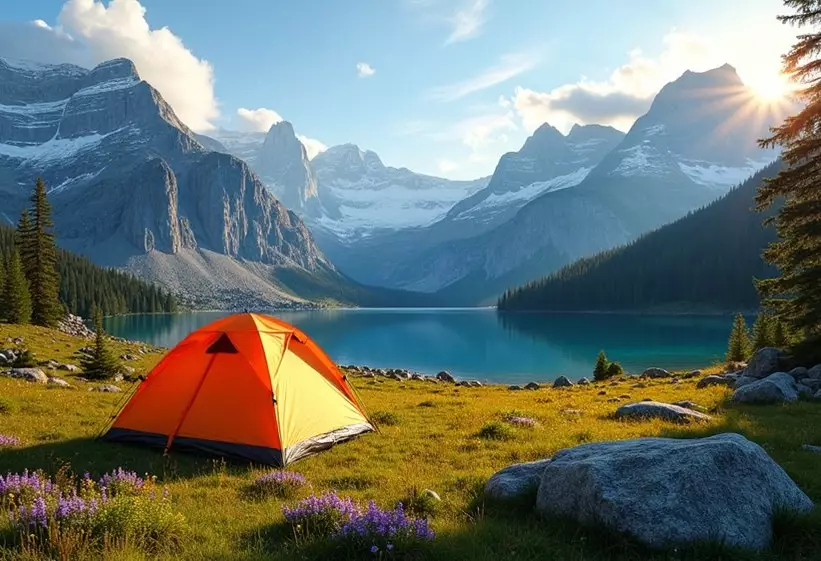
For the Family-Friendly, Stress-Free Outing
Your priorities are easy access, clean facilities, and activities to keep kids engaged.
Olympic National Park, WA – Kalaloch Campground
Address: 157151 Highway 101, Forks, WA 98331
Best Season: Summer, but be prepared for rain and fog any time. Reservations essential for summer, available 6 months ahead.
Cost: $24-$26/night.
Key Need-to-Know: The sites are right on a bluff overlooking the Pacific Ocean. Kids can explore tide pools at Beach 4 (short drive), and the paved paths make it stroller-friendly. It’s often full, but the adjacent South Beach area offers first-come, first-served overflow camping. The weather is the wildcard—pack good rain gear even in August.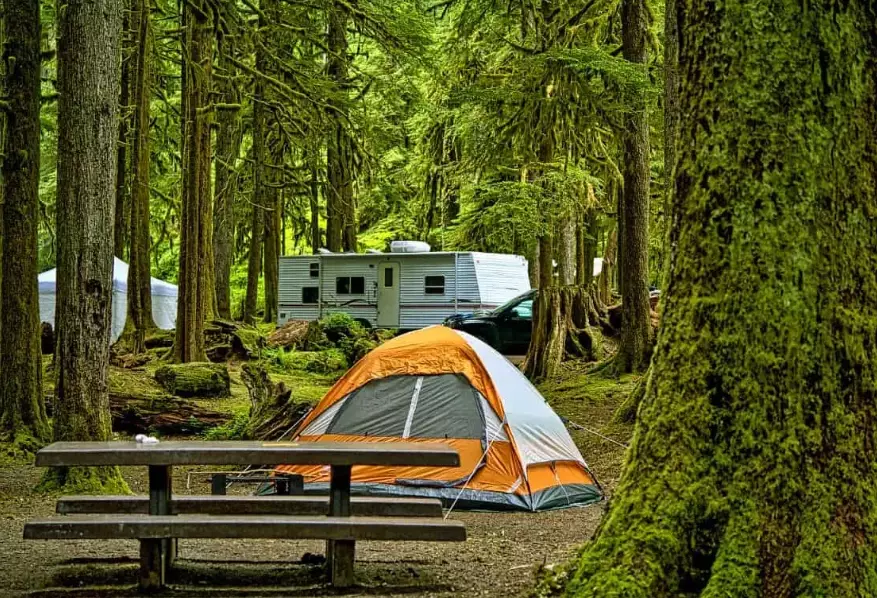
How to Plan Your Dream Camping Trip
Knowing a destination's name is 10% of the battle. The other 90% is logistics.
Step 1: Define Your Camping Style
Are you car camping at a developed site, backpacking, or "boondocking" in a van? Your answer dictates gear, location, and planning complexity. Be honest about your comfort level.
Step 2: Research and Book (or Plan to Grab FCFS)
For popular spots, assume you need a reservation. Use Recreation.gov for federal lands and state park websites for state-run parks. Set calendar reminders for when bookings open. For FCFS, have a backup plan—know the next-closest campground or public land area.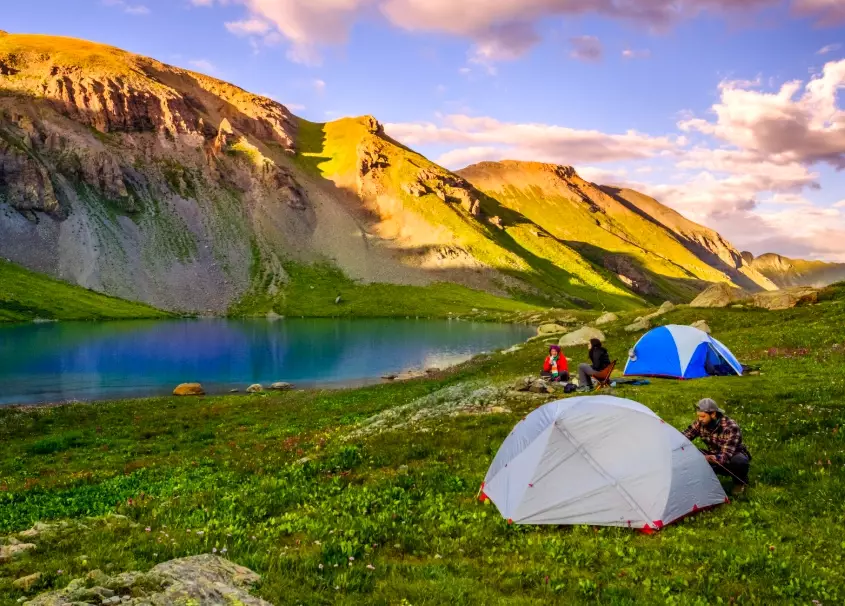
Step 3: The Non-Negotiable Packing List (Beyond Tent & Sleeping Bag)
Newbies pack 30 outfits and forget these critical items:
Navigation: A physical map and compass. Phone GPS fails in remote canyons and dense forests.
Water Management: A 5+ gallon jug for car camping. A reliable filter (like a Sawyer Squeeze) for backcountry.
Comfort & Safety: A headlamp (with extra batteries), a dedicated first-aid kit, and a sleeping pad with an R-value of 4 or higher if camping in shoulder seasons. Most cold nights come from the ground, not the air.
What are common camping mistakes to avoid?
I see the same errors trip people up every season.
Over-relying on the reservation system. As mentioned, FCFS gems exist. Also, many state forests and county parks have fantastic, lesser-known campgrounds that don't show up on the big booking sites. Dig deeper.
Ignoring microclimates. Just because it's summer doesn't mean it's warm. Coastal California, the High Sierra, and the Pacific Northwest can have freezing nights in July. Check overnight lows, not just daytime highs.
Packing too much gear, but the wrong kind. That giant, heavy cotton hoodie is useless when it gets damp. Focus on synthetic or wool layers. And for car camping, a comfy camp chair is a game-changer—don't skip it.