I almost called it quits on my first Alaska camping trip near Seward. The midnight sun was a novelty for about two hours, until I realized I'd forgotten a proper sleep mask. A persistent drizzle—not quite rain, not quite mist—soaked through what I thought was a "water-resistant" jacket. And the mosquitos? Let's just say they operate with a military precision you don't find in the lower 48. But waking up to a glacier's blue glow reflected in a still lake, with no one else around for miles, made every misstep worth it. Alaska camping isn't just a vacation; it's a competency test for the outdoors. This guide is the manual I wish I'd had.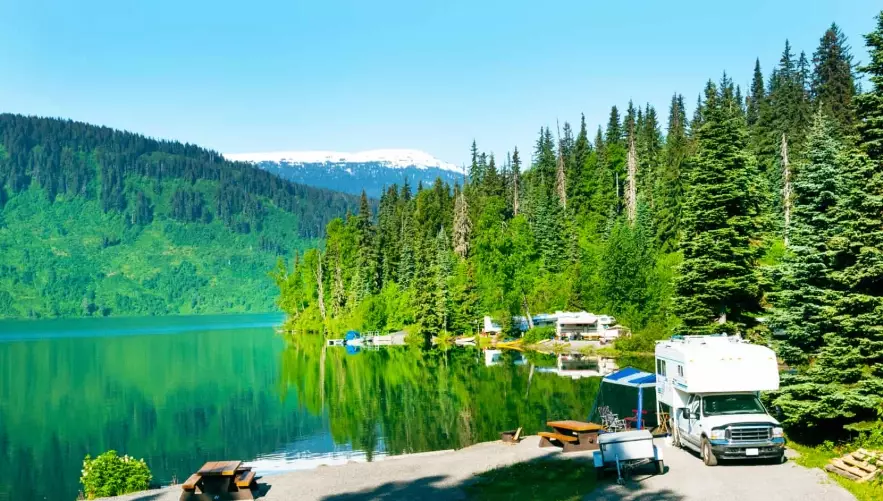
What's Inside This Guide
Why Alaska Camping is a Different Beast
Forget everything you know about camping elsewhere. Alaska operates on its own rules, dictated by scale, climate, and raw wilderness.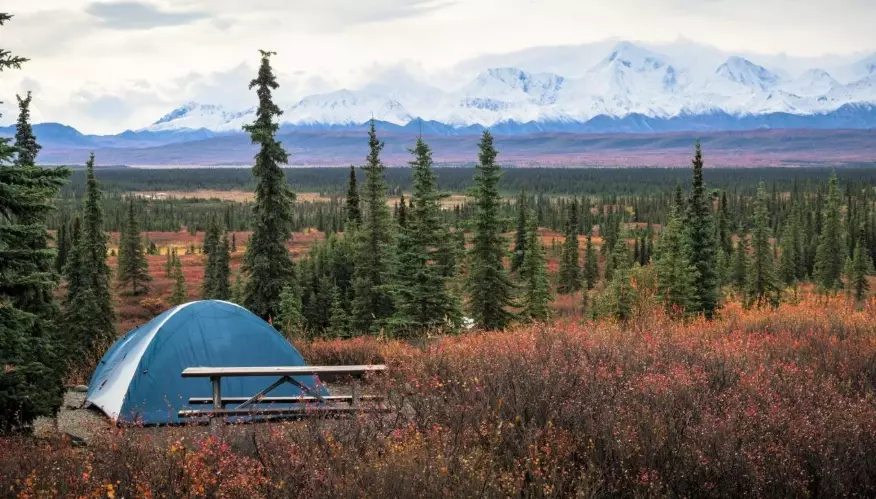
The Light (and Dark): Summer means 18+ hours of daylight. It's incredible for hiking at 10 PM, but it wreaks havoc on your sleep cycle and can make you push too hard, too fast. Conversely, if you're eyeing the northern lights in late fall, you have a tiny window of daylight for activities.
Weather is a Mood, Not a Forecast: "Sunny with a chance of showers" here means you might get all four seasons before lunch. Coastal areas like Kenai Fjords are damp and cool. Interior areas like Denali have wider temperature swings. The constant variable is unpredictability.
Remoteness is Real: Cell service is a luxury. Many trailheads are 50+ miles of gravel road from the nearest gas station. Help is not around the corner. Your planning and preparation are your safety net.
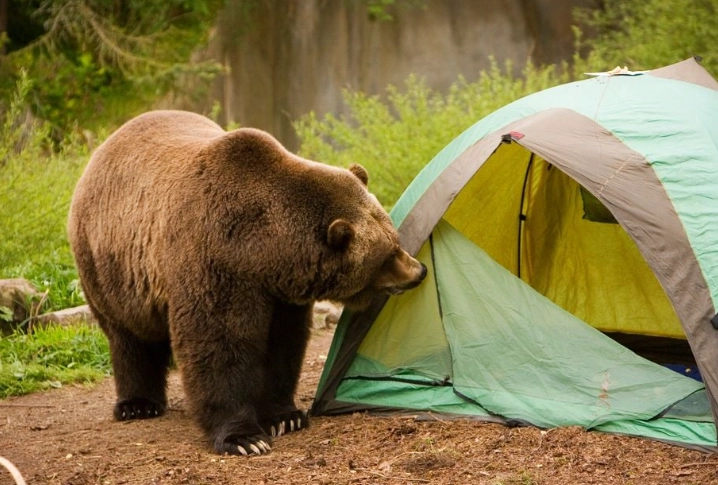
You Are in Bear Country. Full Stop. Both black and brown (grizzly) bears are common. This isn't a scare tactic; it's a fundamental fact that must dictate how you store food, manage waste, and move through the landscape.
How to Plan Your Alaska Camping Trip
When to Go: The Sweet Spot
Prime Season: Late June through mid-August. This is your best shot at drier weather, all services being open, and accessible trails (though some high-elevation passes may hold snow until July).
Shoulder Seasons: May/early June and late August/September. You'll trade some warmth and guaranteed access for fewer crowds and stunning fall colors in September. Be prepared for more rain and colder nights. By late September, many campgrounds start shutting down.
How Long Do You Need?
Alaska is massive. Don't try to "do" Denali, Kenai, and the Interior in a week.
- One Park Focus: 5-7 days for a single region (e.g., just Denali or just the Kenai Peninsula) allows for a few different campsites and day hikes.
- Two-Region Trip: 10-14 days is more realistic to experience two distinct areas without spending your entire trip driving.
Getting Around: The RV vs. Car + Tent Debate
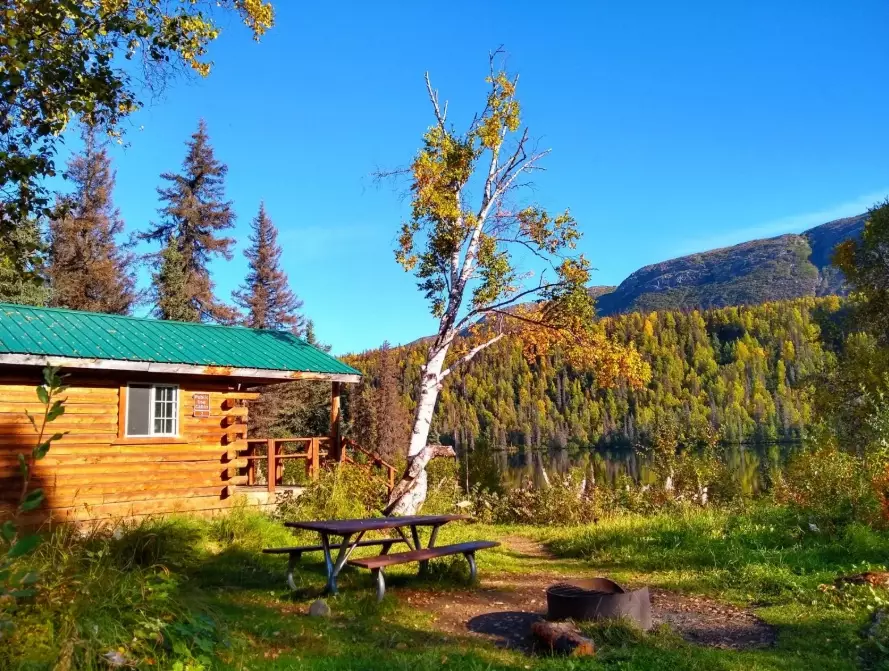
RV/Motorhome: Offers warmth, shelter, and onboard facilities. Great for families or those wanting more comfort. Downsides: They're expensive to rent and fuel, difficult to maneuver on narrow gravel roads, and limit where you can camp. Many scenic pullouts and trailheads forbid overnight RV parking.
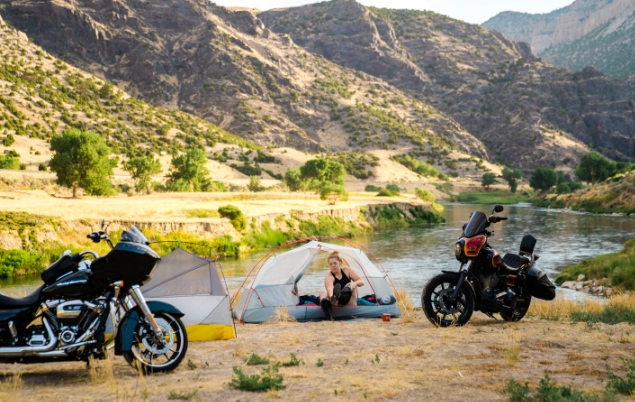
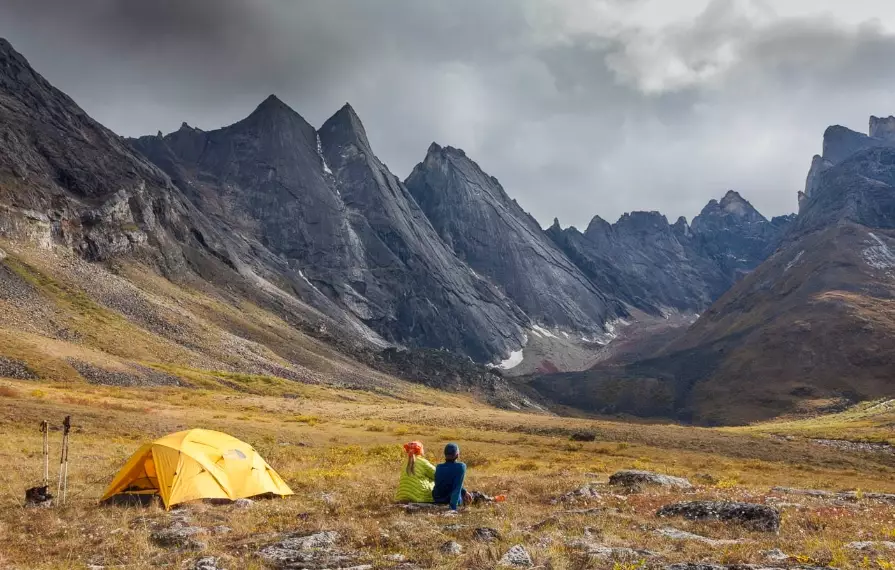
Car + Tent: My preferred method. It's cheaper, more agile, and gets you closer to the real Alaska. You can pull over and camp in designated areas a large RV never could. The trade-off is you're more exposed to the elements and need more meticulous gear.
If you go the rental car route, confirm explicitly that driving on gravel highways (like the Denali Park Road or the Dalton Highway) is permitted. Many standard rental agreements prohibit it.
Top 3 Can't-Miss Campsites & How to Book Them
These three offer a taste of Alaska's diversity. Booking opens months in advance for summer—set a calendar reminder.
| Campsite & Park | Address/Location | Why It's Special | Need to Know & Booking |
|---|---|---|---|
| Wonder Lake Campground (Denali National Park) |
Mile 85, Denali Park Road. Accessible by park shuttle bus only. | The iconic view of Denali reflected in Wonder Lake on a clear day is legendary. It's the deepest point you can camp at inside the park. | Only 28 sites. Book via Recreation.gov the moment winter bookings open (usually December). No vehicles, walk-in tents only. Bring bug spray—the mosquitos here are infamous. |
| Exit Glacier Campground (Kenai Fjords National Park) |
Exit Glacier Road, off Seward Highway, near Seward, AK. | Walk from your tent to the face of a massive, active glacier. The sounds of ice cracking are your soundtrack. Great base for hiking the Harding Icefield Trail. | First-come, first-served only. Arrive early (before 10 AM) to secure a spot, especially mid-week. No RV hookups. Water and toilets available. Managed by the National Park Service. |
| McCarthy Creek Campground (Wrangell-St. Elias National Park) |
McCarthy Road, mile 17.5 (approx 8 miles before McCarthy). | True off-the-grid feel in America's largest national park. Stunning views of the Wrangell Mountains. A great, less-crowted alternative to Denali. | Free, primitive camping. Pit toilets, no water (filter from the creek). Access requires driving the rough, 60-mile McCarthy Road (allow 2+ hours). Fill your tank in Chitina first. |
Beyond these, Alaska has a vast network of state park campgrounds (book via ReserveAmerica), US Forest Service sites, and even free, dispersed camping on much of the state's public land (BLM and State Land). Always check specific regulations for the area.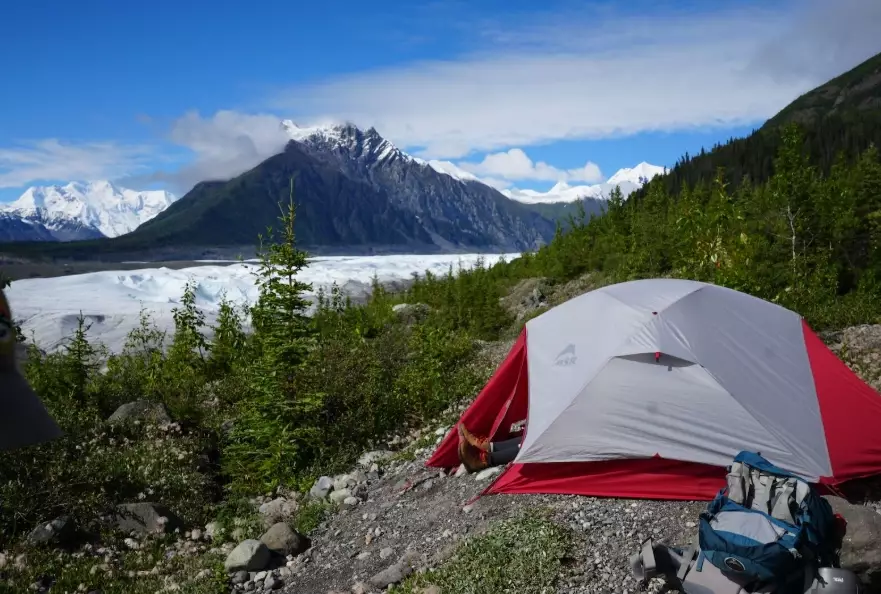
The Non-Negotiable Alaska Camping Gear Checklist
This isn't your standard list. Failures here are more than inconvenient.
- Shelter & Sleep: A sturdy, 3-season tent rated for wind and rain. A sleeping bag rated to at least 20°F (a 30°F bag won't cut it in August at higher elevations). A high-R-value sleeping pad for insulation from the cold ground.
- Clothing (The Layer System is Law):
- Base Layer: Merino wool or synthetic.
- Insulating Layer: Fleece or puffy jacket.
- Shell Layer: A truly waterproof and breathable rain jacket and pants. Not "water-resistant." Gore-Tex or equivalent.
- Sturdy, broken-in hiking boots. Multiple wool/synthetic socks.
- A warm hat and gloves, even in summer.
- Food & Water:
- Bear-Resistant Food Container (BRFC): Required in many parks like Denali and Kenai Fjords. You can often rent these at park entrances or outdoor stores in Anchorage/Fairbanks.
- Water filter or purification tablets. Giardia is present in even the clearest streams.
- High-calorie, no-cook backup food (energy bars, nuts, jerky).
- Essentials: Detailed paper maps and compass (GPS can fail). Headlamp with extra batteries. A comprehensive first-aid kit. Mosquito head net and potent repellent (DEET or picaridin). Multi-tool. Fire starter and lighter in a waterproof container.
Safety & Survival: Bears, Weather, and Getting Un-Lost
Living with Bears (Safely)
Carry bear spray on your hip, not buried in your pack. Know how to use it—practice the quick-release. Make noise when hiking in dense brush or near loud water. Never, ever store food, toiletries, or cookware in your tent. Use the provided metal food lockers or your BRFC, stored 100+ yards downwind from your tent.
If you see a bear, stop. Don't run. Speak calmly, back away slowly. Most encounters end here.
Respecting the Weather
Hypothermia is a summer risk. Cotton kills—it stays wet and sucks heat. Always have dry layers available. Check forecasts from the National Weather Service for your specific region, but be ready for it to change. Tell someone your detailed itinerary and expected return time.
The Art of Not Getting Lost
Trails can be faint or disappear entirely above tree line. Turn around and look back frequently to memorize the return view. If you lose the trail, the general rule is to stay put if you're injured or the weather turns. If you must self-rescue, follow a drainage downstream—it will usually lead to a larger feature or road.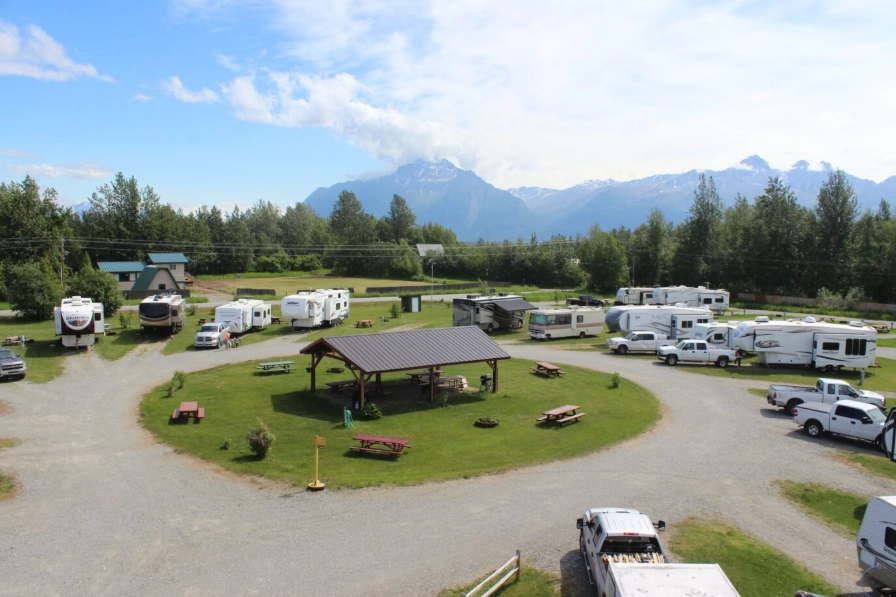
Your Alaska Camping Questions, Answered
 What's a common mistake with renting gear for Alaska?