Quick Jump to Sections
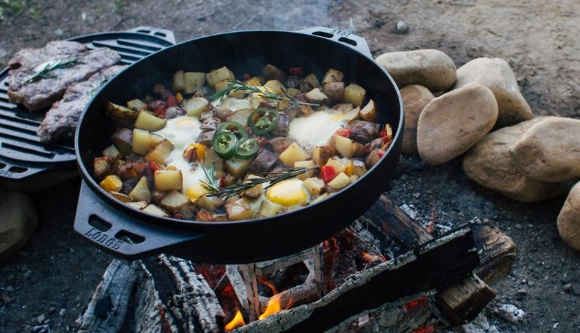
Let's cut to the chase: if you're tired of bland hot dogs and canned beans on your camping trips, Dutch oven cooking might just be your salvation. I remember my first time using a cast iron Dutch oven over a campfire—the smell of simmering stew, the anticipation, and finally, a meal that tasted like it came from a kitchen, not a backpack. It changed my camping game forever.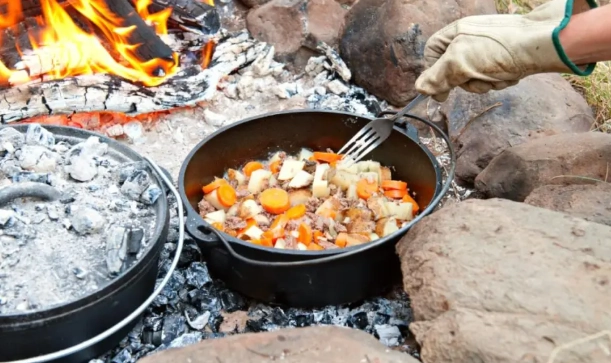
What is Dutch Oven Camping?
Dutch oven camping simply means using a heavy, lidded pot—typically made of cast iron—to cook meals over a campfire or charcoal while camping. It's not just about boiling water; it's about baking, braising, and creating complex dishes outdoors. This method has been a staple for campers and outdoor enthusiasts for generations, offering a versatile way to prepare everything from stews to fresh bread.
Why Bother with a Dutch Oven for Camping?
You might think it's extra weight, and yeah, it is. But the payoff is huge. A good Dutch oven distributes heat evenly, retains temperature for hours, and lets you cook everything from stews to bread. According to outdoor cooking enthusiasts, it's a game-changer for group meals. The even heat distribution prevents burning and allows for slow cooking, which is perfect for campfire setups. Plus, the heavy lid seals in moisture, making it ideal for baking and braising.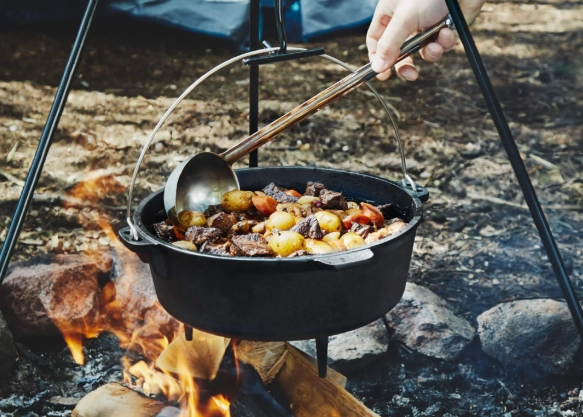
How to Choose the Right Dutch Oven for Camping
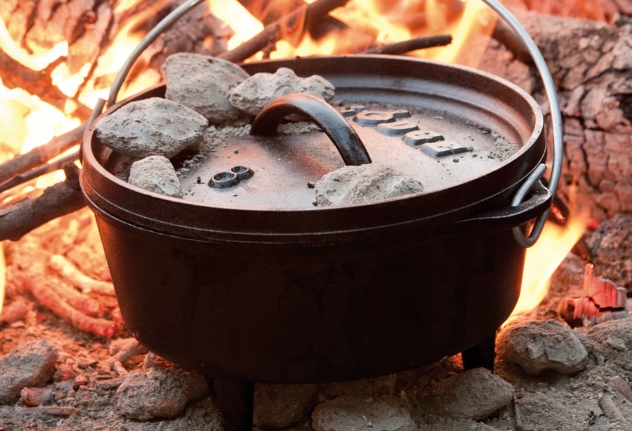
Not all Dutch ovens are created equal. For camping, you need one designed for outdoor use. Look for features like legs for stability over coals and a flanged lid to hold coals on top. Material matters too—cast iron is durable and great for heat retention, but it's heavy. Aluminum is lighter but doesn't hold heat as well.
Material Matters: Cast Iron vs. Aluminum
Cast iron is the classic choice—it's durable and great for heat retention. But it's heavy. Aluminum Dutch ovens are lighter and heat up faster, but they don't hold heat as well. For most campers, cast iron is worth the weight because it provides consistent cooking and can last a lifetime with proper care.
Here’s a quick comparison:
| Feature | Cast Iron | Aluminum |
|---|---|---|
| Weight | Heavy (15-20 lbs) | Light (5-10 lbs) |
| Heat Retention | Excellent | Good |
| Durability | High, but can rust | Moderate |
| Price | $$$ | $$ |
Step-by-Step Guide to Cooking with a Dutch Oven While Camping
Let's walk through a typical scenario: you're at camp, fire is ready, and you want to make a hearty chili.
- Prepare your heat source: Use charcoal briquettes for consistent heat. For a 10-inch Dutch oven, you'll need about 15 coals on top and 9 on bottom for 350°F.
- Preheat the oven: Place the Dutch oven over the coals for a few minutes until it's evenly heated.
- Add ingredients: Sauté onions and garlic, then add meat, beans, tomatoes, and spices.
- Simmer: Cover with lid, arrange coals on top, and let it cook for 1-2 hours without opening frequently.
- Check and serve: Use heat-resistant gloves to check doneness, then serve hot.
I learned the hard way: don't skip preheating. Once, I dumped cold ingredients into a cold oven, and dinner was delayed by an hour. The oven needs time to reach the right temperature, so always preheat even if you're in a rush.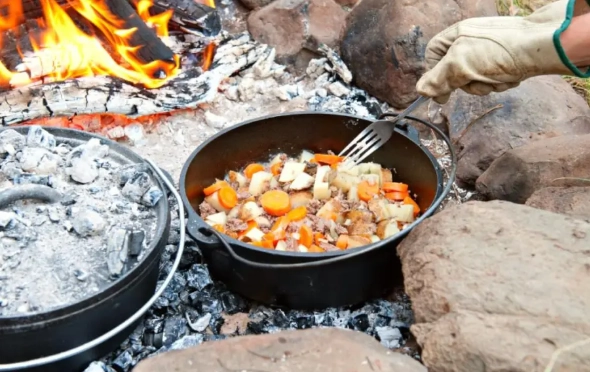
Common Mistakes Even Experienced Campers Make
Here's a non-obvious one: using too many coals. Beginners often pile on coals, thinking more heat is better. But Dutch ovens work best with steady, moderate heat. Overheating can burn your food and damage the oven's seasoning. Another subtle error: not rotating the oven. Heat from coals isn't uniform, so every 15 minutes, give the oven a quarter turn to ensure even cooking. Most guides don't emphasize this enough, but it makes a huge difference in texture and flavor.
Three Foolproof Dutch Oven Camping Recipes
1. Campfire Chili: Brown ground beef, add beans, tomatoes, spices, and simmer for 90 minutes. Serve with cornbread baked in the Dutch oven.
2. Dutch Oven Bread: Mix flour, yeast, water, salt; let rise overnight; bake with coals for 30 minutes. Perfect with stew or as a side.
3. Apple Cobbler: Layer sliced apples, sprinkle with cinnamon and sugar, top with biscuit dough, and bake until golden. A classic dessert that feels like home.
Cleaning and Maintenance: Keep Your Oven in Top Shape
After cooking, let the oven cool slightly. Use hot water and a brush to scrub—no soap, as it can strip the seasoning. Dry thoroughly, then apply a thin layer of oil to prevent rust. Store in a dry place to avoid moisture buildup. I've seen ovens ruined by improper storage, so take this step seriously.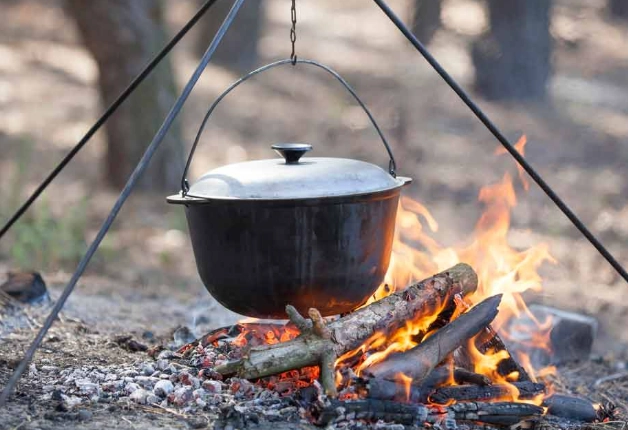
Frequently Asked Questions
Dutch oven camping might seem daunting at first, but once you get the hang of it, you'll wonder how you ever camped without it. It turns meals into events and campsites into kitchens. Give it a try on your next trip—start with a simple recipe, and you'll be hooked.