Quick Navigation
- Why Bother with Forest Camping Anyway?
- Step One: The Plan (Where, When, and How)
- Your Forest Camping Gear: The Non-Negotiables
- Mastering Camp Life: From Setup to Smores
- Safety: The Unsexy, Must-Read Part
- Leave No Trace: It's a Promise, Not a Suggestion
- Answering Your Real Questions (The FAQ)
- Wrapping It Up: Your Next Step
Let's be honest. Scrolling through pictures of perfect forest camping trips can be intimidating. The flawless tents, the smiling faces, the serene lakes—it all looks amazing, but it doesn't show the part where you can't find a flat spot for your tent or when the mosquitoes decide you're the main course. I've been there. My first solo forest camping trip was a comedy of errors that taught me more than any glossy guide ever could.
That's why this isn't just another list of gear. This is a conversation from someone who's gotten lost (briefly), been too cold (more than once), and has finally figured out how to make a forest camping trip feel less like a survival challenge and more like the recharge you actually need. We're cutting through the Instagram filter and talking about the real stuff.
The Core Idea: Forest camping is about immersion. It's trading screen time for sunlight filtering through leaves, swapping traffic noise for bird calls. It's not always comfortable, but it's almost always worth it. The goal here is to equip you with the know-how to make your trip safe, enjoyable, and deeply satisfying.
Why Bother with Forest Camping Anyway?
You could just go to a campground with power hookups and a shower block. So why trek into the woods? The benefits are less about fancy amenities and more about what you leave behind.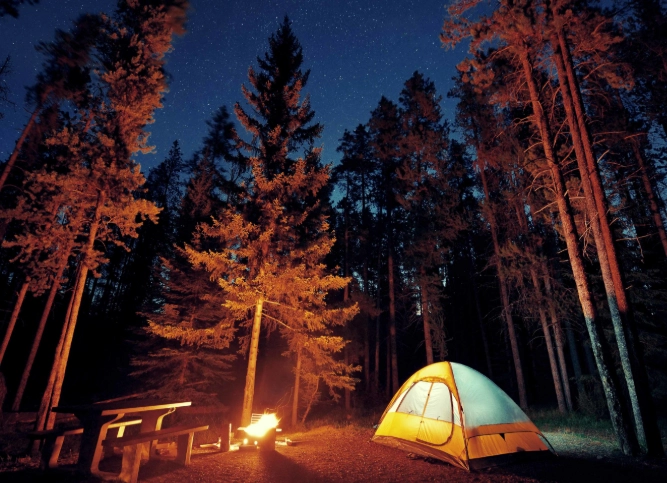
It's a forced digital detox. No signal often means no choice but to be present. The mental clutter starts to fade after the first day. You notice small things—the pattern of moss on a log, the way the light changes in the evening. There's also a unique sense of accomplishment that comes from meeting your own basic needs: building a safe fire, cooking a meal over it, and settling in as the forest gets dark.
Of course, it's not all zen. It can be buggy, damp, and you might hear strange noises at night. But even those things become part of the story. The challenge is part of the reward.
Step One: The Plan (Where, When, and How)
Jumping in your car with a tent and a hopeful spirit is a recipe for stress. A little planning turns potential chaos into a smooth adventure.
Finding Your Spot: Dispersed vs. Designated
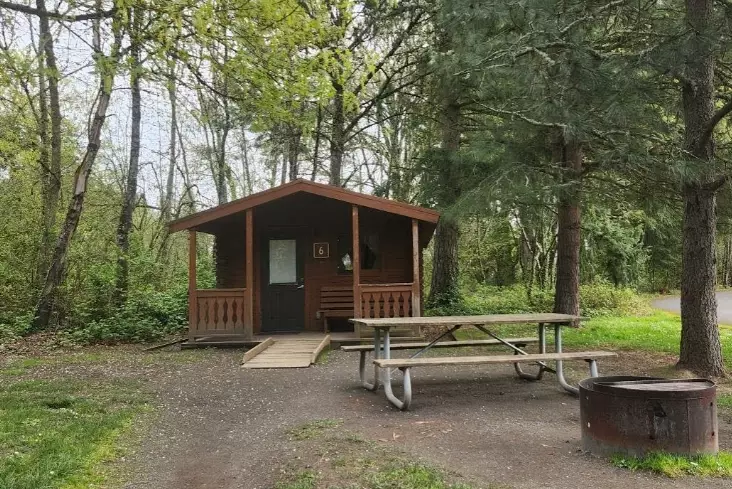
This is the first big decision. Designated forest campgrounds (often run by the U.S. Forest Service or other agencies) have defined sites, maybe a fire ring, and sometimes a pit toilet. They're easier for beginners. Dispersed camping (also called wild or backcountry camping) means finding your own spot in a permitted area of a national forest or on Bureau of Land Management (BLM) land. It offers more solitude but requires more skill and responsibility.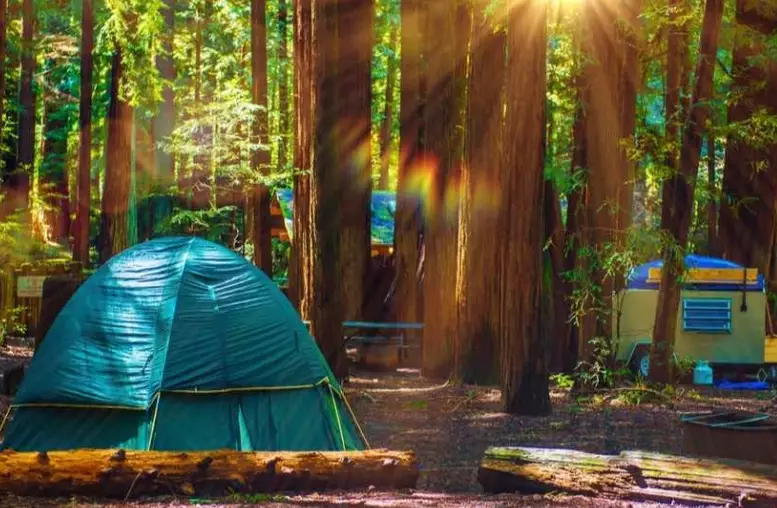
My advice? Start with a designated site for your first few trips. Get your bearings. Then, once you're confident with your gear and leave-no-trace principles, venture into dispersed forest camping. The solitude you find there is unmatched.
A Lesson Learned: I once picked a dispersed site that looked perfect on a map. What the map didn't show was that it was on a slight slope. I spent the whole night slowly sliding into the side of my tent. Always scout your ground in person!
Timing is Everything
Summer seems obvious, but it can mean crowds, heat, and bugs. Early fall is my secret weapon—fewer people, fewer bugs, and stunning colors. Spring can be magical but wet and muddy. Always, and I mean always, check the weather forecast for the specific area right before you go. Mountain weather is notoriously fickle.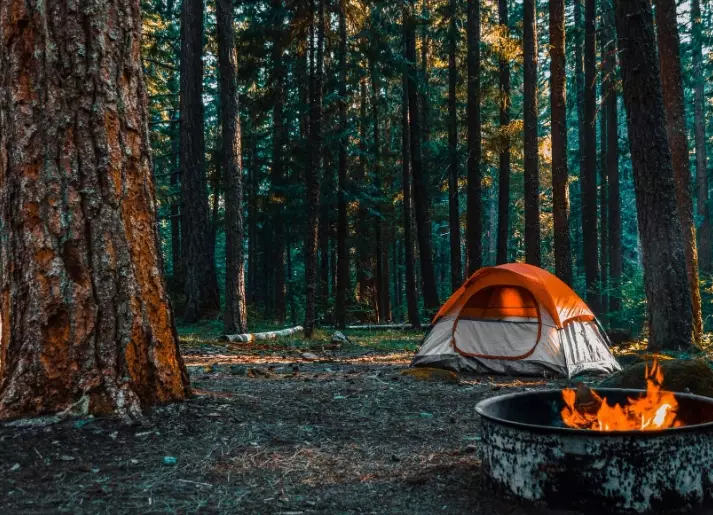
The Paperwork: Permits and Rules
This is the boring but critical part. Many national forests require a permit or a pass for parking, especially for overnight stays. Some popular areas have limited permits to protect the environment. Do not skip this step. The website for the specific national forest you're targeting (like the Arapaho & Roosevelt National Forests or the White River National Forest) is your bible for current rules, fire restrictions, and permit requirements. Ignorance will not save you from a fine.
Your Forest Camping Gear: The Non-Negotiables
You don't need the most expensive stuff. You need the right, reliable stuff. Here’s a breakdown of what actually matters, based on keeping you dry, warm, fed, and safe.
| Category | Essential Item | Why It Matters & Pro Tip |
|---|---|---|
| Shelter & Sleep | 3-Season Tent, Sleeping Bag, Pad | A good rainfly is worth its weight in gold. Your sleeping pad is for insulation from the cold ground as much as for comfort. Rate your bag for temperatures colder than you expect. |
| Kitchen | Stove, Fuel, Pot, Utensils, Water System | A compact backpacking stove is safest. Never cook in your tent. For water, use a filtration system (like a Sawyer Squeeze or pump filter) or purification tablets. Assume all natural water needs treatment. |
| Clothing | Layers (Base, Insulating, Shell), Sturdy Boots | Cotton kills—it holds moisture. Stick to wool or synthetics. A waterproof shell and extra socks are lifesavers. Break your boots in before the trip. |
| Tools & Safety | Headlamp, Knife/Multi-tool, First-Aid Kit, Map & Compass | Test your headlamp. A basic first-aid kit should include blister care. Your phone GPS is a backup, not a primary. Know how to read a topographic map. |
| Extras | Fire Starter, Duct Tape, Paracord, Trash Bags | The MacGyver kit. Duct tape can fix a torn tent, paracord is endlessly useful, and heavy-duty trash bags are for packing out ALL your waste. |
See? It's not an endless list. It's a focused one. Packing for forest camping is about anticipating needs, not bringing your entire garage.
Gear Trap to Avoid: Don't get sucked into buying a giant, heavy "car camping" tent for a true forest trip where you might have to walk a bit from your car. Weight and packability suddenly become very important. A 4-person dome tent from a big-box store might be cheap, but it's a nightmare to carry and set up on uneven ground.
Mastering Camp Life: From Setup to Smores
You've arrived. The car is parked, the air smells like pine. Now what?
Setting Up Camp Like a Pro
Look for a level, high spot that's already clear of vegetation—using existing impacted sites is best for the environment. Avoid setting up right next to water sources (follow the 200-foot rule to protect them). Check overhead for dead branches ("widowmakers") that could fall. Pitch your tent with the door facing away from the prevailing wind. Before you do anything else, set up your shelter. Weather can change in an instant.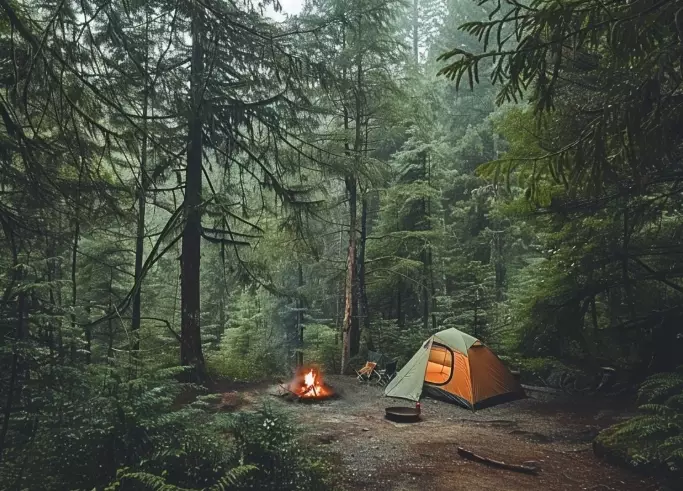
The Art of the Campfire (If You Can Have One)
Always, always check current fire restrictions. Drought conditions often mean total fire bans. If fires are allowed, use an existing fire ring. Keep it small. Your fire should be for warmth and ambiance, not a bonfire. Gather only dead and downed wood you can break by hand. Never leave a fire unattended, and drown it with water until it's cool to the touch. I mean, stir the ashes and feel for heat. A single ember can start a forest fire.
Food and Critters
This is huge. You are in their house. Store all food, trash, toiletries, and anything with a scent (yes, even toothpaste) in a bear-resistant container or hang it properly in a bear bag between two trees, at least 10 feet off the ground and 4 feet from the trunk. Do this even if you don't think there are bears. Raccoons, mice, and squirrels are brilliant, persistent thieves who will chew through your tent for a snack. Cook and eat away from your sleeping area.
Safety: The Unsexy, Must-Read Part
Let's talk about the "what-ifs" so you can relax and enjoy the "what-is."
Wildlife: Make noise while hiking to avoid surprising animals. Give all wildlife a massive amount of space. If you see a bear, do not run. Speak calmly, back away slowly. Carry bear spray in known bear country and know how to use it. Most animal encounters are peaceful if you don't act like food or a threat.
Getting Lost: Tell someone your exact plans and when you'll be back. Carry a physical map and compass and know the basics. A personal locator beacon (PLB) or satellite messenger is a wise investment for remote forest camping. If you do get lost, STOP. Stay put, shelter, signal.
Weather: Hypothermia can happen even in mild temperatures if you're wet. Get out of wet clothes. Lightning is a serious threat in the mountains. Avoid ridges and open fields during storms.
Simple Safety Win: When you arrive, take a photo of the trailhead map and info board with your phone. Even if your battery dies later, you have a static image of the area map and emergency contact numbers.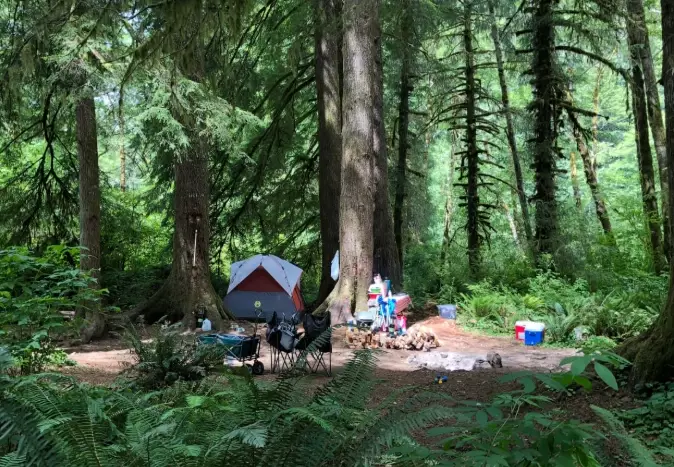
Leave No Trace: It's a Promise, Not a Suggestion
This is the sacred contract of forest camping. The goal is to leave the site looking untouched, so the next person gets the same magic you did.
- Plan Ahead & Prepare: We covered this. It prevents problems.
- Travel & Camp on Durable Surfaces: Stick to trails and existing campsites.
- Dispose of Waste Properly: Pack out all trash, including food scraps and toilet paper. For human waste, dig a cathole 6-8 inches deep at least 200 feet from water, trails, and camp. Cover it completely.
- Leave What You Find: That pretty rock or cool antler stays. Take only pictures.
- Minimize Campfire Impacts: Use a stove. If you have a fire, keep it small and use existing rings.
- Respect Wildlife: Observe from a distance. Never feed them.
- Be Considerate of Other Visitors: Keep noise down. Let the natural sounds prevail.
It's simple respect. Following these principles is what keeps our forests wild and available for true forest camping adventures.
Answering Your Real Questions (The FAQ)
These are the things you actually google at 2 a.m. while planning.
What's the best season for forest camping?
Late spring through early fall is the general window, but it varies by elevation. Late September to early October is my personal favorite for lower crowds and bugs. Avoid peak summer holidays if you dislike crowds.
I'm a total beginner. How do I not mess this up?
Start simple. Choose a developed forest service campground for 1 or 2 nights. Go with a friend who has some experience. Test all your gear in your backyard first. Your goal for the first trip is just to sleep outside successfully. Don't try to hike 10 miles and cook a gourmet meal.
How do I find good, legal dispersed camping spots?
Start with the Motor Vehicle Use Maps (MVUMs) published by the national forest. These free maps show exactly which forest roads are open and where dispersed camping is permitted. Call the local ranger district office—they are often happy to give suggestions.
What if there's no bathroom?
You'll be using the great outdoors. Follow the cathole method described above. Bring a small trowel, biodegradable toilet paper (pack it out in a zip-lock bag), and hand sanitizer. It's not glamorous, but it's part of the deal.
Is forest camping safe with kids?
Absolutely, and it's a fantastic experience for them. Just adjust expectations. Pick a site very close to your car. Plan easy, fun activities like scavenger hunts. Bring familiar comfort foods. Make it an adventure, not an endurance test.
How do I deal with rain?
Embrace it. A good rainfly and a small tarp to create a "living room" outside your tent are game-changers. Pack everything inside your pack in waterproof stuff sacks or plastic bags. Have dry clothes sealed and ready for sleeping. A rainy day in the forest has its own cozy, peaceful charm.
Wrapping It Up: Your Next Step
Forest camping isn't about having all the right gear or knowing all the skills right away. It's about wanting to try. It's about accepting that you might be a little uncomfortable, but you'll also see stars you can't see from home, hear silence so deep it has a sound, and wake up to something other than an alarm clock.
The best way to learn is to go. Start small, be prepared, and be respectful. The forest has been there a long time. It's ready for you when you are.
Final Thought: My most memorable forest camping trip wasn't the one with perfect weather. It was the one where it rained all night, and I huddled in my tent listening to the drumming on the rainfly. In the morning, everything was dripping and green and alive, and the world felt completely new. That's the gift. Go find yours.