Let's cut to the chase. There's no single, simple answer to "In what states is car camping legal?" because it's not a state-level yes/no switch. The legality of sleeping in your car overnight depends on a messy mix of state laws, county ordinances, city rules, and who owns the land you're parked on. A blanket statement like "it's legal in Utah" is almost useless if you're parked on a residential street in Salt Lake City versus a Bureau of Land Management (BLM) road in the desert.
What most people are really asking is: Where can I pull over, sleep safely, and not get a knock on my window from law enforcement at 3 AM? This guide breaks down the real-world rules, from public lands to Walmart parking lots, so you can plan your road trip or adventure without the stress of an unexpected fine.
What's in this guide?
The Truth About State Laws
Most states don't have a law that explicitly says "sleeping in your car is illegal." Instead, they have laws against loitering, trespassing, or overnight parking in specific areas. The enforcement is almost always local. A state highway patrol officer is less likely to care about you sleeping at a highway rest area than a city police officer patrolling a neighborhood.
We can categorize states by their general posture and the availability of legal public land for dispersed camping (camping outside designated campgrounds).
| Category | General Description | Key States (Examples) | What to Know |
|---|---|---|---|
| Most Permissive | Vast amounts of federal public land (BLM, National Forest) where dispersed car camping is generally allowed. | Nevada, Utah, Arizona, Wyoming, Idaho, Montana, New Mexico, Oregon (east), Washington (east) | The rule here is often "unless posted otherwise." You still must follow land manager rules (e.g., distance from water, stay limits). Always check the specific forest or district. |
| Mixed / Grey Area | Some public land, but more restrictive local ordinances, especially in coastal or densely populated areas. | California, Colorado, Washington (west), Oregon (west), Texas, Florida | California has great National Forest camping, but many coastal cities have strict bans. Texas has little federal land; legality hinges on private property permission or specific rest area rules. |
| Most Restrictive | Limited federal land, strong local enforcement against overnight parking in vehicles. | Most Northeastern states (NY, NJ, CT, MA, RI), Illinois, Indiana, Ohio | Your options here are primarily private property (with permission), paid campgrounds, or 24-hour businesses like truck stops. State park rules vary. |
Pro Tip: Stop thinking in terms of "state legality." Start thinking: "Who manages this patch of dirt, and what are their rules?" Is it the U.S. Forest Service? The Bureau of Land Management? The City of Portland? The owner of this Cracker Barrel? That's the question that matters.
Your Best Bet: Public Lands
For free, legal, and often scenic car camping, federal public lands are the gold standard in the United States. Here’s how the major agencies work.
National Forests & Grasslands (USFS)
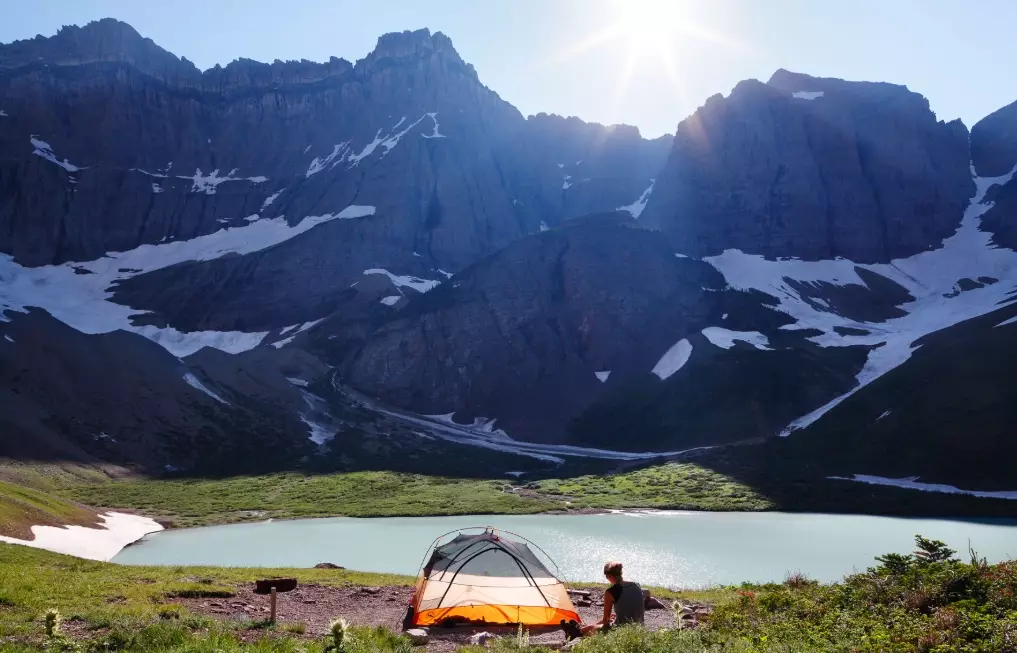
This is your most reliable resource. The U.S. Forest Service generally allows dispersed camping anywhere unless specifically prohibited. You can't just park next to a visitor center, but you can often drive down a forest service road and find a pullout.
How to find spots: Go to the website for the specific National Forest (e.g., White River National Forest). Look for "Dispersed Camping" info. They list rules like: stay 100-200 feet from water, 14-day stay limit, no camping in developed recreation areas. A physical forest service map is invaluable. I’ve found incredible spots in Colorado's Arapaho National Forest just by driving Forest Road 111.
Bureau of Land Management (BLM) Land
BLM land, prevalent in the western states, operates similarly. The default is that dispersed camping is allowed. Some areas near popular destinations (like Moab, UT) have more restrictions or designated dispersed sites.
Critical Check: Always verify if you're in a Long Term Visitor Area (LTVA) which requires a separate permit, or an area closed for habitat protection. The BLM website has state-specific resources.
National Park Service (NPS) & State Parks
Forget it. Sleeping in your car in a National Park or State Park parking lot is almost always prohibited unless you are in a designated campground (and even then, usually only in an actual campsite, not the parking area). Rangers will enforce this strictly. Your car is not a valid shelter in these places.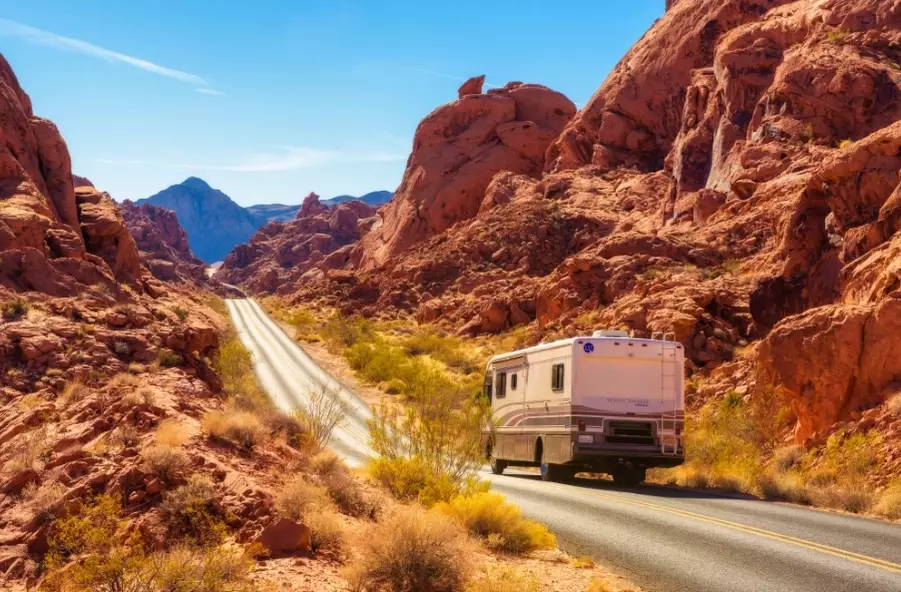
Rest Stops & Truck Stops
This is the classic road tripper's dilemma. Rules vary wildly by state.
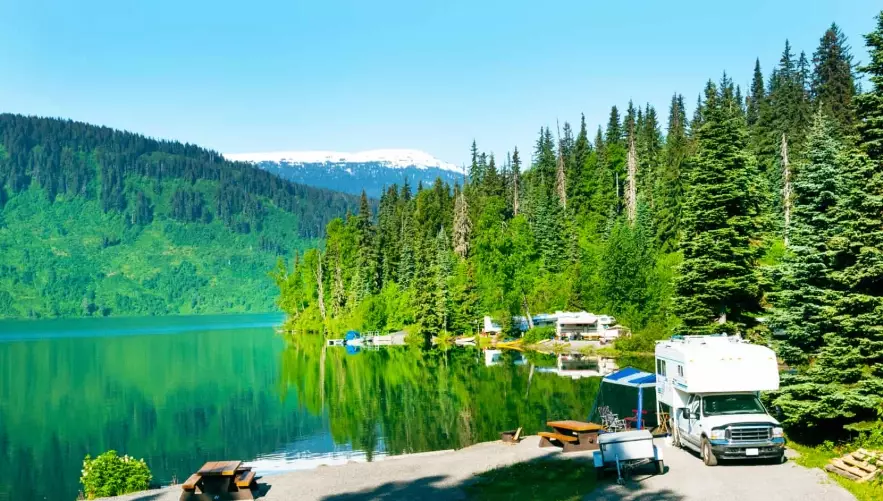
- State-Operated Rest Areas: Some states explicitly allow overnight parking/sleeping (often with a time limit, like 8-10 hours). Examples include Texas, Kansas, and many states along I-80 in the west. Others, like California, Virginia, and most of the northeast, prohibit it. Signs at the entrance will tell you. If it says "No Overnight Parking," they mean it.
- Truck Stops (Love's, Pilot, Flying J): These are privately owned and generally welcome overnighters. It's an unspoken rule. The etiquette is to park in the designated RV/truck parking area, not by the fuel pumps, and to go inside and spend a little money—buy a coffee, a shower, some snacks. It's safe, well-lit, and you're surrounded by other people doing the same thing.
Private Property: Stores & Casinos
This is all about explicit or implicit permission.
- Walmart: The legend is true, but it's dying. While Walmart's corporate policy historically allowed overnight RV parking, they've left it to individual store managers due to local ordinances. Always, always go inside and ask the manager. Assume it's a "no" until you get a "yes." In many cities, it's now prohibited.
- Cracker Barrel, Cabela's, Bass Pro Shops: These often have policies friendly to RVs. Again, ask. Park discreetly.
- Casinos: If you're near one, they are often fantastic options. They want you inside gambling, so they rarely mind you sleeping in their lot. They have security, lights, and sometimes even free RV parking with hookups.
The universal rule for private property: Be invisible isn't enough. Be a quiet, respectful, and transient guest. Don't set up camp—no chairs, no awnings. Arrive late, leave early.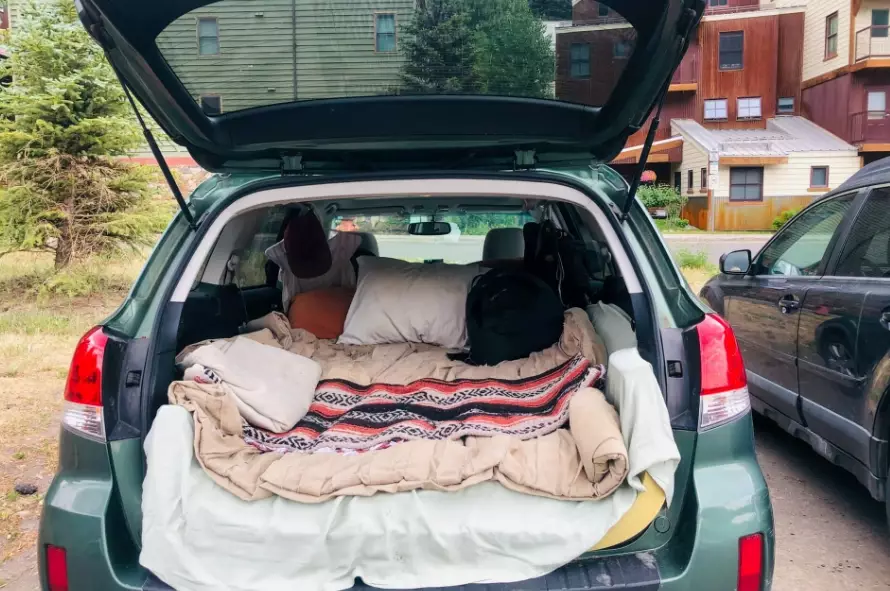
How to Plan a Safe Overnight Spot: A Step-by-Step Guide
- Research Your Route: Before you hit the road, identify potential public land corridors (National Forests, BLM areas) using apps like iOverlander or websites like FreeCampsites.net. These are crowd-sourced and show recent confirmations.
- Have a Primary and Backup: Your ideal spot might be full or gated. Always know your next option within 30-50 miles.
- Check Local Ordinances: If you're considering an urban area, Google "[City Name] overnight parking ordinance." You'll often find the municipal code.
- Arrive Prepared: Have window covers for privacy. Park legally and level. Keep your registration and insurance handy.
- The Knock Test: If law enforcement knocks, be polite, calm, and honest. "Officer, I was feeling too tired to drive safely, so I pulled over here to sleep. I'll be leaving first thing in the morning." This is almost always better than pretending you weren't sleeping.
Lessons from the Road: A Personal Take
I've slept in my Subaru from Maine to Washington. The one time I got a warning was in a small Oregon coastal town. I thought I was being clever parking in a scenic overlook. The sign said "No Camping," and I figured, "I'm not camping, I'm sleeping." The police officer kindly explained that in that town, "camping" included sleeping in a vehicle. It was a $150 lesson learned for being lazy with my research.
Conversely, some of my best nights were on BLM land outside Tucson, staring at a sky full of stars for free. The freedom is incredible, but it's not a free-for-all. The biggest mistake I see new car campers make is assuming what worked in one state will work in another, or not understanding the hierarchy of land management. A National Forest trumps a city ordinance within its boundaries, but you have to be within its boundaries.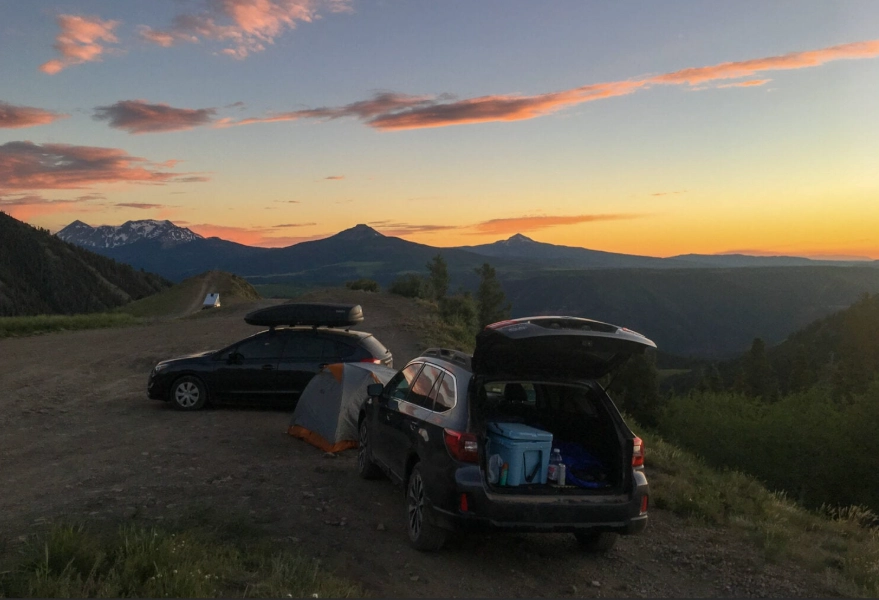
Your Car Camping Questions Answered
 Are there apps that show where car camping is legal in real-time?