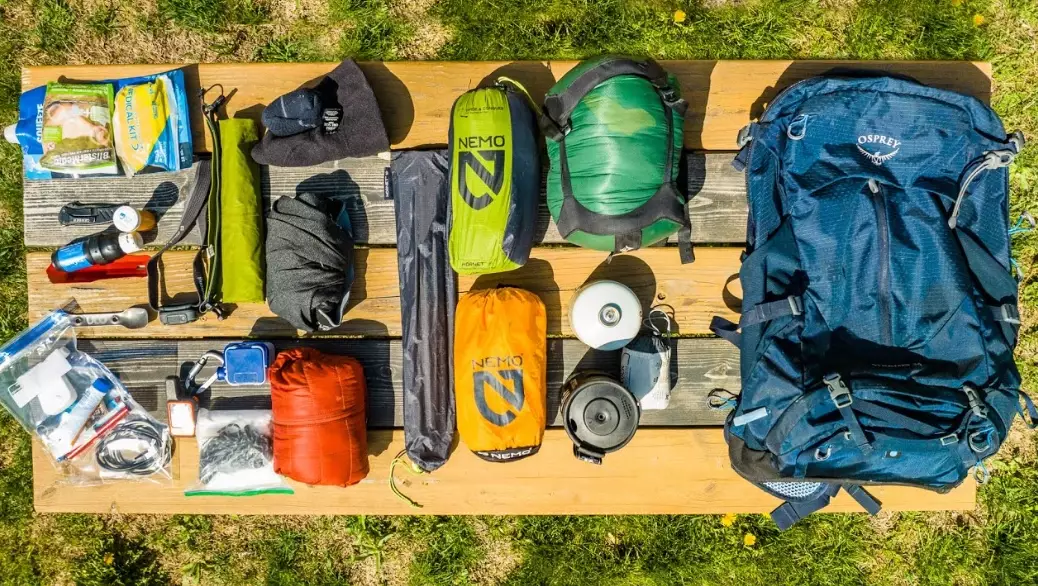
Let's get one thing straight. Arizona camping isn't just about the Grand Canyon, though that's a heck of a place to start. It's about the quiet that hits you in the high desert at night, the way the light paints the red rocks of Sedona at dawn, and the shock of finding a pine forest at 7,000 feet after driving through cactus flats. I've spent over a decade chasing those moments here, from forgotten Bureau of Land Management (BLM) parcels to booked-solid national park sites. This guide cuts through the postcard views to give you the real deal—where to go, what to bring, and how to not just survive, but truly enjoy camping in Arizona's wildly diverse landscapes.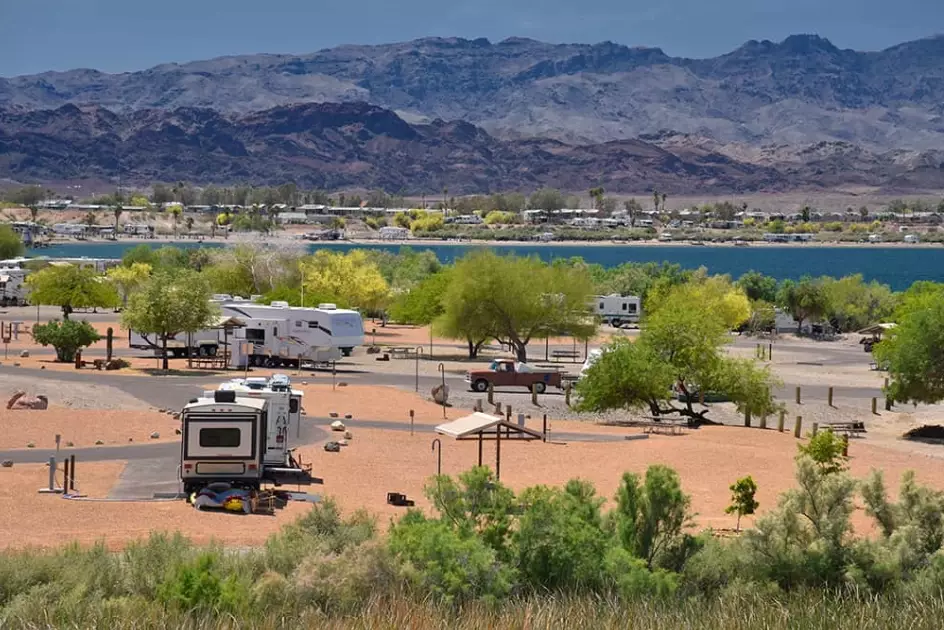
Your Camping Trip Roadmap
Why Arizona is a Camper's Dream (and Challenge)
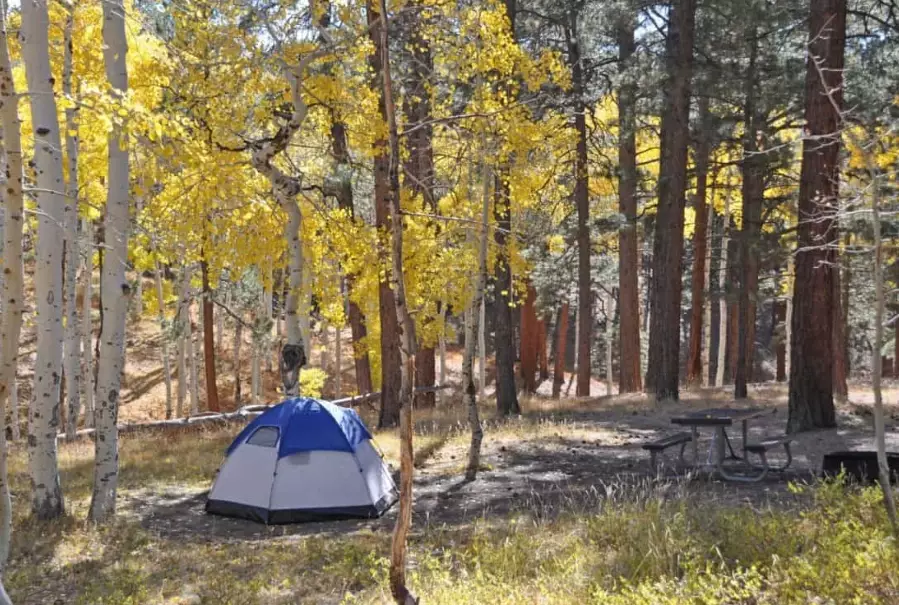
You get two states in one. Down south, it's the iconic Sonoran Desert—hot, dry, and dotted with saguaros. Head north or up in elevation, and you're in the cooler, forested Colorado Plateau or the White Mountains. This means your camping season depends entirely on your location. Winter is prime time for low-desert camping near Phoenix or Tucson. Summer? You'll want to be in Flagstaff or the mountains.
The challenge, and the thing most blogs gloss over, is the extreme swing in conditions. A sunny 75°F (24°C) afternoon in the spring can drop to a freezing 35°F (2°C) at night. In the desert, shade is a precious commodity. Water sources are often non-existent. And the sun is relentless.
But the rewards? Unbeatable. Some of the darkest night skies in the lower 48. Landscapes that look photoshopped but are 100% real. And a sense of space that's getting harder to find.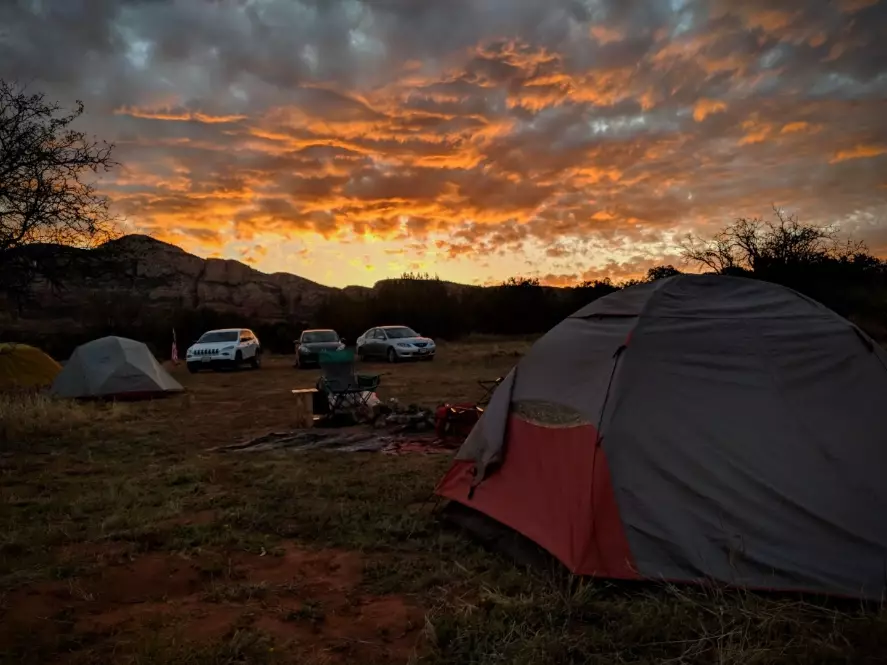
Top Arizona Camping Spots: From Icons to Hidden Gems
Forget generic lists. Here's a breakdown of real places, with the specifics you need to decide.
| Campground / Area | Location & Vibe | Best Season | Cost & Booking | The Real Scoop |
|---|---|---|---|---|
| Mather Campground (Grand Canyon South Rim) | Inside Grand Canyon National Park. Forested sites, walking distance to rim views. | Spring, Fall, Summer. Winter is cold but open. | ~$18-$35/night. Recreation.gov. Book 6+ months ahead for summer. | The classic for a reason. No hookups, but you're there. Gets crowded. North Rim (open seasonally) is quieter. |
| Dispersed Camping near Sedona | Forest Roads (FR) 525, 9545 in Coconino National Forest. Red rock views, no facilities. | Spring, Fall. Summer can be hot. | Free. First-come, first-served. No permit needed for stays | My go-to for Sedona access without the resort price tag. Pack out ALL trash. Finding a good spot Friday afternoon is a battle. |
| Lost Dutchman State Park | East of Phoenix, at the base of the Superstition Mountains. | Late Oct - April. Avoid summer. | ~$25-$35/nitch. Reserve on AZ State Parks site. | Incredible sunset views over the cliffs. Easy access from Phoenix. Sites are close together, not for solitude-seekers. |
| Monument Valley Tribal Park | Navajo Nation. The view you've seen in every Western movie. | Spring & Fall. Winters are cold, summers hot. | ~$20-$45/night. Book directly with park. Cash often preferred. | A spiritual experience. Respect it. Facilities are basic. You're paying for a front-row seat to one of Earth's great wonders. |
| Bonita Canyon (Chiricahua National Monument) | Southeastern AZ. "Wonderland of Rocks"—think hoodoos and balanced rocks. | Year-round, but spring and fall are ideal. | ~$20/night. First-come, first-served. Often has space. | A hidden gem most skip. Small, quiet campground. Amazing birding and hiking right from your site. |
Don't overlook Bureau of Land Management (BLM) land. Vast stretches, like around Lake Havasu or south of Tucson, offer free, dispersed camping. The rule is usually "camp 300 feet from any water source, pack out everything, and stay no more than 14 days." A good map is essential.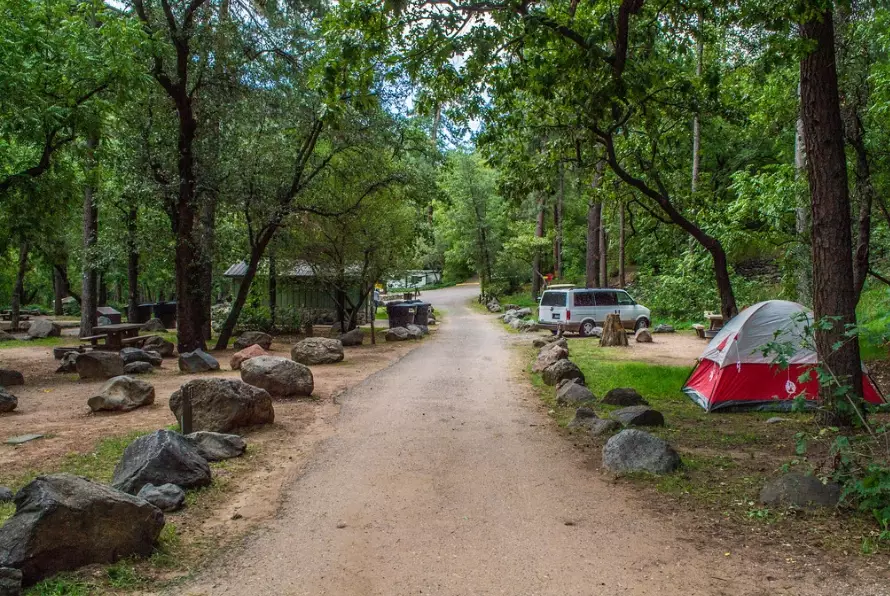
Your Arizona-Specific Camping Gear Checklist
Your standard gear list needs serious tweaks for Arizona. Here’s what most people get wrong.
Non-Negotiables for Desert & Sun
Water. Then More Water. The Arizona Department of Health Services recommends a minimum of one gallon per person, per day, just for drinking. Double that if you're active. I carry two 7-gallon jugs plus our drinking bottles for two people on a weekend trip. A common mistake is relying on a campground having potable water—many don't, especially dispersed sites.
Serious Sun Protection. A flimsy baseball cap won't cut it. You need a wide-brimmed hat, UPF-rated long-sleeve shirt, and sunglasses. I prefer a neck gaiter for multi-purpose use. Sunscreen is a given, but the clothing is your first line of defense.
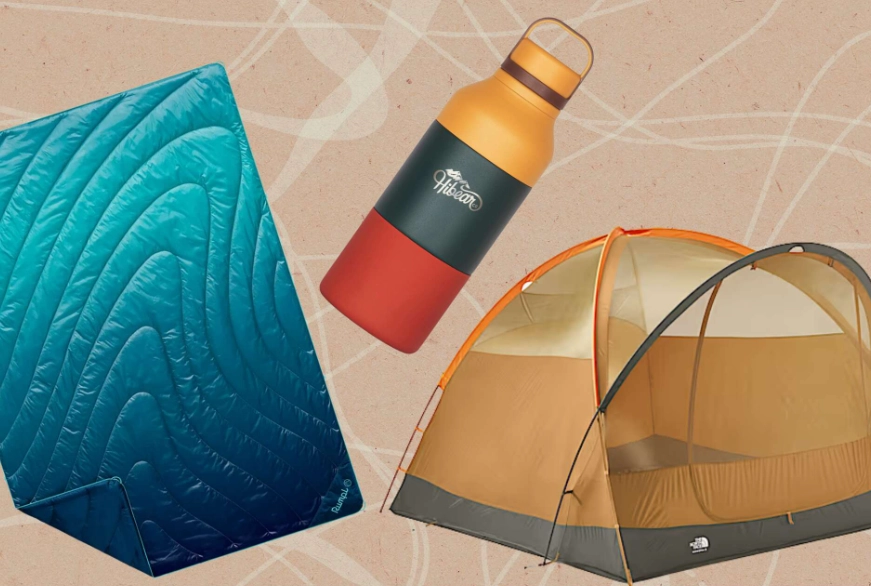
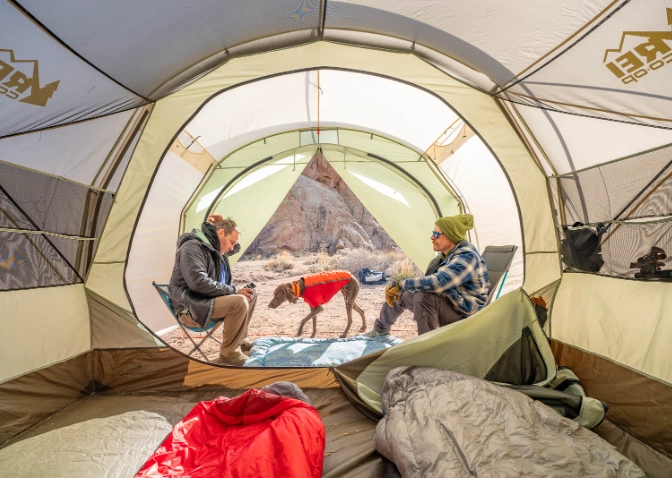
Shelter with Ventilation. A tent with lots of mesh is key. A rainfly that can be pitched high for airflow or low for wind is ideal. A standalone sun shelter or tarp to create midday shade is a game-changer. I've spent many afternoons reading in my camp chair under a simple tarp while others baked in their tents.
The Temperature Swing Kit
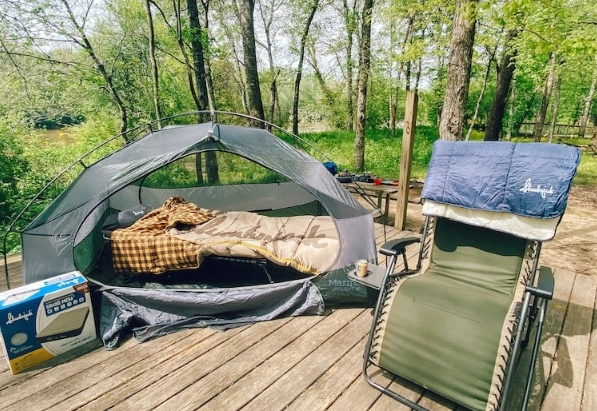
Your sleeping bag rating is for survival, not comfort. If the forecast low is 40°F (4°C), bring a bag rated for 20°F (-7°C). A sleeping pad with a high R-value (insulation) is just as important as the bag. Pack layers—a lightweight puffy jacket and thermal leggings are in my bag year-round.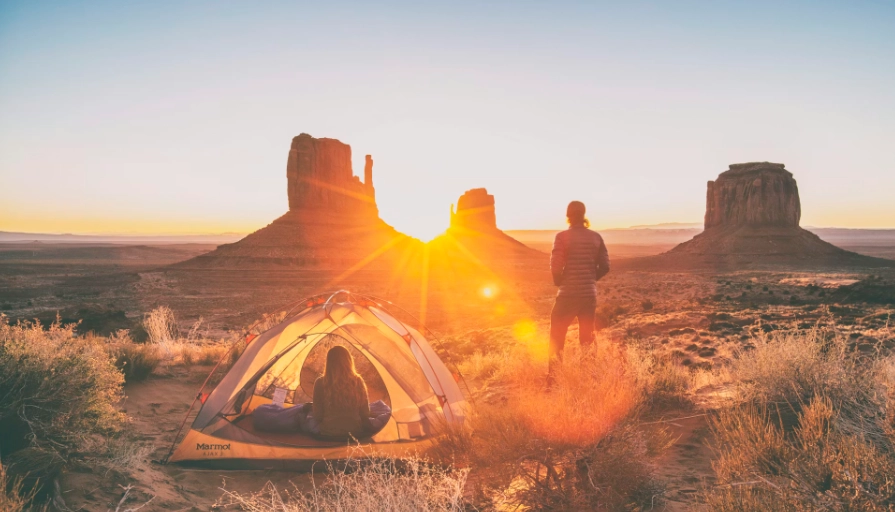
Planning Your Arizona Camping Trip: A Step-by-Step Guide
1. Pick Your Season & Zone. Decide: Desert (Oct-Apr) or Highlands/Forests (May-Sept)? This choice dictates everything.
2. Secure Your Spot. For popular places (Grand Canyon, Sedona campgrounds), booking the minute reservations open is not an exaggeration. For dispersed areas, have a backup plan. I always scout a primary and secondary zone on Google Maps satellite view.
3. Check the Rules. Fire restrictions are common, especially in summer. Many areas ban open fires entirely, allowing only propane stoves. Check with the managing agency (Forest Service, BLM, Park Service) before you go. The Arizona Interagency Fire Restrictions page is a good resource.
4. Plan Your Route & Tell Someone. Cell service is a myth in most good camping areas. Download offline maps (Google Maps, Gaia GPS). Write down your planned location and expected return, and give it to a friend.
Pro Tips from a Decade on the Arizona Trail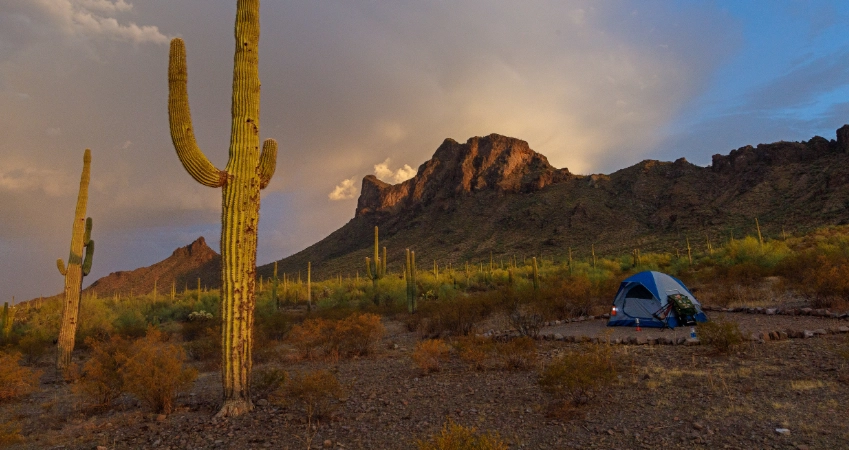
Embrace the Early Start. The best hiking and exploring happens at dawn. You'll beat the heat and the crowds. I'm usually on the trail by 6 AM in the desert.
Critter Consciousness. Scorpions and rattlesnakes are part of the ecosystem. Shake out your shoes in the morning. Use a flashlight at night. They want to avoid you as much as you want to avoid them. Don't leave food out—it attracts rodents, which attract snakes.
The "One Extra Day" Rule. Arizona's dirt roads can turn to soup with a sudden rainstorm. If you're venturing far off pavement, especially in monsoon season (July-Sept), have enough food, water, and fuel to stay an extra day if a wash gets flooded.
Respect is Everything. This is especially true on Navajo Nation and other tribal lands. Follow posted rules, don't wander off-trail into restricted areas, and support local businesses. Leave no trace isn't just a slogan; it's a necessity in these fragile environments.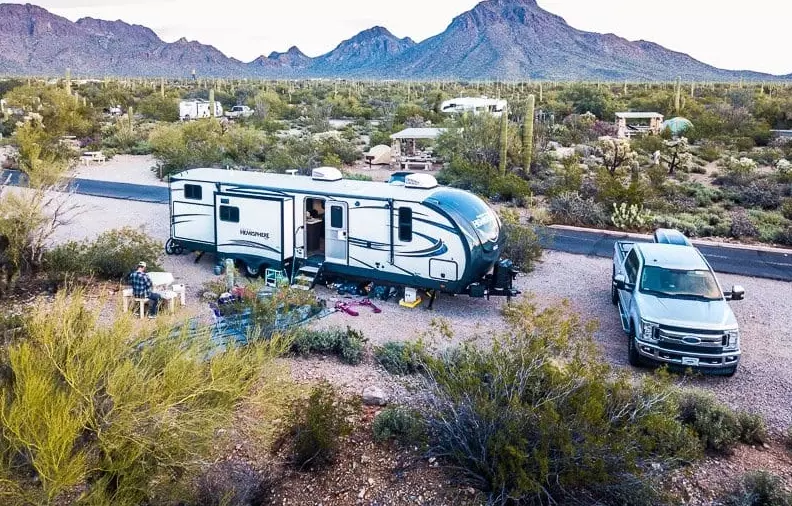
Your Arizona Camping Questions, Answered