Your Survival Toolkit
You know, I think a lot of people get this wrong. They see survival skills as something for hardcore preppers or TV survivalists eating bugs in the jungle. But honestly, it's way more basic than that. It's about a few simple things that can make the difference between a scary story you tell later and a real tragedy. So, let's cut through the noise and talk about what actually matters.
So, what are the 5 basic survival skills? Most experts agree they boil down to these five core areas: shelter, water, fire, food, and signaling. But it's not just a list. It's a mindset, a priority system. Your brain is your best tool, and panic is your worst enemy. Before we dive into the nitty-gritty, the real first skill is keeping your head on straight. Take a breath. Assess. Then act.
The order is crucial, and it's often called the "Rule of Threes." You can survive about 3 minutes without air, 3 hours without shelter in a harsh environment, 3 days without water, and 3 weeks without food. That immediately tells you where to focus first. See? It's already making sense.
Breaking Down the 5 Essential Survival Skills
Let's get into the meat of it. Each of these skills has layers—from the absolute beginner "just stay alive" level to more advanced techniques. We'll start with the foundations everyone should know.
Survival Skill 1: Shelter Building
This is almost always your top priority after ensuring you're safe from immediate danger (like a falling tree or a raging river). Exposure to wind, rain, cold, or sun can kill you far faster than thirst or hunger. A good shelter doesn't have to be a log cabin. It just has to keep you dry, out of the wind, and help retain your body heat.
Think about it. Hypothermia can set in even in temperatures above freezing if you're wet and windy. I've been uncomfortably cold in what should have been mild weather just because I was damp and the wind was relentless. It saps your energy and your willpower fast.
So what makes a good shelter?
- Location: Avoid low ground where cold air settles. Look for natural windbreaks like rock walls or thick stands of trees. Make sure you're not under dead branches ("widowmakers") or in a dry riverbed.
- Insulation: The ground will suck heat from you. Pile up leaves, pine needles, or dry grass to create a mattress at least a foot thick. It makes a shocking difference.
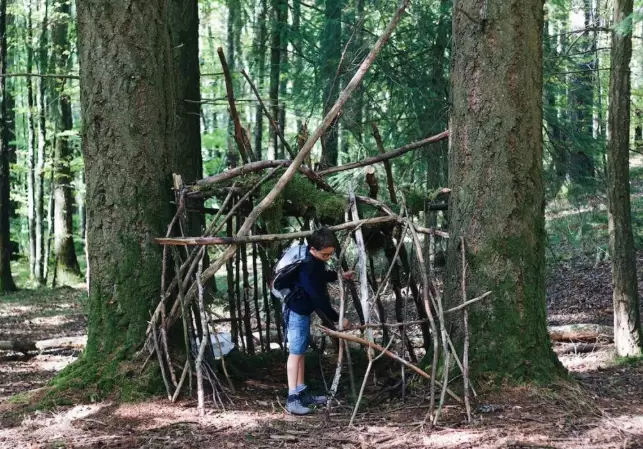
- Simplicity: A lean-to is the classic for a reason. Prop a long branch against a fallen log or between two trees, then layer smaller branches and foliage against it. The goal is to create a small, enclosed space that traps your body heat. Don't build a palace; build a cocoon.
If you have a space blanket or a large trash bag in your pack (and you really should), your job becomes infinitely easier. A trash bag can be an instant rain poncho or stuffed with leaves to become a sleeping bag. A space blanket reflects up to 90% of your radiated body heat back to you. They're cheap, light, and brilliant.
Survival Skill 2: Water Sourcing and Purification
You can feel thirst after just a few hours, and dehydration leads to headaches, confusion, and poor decision-making. In a survival scenario, bad decisions compound problems. Finding water is critical, but making it safe to drink is non-negotiable. Drinking contaminated water can cause vomiting and diarrhea, which will dehydrate you catastrophically fast.
Where do you find water? Look for the low points. Valleys, ravines, and the bases of mountains. Follow animal trails or bird flights at dawn and dusk—they need water too. In green vegetation, you might find morning dew you can soak up with a cloth. If you hear insects like mosquitoes or flies consistently, there's often water nearby.
Now, purification. You have a few main options:
- Boiling: The gold standard. A rolling boil for 1 minute (3 minutes at high altitude) kills virtually all pathogens. You need a fire and a container, which ties this skill directly to the next one.
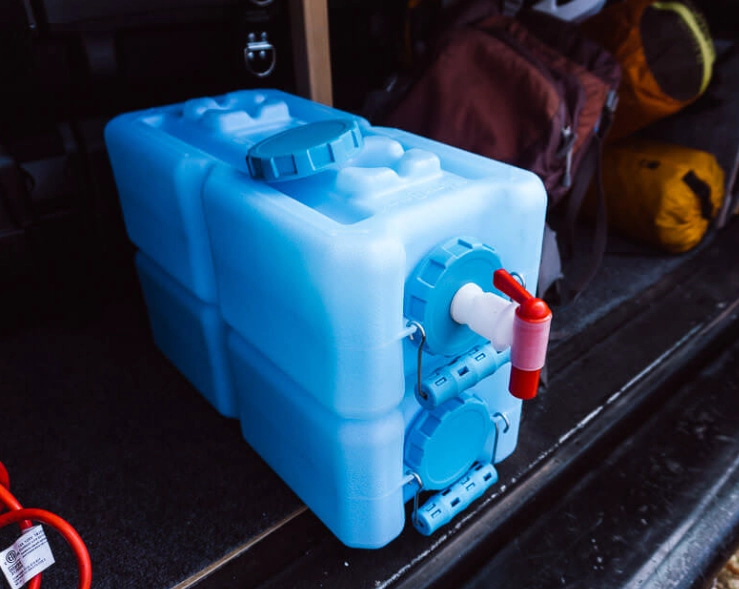
- Commercial Filters/Purifiers: A small portable filter is the best piece of gear you can carry. It's instant and effective against most bacteria and protozoa. Some also handle viruses. Do your research. I'm not a fan of the cheapest ones—they often clog or break when you need them most.
- Chemical Treatment: Iodine or chlorine dioxide tablets. They're lightweight and work, but they take time (often 30 minutes to 4 hours) and can leave a taste. Still, they're a fantastic backup.
- Solar Still (Advanced): Dig a hole, put a container in the center, cover it with clear plastic with a rock in the center. Condensation collects on the plastic and drips into the container. It's a lot of work for a little water, but in a desert scenario, it's knowledge that could save you.
The U.S. Army's survival manual, a surprisingly readable and practical resource, emphasizes water discipline and multiple purification methods. It's worth a look for its no-nonsense approach.
Survival Skill 3: Fire Craft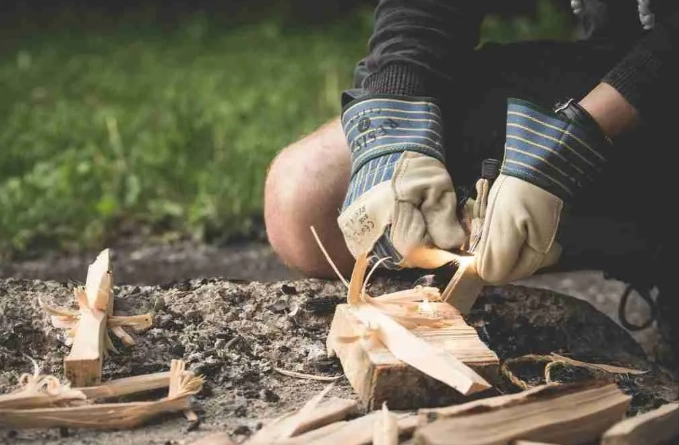
Fire is a game-changer. It provides warmth, light, a way to purify water, cook food, signal for help, and boost morale. The psychological boost of a fire on a dark, scary night is impossible to overstate. It turns a desperate situation into a manageable one.
But let's be real—starting a fire with damp materials or when you're cold and frustrated is hard. It's a skill that needs practice. The key is understanding the fire triangle: heat, fuel, and oxygen. You need all three, and you need to prepare.
Gather your materials BEFORE you strike the first spark. This is the step everyone skips.
You need three types of fuel:
- Tinder: Ultra-fine, fluffy, bone-dry material that will catch a spark or small flame. Think dry grass, birch bark, bird's nest fuzz, or even cotton balls rubbed with petroleum jelly (a great DIY fire starter).
- Kindling: Small twigs, from pencil-lead size up to pencil thickness. These feed the initial flame.
- Fuelwood: Larger branches and logs that will sustain the fire.
Starting methods? A butane lighter is king. Have a couple. A ferrocerium rod (ferro rod) is an excellent, nearly indestructible backup that throws hot sparks even when wet. Matches are good, but get the waterproof kind. Friction methods like bow drills? They're incredible to know for deep knowledge, but they're a last-resort, high-skill technique. Don't rely on learning them in the moment.
| Fire-Starting Method | Ease of Use | Reliability (When Wet) | Best For |
|---|---|---|---|
| Butane Lighter | Very Easy | Poor | Primary, everyday carry |
| Ferrocerium Rod | Moderate (needs practice) | Excellent | Critical backup, all conditions |
| Stormproof Matches | Easy | Good | Backup, windy conditions |
| Magnifying Glass | Easy (with sun) | Good (if dry) | Daytime, no-fuel option |
Protect your tinder and kindling from moisture. Keep it under your jacket or in a pocket. Build your fire in a sheltered spot, out of the wind. Start small and be patient, adding fuel gradually. A common failure is smothering the tiny fledgling flame with too much wood too soon.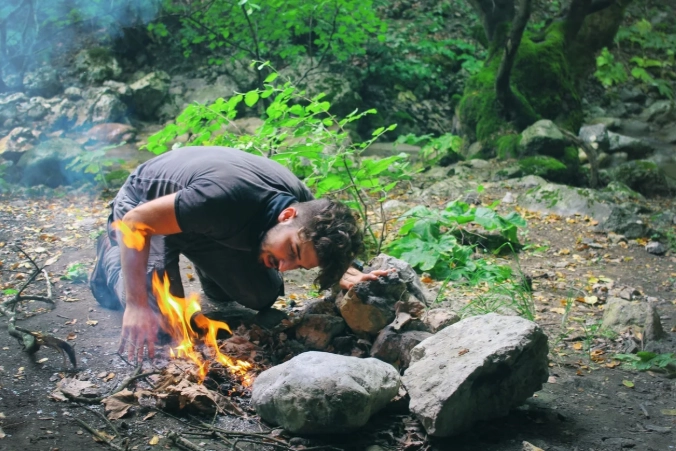
Survival Skill 4: Food Procurement
This one sits lower on the priority list for a reason. A healthy person has enough calories stored to last weeks. The stress of finding food often burns more calories than the food provides, especially if you don't know what you're doing. Your focus should first be on conserving energy, not expending it wildly on a food hunt.
That said, knowing a bit about wild edibles can provide a crucial morale and energy boost. The rule here is absolute, 100% positive identification. There are old foragers, and there are bold foragers, but there are no old, bold foragers. A mistake can be fatal.
Start with universal edibles if you're in North America, like:
- Cattails: The roots, shoots, and pollen are edible. They're often called the "supermarket of the swamp."
- Dandelions: The entire plant is edible—leaves (bitter when mature), roots, and flowers.
- Acorns: They need to be leached of their bitter tannins (soak or boil in multiple changes of water) to make a nutritious flour.
Trapping and hunting are high-skill, low-success-rate endeavors without proper tools. Simple snares can work for small game, but they require precise placement and knowledge of animal runs. Fishing with improvised hooks or spears is possible but time-consuming.
Honestly, in most short-term survival situations (which are the most common), you won't need to worry about food. Your energy is better spent on improving your shelter, securing water, and preparing signals. Food becomes critical in long-term scenarios, which is why it's on the list of the five basic survival skills, but it's not your day-one panic.
Survival Skill 5: Signaling for Help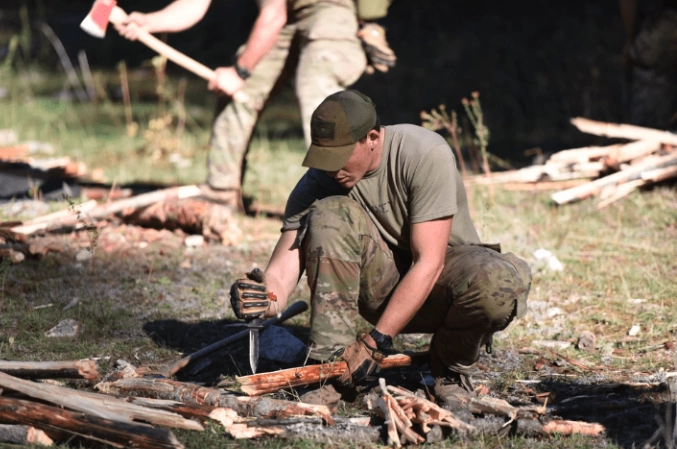
This is how you turn a survival ordeal into a rescue. You can be warm, hydrated, and fed, but if no one can find you, you're still in trouble. Signaling is about increasing your visibility to search parties, aircraft, or other people.
There are two main types: visual and auditory.
Visual Signals:
- Fire/Smoke: Three fires in a triangle is an internationally recognized distress signal. During the day, add green vegetation to a fire to create thick, white smoke. At night, a bright flame is visible for miles.
- Signal Mirror: A dedicated signal mirror (or even a CD, polished phone screen, or piece of metal) can flash sunlight up to 10 miles on a clear day. Aim the flash at the horizon or over aircraft—don't wait until it's directly overhead. The signal can be seen even if you can't hear the plane.
- Ground-to-Air Symbols: Use rocks, logs, or stamped snow to create large symbols (like a giant "X" or "SOS") in an open area. Make them at least 10 feet tall so they're visible from the air.
Auditory Signals:
- The universal distress signal is three of anything: three whistle blasts, three shouts, three gunshots (if you have a firearm), three flashes of light. Then pause and repeat. This pattern distinguishes you from random noise.
- A whistle carries much farther than your voice and takes less energy. Attach one to your pack or jacket zipper.
I think signaling is the most overlooked of the five basic survival skills. People hunker down and wait passively. You need to be active about your rescue. Create signals early and maintain them. The American Red Cross emphasizes in its wilderness first aid courses that early, clear signaling drastically improves rescue timelines.
How These 5 Skills Work Together: A Scenario
Let's say you're day hiking and twist your ankle badly. You can't walk out. Night is coming, and it's getting cool.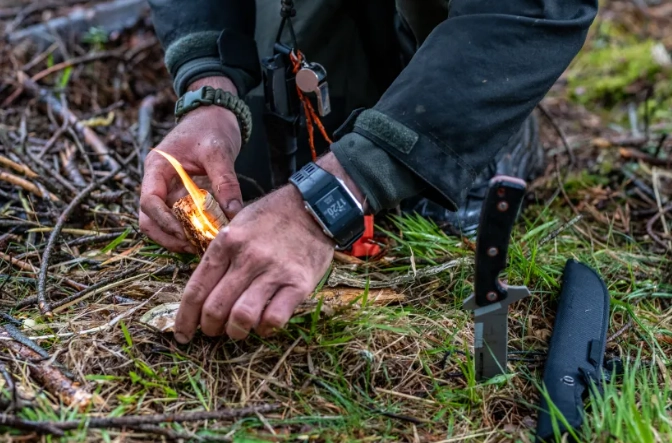
- Shelter First: You find a sheltered spot before you lose light or get too cold. You use branches and leaves to build a small lean-to and a thick bed of pine needles. You get out of the wind.
- Water: You heard a stream earlier. You hobble over (using a branch as a crutch) and fill your bottle. You use your fire steel to light a small fire to boil it, killing two birds with one stone—purifying water and starting a signal fire.
- Fire & Signaling: You build up your fire as it gets dark. You have your whistle ready. You've laid out bright-colored gear (a rain jacket, bandana) in a clearing nearby.
- Food & Mindset: You're hungry, but you snack on a small energy bar from your pack and focus on staying calm. You know you have time. You periodically give three loud whistle blasts.
See the flow? The skills aren't isolated tasks. They're interconnected responses that address your most pressing physiological needs in order. That's the real answer to "what are the 5 basic survival skills?"—it's a dynamic system for staying alive and getting found.
Common Questions People Actually Have
Let's tackle some stuff that doesn't always make it into the official manuals.
Wrapping This Up
Look, the world isn't out to get you. But stuff happens. A flat tire in a remote area, a wrong turn on a trail, a sudden storm. Knowing what are the 5 basic survival skills—shelter, water, fire, food, and signaling—gives you a framework to deal with it.
It's not about being paranoid. It's the opposite. It's about being prepared enough that you can relax and enjoy the adventure, knowing you have a plan. Start with the mindset. Then learn one skill at a time. Pack a few sensible items. You'll be surprised how empowering it feels.
And maybe you'll never need it. But if you do, you'll be really, really glad you took the time to figure it out.