Family camping trips should be about fun, connection, and creating memories, but too often they turn into a struggle against boredom or whining kids. I've been camping with my family for over a decade, and the secret isn't just picking a scenic spot—it's having a toolkit of engaging activities ready to go. Let's cut to the chase: the right family camping activities can transform a good trip into an epic adventure. In this guide, I'll share practical, tested ideas that cover everything from planning to execution, including some mistakes I've made so you don't have to.
What You'll Find Inside
How to Plan Your Family Camping Activities for Maximum Fun
Planning family camping activities isn't about scheduling every minute—it's about flexibility with a backbone of good ideas. Start by considering your group's dynamics. Are your kids toddlers who need constant stimulation, or teens who might roll their eyes at anything "uncool"? I learned this the hard way on a trip where I packed only young-child games, and my pre-teen spent the whole time glued to a phone.
Assessing Your Family's Interests and Ages
For mixed-age groups, blend activities. Little ones love simple nature hunts, while older kids might enjoy geocaching or photography challenges. Don't assume everyone wants to hike; some families thrive on campsite games. A quick chat before the trip can reveal hidden interests—my daughter once surprised us by wanting to learn bird calls, which became a highlight.
Packing the Right Gear for Activities
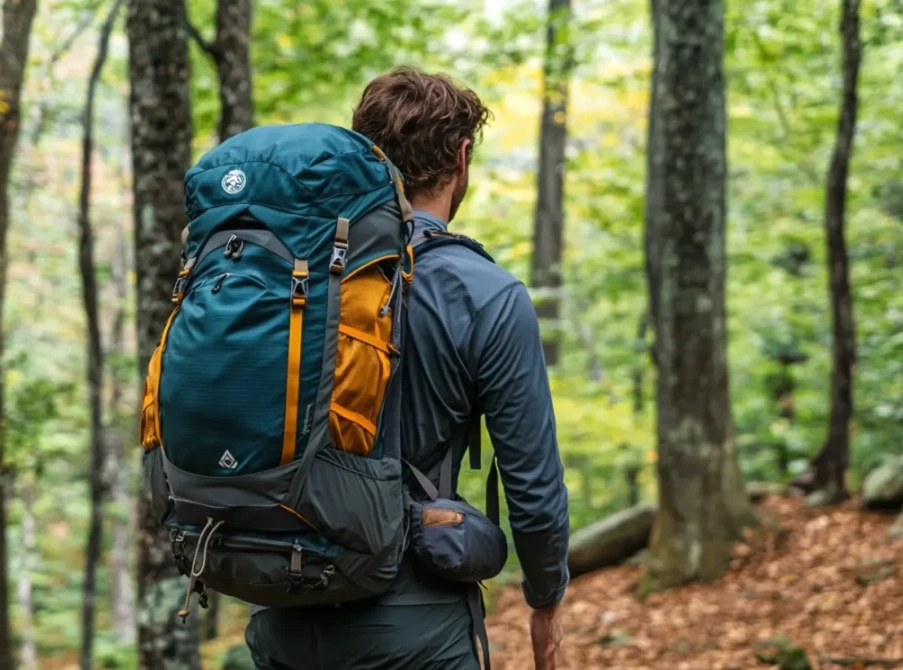
Gear matters, but you don't need fancy equipment. Basics like a magnifying glass, binoculars, a deck of cards, and a sketchpad can spark hours of fun. I always pack a "rainy day kit" with art supplies and board games, because weather changes fast. Avoid overpacking; focus on versatile items. The National Park Service offers general camping tips that emphasize preparedness without clutter.
Top 5 Family Camping Activities That Never Fail
These activities have worked for my family across different settings, from backyard camps to national parks. They're easy to adapt and require minimal prep.
Nature Scavenger Hunt: A Classic with a Twist
Instead of a generic list, tailor it to your location. In a forest, look for specific leaf shapes or animal tracks; near a lake, search for smooth stones or feathers. Make it educational by including local flora—check resources like the USDA Forest Service for regional guides. I add a creative twist: kids must use found items to build a mini sculpture at the end. It keeps them engaged longer than just ticking boxes.
Campfire Storytelling and Songs
Campfires are magical, but stories can fall flat if they're too scary or boring. For families, mix silly tales with interactive songs. We use a "story chain" where each person adds a sentence, leading to hilarious outcomes. Bring a ukulele or just clap along—the key is participation. One evening, we improvised a song about a lost marshmallow, and it's now a family tradition.
Stargazing 101 for Families
Stargazing sounds romantic, but kids often get impatient. Start with simple constellations like the Big Dipper, and use apps like SkyView to make it interactive. I bring blankets and hot cocoa to keep it cozy. Share myths behind the stars—Greek stories can captivate all ages. On a clear night in Yellowstone, we spotted satellites, which sparked a conversation about space that lasted days.
DIY Nature Crafts
Use natural materials like pinecones, sticks, and leaves to create art. We've made leaf rubbings, stick forts, and painted rocks. It's low-cost and encourages creativity. Pro tip: avoid using living plants; stick to fallen items to minimize environmental impact. This activity also teaches subtle lessons about conservation without preaching.
Geocaching Adventure
Geocaching is like a real-world treasure hunt using GPS. It's perfect for families with older kids. Download the Geocaching app, find caches near your campsite, and set off. It combines hiking with problem-solving. We once found a cache hidden in a hollow tree, and the logbook had entries from families worldwide—a cool way to feel connected.
Dealing with Rainy Days and Other Camping Curveballs
Rain or boredom can derail a trip, but with backup plans, they become part of the fun. I recall a soggy weekend in the Smokies where we turned our tent into a "indoor camp" with shadow puppets and storytelling.
Indoor Camping Games
When stuck inside, games like charades, card games, or DIY board games using camping gear work wonders. We invent challenges, like who can build the tallest tower from marshmallows and toothpicks. Keep it light—competition should be friendly, not stressful.
Turning Challenges into Fun
If kids complain, pivot quickly. Once, my son hated a hike, so we switched to a "bug observation" session, using a guidebook to identify insects. It became his favorite part. Flexibility is crucial; don't force activities if moods shift.