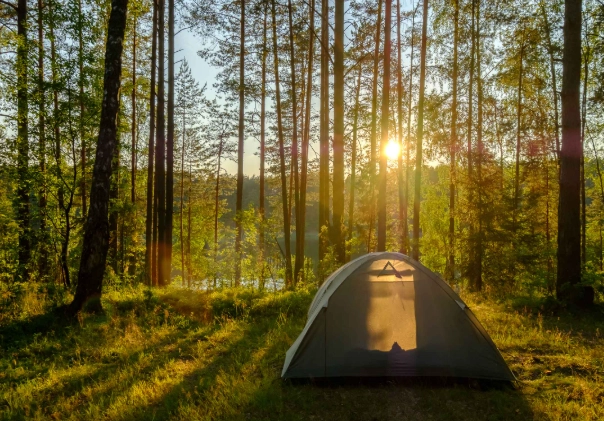
Let's clear something up right away. When we talk about "camping brewing," we're not packing a full microbrewery into the backcountry. For most of us, it's the simple, profound act of making a great cup of coffee or tea in the outdoors. It's the ritual that turns a good morning in a tent into a great one. Forget the instant coffee granules that taste like stale cardboard. With a bit of know-how and the right lightweight gear, you can have a pour-over or a French press that rivals your kitchen setup. This guide is for anyone who's ever sipped a mediocre camp brew and thought, "There has to be a better way." There is.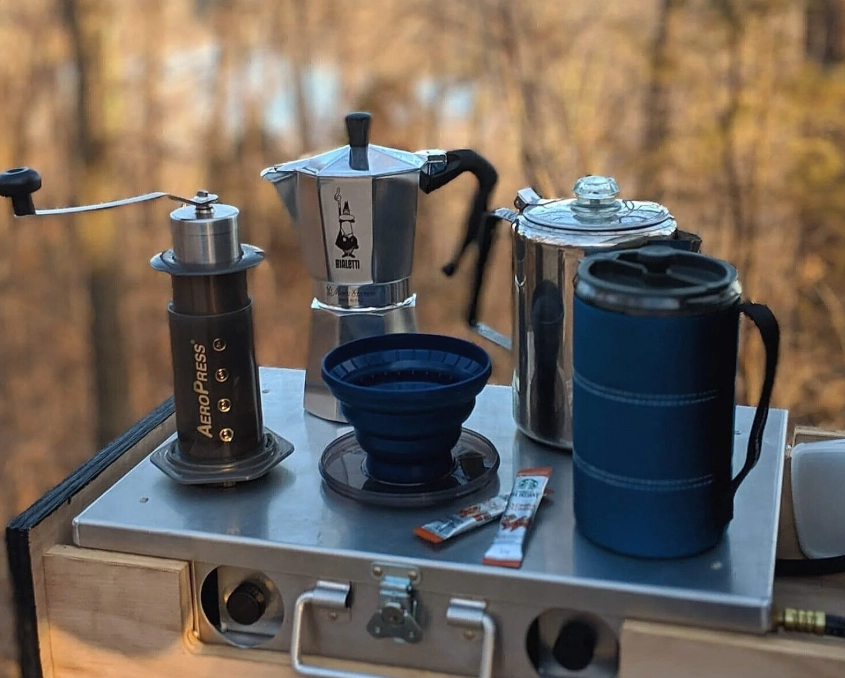
Your Camping Brewing Roadmap
What is Camping Brewing, Really?
It's a mindset shift. Camping brewing is about embracing constraints—limited space, no electricity, variable temperatures—and turning them into an advantage. The goal isn't complexity; it's quality and consistency. It's understanding that the water from that pristine mountain stream might actually make terrible coffee because of its mineral content. It's knowing that grinding your beans at the campsite, even with a small hand grinder, makes a world of difference compared to pre-ground.
I've seen too many people invest in a fancy portable espresso maker only to be frustrated by its fussiness at 5,000 feet. Start simple. Master one method. The satisfaction of a perfectly executed camp brew, with the sunrise as your backdrop, is what it's all about.
Essential Camping Brewing Gear (Beyond the Brewer)
Your brewer is the star, but the supporting cast makes the show. Neglect these, and you're back to instant.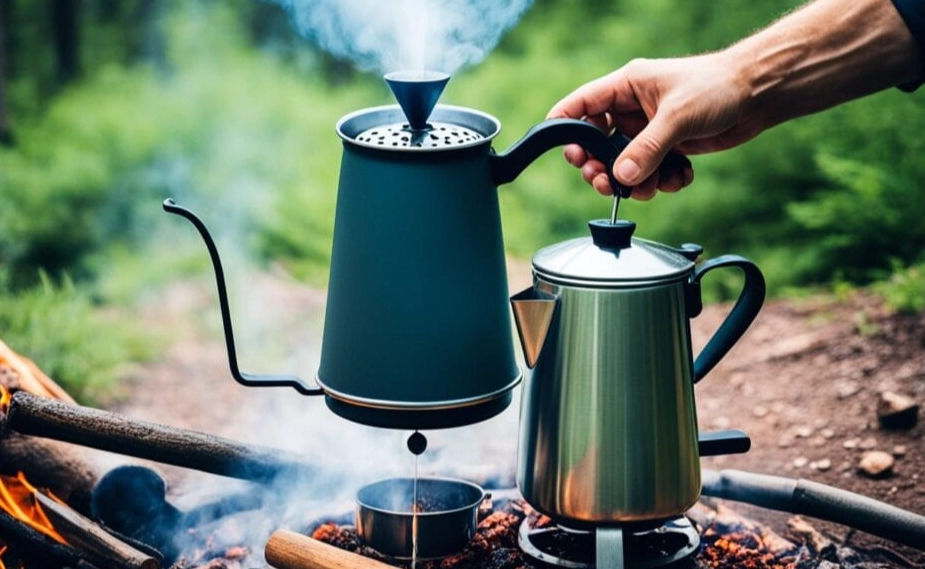
Pro Tip: Weigh your coffee kit. Aim for it to be under 2 lbs (about 1 kg) for backpacking. For car camping, you can afford to be a luxury barista.
The Non-Negotiables
A Consistent Heat Source: Your camp stove is fine. But know its BTU output. A high-output stove boils water fast but can be overkill. A low-output backpacking stove is efficient but slower. The key is a rolling boil, then letting it cool slightly for optimal brewing temp (195-205°F or 90-96°C for coffee).
Fresh, Whole Beans & A Grinder: This is the hill I will die on. Pre-ground coffee goes stale in days. A good hand grinder (like those from Hario or 1ZPRESSO) is a game-changer. Grind just before you brew. The difference in aroma and flavor is not subtle.
A Quality Insulated Mug: Not a thin, enamel cup. A double-walled stainless steel mug keeps your brew hot while you pack up camp. It's a small luxury with a big impact.
A Compact Scale (Optional but Game-Changing): Eyeballing coffee works until it doesn't. A small digital scale that measures in grams ensures your coffee-to-water ratio is perfect every time. The American Hiking Society doesn't list one, but any seasoned camping brewer will tell you it's worth the extra ounce.
Choosing Your Brew Method: A Side-by-Side Look
Your choice depends on trip style, group size, and your patience level at dawn. Here’s the breakdown.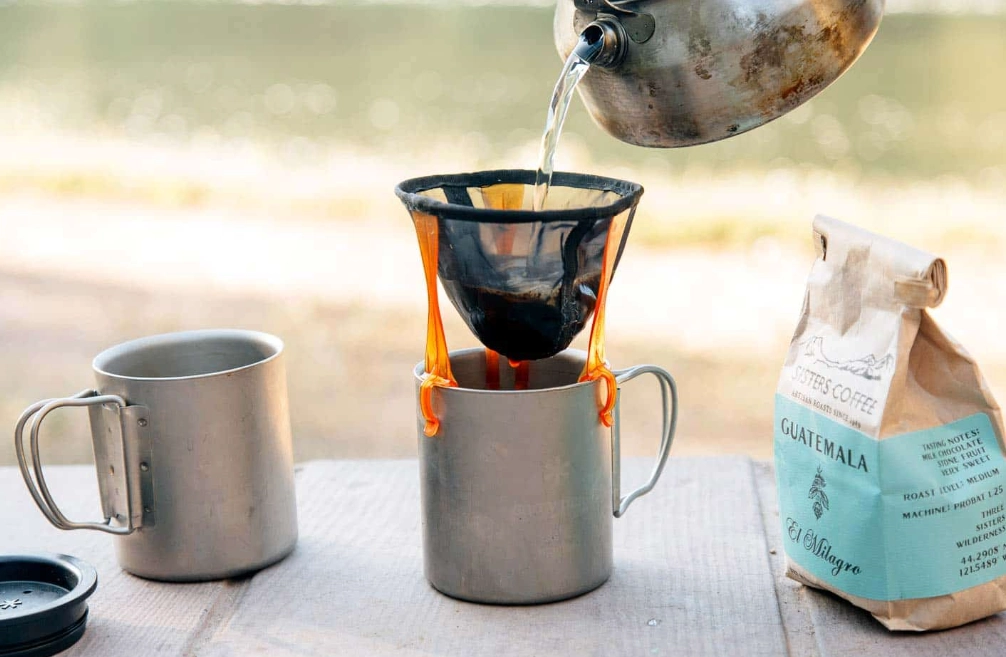
| Method | Best For | Weight / Bulk | Ease & Speed | My Personal Take |
|---|---|---|---|---|
| Aeropress Go | Solo backpackers, travelers who value clean-up and durability. | Light (11 oz), self-contained kit. | Very fast (1-2 min brew). Easy to clean (pop the puck). | My go-to for solo trips. Makes a rich, smooth cup. The plastic is virtually indestructible. |
| Pour-Over (e.g., GSI Ultralight Java Drip) | Purists, car campers, those who enjoy the ritual. | Ultralight (just a plastic cone & filter). | Requires a gooseneck kettle for control, slower (3-4 min). | Best flavor clarity, but wind is your enemy. Use a collapsible silicone cone for packing. |
| French Press (Insulated) | Car camping, groups of 2-4, making tea. | Heavy and bulky (stainless steel). | Simple "add and wait" (4-5 min). Cleaning grounds out is messy. | Great for a crowd. The insulated ones keep coffee hot forever. The mess keeps it in my car. |
| Percolator | Nostalgia, large groups over a fire. | Very heavy (usually steel). | Slow, requires monitoring to avoid bitterness. | It's easy to over-extract and get bitter coffee. I think there are better options, but the classic campfire vibe is undeniable. |
| Cowboy Coffee | Ultralight emergencies, forgetting your gear. | Zero (just a pot). | Fast but imprecise. Sludge is likely. | A last resort. It's more about caffeine than taste. Adding a splash of cold water to settle the grounds helps. |
Water: The Overlooked Ingredient That Can Ruin Everything
Here's the expert mistake I see constantly: using untreated natural water directly for brewing. It's not just about germs. The mineral profile of mountain stream water is wildly inconsistent and often terrible for extraction. Too many minerals (hard water) or too few (very soft water) will give you a flat, dull, or oddly sour cup.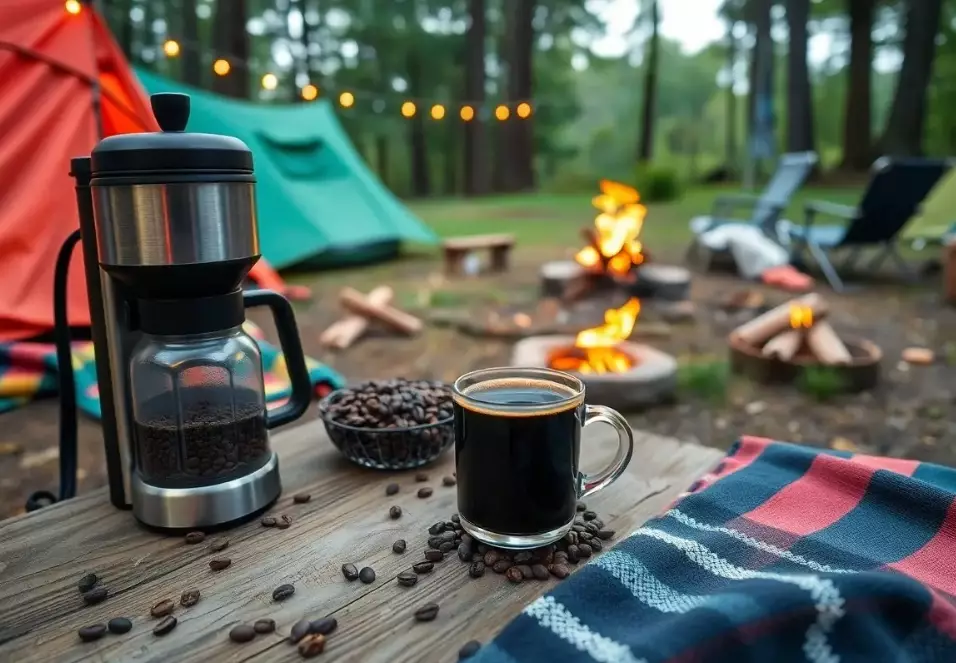
The fix is simple. Always start with water you'd drink. If you're filtering or treating water for safety (as you always should, per National Park Service guidelines), use that treated water for your brew. If your treated water still tastes "off," consider carrying a small amount of your preferred bottled water for brewing. It sounds fussy, but water is 98% of your cup. It matters.
A Real-World Camping Brewing Scenario: Morning in Yosemite Valley
Let's make this concrete. You're car camping at Upper Pines Campground. It's 6:30 AM, 45°F outside. Here's the step-by-step for two people using an Aeropress.
1. Prep Fill your camp stove kettle with filtered water from the campground tap. Light the stove.
2. Grind While the water heats, measure 30g of coffee beans (about 4 tablespoons). Grind them to a fine consistency (like table salt).
3. Assemble Place a paper filter in the Aeropress cap, rinse it with a bit of hot water to remove paper taste. This preheats the brewer too.
4. Brew Pour the ground coffee in. Start a timer. Add 100g of hot water (just off the boil), stir vigorously for 10 seconds. At 30 seconds, slowly press the plunger down. It should take about 30 seconds. Stop when you hear a hiss.
5. Enjoy You now have a concentrated brew. Add 100-150g of hot water to each mug to dilute to your taste. That's it. From cold start to sipping: under 5 minutes.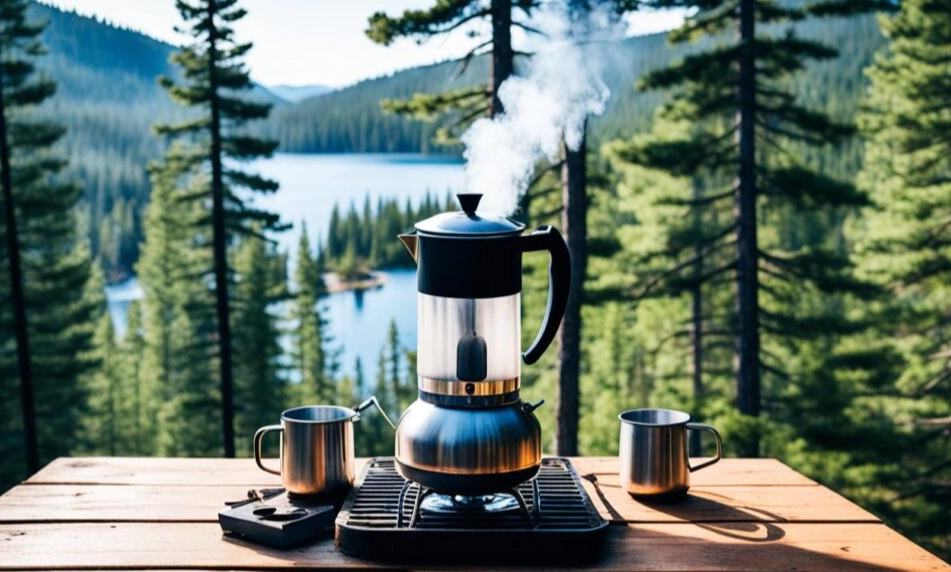
Troubleshooting Common Camping Brewing Issues
Problem: Coffee tastes weak and sour.
Likely Cause: Under-extraction. Water too cool, grind too coarse, or brew time too short.
Fix: Ensure near-boiling water, use a finer grind, or increase steep time.
Problem: Coffee tastes harsh and bitter.
Likely Cause: Over-extraction. Water too hot (unlikely), grind too fine, or brew time too long (common with French press left sitting).
Fix: Use a coarser grind or reduce contact time.
Problem: Brewing is painfully slow (pour-over).
Likely Cause: Grind is too fine, clogging the filter.
Fix: Coarsen the grind. A consistent grind from a good hand grinder prevents this.
Your Camping Brewing Questions Answered
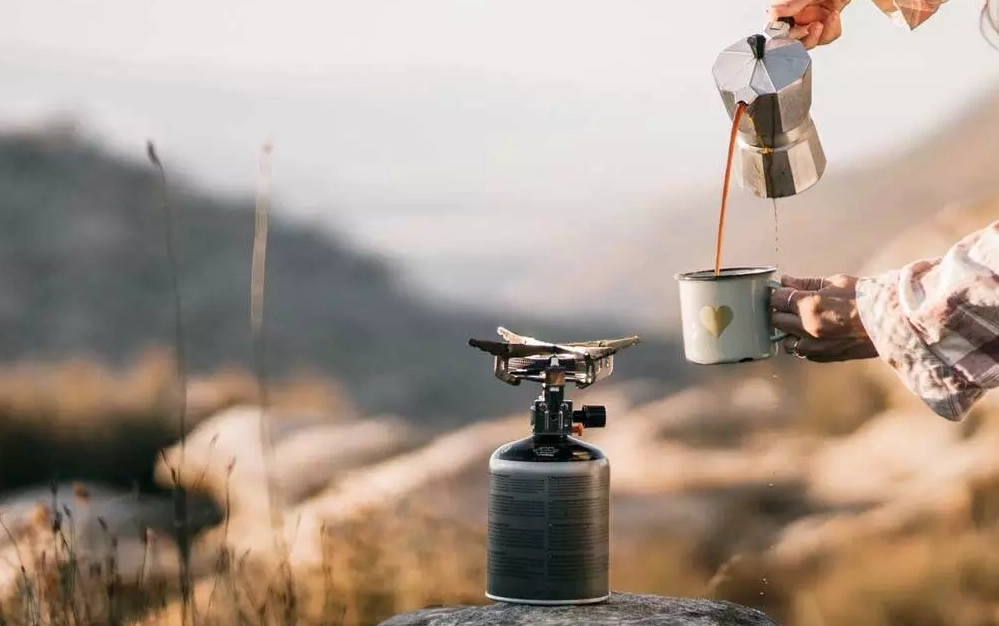 What's the best portable coffee maker for backpacking that isn't instant?