Camping doesn't have to cost a lot. I've been camping on a tight budget for over a decade, and I've learned that smart choices beat big spending every time. Let's cut through the noise and get straight to the tips that actually save you money.
Quick Navigation
How to Save Money on Camping Gear
Gear is where most people overspend. I used to think I needed the latest tent, but a simple one from a decade ago works just fine. Here's how to keep costs down.
Buy Used or Borrow Gear
Check platforms like Facebook Marketplace or local thrift stores. I scored a barely-used sleeping bag for $20 last year—retail was $100. Borrow from friends if you're new to camping; it's a low-risk way to test things out.
Prioritize Essential Items
Focus on what you really need. A cheap tent might leak in heavy rain, so invest a bit more there, but skip fancy chairs. Use a rolled-up jacket as a pillow. Here's a quick table comparing new vs. used options for key items.
| Item | New Cost (Approx.) | Used/Budget Cost (Approx.) | Tips |
|---|---|---|---|
| Tent | $100-$300 | $30-$80 | Look for brands like Coleman on sale; check for holes before buying used. |
| Sleeping Bag | $50-$150 | $15-$40 | Ensure it's rated for the temperature you'll face; synthetic fills are cheaper. |
| Camp Stove | $40-$100 | $10-$30 | Opt for a simple propane stove; DIY options with cans work but can be risky. |
| Backpack | $80-$200 | $20-$60 | Comfort matters; try it on if used, but a school backpack can suffice for short trips. |
Notice how used gear cuts costs by half or more. I once bought a used backpack that lasted five years—no regrets.
DIY Camping Equipment
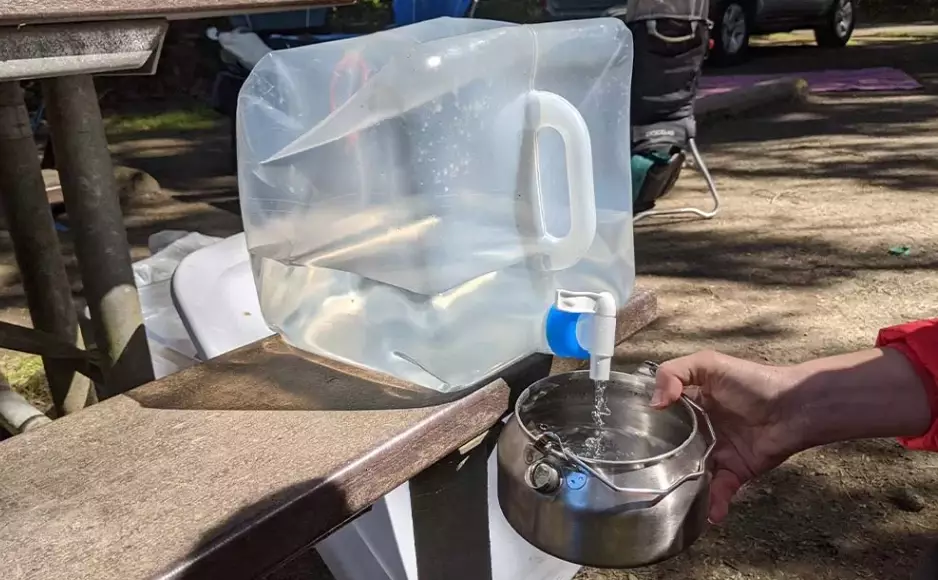
Get creative. Make a camp lantern from a headlamp and a water jug. Use a tarp and rope for extra shelter. It's fun and saves cash.
Affordable Camping Food and Meal Planning
Food costs can sneak up on you. Plan ahead to avoid overpriced camp store snacks.
Simple and Cheap Camping Recipes
Stick to basics: oatmeal for breakfast, sandwiches for lunch, and one-pot dinners like pasta or beans. I love making foil packet meals—throw in veggies and protein, wrap it up, and cook over the fire. Costs about $3 per person.
Here's a meal plan for a weekend trip for two:
- Breakfast: Instant oatmeal with dried fruit ($5 total).
- Lunch: PB&J sandwiches and apples ($8 total).
- Dinner: Canned chili heated on the stove ($6 total).
Total food cost: under $20. Compare that to eating out, which could easily hit $50.
How to Pack Food Economically
Buy in bulk before you go. Repackage into smaller portions to avoid waste. Bring reusable containers—they're cheaper than disposable ones in the long run.
Pro tip: Skip the expensive freeze-dried meals. They're convenient but pricey. A homemade dehydrated soup costs a fraction and tastes better.
Finding Budget-Friendly Camping Destinations
Location is key. You don't need a fancy campground with pools and Wi-Fi.
Free Camping Spots and Public Lands
National forests and Bureau of Land Management (BLM) areas often allow dispersed camping for free. I've camped in Colorado's San Juan National Forest without paying a dime. Check the official websites for rules—some require permits, but many are free.
State parks can be affordable too. For example, in Michigan, state park campsites range from $15-$30 per night, much cheaper than private resorts.
Off-Season Camping for Lower Costs
Camp in spring or fall when fees drop. Summer is peak season, so prices soar. I once saved 40% by going in late September—fewer crowds, cooler weather.
Consider shoulder seasons. In California, coastal campsites are cheaper in winter, though you might face rain. Pack accordingly.
Planning Your Budget Camping Trip: A Step-by-Step Guide
Let's walk through a real scenario. Suppose you're planning a 3-day trip for a family of four on a $200 budget.
Step 1: Set a budget. Allocate: $80 for gear (if needed), $50 for food, $40 for gas, $30 for campsite fees. Stick to it.
Step 2: Choose a destination. Pick a free or low-cost spot within 2 hours' drive to save on gas. Use resources like Recreation.gov to find affordable sites.
Step 3: Gather gear. Borrow or buy used. Prioritize shelter and sleep systems. Skip extras like lanterns—use flashlights.
Step 4: Plan meals. Make a shopping list based on simple recipes. Prep at home to avoid camp cooking stress.
Step 5: Pack smart. Bring only what you need. Overpacking leads to overspending on storage or forgotten items.
I did this last year with my kids. We spent $180 total and had a blast. The key was avoiding impulse buys at the camp store.
Common Mistakes to Avoid in Budget Camping
New campers often blow their budget on things that don't matter. Here's what to watch out for.
Overbuying gear. You don't need a $500 tent for a weekend trip. A $100 one works fine if you take care of it. I've seen people buy expensive chairs that just collect dust.
Ignoring weather. Cheap rain gear might fail, leaving you miserable. Invest in a decent rain jacket or poncho—it's worth the $30.
Forgetting hidden costs. Gas, park entrance fees, and firewood add up. Research beforehand. Some parks charge $10 just to enter.
My worst mistake? Buying a cheap sleeping pad that deflated overnight. I spent the next day sore and grumpy. Lesson learned: test gear before you go.
Budget Camping FAQs
Budget camping is about mindset, not deprivation. With these tips, you can enjoy the outdoors without stressing over costs. Go out there and make memories—your wallet will thank you.