I remember my first solo camping trip. I packed what I thought were the camping gear essentials: a bulky tent from a garage sale, a comforter from my bed, and a bag of chips. It poured rain, the tent leaked, I froze, and the chip crumbs attracted every raccoon within a mile. I spent the night shivering, hungry, and vowing to never be that unprepared again.
That was years ago. Since then, I've spent countless nights under the stars, from car camping in Yosemite to backpacking the Rockies. I've learned that the right gear isn't about having the most expensive stuff; it's about having the right stuff. It's the difference between a miserable, soggy ordeal and a rejuvenating escape into nature.
This guide cuts through the noise. We won't just list items. We'll build a system—a mindset for packing that ensures you're safe, comfortable, and free to enjoy the experience. Forget the fluff. Let's talk about what you actually need.
Your Gear Guide at a Glance
The Big Four Systems You Can't Screw Up
Think of your gear in four core systems: Shelter, Sleep, Kitchen, and Clothing/Safety. Master these, and you've solved 90% of camping challenges.
1. Shelter: Your Portable Home
Your tent is your first line of defense. The biggest mistake? Buying a "4-person" tent and expecting to fit four adults and their gear comfortably. Manufacturers' ratings are optimistic. Subtract one person from the label for a realistic fit.
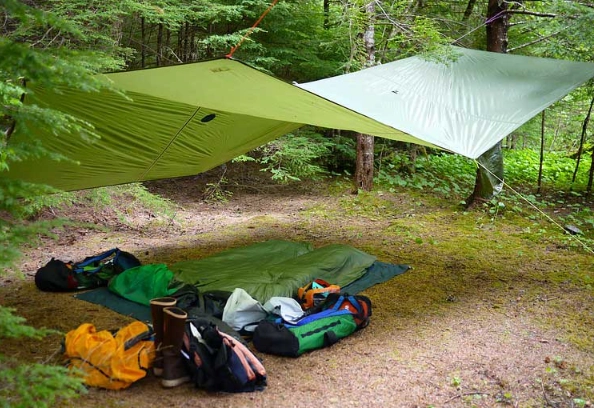
Look for a full-coverage rainfly, taped seams, and a bathtub floor (where the floor material curls up the sides). A tent like the MSR Hubba Hubba or REI Co-op Half Dome are reliable workhorses. For car camping, don't overlook a heavy-duty tarp and paracord to create a sheltered living space outside the tent—a game-changer in rainy weather.
2. Sleep System: The Key to Enjoyment
This is where people cheap out, and they regret it by 3 AM. Your sleep system is three parts:
- Sleeping Pad: This is for insulation, not just cushioning. The ground sucks heat from your body. An inflatable pad with a high R-value (insulation rating) is non-negotiable in cooler climates. I learned this the hard way.
- Sleeping Bag or Quilt: Match the bag's temperature rating to the lowest temperature you expect. A 30°F bag is for survival at 30°F, not comfort. Go 10 degrees lower than forecast. Quilts are gaining popularity for their weight savings and flexibility.
- Pillow: A compressible camping pillow beats a stuff sack of clothes every time. Trust me.
| Season/Conditions | Sleeping Bag Rating | Sleeping Pad R-Value | Extra Considerations |
|---|---|---|---|
| Summer (Nights > 50°F / 10°C) | 40°F - 50°F (4°C - 10°C) | R-1 to R-3 | A liner might be enough. Ventilation is key. |
| 3-Season (Spring/Fall, 20°F - 50°F / -7°C to 10°C) | 15°F - 30°F (-9°C to -1°C) | R-3 to R-5 | This is the sweet spot for most campers. A insulated pad is critical. |
| Winter / Cold Weather (Below 20°F / -7°C) | 0°F to 15°F (-18°C to -9°C) or lower | R-5+ | Consider a sleeping bag liner for extra warmth. Expert territory. |
3. Kitchen: Fuel for Adventure
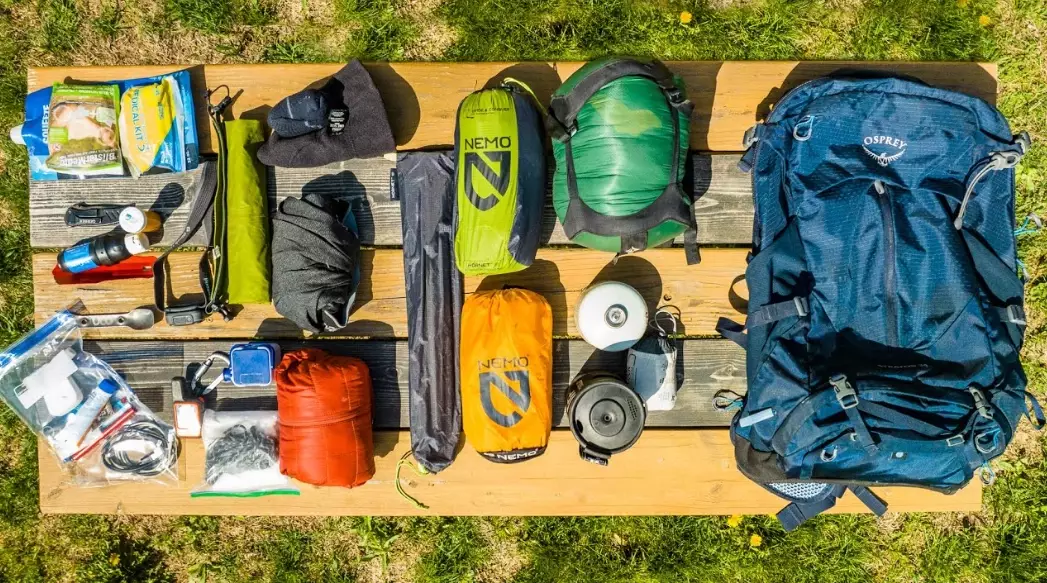
You need a way to boil water and cook food. A simple canister stove like the Jetboil Flash or MSR PocketRocket is foolproof for beginners. Don't forget the fuel canister—and always test it at home first. A light, nesting pot set, a long-handled spork, a sharp pocket knife, and a compact cleaning kit (biodegradable soap, small scrubby) round out the essentials. For car camping, a two-burner propane stove unlocks gourmet possibilities.
4. Clothing & The "10 Essentials"
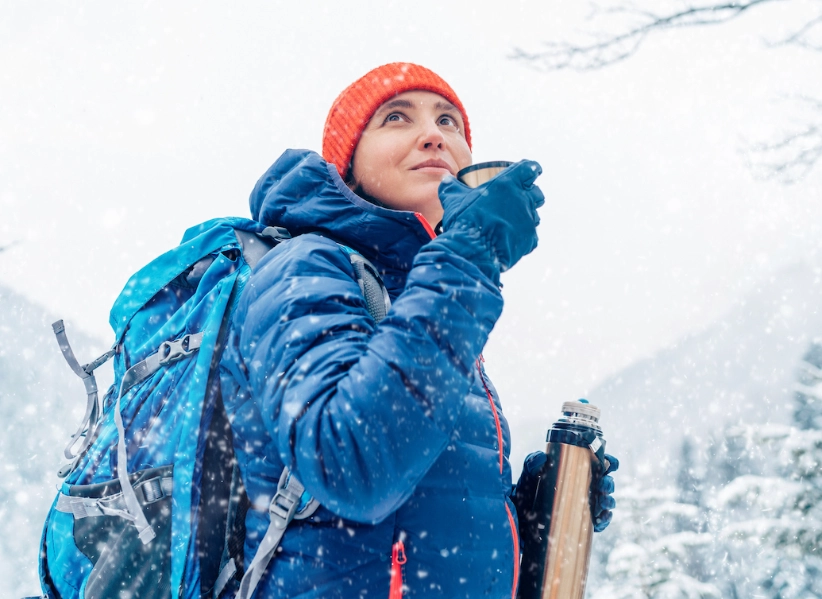
The mantra is layers, and no cotton. Cotton (jeans, hoodies) holds moisture and loses all insulating power when wet—a potential hypothermia risk. Stick to synthetic or wool base layers, an insulating mid-layer (fleece, puffy), and a waterproof/windproof shell.
Beyond clothes, you must carry the "10 Essentials" as defined by the National Park Service. This isn't a suggestion; it's the foundation of backcountry safety. They are: Navigation (map & compass, plus GPS), Headlamp, Sun Protection, First Aid Kit, Knife, Fire (lighter/matches), Shelter (emergency bivy), Extra Food, Extra Water, Extra Clothes.
Tailoring Your Kit: Car Camping vs. Backpacking
The definition of "essential" changes dramatically based on how you're getting there.
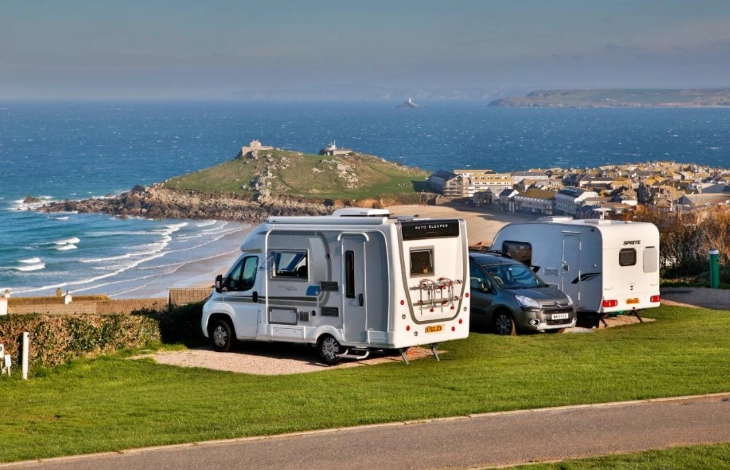
Car Camping Essentials (The Luxury Add-Ons): Here, weight matters less. Your essentials expand to include comfort and community. A large cooler, a folding table, camp chairs, a lantern, and a spacious tent are core. You can bring a thicker air mattress, more food, and even a solar power bank. The goal is a comfortable basecamp.
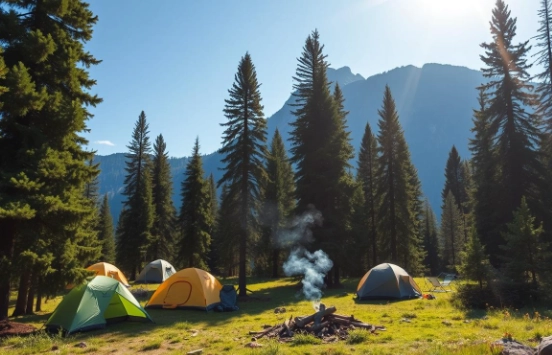
Backpacking Essentials (The Weight Calculus): Every ounce counts. Your essentials become hyper-focused on being light and multi-functional. You'll trade the heavy air mattress for that high-R-value inflatable pad. A tent becomes a lightweight or trekking-pole shelter. Your stove is tiny. You scrutinize every item using the mantra: "Does this have at least two uses?" Your pack itself becomes a critical piece of gear—it must fit well and carry the load comfortably over miles.
The 3 Most Common (and Costly) Newbie Mistakes
- Wearing the Wrong Footwear: Hiking in new, stiff boots is a blister factory. Break them in weeks before your trip. And always, always pack camp shoes—lightweight sandals or sneakers. Letting your feet breathe at camp is a simple joy that prevents a lot of problems.
- Ignoring Weather Prep: Checking the forecast isn't enough. Understand the microclimate. A valley can be 15 degrees colder than the trailhead. Always pack the rain layer, even under a "10% chance" forecast. Mountain weather changes fast.
- Overpacking Food and Underpacking Water Capacity: People bring giant, complicated meals that require tons of fuel and cleanup. Keep it simple: dehydrated meals, oatmeal, nuts, bars. Conversely, they bring one small water bottle without a plan to refill. Know your water sources and carry a filter (like a Sawyer Squeeze or Katadyn BeFree) and enough capacity (2-3 liters) to get between them.
Pro Tips They Don't Tell You in the Store
Gear is just stuff. Knowledge is what makes it work.
Practice setting up your tent in your backyard or living room before you go. Fumbling with poles in the dark while mosquitoes feast is no one's idea of fun.
Use stuff sacks or ziplock bags to organize your pack by system: one bag for kitchen, one for clothes, one for toiletries. It keeps things dry and findable.
For a cheap, multi-use item, get a closed-cell foam sit pad. It's a seat on wet logs, extra insulation under your sleeping pad, a knee pad, or a makeshift cutting board.
Finally, keep a dedicated "camping bin" at home. Between trips, restock consumables (fuel, matches, toilet paper) and store your core gear there. It eliminates the frantic pre-trip scavenger hunt.
Your Burning Gear Questions, Answered
I'm camping in a humid, rainy area. What's the one essential most people forget?
A pack of silica gel desiccant packets. Toss a few in your gear bag and tent stuff sack. After a wet trip, they help absorb residual moisture during storage, preventing that dreaded mildew smell. Also, a small microfiber towel dedicated to wiping down the inside of your tent condensation each morning is a lifesaver.
What's a reasonable budget for a starter set of camping gear essentials for two people?
You can build a solid, no-frills car camping kit for two for around $500-$700 if you shop sales (REI's garage sales are goldmines) and prioritize. Splurge on the sleep system and shelter. Borrow or buy used for items like a cooler and chairs. For backpacking, the entry point is higher due to lightweight requirements—closer to $1000+ for two. The key is to buy incrementally, not all at once.
How do I choose between a sleeping bag and a sleeping quilt?
Quilts are generally lighter and more versatile, as they eliminate the back insulation you crush (making it useless). They're great for side sleepers and warmer climates. Traditional mummy bags are better for cold-weather campers who want guaranteed, draft-free warmth and don't mind the slight weight penalty. If you tend to sleep cold, start with a bag.
We're a family with young kids. How does the essentials list change?
Redundancy and comfort become paramount. Pack multiple changes of clothes for kids—they will get wet and dirty. Bring familiar comfort items from home (a favorite small blanket, stuffed animal). A larger, cabin-style tent with room to stand is worth its weight in gold for rainy-day containment. Essentials expand to include kid-friendly snacks, activities (nature scavenger hunt cards), and a more comprehensive first-aid kit with children's medications.
Is it worth buying an expensive satellite communicator like a Garmin inReach?
If you frequently camp outside of reliable cell service, especially solo or in remote areas, the answer shifts from "maybe" to "absolutely." It's not just for emergencies; the two-way messaging and check-in features provide peace of mind for you and your family. For established front-country campgrounds with cell service, it's less critical. Evaluate based on your risk tolerance and trip locations.