Let's cut to the chase. Camping in Europe isn't just about saving money on hotels—though that's a fantastic perk. It's about waking up to the smell of pine in the Black Forest, having coffee with a view of the Norwegian fjords, and falling asleep to the sound of waves on a Greek beach. It's freedom. But planning a trip like this can feel overwhelming. Where do you even start? After a decade of driving, hiking, and sleeping under the stars from Portugal to Poland, I've learned a thing or two. This guide isn't a fluffy list of "top spots." It's the practical, gritty, and hopefully inspiring manual I wish I'd had.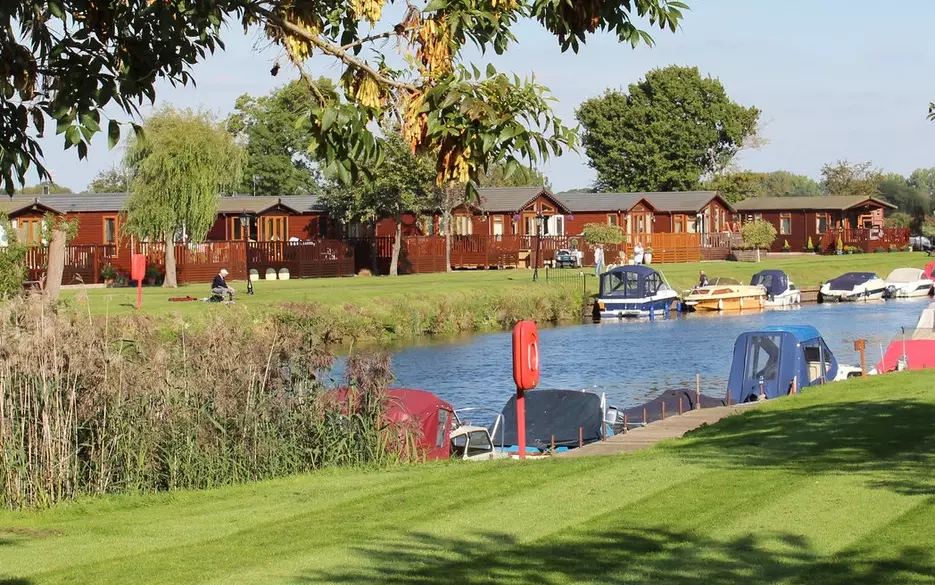
Your Quick Journey Map
Why Choose Camping for Your European Adventure?
Forget the idea that camping means roughing it without a shower for weeks. European camping culture is on another level. We're talking about well-maintained campsites with sparkling clean facilities, often featuring swimming pools, restaurants, and mini-markets. You can find these for a fraction of the cost of a hotel room, especially in pricey countries like Switzerland or Norway.
But the real magic happens beyond the official sites. It's about access. Many of Europe's most stunning natural wonders—think the Dolomites, the Scottish Highlands, or the coast of Croatia—have limited hotel infrastructure. A tent or campervan is your golden ticket to staying right in the heart of it.
How to Plan Your Europe Camping Route
This is where most people get stuck. You can't just point at a map and go. A successful trip hinges on a few key decisions.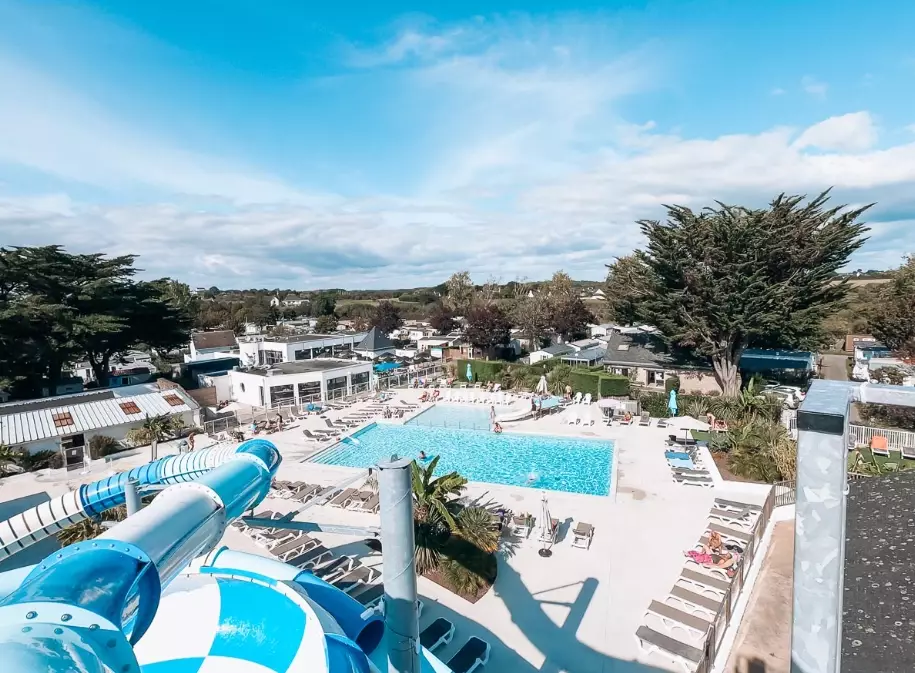
Choosing Your Season and Focus
Summer (June-August) is peak season. Sites are busy, and prices are highest, especially on the Mediterranean. My personal sweet spot? Late May/early June or September. The weather is still great, crowds are thinner, and nature is often at its best. If you dream of the Alps, remember many high-altitude campsites open only from mid-June to September.
Decide your theme. Are you a mountain person, a coastal cruiser, or a culture vulture wanting to mix cities with nature? You can't do it all in one trip. A focused route like "Alpine Lakes" or "Atlantic Coasts" works better than a mad dash across the continent.
Understanding Campsite Types & Booking
You have three main options:
- Official Campsites (Campings): The full-service option. Book ahead in summer, especially in France, Italy, and around major attractions. Use platforms like Pitchup.com or ACSII (the European Camping and Caravanning Federation) to search and book.
- Municipal Campsites (Stellplätze, Aires): Often simpler, cheaper, run by local towns. Common in Germany, France, and Austria. Perfect for an overnight stop. The Park4Night app is invaluable for finding these.
- Wild Camping / Free Camping: The big question. Laws vary dramatically. It's generally tolerated in Scotland (following the Scottish Outdoor Access Code), parts of Scandinavia, and some areas of Eastern Europe. It's strictly forbidden in Italy, most of France, and Greece outside designated areas. Always research the specific country's rules.
Booking a popular site in the south of France for August in July? Good luck. I learned this the hard way near the Gorges du Verdon. Plan and book key stops at least a few weeks in advance.
A 10-Day Classic Europe Camping Itinerary: Alps & Lakes
Here's a concrete, doable route that packs a punch. This assumes you have a vehicle.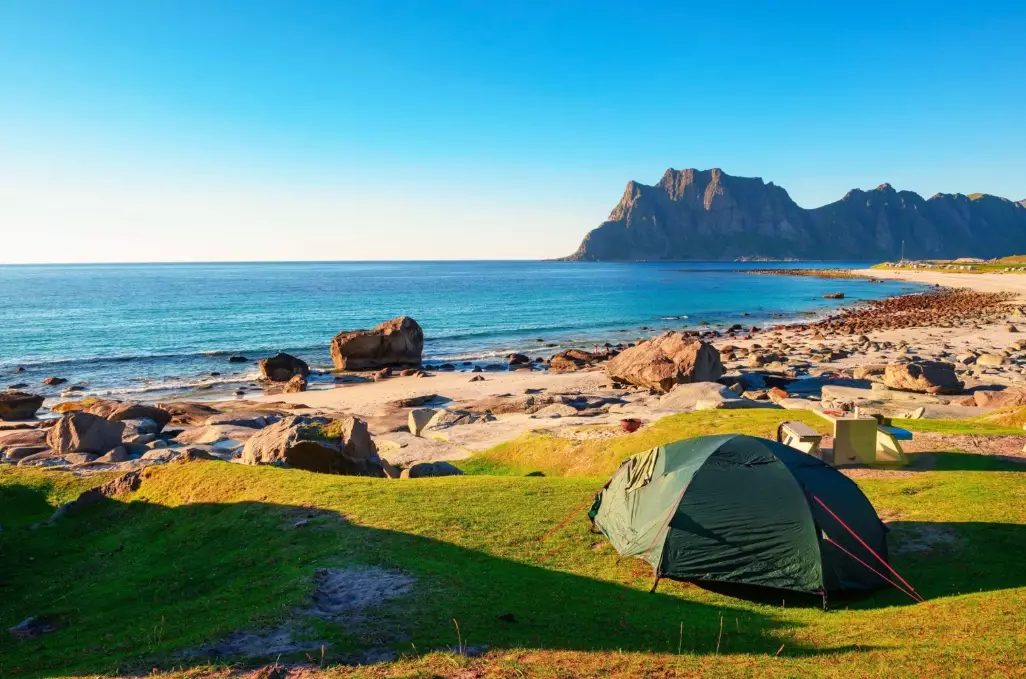
Focus: French Alps, Swiss Lakes, Northern Italy.
Best Time: June to September.
Style: Mix of scenic drives, moderate hikes, and lakeside relaxation.
Days 1-3: French Alps (Chamonix Valley)
Base: Camping des Aiglons, Chamonix. (Address: 90 Avenue de la Plage, 74400 Chamonix). It's not the cheapest (~€35-€50/night), but it's walking distance to town and has stunning Mont Blanc views. Book months ahead for summer.
Do: Ride the Aiguille du Midi cable car (book online to skip queues), hike the Lac Blanc trail, explore Chamonix town.
Pro Tip: The supermarket in Chamonix is expensive. Do a bigger shop before you arrive in a larger town like Annecy.
Days 4-5: Swiss Lakes (Lake Geneva)
Drive from Chamonix to Montreux (about 1.5 hours).
Base: Camping des Horizons Bleus in Villeneuve (Chemin du Petit-Lac 2, 1844 Villeneuve). A beautiful, terraced site right on the lake. Swiss campsites are pristine but pricey (~€40-€55).
Do: Stroll the Montreux lakeside promenade, visit Chillon Castle, take a lake cruise.
Remember: You need a Swiss motorway vignette (sticker) to drive on highways. Buy it at the border.
Days 6-8: Italian Lakes (Lake Como)
Drive through the Simplon Pass into Italy (scenic!).
Base: Camping Europa in Varenna (Via per Esino, 23829 Varenna). A family-run site perched above Lake Como. It's basic but has incredible views and a pool. (~€30-€40). Ferries connect you to Bellagio and Menaggio.
Do: Get lost in Varenna's gardens (Villa Monastero), ferry hop, hike the Greenway del Lago di Como.
Food Stop: Don't miss a proper pizza in a local trattoria. The campsite might have a restaurant, but venture out.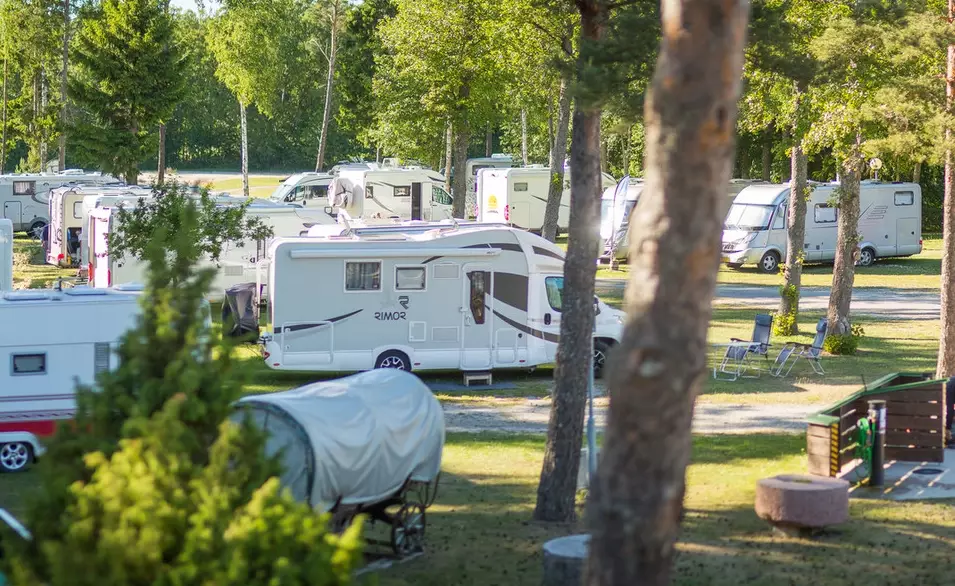
Days 9-10: Dolomites (South Tyrol)
A longer drive (approx. 4 hours) to a different world.
Base: Camping Sass Dlacia in Val Gardena (Str. Meisules 199, 39047 St. Cristina). A fantastic site for accessing the Seceda and Alpe di Siusi hikes. (~€35-€48).
Do: Take the Seceda cable car for iconic jagged peak views, hike around Alpe di Siusi (Europe's largest high-alpine meadow), enjoy the Austrian-Italian fusion culture and food.
Drive Note: Mountain passes are stunning but can be slow and winding. Check if they are open (some close until late spring).
Essential Gear & Navigating European Camping Regulations
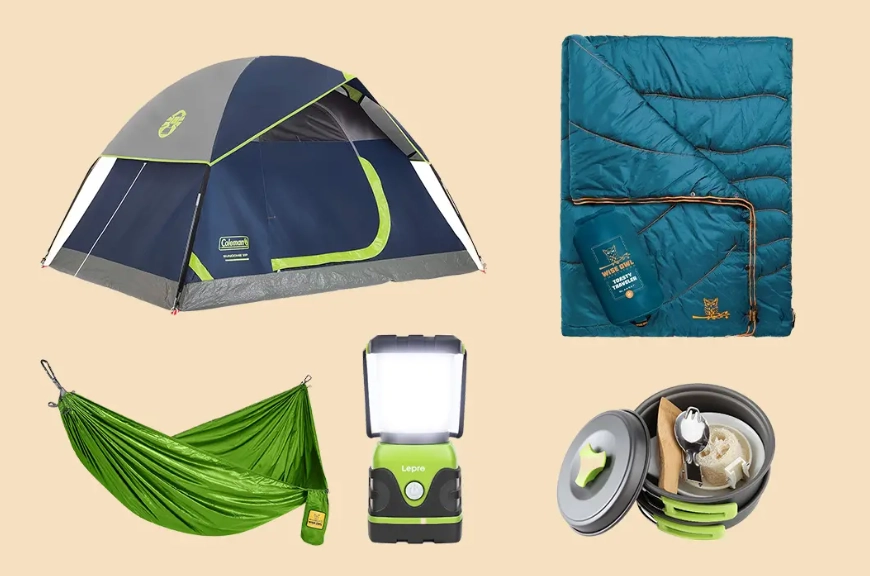
Packing for Europe isn't just about the tent. Think about context.
- Sleeping Gear: A 3-season sleeping bag is sufficient for summer, but even July nights in the Alps can dip below 10°C (50°F). A sleeping bag liner adds warmth and keeps your bag clean.
- Cooking: A compact gas stove is a must. But here's the crucial part: gas canister fittings are not universal. The common Campingaz CV470 screw-on cartridge is widely available in Western Europe. In Scandinavia and Eastern Europe, you might find different types. Consider a universal adapter or plan to buy a local stove if you're traveling long-term.
- The European Plug Kit: Don't forget a multi-country power adapter and possibly an extension cord for those campsite power bollards.
The Wild Camping Law Table
This is the non-negotiable research you must do. Here's a simplified snapshot—always verify with official sources before you go.
| Country | General Wild Camping Rule for Tents | Key Consideration & Alternative |
|---|---|---|
| Scotland | Legal (with responsibility) under the Outdoor Access Code. | Leave no trace, avoid enclosed fields, stay away from buildings. The "right to roam" is a privilege. |
| Norway & Sweden | Generally permitted (Allemansrätten) away from private homes and cultivated land. | Respect nature, don't stay more than 1-2 nights in one spot. Extremely well-regarded cultural norm. |
| France | Strictly forbidden in most areas without landowner permission. | Enforced in coastal and popular natural parks. Use the vast network of aires naturelles (basic, often cheap designated areas). |
| Italy | Illegal outside of highly specific, signed areas. | Fines are real, especially in tourist hotspots. Stick to official campeggios or agriturismos that allow camping. |
| Germany | Illegal in most federal states. | Exception: some areas in Mecklenburg-Vorpommern. Excellent network of Stellplätze (designated parking areas for campers, some allow tents). |
For the most authoritative information, always check the official national or regional tourism website (e.g., VisitScotland, Sweden's Naturvårdsverket) for the latest guidelines.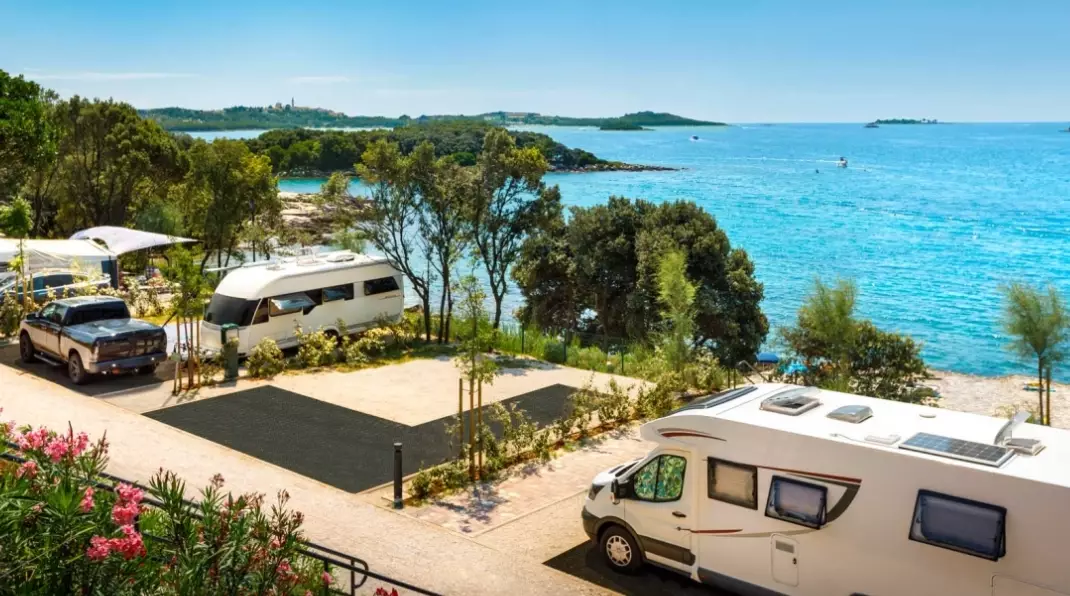
Your Europe Camping Questions Answered
What's the biggest mistake first-timers make when planning a camping Europe trip?
Underestimating driving times and distances. Europe may look small on a map, but mountain roads, border crossings, and summer traffic can turn a 300km drive into a 5-hour ordeal. They also try to cover too many countries. Pick a region—like the Balkans, the Atlantic coast, or the Alps—and explore it deeply. You'll have a richer experience than just ticking capitals off a list from a highway.
How can I find campsites that allow open fires or BBQs?
This is a major seasonal restriction many don't think about. During dry summer months, open fires are often banned across entire regions due to wildfire risk. Never assume it's okay. When booking on sites like Pitchup, use the filter for "BBQ allowed." On arrival, always ask the campsite manager. Many provide designated, safe metal fire pits or communal BBQ areas. In places like the Mediterranean, it's often completely prohibited from June to September.
 Is it realistic to mix city sightseeing with a camping trip?
Absolutely, but it requires strategy. Don't try to camp in the center of Paris or Rome. Instead, find a well-connected campsite on the outskirts. For example, Camping de Paris in Bois de Boulogne has a metro stop nearby. Stay for 2-3 nights, use public transport, and treat the city as a day trip. It gives you a budget-friendly base and a quiet retreat after a hectic day of sightseeing. Just be prepared for a commute.
What's one piece of gear specific to European camping you'd recommend?
A durable, fast-drying microfiber towel. Campsite shower facilities vary. Sometimes you have a private cubicle, sometimes it's a shared room. Having a towel that packs small, dries overnight on your tent line, and isn't a heavy, mildewy cotton blanket is a game-changer for comfort and packing efficiency. It seems trivial until you're dealing with a damp towel on day three of a road trip.
We're on a tight budget. Where in Europe offers the best value for camping?
Look east and south. Countries like Croatia (outside the peak July/August coastal rush), Slovenia, Slovakia, and Portugal (outside the Algarve in peak summer) offer stunning landscapes, fantastic official campsites, and lower daily costs for food and fees. The Balkans, in particular, have a growing network of campsites with incredible hospitality, beautiful settings by lakes and rivers, and prices that can be half of what you'd pay in Austria or Switzerland.