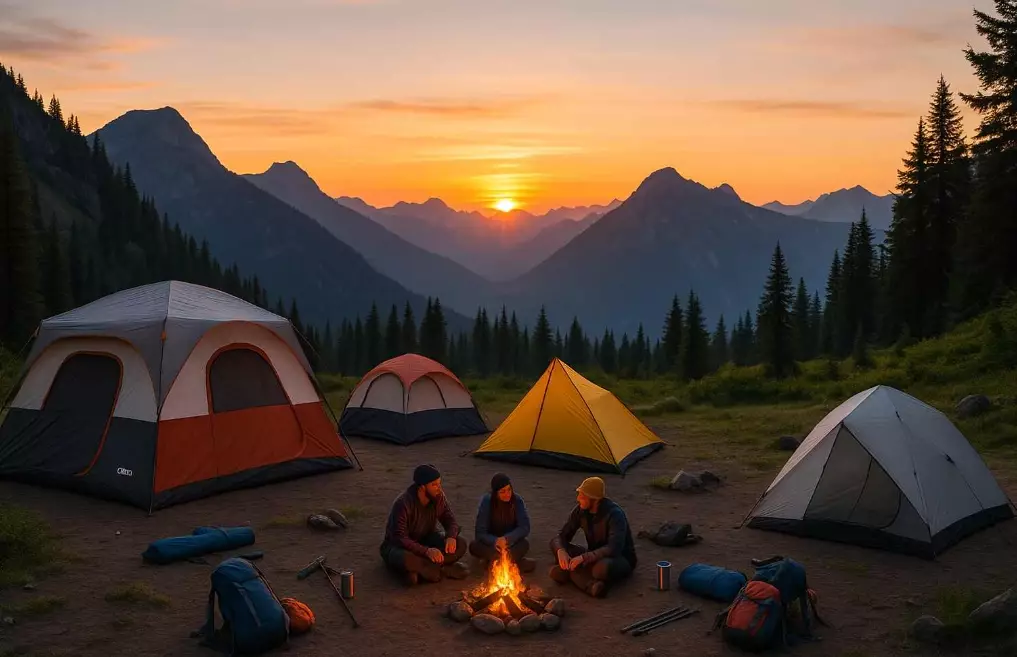
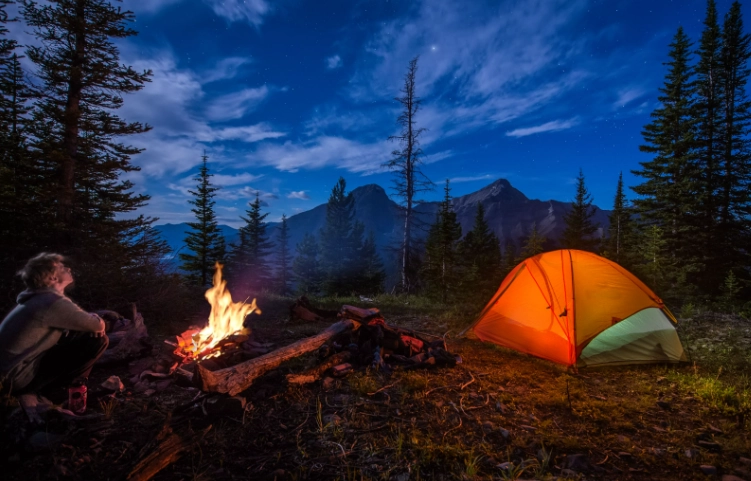
There's something magical about waking up to the sound of water lapping at the shore, brewing coffee over a campfire, and casting a line before the world is fully awake. Camping with fishing isn't just two hobbies smashed together; it's a complete wilderness experience that resets your soul. But if you get it wrong, it can be a soggy, frustrating mess. I've spent over a decade figuring out the sweet spot, and I'm here to save you from the common pitfalls.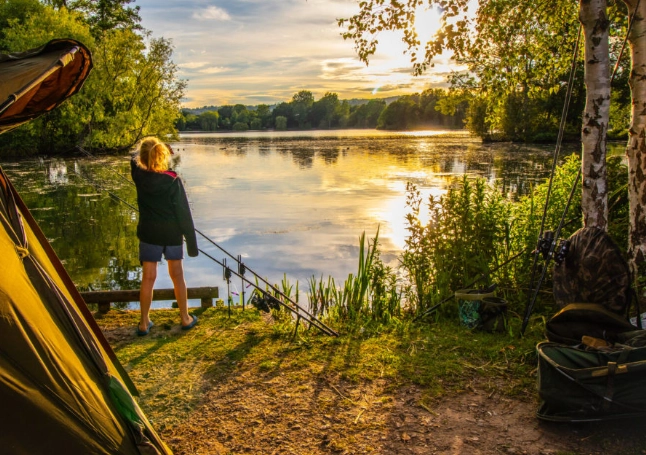
Your Quick Navigation
Why Combine Camping and Fishing?
Think about it. You drive for hours to a remote lake. You fish all afternoon, catch dinner, then have to pack up and drive home in the dark. It feels rushed. Now imagine you're already there. Your tent is pitched twenty feet from the water. The sunset is yours alone. The fish you caught is sizzling in your pan an hour later. The rhythm is completely different – slower, deeper, more connected.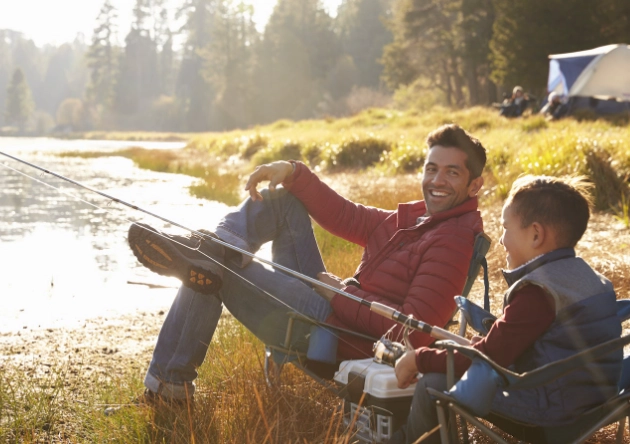
The biggest benefit? First light and last light. These are the golden hours for fishing, and when you're camped on-site, you're the first one on the water and the last one off. No other anglers are around to spook the fish. It's a massive advantage most weekend warriors never get.
Your Essential Camping and Fishing Gear Checklist
Packing for two activities means being smart, not just stuffing your car. The goal is dual-purpose items and avoiding single-use junk. Forget the giant, complicated camp kitchen. Here’s what you actually need, broken down.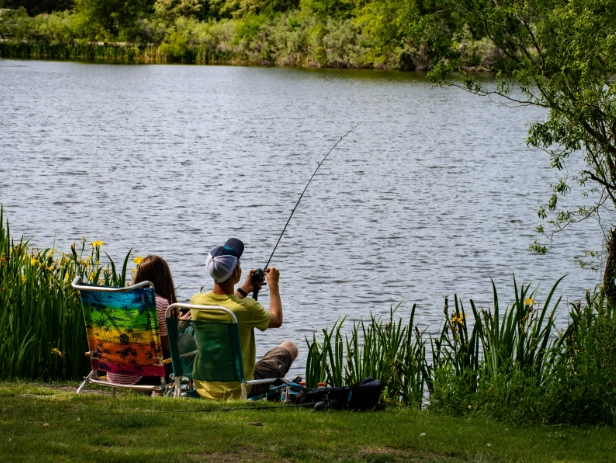
Shelter & Sleep Systems
Your tent choice matters more near water. Morning dew is heavier, and wind can whip across lakes. I lean towards a solid 3-season tent with a full-coverage rainfly, even if the forecast is clear. A footprint is non-negotiable to protect the tent floor from damp, rocky ground.
The sleep pad R-value is a secret weapon. Most campers just buy for comfort. Near water, the ground is colder. Get a pad with an R-value of at least 3 for summer, 4+ for spring/fall. That insulated barrier is the difference between sleeping well and shivering all night. I learned this the hard way on a rainy trip to the Adirondacks.
Cooking & Food Storage
This is where the two worlds merge beautifully. You're cooking fish, so plan for it.
- Two coolers, not one. A small one for drinks and snacks you open constantly. A larger, high-quality cooler (think Yeti, RTIC, or similar) dedicated solely to your caught fish and raw meat. This keeps the fish cold and prevents cross-contamination. Open it once at the end of the day to add your catch.
- Cast iron skillet. It's a tank. You can cook fish over a campfire grate, use it on a stove, and it's easy to clean with hot water and a scrub brush.
- Basic fish cleaning kit: a sharp, flexible fillet knife, a compact cutting board, and a sealable bag for offal to pack out.
The Fishing Kit (Streamlined for Camping)
You don't need your entire tackle box. Create a dedicated camping fishing kit.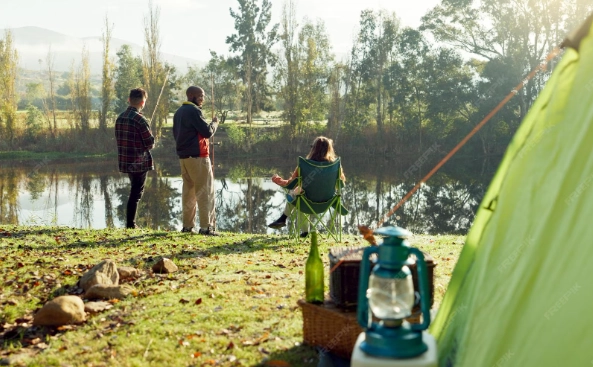
| Category | Essential Items | Key Characteristics & Why |
|---|---|---|
| Rod & Reel | 1-2 versatile combos | A 6-7 ft medium-action spinning combo handles most freshwater species. A travel rod that breaks down into 4-5 pieces is perfect for saving space. |
| Terminal Tackle | Hooks, sinkers, swivels, bobbers | Pre-tie leaders at home. Use small plastic boxes. Focus on sizes/styles for the target fish (e.g., circle hooks for live bait). |
| Lures & Bait | Curly-tail grubs, spoons, inline spinners, live worms | Choose lures that work in various conditions. Live bait (worms, minnows) often outperforms lures for panfish and is less frustrating for beginners. |
| Accessories | Pliers, line cutter, headlamp, fishing license | Pliers with cutters are a must for hook removal. A headlamp with a red light mode preserves night vision for evening fishing. |
How to Pick the Perfect Camping and Fishing Spot
Not all campgrounds are created equal for anglers. You need to research with a different lens.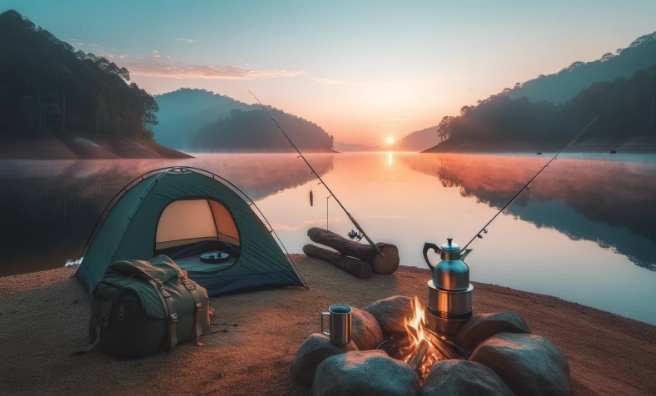
Types of Camping for Anglers
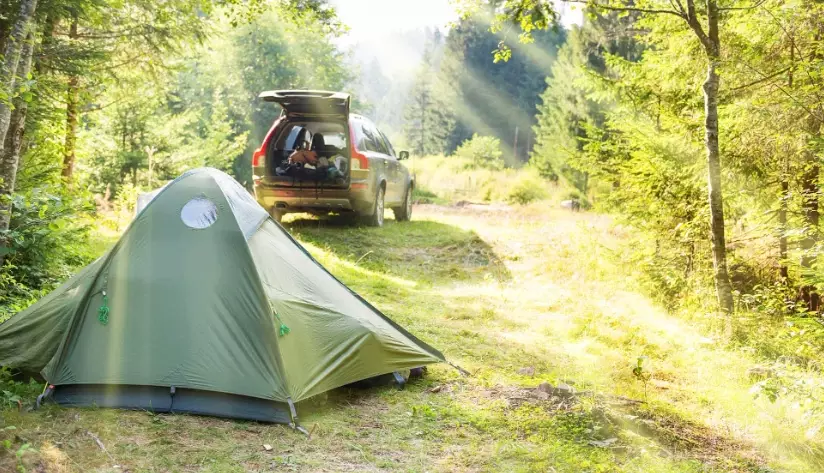
Drive-in Campgrounds (State/National Parks): Great for families and first-timers. They have amenities (water, toilets), defined sites, and often easy shore access. The downside? They can be crowded, and the fishing pressure might be high. Book sites #23, #45, or whatever is directly on the water, even if it costs more.
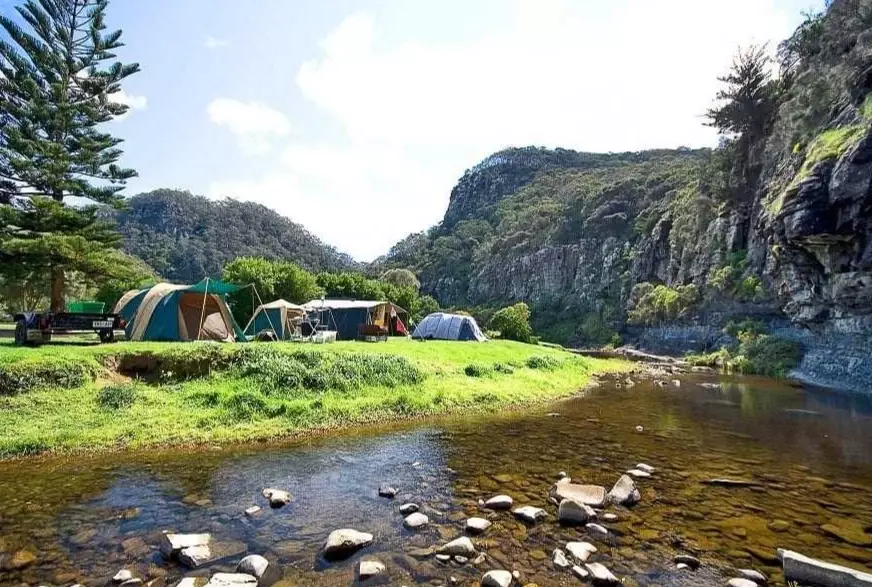
Dispersed Camping (National Forests, BLM Land): This is the holy grail for solitude. You find your own spot along a forest road near a lake or stream. The fishing is often better because fewer people get there. The trade-off is zero amenities – you pack in ALL water and pack out ALL waste. You need to be self-sufficient and check regulations on the agency's website, like the U.S. Forest Service site for fire restrictions.
Boat-in or Hike-in Sites: Maximum reward for maximum effort. You'll need a canoe, kayak, or strong legs to reach these spots. The fishing is typically excellent. This is for the experienced camper-angler who values isolation above all else.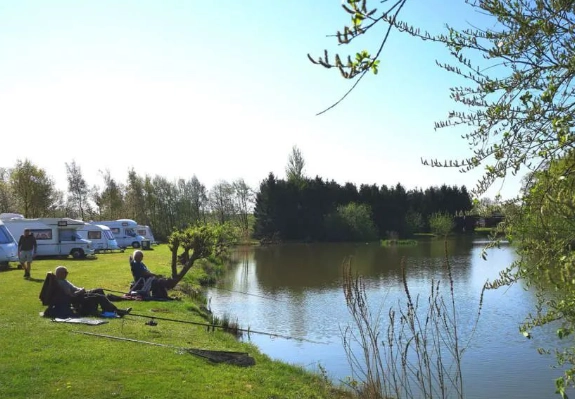
Researching Your Destination
Go beyond "is there a lake?".
- Fish Species: What's in the water? Trout? Bass? Panfish? This dictates your gear and bait.
- Fishing Regulations: This is critical. Check the state's fish and wildlife website for seasons, size limits, bag limits, and special rules. Some alpine lakes are catch-and-release only with artificial flies.
- Topography: Use Google Earth or topographic maps. Look for points, drop-offs, inlets, and underwater structure near potential campsites. Fish love structure.
- Local Reports: Call a local bait shop. A 5-minute call can tell you what's biting and where better than 5 hours of forum scrolling.
Some iconic destinations to fuel your research: the boundary waters of Minnesota (canoe camping paradise), the alpine lakes of the Sierra Nevada (hike-in trout), or the spring-fed rivers of the Ozarks (great for car camping and smallmouth bass).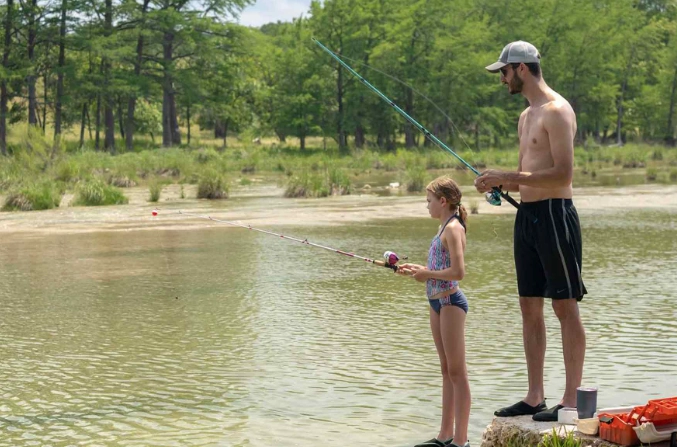
Pro Fishing Tips for the Campsite Angler
Your strategy changes when you live on the water.
Time on the water is everything. You have it. Use it. Fish for an hour at dawn, take a nap, explore, fish the evening hatch. There's no rush. This relaxed pace lets you observe. Watch for rising fish, bird activity, or where the wind is blowing insects.
My biggest mistake for years was being too impatient. I'd cast a lure ten times and move. From camp, you can watch a single promising rock pile or fallen log for an hour. You learn its rhythm. You see the small perch darting, which means a bigger predator might be nearby. That's when you make your cast.
Keep it simple from shore. Fancy boat tactics often don't translate. A simple slip-bobber rig with a live worm or leech fished near weed edges is deadly for panfish, trout, and even bass. A small spinner cast parallel to the shoreline and retrieved steadily catches everything. Don't overcomplicate it.
If you're bringing a kayak or canoe, your world expands dramatically. You can quietly access weed beds and drop-offs impossible from shore. Just remember to secure it properly at night.
Safety, Etiquette, and Leaving No Trace
This is non-negotiable. We're guests in these wild places.
Food Storage: This is the #1 rule in bear country, but it matters everywhere. Raccoons, mice, and birds are relentless. Use the provided bear locker or hang your food, coolers, and trash in a proper bear hang 100+ yards downwind from your tent. I use an Ursack bag as a simpler alternative where allowed.
Weather Awareness: Weather changes fast near large bodies of water. Have a reliable weather app that works offline and know the signs of an approaching storm. Get off the water immediately if you see lightning.
Leave No Trace Principles: This goes beyond packing out trash.
- Use biodegradable soap (if any) 200+ feet from water sources.
- Disperse fish cleaning waste widely in fast-moving, deep water far from camp, or better yet, pack it out in a sealed bag. Don't leave guts on the shore.
- Respect other campers' peace and quiet. Keep voices and music low, especially at dawn and dusk.
The Leave No Trace Center for Outdoor Ethics has detailed guidelines every camper should know.