I've spent over a decade camping in everything from desert heat to mountain blizzards. Let me tell you, weather can make or break a trip. Most guides repeat the same basics—check the forecast, pack a raincoat. But here's the thing: relying solely on generic advice sets you up for failure. Real camping weather wisdom comes from understanding microclimates, anticipating gear failures, and knowing when to bail. In this guide, I'll share hard-earned tips that go beyond the obvious, so you can enjoy the outdoors without nasty surprises.
What You'll Learn in This Guide
How to Decode Weather Forecasts for Camping
Everyone says check the weather, but few explain how. Standard apps like Weather.com give broad trends, but for camping, you need granular data. I learned this the hard way on a trip to the Rockies. The forecast said 20% chance of rain—sounds minor, right? Turned into a downpour because the app didn't account for elevation changes.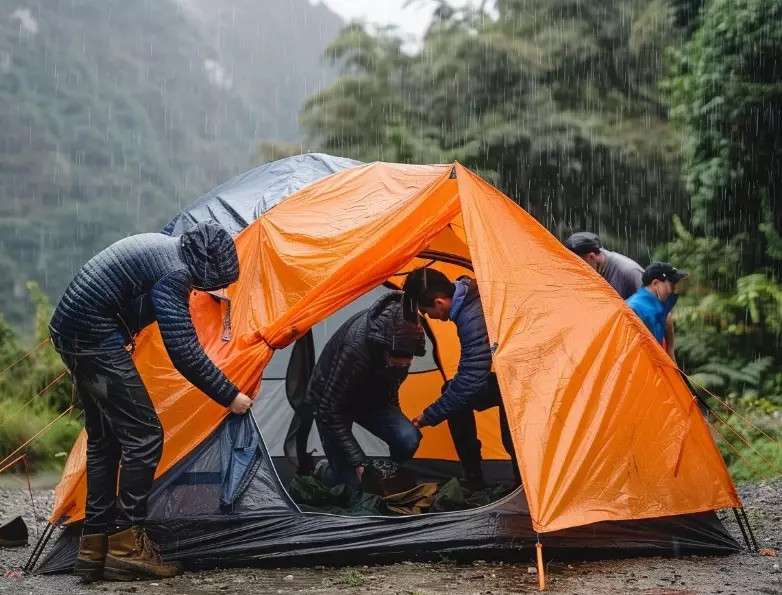
Start with reliable sources. I swear by the National Oceanic and Atmospheric Administration (NOAA) website for US campers. Their mountain forecasts include details like wind chill and precipitation types. For international trips, local meteorological services often have better data than global apps.
Look beyond temperature. Focus on wind speed, humidity, and dew point. High humidity at night means condensation on your tent, which can soak gear. Wind over 15 mph? That's when tents start shaking, and fires become tricky.
Here's a pro tip: monitor trends for three days before your trip. Weather patterns shift, and a stable high-pressure system is more reliable than a fluctuating one. If you see "scattered thunderstorms," don't assume they'll miss you. In wooded areas, storms can pop up fast.
Understanding Local Microclimates
Microclimates are small areas with unique weather. Near lakes, expect cooler nights and more fog. Valleys trap cold air, leading to frost even in summer. I once camped in a valley in Yosemite—the forecast said 50°F, but at dawn, it hit 30°F. My water bottles froze.
Research your campsite. Read reviews on sites like Campendium or The Dyrt. Users often note weather quirks. For example, some coastal spots get afternoon winds reliably. If you're backpacking, elevation changes matter: temperature drops about 3.5°F per 1,000 feet.
Don't trust your phone's default app. Use specialized tools like Windy or Mountain-Forecast.com. They offer visual maps for wind, rain, and pressure—crucial for planning hikes or setting up shelter.
Preparing for Different Weather Scenarios
Weather preparation isn't just about packing; it's about mindset. Split your planning into four core scenarios: rain, wind, heat, and cold. Each demands specific actions.
Rain is the most common spoiler. The mistake? Assuming a waterproof tent is enough. Water seeps in through seams, and wet gear breeds misery. Always seam-seal your tent before trips, even if it's "factory sealed." I've seen new tents leak because seals degrade in storage.
Set up a dry zone. Use a tarp over your tent and cooking area. Pitch it at an angle so water runs off. In heavy rain, avoid low spots—they flood. I learned this camping in Oregon's rainforest; my site turned into a puddle overnight.
Wind tests your setup. Stake your tent thoroughly with robust stakes, not the flimsy ones included. In sandy areas, use sand anchors or bury stakes horizontally. Guy lines are non-negotiable; tighten them to reduce flapping. A flapping tent isn't just noisy—it wears out fabric.
Heat requires hydration and shade. Many campers underestimate sun exposure. Bring a portable shade canopy or use natural cover. Schedule activities for early morning or late afternoon. I skip midday hikes in desert regions; it's exhausting and risky.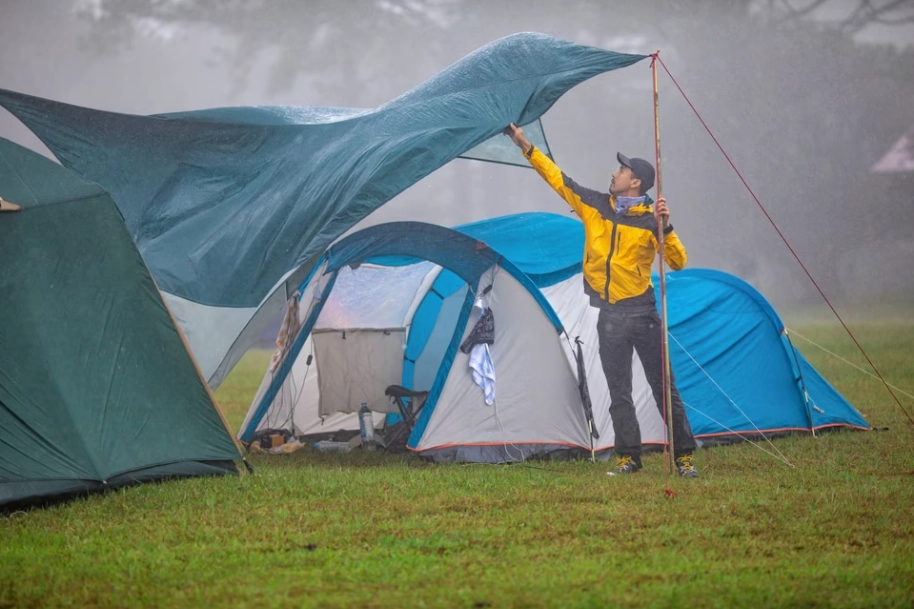
Cold camping is about insulation. The key isn't just a warm sleeping bag—it's preventing heat loss. Use a sleeping pad with high R-value (insulation rating). Wear dry base layers to bed; sweat dampens clothes and chills you. I always pack hand warmers for unexpected frost.
Non-consensus insight: Most guides say to check weather once. I recommend checking hourly updates on camping day. Weather shifts fast, especially in mountains. A clear morning can turn stormy by noon. I use a weather radio for remote areas where cell service fails.
Essential Gear for Camping Weather Challenges
Gear makes or breaks weather readiness. But don't just buy the most expensive stuff—focus on versatility. Here's a breakdown based on my field tests.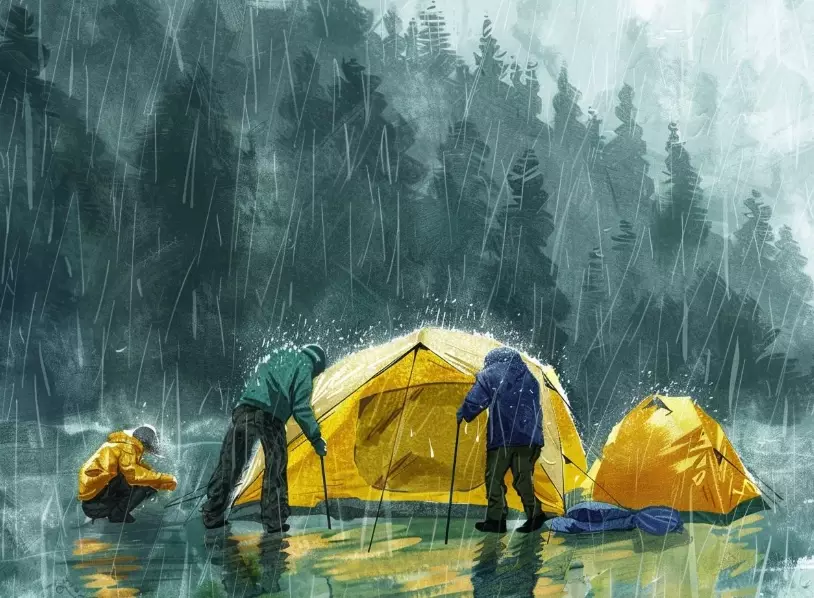
| Weather Type | Must-Have Gear | Why It Matters | Common Pitfall to Avoid |
|---|---|---|---|
| Rain | Waterproof backpack cover, quick-dry towels, seam sealer | Keeps essentials dry; towels prevent moisture buildup | Using cotton towels—they stay wet and smell |
| Wind | Heavy-duty tent stakes, guy line kit, windbreak tarp | Secures shelter; reduces noise and damage | Skimping on stakes—flimsy ones bend in hard soil |
| Heat | Sun hat with neck flap, electrolyte tablets, cooling towel | Prevents sunstroke; maintains hydration | Relying on sunscreen alone—sweat washes it off |
| Cold | Insulated sleeping pad, thermal layers, vacuum flask | Retains body heat; keeps drinks warm | Sleeping in day clothes—they trap sweat and chill you |
Invest in a quality weather-resistant tent. Look for hydrostatic head rating (mm)—higher is better for rain. For wind, dome tents outperform cabin styles. My go-to is a four-season tent for versatility, though they're pricier.
Clothing is layered. Avoid cotton—it's rotten for weather. Use synthetic or wool base layers, insulating mid-layers, and a waterproof outer shell. I pack an extra set of socks always; wet feet ruin trips.
Don't forget small items. A waterproof matches case saves fires in rain. Duct tape patches tent tears. A compact anemometer measures wind speed—handy for deciding when to take down tarps.
Gear maintenance is huge. Clean and re-waterproof jackets before trips. Store sleeping bags uncompressed to retain loft. I've seen friends shiver in "warm" bags because they stored them stuffed for years.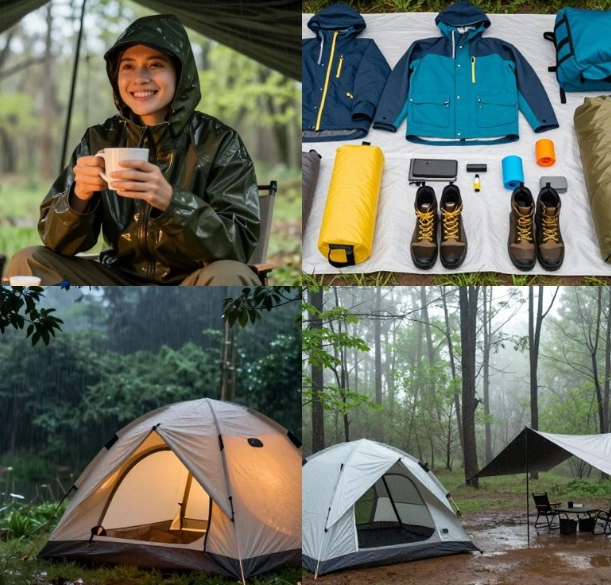
A Real-World Case: Surviving a Sudden Storm
Let me share a story from a family camping trip in the Smoky Mountains. Forecast called for mild weather, but we got hit by a thunderstorm at midnight. Here's what went down and how we handled it.
We were at Elkmont Campground—a popular spot with basic amenities. Around 11 PM, winds picked up, and lightning flashed. The kids woke up scared. Our tent was a standard three-season model, and rain started seeping through a seam I'd neglected to seal.
First, we moved to the car for safety. Thunderstorms bring lightning risks, and tents offer no protection. We had a weather radio from NOAA, which warned of hail. We stayed put for an hour until the worst passed.
Back at the site, the tent was damp inside. We used quick-dry towels to mop up, then slept in the car for the rest of the night. Not ideal, but safe. In the morning, we assessed damage: a bent stake from wind, but gear was mostly dry thanks to waterproof bags.
Lessons learned: always have a backup shelter plan, even for short trips. Now, I pack a emergency bivy sack and scout nearby solid structures upon arrival. Also, teach kids weather safety—they stayed calm because we'd practiced drills.
This experience changed my approach. I no longer trust forecasts blindly. I call ranger stations for local insights. For example, in the Smokies, afternoon storms are common in summer, so we plan hikes early.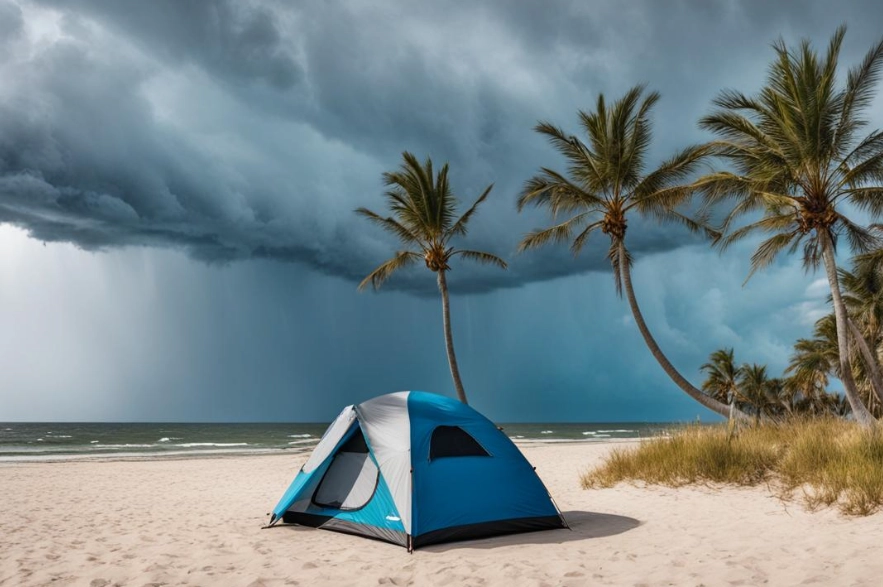
Your Camping Weather Questions Answered
Weather wisdom transforms camping from a gamble to a joy. Start with these tips, adapt to your locale, and always err on the side of caution. Nature's unpredictable, but with preparation, you can thrive in it. Got more questions? Drop a comment—I've been there, and I'm happy to help.