Let's be honest. When you're planning a camping trip, the last thing you want to read is a dense list of rules. You're thinking about campfire meals, starry skies, and disconnecting. I get it. I've been there, eager to just hit the road. But after a decade of camping everywhere from crowded national parks to remote Bureau of Land Management (BLM) land, I've learned one thing the hard way: ignoring camping regulations is the fastest way to ruin your trip—and potentially harm the place you came to enjoy.
I once watched a family get a $250 fine at Yosemite for having a cooler outside their bear locker. The disappointment on their kids' faces was worse than the fine. That moment stuck with me. Regulations aren't there to spoil your fun. They're the collective wisdom of land managers, ecologists, and generations of campers before us, designed to protect fragile ecosystems and ensure everyone has a positive experience.
This guide isn't about scolding. It's about empowerment. Knowing the rules means you can camp confidently, avoid surprises, and do your part. Let's break down what you really need to know.
What You'll Find Inside
The Real Reasons Camping Rules Exist (It's Not Just Bureaucracy)
Think of a popular campsite. Now imagine if every one of the 50 groups there last weekend decided to cut a few branches for firewood, wash their dishes directly in the lake, and let their dogs run off-leash. The place would be trashed in a month. Regulations scale common sense for mass use.
The core goals are simple:
- Protecting the Environment: This is the big one. Rules about staying on trails, packing out trash, and using designated fire rings prevent soil erosion, protect water quality, and preserve plant life. In bear country, food storage rules aren't just for your safety—they prevent bears from becoming habituated to human food, which often leads to the bear being euthanized.
- Ensuring Visitor Safety: Fire bans during drought? That's to prevent catastrophic wildfires. Rules about camping a certain distance from water? It minimizes contamination risk and often protects you from flash floods. Permit systems for backcountry camping ensure someone knows roughly where you are in case of emergency.
- Managing Crowds & Fairness: Limits on group size, length of stay (often 14 days maximum), and reservation systems prevent overcrowding. They give more people a chance to experience these places. The "first-come, first-served" model has its own unwritten rules we'll get to later.
A Quick Thought: The "Leave No Trace" principles are the ethical backbone of most regulations. But regulations are the enforceable version of those principles. LNT says "dispose of waste properly." The regulation says "all trash must be packed out or placed in designated bear-proof bins." See the difference?
Where to Find Accurate Regulations for Your Specific Trip
This is where most people trip up. Googling "camping rules" is useless. You need the rules for the specific land manager of your chosen site. The hierarchy of authority is key.
| Land Manager | Where to Find Rules | Key Regulation Quirks |
|---|---|---|
| National Park Service (NPS) | The park's official .gov website. Look for "Plan Your Visit" → "Basic Information" or "Laws & Policies." | Most uniform but often the strictest. Mandatory bear canisters common. Firewood often must be certified pest-free. |
| U.S. Forest Service (USFS) | Find the specific National Forest website. Also check for local Ranger District orders. | Generally more relaxed than NPS, but dispersed camping rules are specific. Motor Vehicle Use Maps (MVUMs) are law for where you can drive. |
| Bureau of Land Management (BLM) | State or field office BLM websites. Rules can vary widely by area. | Often allows long-term dispersed camping (14+ days). Fire restrictions are critical to check here. |
| State Parks | The state's Department of Natural Resources (DNR) or Parks & Recreation website. | Highly variable. Alcohol bans, specific check-in/out times, and pet policies differ wildly from state to state. |
| Private Campgrounds | Their website, or the terms & conditions when you book on platforms like Hipcamp. | Can include anything from quiet hours to guest policies. You're agreeing to a contract. |
My process is always: 1) Identify the managing agency, 2) Go to their .gov/.org site, 3) Search for "rules," "regulations," or "permits," 4) Call the ranger station or visitor center if anything is unclear. That last step has saved me more than once, especially for real-time info on fire bans or water availability.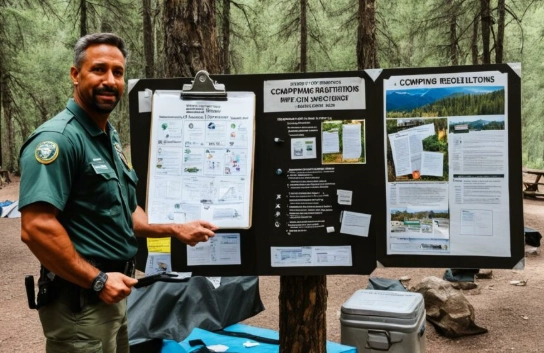
A Deep Dive into Common Camping Regulations
Let's get into the nitty-gritty. Here are the rules you'll encounter most often, and what they really mean on the ground.
Camping Permits and Reservations
For developed campgrounds in popular areas, you usually need a reservation. Recreation.gov is the primary portal for federal lands. For backcountry or wilderness camping, you often need a separate permit, sometimes with quotas. A huge mistake is assuming a wilderness area has no rules because it's remote. Many, like the Enchantments in Washington or parts of the John Muir Trail, have highly competitive permit systems to prevent ecological damage.
Campfire Regulations
This is a big one. Rules aren't just "fires allowed" or "banned." There are stages:
- Stage 1: Fires allowed only in agency-built, metal fire rings in designated campgrounds.
- Stage 2: No wood or charcoal fires. Propane stoves with an on/off switch may be allowed.
- Stage 3: Total fire ban, including stoves.
You must check the current fire restrictions for the county and land agency. Don't trust what was true last week. I carry a propane fire pit as a backup; they're often allowed during wood fire bans, but you still must check.
Food Storage and Wildlife
In bear country, this is non-negotiable. "Proper storage" often means a hard-sided bear-resistant container (bear canister) or a provided metal food locker. Hanging food is no longer considered sufficient in many high-risk parks like Yosemite or Sequoia. The rule isn't just for overnight—it means all food, trash, toiletries, and even empty coolers must be stored 100% of the time you're not actively using them. A single mistake can create a problem bear.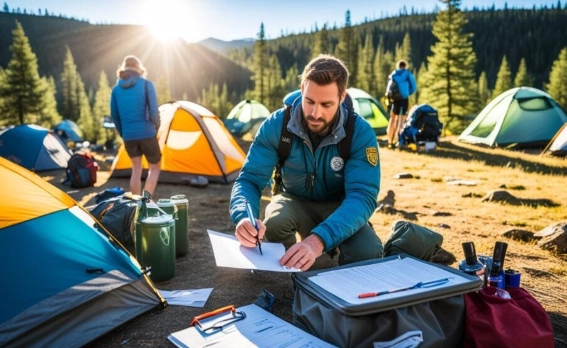
Stay Limits and Camping Locations
Most public lands have a 14-day stay limit within a 28-day period. You must move camp at least 25-30 miles away after hitting the limit. For dispersed camping, there's often a rule about being a certain distance from water sources (e.g., 200 feet) and developed recreation sites. This is to protect riparian areas and other campers' solitude.
Waste Disposal: The Less Glamorous Side
Human waste is a major issue. Many backcountry areas now require you to pack out solid human waste using specific systems like WAG bags. If digging a cathole is allowed, it's typically 6-8 inches deep and at least 200 feet from water, trails, and camp. Gray water (from washing) should be strained and scattered widely. Never, ever dump it directly into a lake or stream.
Watch Out For: The "first-come, first-served" trap. Just because a site is empty doesn't mean it's yours. Many such sites still require you to self-register and pay at a kiosk immediately upon arrival. Failing to do so can result in a fine, even if you're "in" the site. I've seen rangers check registration slips on windshields at 7 AM.
Pro Tips & Non-Obvious Mistakes to Avoid
Here's the stuff you won't find in the official PDFs, learned from a lot of time in the field.
The Quiet Hours Loophole: Quiet hours (usually 10 PM - 6 AM) are enforced. But what about that generator? Many rules say generators can only run during certain daytime hours. If you need power for medical equipment, communicate with the campground host before you get a complaint.
"Pets Must Be Leashed" Means Leashed. Not "under voice control." Not "on a long line." A 6-foot physical leash. This protects your pet from wildlife and protects wildlife from your pet. I love camping with my dog, but I keep her tethered to my chair or in the tent.
The Firewood Mistake: Bringing your own firewood from home is illegal in many states and parks due to invasive insects. You must buy it locally, often from a certified vendor near the campground. The regulation will specify the maximum distance it can be transported (e.g., "within 50 miles").
Drones Are Almost Always a No-Go. On most federal and state public lands, launching, landing, or operating drones is prohibited without a special permit. It's a noise and wildlife disturbance issue. Assume they are banned unless the park website explicitly has a designated area for them.
My biggest piece of advice? Be the example. If you see someone breaking a major rule (like an illegal fire during a ban), report it to a ranger. For minor etiquette issues, a friendly, non-confrontational comment can work. "Hey, just a heads up, the host mentioned the bear lockers need to be latched fully—those crafty guys can open them otherwise!" usually goes over better than "You're breaking the rules."
Your Burning Questions Answered
Understanding and following camping regulations is the mark of a responsible outdoorsperson. It shows respect—for the land, for the wildlife, and for the other people seeking solitude and adventure. Do your homework, pack your patience, and you'll have a smoother, safer, and more enjoyable trip. The rules are the framework that lets the wilderness stay wild, even with all of us visiting.