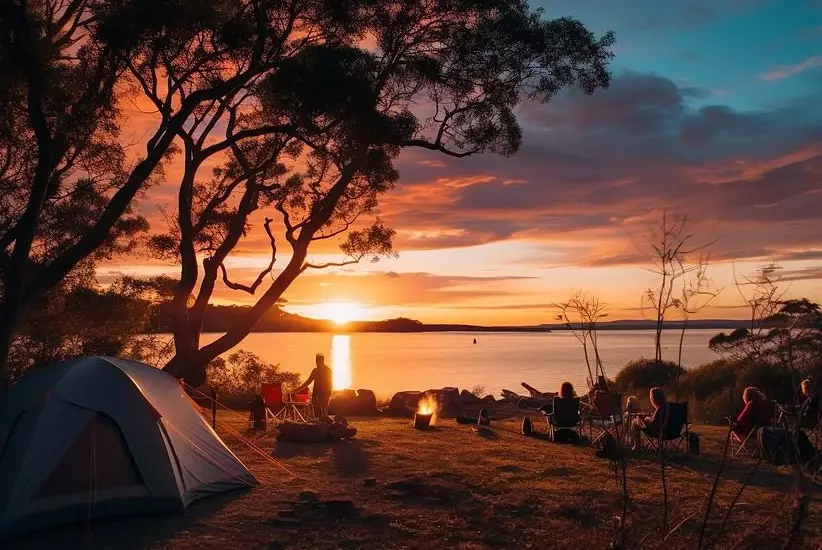
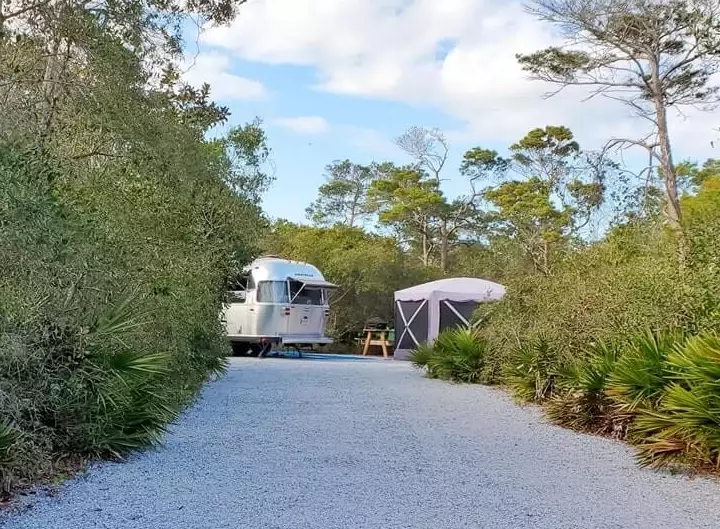
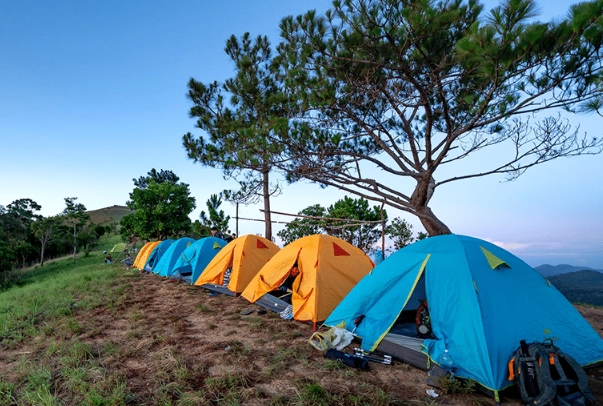
Let's be honest. The cost of a weekend getaway keeps climbing. A standard campsite can run you $30, $40, sometimes $50 a night. For a family, that adds up fast. What if I told you there's a way to camp for free, often in spots more beautiful and secluded than any developed campground? It's called free camping, dispersed camping, or boondocking. It's not a secret, but it does come with a different set of rules—and a much steeper learning curve.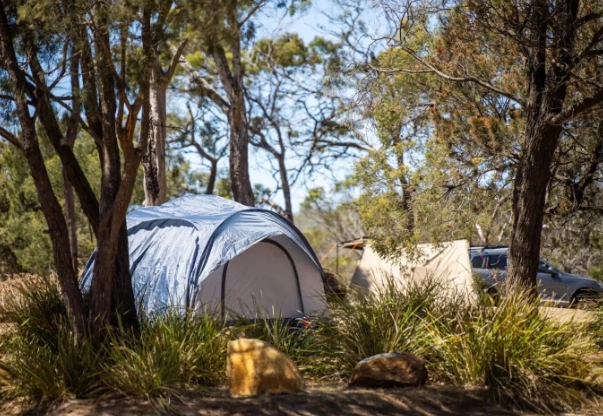
I've been doing this for over a decade, from the deserts of Arizona to the forests of Montana. I've made every mistake in the book so you don't have to. This guide isn't just a list of apps; it's the hard-won knowledge of what actually works when you're miles from the nearest faucet or ranger station.
What You'll Find in This Guide
What Free Camping Really Means (And Where It's Legal)
First, let's clear up the confusion. Free camping isn't about pulling over anywhere you like. It refers to camping on public land, outside of designated, developed campgrounds. You won't find picnic tables, fire pits with grates, flush toilets, or water spigots. What you will find is solitude, raw nature, and total self-reliance.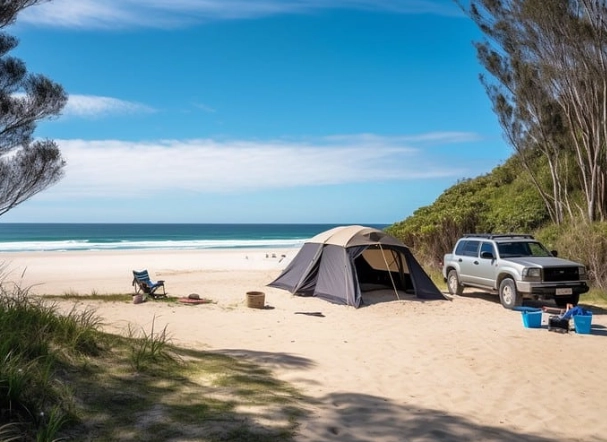
The two main providers of free camping in the United States are the Bureau of Land Management (BLM) and the U.S. Forest Service (USFS). The BLM manages vast stretches of land, primarily in the western states, perfect for wide-open desert and mountain camping. The Forest Service oversees national forests, offering countless forest service roads that lead to hidden gems.
Key Point: National Parks are NOT where you go for free camping. They almost always require you to stay in designated, paid campgrounds. The magic happens in the surrounding National Forests or BLM land. For example, instead of fighting for a spot in Yellowstone's crowded campgrounds, look for dispersed sites in the nearby Shoshone or Custer-Gallatin National Forests.
Legality is everything. Rules vary by district and season. A spot that's open in June might be closed in August due to extreme fire danger. Always, and I mean always, check the official website for the specific ranger district or BLM field office governing your chosen area. Resources like the US Forest Service website and the BLM website are your starting points.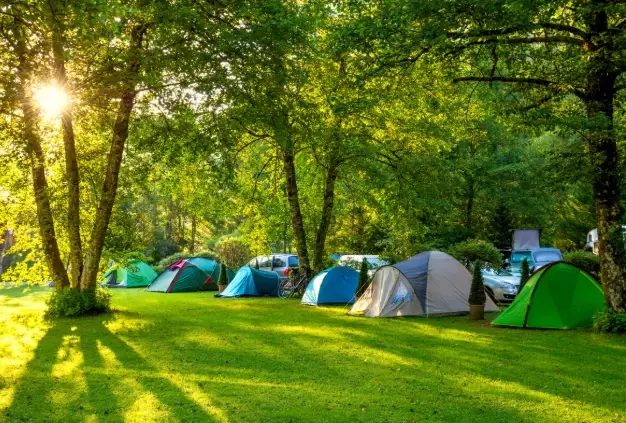
How to Find Free Camping Spots: A Step-by-Step System
Finding a good spot is part planning, part intuition. Here's my personal system.
Step 1: Digital Reconnaissance
Start with apps, but don't trust them blindly. iOverlander and FreeRoam are great for crowd-sourced ideas. Their pins show you where others have stayed. The real power, though, comes from mapping apps with public land layers. Gaia GPS and OnX Offroad are industry standards. You can turn on a layer that clearly shows BLM (usually yellow) and USFS (usually green) land boundaries. This lets you visually scan for public land access along a highway or near your destination.
Look for forest service roads (often numbered, like FR-525). These are your gateways. Zoom in on satellite view. See a flat clearing off a road, maybe with a faint track? That's a potential candidate.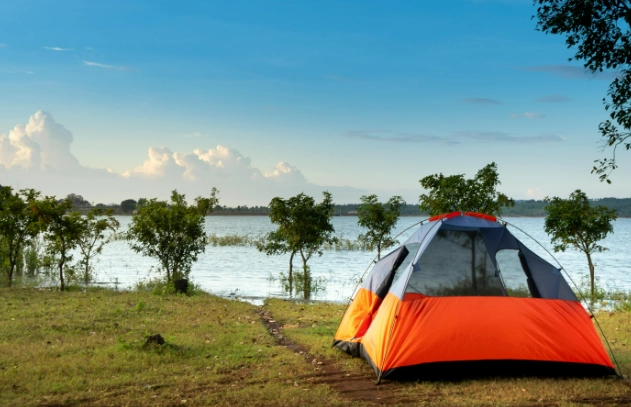
Step 2: The Paper Backup
This is the step most people skip, and it's a mistake. Visit or call the local ranger station or BLM office. They have free paper maps that are incredibly detailed. More importantly, you can ask the person behind the counter: "Where's a good dispersed spot for a 20-foot van near the river?" or "Are there any fire restrictions in effect?" This local intel is gold.
Step 3: The Scout-and-Settle Method
Never plan to arrive at your perfect free spot at 9 PM. Plan to arrive with at least 2-3 hours of daylight. You'll need time to drive slowly down dirt roads, evaluate 2-3 potential sites, and choose the best one. Look for signs of previous use—a flat, compacted area, a simple rock fire ring (only use if fires are allowed!). Avoid meadows and stay at least 200 feet from lakes and streams to protect water quality.
The Unbreakable Rules of Free Camping
Follow these, or you risk fines, damage to the ecosystem, and ruining it for everyone else.
Leave No Trace is the Law: This isn't a suggestion. Pack out EVERYTHING you pack in. This includes all trash, food scraps, and yes, even toilet paper. If you dig a cat hole for human waste, make it 6-8 inches deep and at least 200 feet from water. I pack out my used TP in a dedicated zip-lock bag. It's not glamorous, but it's responsible.
- Stay Limit: Most areas have a 14-day stay limit within a 28-day period. This prevents people from setting up permanent residence. Move your camp after 14 days.
- Fire Responsibility: Check for active fire bans. If fires are allowed, use an existing ring if possible. Keep fires small, never leave them unattended, and drown them with water until they are cold to the touch. In many arid western states, I just skip the campfire altogether and use a lantern. It's safer.
- No Dumping: Never dump gray water (from dishes) or black water (sewage) on the ground. This is a major violation.
Your Free Camping Gear Checklist: Essentials vs. Luxuries
Your packing list shifts dramatically when there's no campground host. Here’s what you truly need.
| Essential Gear (Non-Negotiable) | Why It's Critical |
|---|---|
| Extra Water (1.5+ gal/person/day) | No refills. You need this for drinking, cooking, cleaning, and emergencies. |
| Power System (Solar/battery bank) | Your car battery will die if you use it for lights/charging. A 100W solar panel and a power station changed my game. |
| Reliable Navigation (GPS + paper maps) | Cell service is a myth in these areas. Offline maps are a must. |
| Comprehensive First-Aid Kit | Help is far away. Include supplies for blisters, cuts, and allergies. |
| Waste Management System | Portable toilet or WAG bags. Know your plan before nature calls. |
| Recovery Gear (Traction boards, shovel) | Getting a 2WD vehicle stuck on a soft forest road is a classic rookie error. |
Now for the "luxury" items that feel essential after a while: a portable power station (like a Jackery or Bluetti) to run a small fridge, a rugged 5-gallon water jug with a spigot (easier than multiple small bottles), and a quality cooler that can keep ice for 4+ days. A cheap cooler that leaks water and melts ice in a day will ruin your food and your mood.
Expert Tips and Common Mistakes to Avoid
Here’s the stuff they don't put in the brochures.
Don't Chase the "Perfect" Pin. Apps lead everyone to the same spots. If you see 5 RVs already at a famous pin on iOverlander, drive another mile or two down the road. You'll likely find something just as good, and totally empty. The best spot is the one you find yourself.
Weather is Your Boss. That beautiful dry creek bed? It's a flash flood channel during a storm. The scenic spot under the biggest tree? It's a lightning rod. Assess the terrain for risks. I always look for slightly elevated ground with good drainage.
Your Vehicle Matters More Than You Think. A low-clearance sedan can access plenty of free campsites, but you have to be pickier. Stick to well-maintained forest roads. Air down your tires slightly for sandy or rough roads—it provides better traction and a smoother ride. And for heaven's sake, know where your vehicle's differential is so you don't high-center it on a rock.
The most common mistake I see? People bring their normal car-camping mindset. They pack a tiny amount of water, no backup food, and expect to find a trash can. Shift your mindset to self-sufficient expedition, and you'll be fine.
Safety First: Handling the Unexpected
Tell someone your plans. Give them a map pin or description of the general area you're heading to and when you expect to check in.
Wildlife is a reality. Store all food, trash, and scented items (toothpaste, deodorant) in a bear-resistant container or locked in your vehicle. In some areas, this is the law. It also keeps curious rodents from chewing through your tent.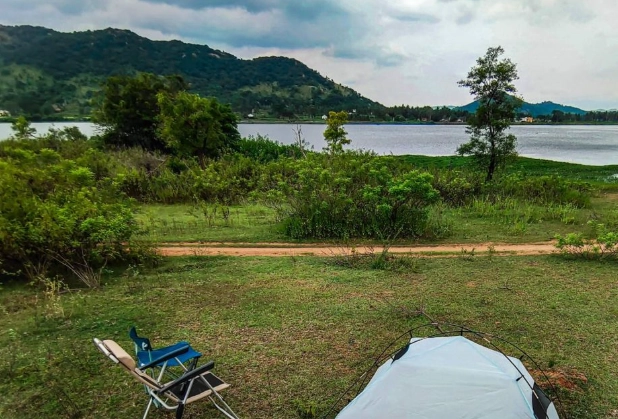
Have a bail-out plan. If the weather turns nasty, if you feel uncomfortable, or if something breaks, know the quickest route back to a paved road and a town. Free camping requires flexibility. There's no shame in packing up and leaving if it doesn't feel right.
Your Free Camping Questions, Answered
Is free camping legal everywhere?
How do I find free camping spots without cell service?
What's the biggest mistake first-timers make with free camping?
How can I ensure I'm not trespassing when free camping?
Free camping opens up a world of adventure that feels genuinely wild and independent. It demands more from you—more preparation, more awareness, more respect for the land. But the reward is immense: silence under a sky full of stars, a sunrise with no one else around, and the deep satisfaction of knowing you can take care of yourself out there. Start small, follow the rules, and you might just find your new favorite way to experience the outdoors.