Camping in the woods isn't just about pitching a tent—it's a raw, immersive experience that connects you with nature in ways a campground never can. But let's be honest: it can also go wrong fast if you're not prepared. I've spent over a decade trekking through forests from the Pacific Northwest to the Appalachians, and in this guide, I'll share everything you need to know to make your woodland camping trip safe, enjoyable, and unforgettable. We'll skip the fluff and dive straight into practical advice, common mistakes, and insider tips you won't find on most blogs.
What You'll Find Inside
- Why Camp in the Woods? The Real Benefits
- How to Choose the Perfect Woodland Campsite
- Essential Gear for Forest Camping: A No-Nonsense List
- The Most Overlooked Mistake: Weather and Terrain Underestimation
- Step-by-Step Guide to Setting Up Camp in the Woods
- Wildlife Encounters: What You Really Need to Know
- Leaving No Trace: Sustainable Woodland Camping
- Your Burning Questions Answered (FAQ)
Why Camp in the Woods? The Real Benefits
You might think woods camping is just for hardcore adventurers, but it's accessible to anyone willing to learn. The solitude, the sounds of rustling leaves and distant owls, the lack of RV generators—it's therapy. Unlike developed campsites, you're on your own, which means more freedom but also more responsibility. A study by the U.S. Forest Service highlights that dispersed camping in national forests can reduce overcrowding, but it requires careful planning. I remember a trip in Oregon's Willamette National Forest where I had an entire valley to myself; that's the magic.
How to Choose the Perfect Woodland Campsite
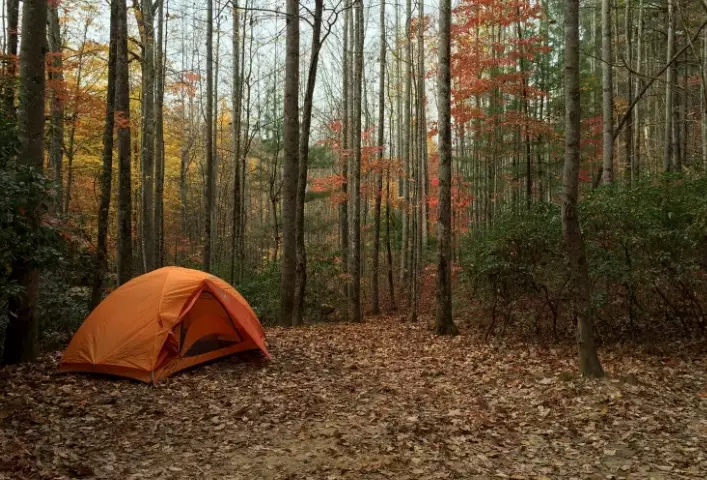
Picking a spot isn't about finding the flattest patch of ground. It's about safety, comfort, and respect for the environment. Here’s a quick mental checklist I use every time:
- Water source proximity: Aim for at least 200 feet from streams or lakes to avoid contamination and wildlife. I once camped too close to a creek and woke up to raccoons rummaging through my stuff.
- Ground conditions: Look for durable surfaces like established clearings or rock beds. Avoid fragile vegetation—it takes years to recover.
- Wind and weather protection: Use natural windbreaks like dense tree clusters, but watch for dead branches overhead (widowmakers).
- Sunlight access: Morning sun can dry dew from your tent, but too much exposure in summer heats things up fast.
Most public lands, like national forests managed by the U.S. Forest Service, allow dispersed camping unless posted otherwise. Always check local regulations—some areas require permits or have fire restrictions.
Essential Gear for Forest Camping: A No-Nonsense List
Forget packing everything from REI's catalog. Focus on what truly matters in the woods. Here’s a table comparing must-haves vs. nice-to-haves based on my experience:
| Item | Why It's Essential | Common Pitfall |
|---|---|---|
| Sturdy Tent with Rainfly | Woods are humid and prone to sudden rain; a full-coverage rainfly prevents leaks. | Using a summer tent in damp conditions—it'll soak through by midnight. |
| Sleeping Pad with High R-Value | Ground in forests stays cold; insulation is key for warmth (R-value of 4+ recommended). | Skimping on padding leads to sleepless nights and hypothermia risk. |
| Water Filtration System | Stream water looks clean but harbors bacteria like giardia; filters like Sawyer Squeeze save the day. | Relying solely on boiling—it's time-consuming and fuel-intensive. |
| Map and Compass (Not Just GPS) | GPS fails in dense canopy; analog navigation is your backup lifeline. | Trusting phone GPS entirely—batteries die, signals drop. |
| Bear-Resistant Container | Essential in bear country to store food and avoid dangerous encounters. | Hanging food bags improperly—bears are smarter than you think. |
Notice I didn't list a fancy camp chair? That's because a fallen log works fine. Prioritize weight and utility. A pro tip: pack a small tarp for extra rain protection—it's saved me during unexpected downpours in the Smokies.
The Most Overlooked Mistake: Weather and Terrain Underestimation
Here's something most guides won't tell you: newcomers often fixate on gear but ignore microclimates. Woods create their own weather. In valleys, temperatures can drop 10 degrees Fahrenheit overnight, and humidity lingers. I learned this the hard way in the Adirondacks—my lightweight sleeping bag was useless when fog rolled in, and I spent a shivering night regretting my choices.
Always check hyper-local forecasts from sources like the National Weather Service for the specific forest area. Terrain matters too: slopes can channel wind, and low spots collect cold air. Camp on a slight rise if possible; it drains better and feels warmer.
Quick Terrain Tips
If you're in hilly woods, avoid ridges during storms (lightning risk) and valley bottoms (frost pockets). Look for mid-slope clearings with good drainage. A simple soil test: if the ground squishes underfoot, it'll be muddy when it rains.
Step-by-Step Guide to Setting Up Camp in the Woods
Let's walk through a typical setup, assuming you've found a legal spot. This isn't just about the tent—it's about creating a functional camp that minimizes impact.
- Clear the area gently: Remove sticks and rocks, but don't strip vegetation. Use a ground cloth to protect the tent floor.
- Pitch your tent with the door facing away from prevailing wind: Usually, this means east or southeast for morning sun. Stake it firmly—forest floors can be soft.
- Set up a kitchen zone 100 feet downwind: This keeps food smells away from your sleeping area. Use a rock or log as a counter.
- Designate a bathroom spot 200 feet from water and camp: Dig a cathole 6-8 inches deep for waste, and pack out toilet paper.
- Hang your bear bag or use a container: Even if bears aren't common, rodents will chew through anything. Hang it at least 10 feet high and 4 feet from tree trunks.
I once skipped the kitchen zone setup and woke up to ants in my backpack. Lesson learned.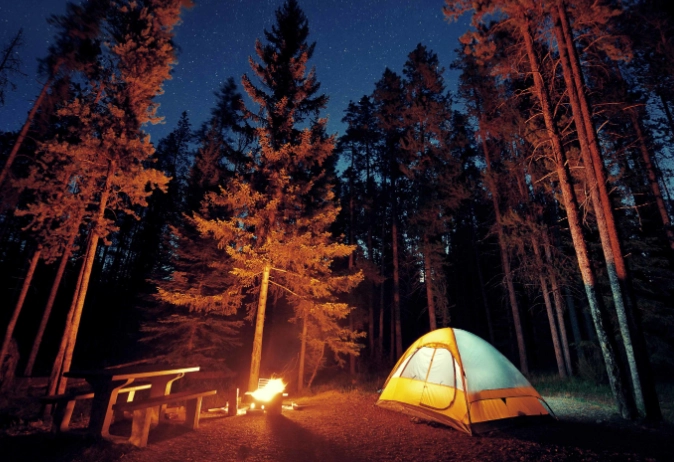
Wildlife Encounters: What You Really Need to Know
This is a huge pain point for beginners. The woods are home to animals, and encounters are inevitable. But panic makes things worse. Based on advice from the National Park Service, here's the reality:
Bears: Most are black bears and avoid humans. Make noise while hiking, store food properly, and never run if you see one—back away slowly. In grizzly country (like parts of Montana), carry bear spray and know how to use it. A common mistake? Keeping snacks in your tent—it's an invitation.
Insects: Ticks and mosquitoes are the real nuisance. Use permethrin-treated clothing and picaridin-based repellent. Check for ticks daily, especially in grassy areas.
Small critters: Squirrels and raccoons are bold. Keep your site clean; even toothpaste smells can attract them. I've had a mouse nibble through my tent mesh because I left a candy wrapper inside.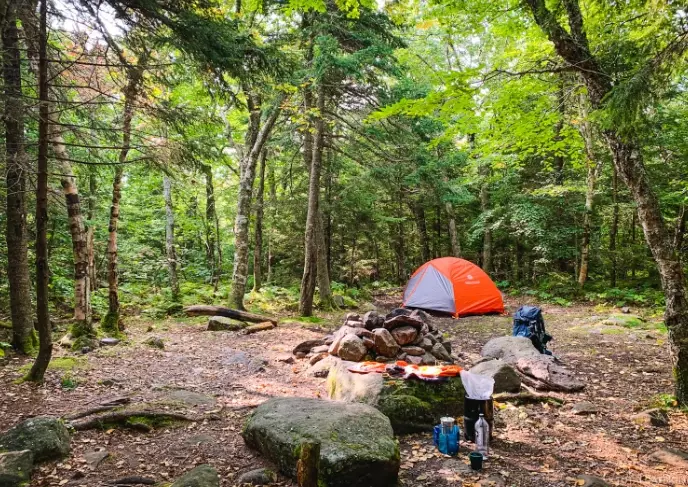
Leaving No Trace: Sustainable Woodland Camping
Sustainable camping isn't just a trend—it's essential for preserving these spaces. The Leave No Trace Center for Outdoor Ethics outlines seven principles, but for woods camping, focus on three:
- Camp on durable surfaces: We covered this, but it's worth repeating. Stick to existing sites if possible.
- Pack out all trash: Including biodegradable items like fruit peels—they take years to decompose and disrupt wildlife.
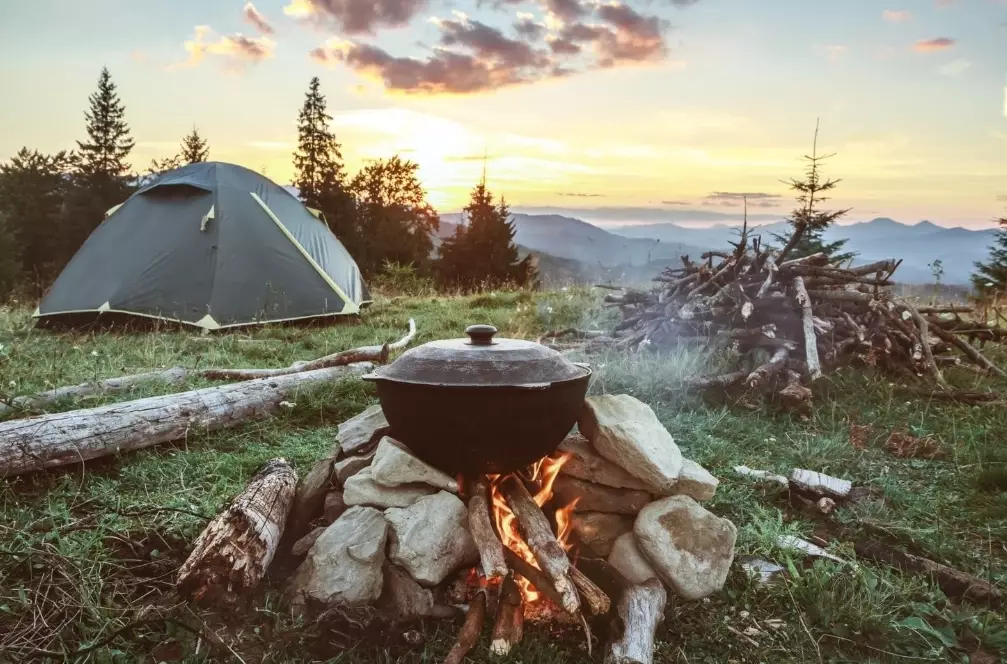
- Minimize campfire impact: Use a camp stove instead. If you must have a fire, use established rings, keep it small, and burn only downed wood. Never cut live trees.
A personal gripe: I've seen too many campsites littered with fire pits and trash. It ruins the experience for everyone. Do your part.
Your Burning Questions Answered (FAQ)
Camping in the woods transforms how you see nature—it's raw, challenging, and deeply rewarding. With this guide, you're equipped to avoid common pitfalls and embrace the adventure. Remember, it's not about being perfect; it's about being prepared and respectful. Now, go find your spot under the trees.