Remember when camping meant a heavy canvas tent, a can of beans, and hoping it didn't rain? That version of camping is still out there, and it's wonderful. But something has shifted. Camping isn't just an escape anymore; it's become a reflection of how we live, what we value, and frankly, what we're willing to put up with after a long week. The latest camping trends aren't about gimmicks. They're smart, practical evolutions driven by a desire for comfort, a responsibility to the planet, and a little bit of clever technology.
I've spent over a decade watching these shifts from the inside—as a guide, a gear tester, and just someone who needs the woods to feel sane. The biggest change I see? Camping is becoming more intentional. People aren't just running away; they're running toward a specific experience. Let's break down what that actually looks like on the ground.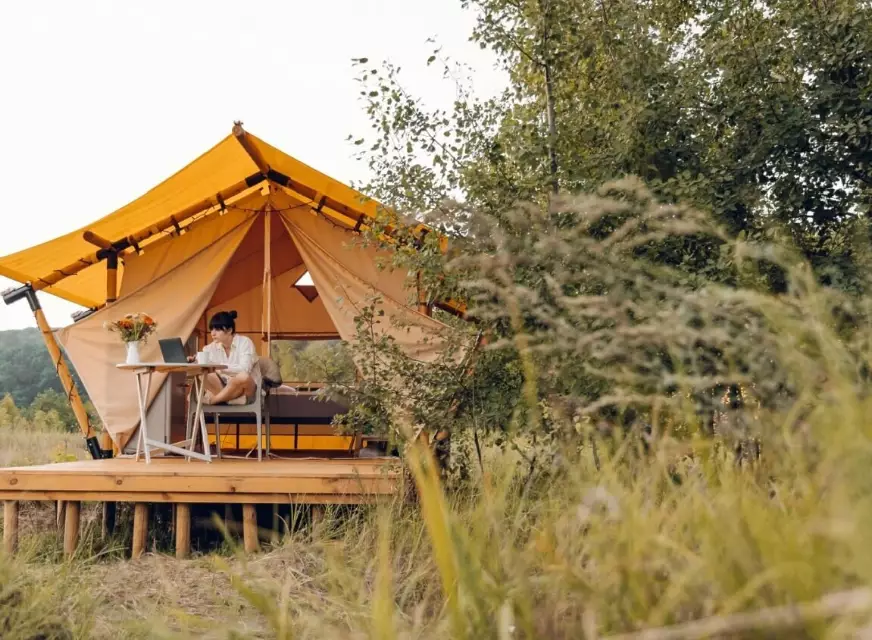
What's Inside This Guide
Why Camping Trends Matter More Than You Think
You might think trends are just for fashion. For camping, they're a roadmap. They tell you what problems other campers are solving, what new gear actually works, and how to have a better time with less hassle. Following a trend blindly is silly. But understanding them? That's how you avoid buying the wrong tent, packing for a trip you'll hate, or being that person who annoys everyone at the campground.
For instance, the surge in rooftop tents isn't just about looking cool on Instagram. It's a direct response to the pain point of finding a flat, dry, rock-free spot to pitch a traditional tent, especially on crowded weekends or in uneven terrain. It solves a real problem. That's a trend worth knowing about, even if you decide a ground tent is still for you.
The Top Camping Trends Defining Outdoor Adventures
Let's get specific. These aren't fleeting fads; they're sustained shifts in how people camp.
1. Glamping Gets Grounded (And More Accessible)
Glamping isn't new, but its definition is widening. It's no longer just about luxury safari tents you book for $500 a night. The trend now is personalized comfort blending with the authentic outdoors. Think:
The Gear Shift: High-quality, stand-up height canvas tents (like those from Bell Tents) are replacing nylon domes for car campers. Why? Space, atmosphere, and they just feel more substantial. Paired with a proper cot, a real rug, and battery-powered mood lighting, your site becomes a living room under the stars.
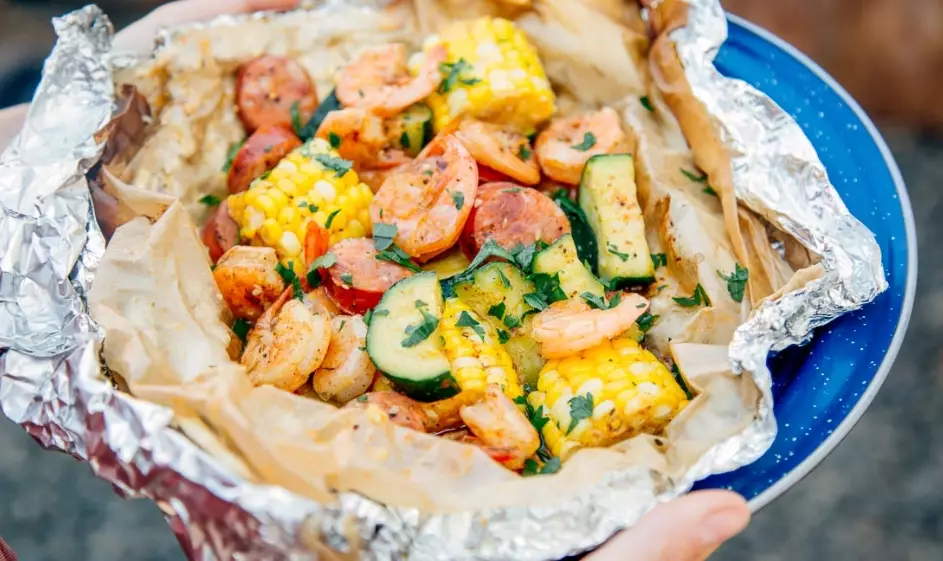
The Food Revolution: Forget just hot dogs. Portable pizza ovens (like the Ooni), compact espresso makers, and coolers that keep ice for a week (looking at you, Yeti and competitors) mean camp cuisine is a highlight, not an afterthought. I've made fresh sourdough pancakes at 8,000 feet. It changes your whole morning.
The Reality Check: This trend gets criticism for being “not real camping.” I get it. But for families, or people new to the outdoors, a dose of comfort can be the difference between a one-time try and a lifelong hobby. The key is balance. Don't let the setup become so complex you need a manual.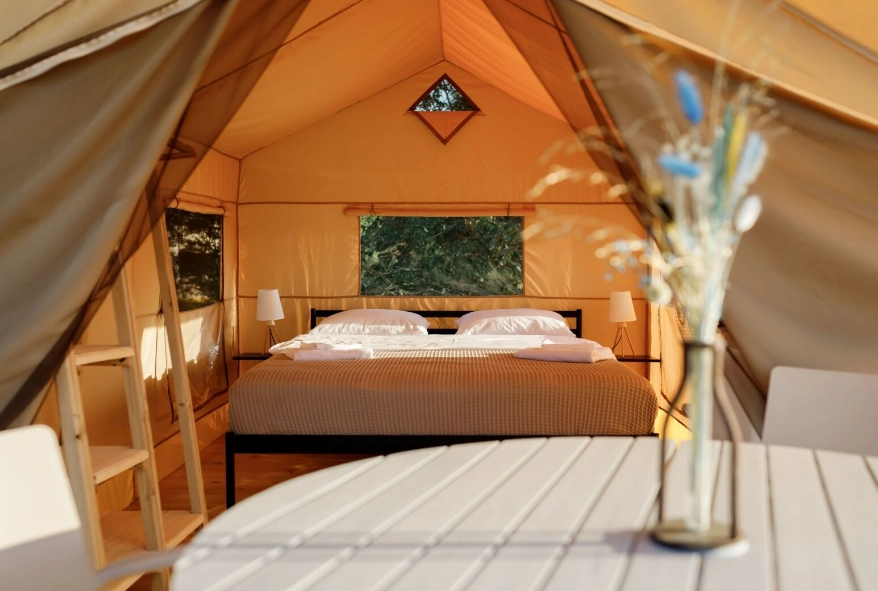
2. Tech-Enabled Safety and Convenience (Not Distraction)
This is the most misunderstood trend. It's not about bringing your TV. It's about smart tools that solve real problems safely.
Power Management is King: Solar panels have gotten lighter and more efficient. A foldable 100-watt panel can keep phones, headlamps, and even a small fridge charged. But here's the expert tip everyone misses: You need a power bank buffer. Solar charges the bank during the day; you draw from the bank at night. Don't plug devices directly into a panel unless it's bright sun.
Satellite Communication for Everyone: Devices like the Garmin inReach Mini or Zoleo are becoming as standard as a first-aid kit for anyone venturing beyond cell service. They're not just for emergencies. Sending a “Check-in” message to worried family is a game-changer for peace of mind. The annual fee stings, but it's cheaper than a helicopter.
Apps for Scouting, Not Just Social Media: Apps like Gaia GPS (for offline topo maps) or The Dyrt (for finding and booking campsites) are indispensable. I used to carry paper maps exclusively—and I still have them as backup—but overlaying my planned route with real-time GPS on my phone prevents wrong turns in fading light.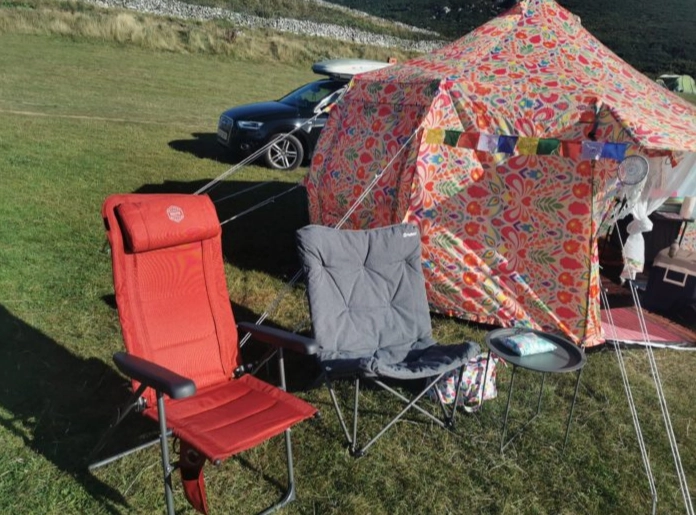
3. Sustainable Camping: From Buzzword to Default Practice
This is the most important trend. It's moved past “pack it in, pack it out.” It's now about proactive low-impact choices.
Gear with a Conscience: Brands are using recycled materials for tents, sleeping bags, and apparel. It's not just greenwashing; the quality is now on par. Look for bluesign® or Fair Trade certification if you want to dig deeper.
Leave No Trace 2.0: It's about minimizing impact before you even make one. This means:
- Using a camp stove instead of making a new fire ring every time.
- Choosing biodegradable soap (like Dr. Bronner's) and washing 200 feet from any water source.
- Knowing how to properly dispose of human waste for your specific environment (a cathole isn't always right—check regulations, especially in alpine or desert areas).
Supporting Local: The trend is towards camping near home and supporting local outfitters and campgrounds, reducing travel emissions. Resources like the Bureau of Land Management (BLM) website are gold for finding dispersed camping spots in the US, taking pressure off overcrowded national parks.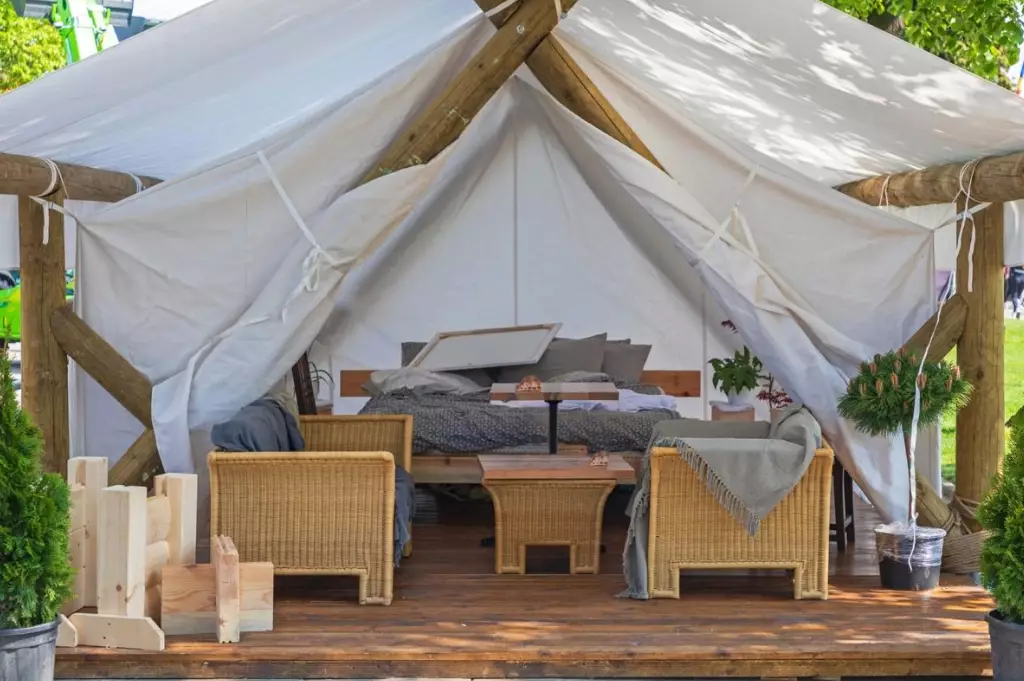
How to Adapt These Trends to Your Camping Style
You don't need to adopt them all. Pick one that solves your biggest headache.
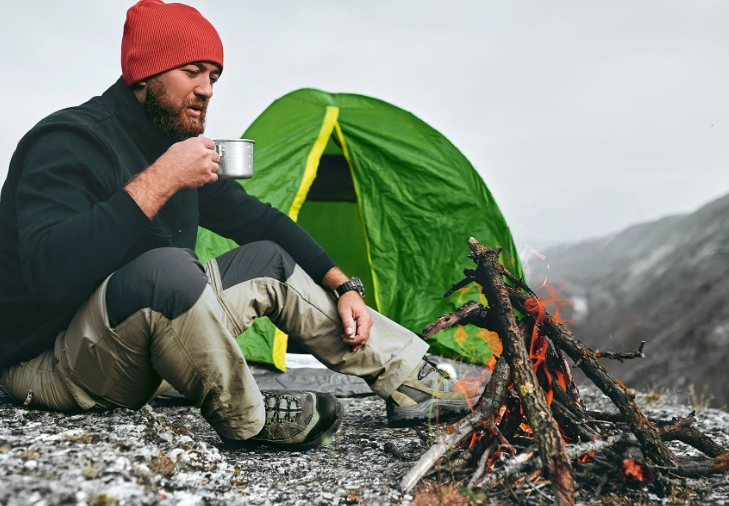
If you're a minimalist backpacker: Focus on the sustainable trend and the safety tech. A satellite messenger and knowing advanced LNT principles are your best investments. Ignore the glamping stuff.
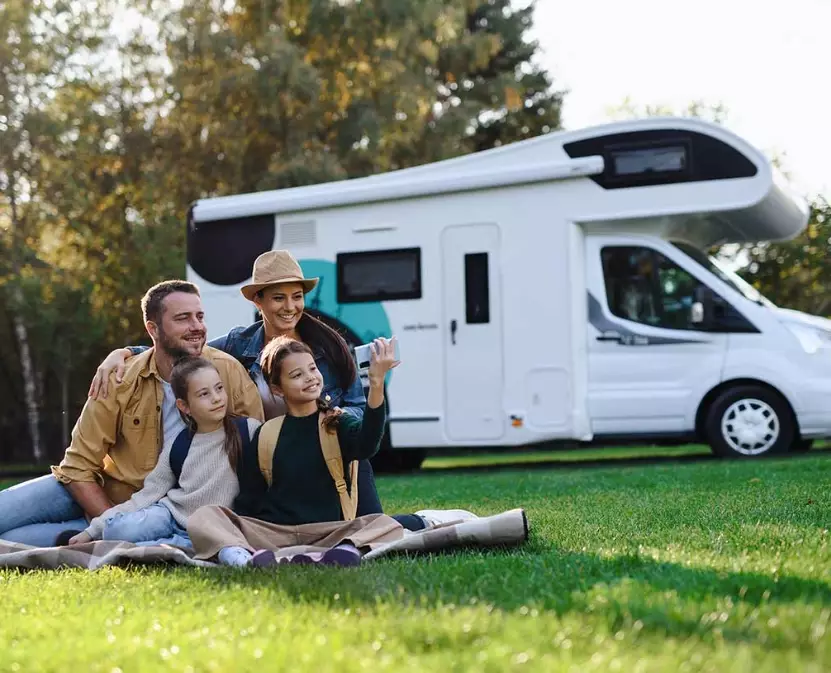
If you're a family car camper: Embrace the comfort elements. A roomier tent and better food will make the kids (and you) happier. Add a simple solar charger to keep tablets charged for a rainy afternoon in the tent—no shame in that game for survival.
If you're a weekend warrior: The booking apps and gear rental services (like Outdoorsy for RVs or local shops for rooftop tents) are your best friends. They let you test trends without huge upfront costs.
My personal rule? For every new piece of gear I buy, I try to donate or repurpose an old one. It keeps the gear closet from becoming a monument to consumerism and forces me to think about what I really need.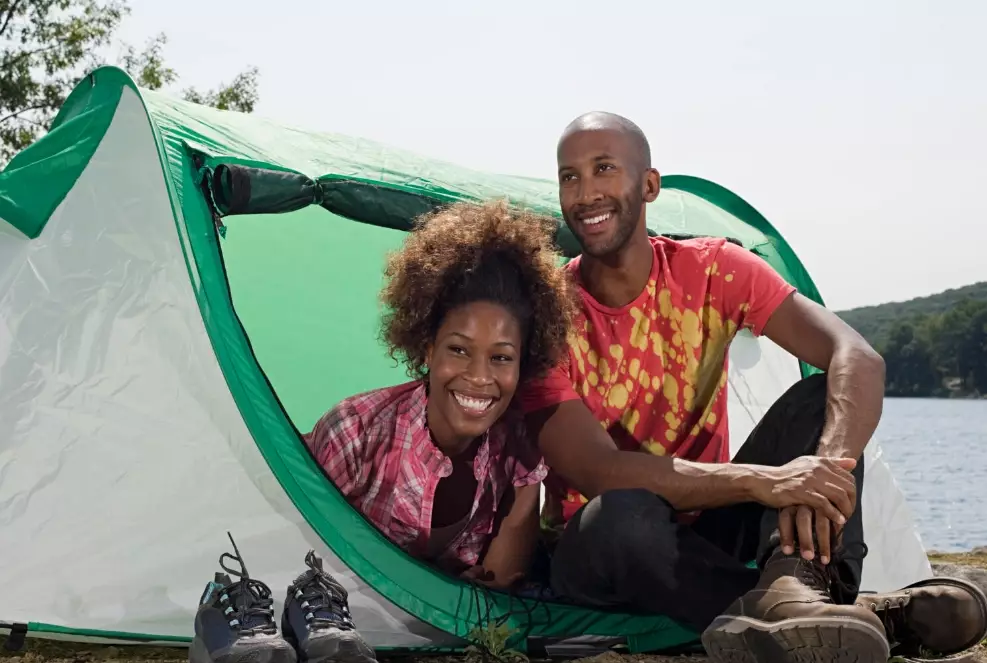
Common Questions About Modern Camping Trends
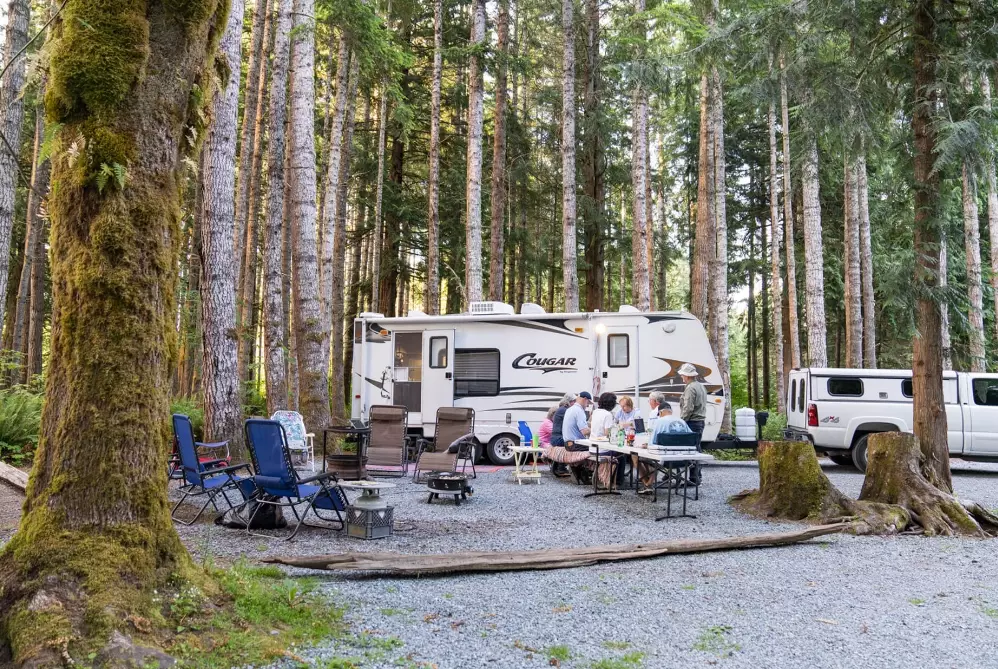 The landscape of camping is changing, and that's a good thing. It means more people can find a way to enjoy the outdoors that works for them. Whether you're stringing up a hammock with nothing but a sleeping bag or backing a tricked-out van into a spot, the goal is the same: to get out there. Use these trends as tools, not rules, and build the camping experience that actually makes you want to turn off your phone and look up.